Section Insights
Comparing Ballet Techniques
What are the differences between the Vaganova and Chiceti methods?
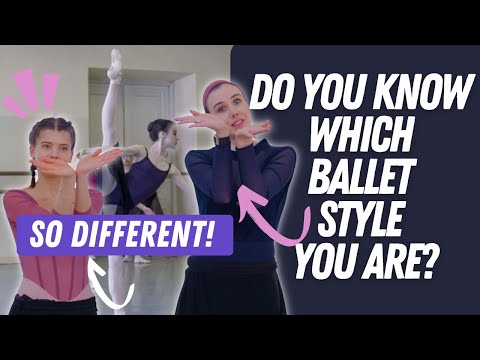
The section discusses the differences between the Vaganova and Chiceti ballet techniques, particularly focusing on the fourth position and the use of arms and body alignment. The speakers highlight how the Vaganova method emphasizes a straight back leg and open arms, while the Chiceti method incorporates a more grounded approach.
- Vaganova method features a straight back leg and bent front leg in fourth position.
- Chiceti method emphasizes a grounded connection to the floor.
- The use of arms and head positioning varies significantly between the two techniques.
Head and Arm Positioning
How do head and arm positions differ in Vaganova and Chiceti techniques?
The speakers explain that the Vaganova method has a more embellished head position and a direct side view, while the Chiceti method tends to be more conservative and diagonal. The arm positions also differ, with Vaganova arms being lower to highlight the neck and head, while Chiceti arms are held higher.
- Vaganova emphasizes a proud head position and direct side view.
- Chiceti arms are typically held higher, creating a different aesthetic.
- The differences in arm and head positioning contribute to the overall style of each technique.
Arabesque Variations
What are the key differences in arabesque positions between the two methods?
The section highlights how the Vaganova method maintains a flat back with arms at shoulder level, while the Chiceti method allows for higher arm positions and a more diagonal line. This affects the overall appearance and execution of arabesques in each technique.
- Vaganova focuses on a flat back and lower arm positions in arabesque.
- Chiceti allows for higher arm positions, creating a more dynamic look.
- The differences in arabesque execution reflect the unique characteristics of each ballet style.
Strength and Technique in Center Work
How do the Vaganova and Chiceti methods differ in center work?
The speakers discuss the differences in how the two methods approach center work, particularly in the preparation and execution of movements. The Vaganova method emphasizes strength and control, while the Chiceti method incorporates more contemporary elements and a focus on curvature of the spine.
- Vaganova emphasizes strength and control in center work.
- Chiceti incorporates contemporary elements and spine curvature.
- The approach to center work reflects the broader philosophies of each ballet technique.
Jumping Techniques
What are the differences in jumping techniques between Vaganova and Chiceti?
The section outlines how jumping techniques differ, with Vaganova focusing on the coordination of arms and legs to aid in takeoff, while Chiceti emphasizes a swish of the floor. The Vaganova method requires a flat turnout at all times, which is a significant aspect of their training.
- Vaganova emphasizes arm and leg coordination for effective jumping.
- Chiceti focuses on the swish of the floor during jumps.
- Turnout is a critical component in Vaganova training, requiring constant awareness.
Transcript
0:00 Chaeti vagova chicetti vagova chiceti vagova we know you love seeing the differences between the chiceti method and the vaganova method so the royal ballet school and the vaganova school which I was lucky enough to go to both as a lot of you know suvi has predominantly trained in the Russian technique but obviously when she went to FMB it was quite French wasn't it over Yeah, there were French teachers.
0:32 >> A mixture. >> Yeah. Yeah. >> Yeah. So, I think al there's a lot of similarities between the chiceti and the French in terms of arms and preparation in in fourth etc. So, probably a lot will resonate with that. So, let's have a look at some of the common differences that we can see with certain steps. Okay. So, one of the first ones that's super different is the fourth position. Right. Why don't you show us the Russian one, which obviously we're used to.
1:00 >> Side on. >> Side on. >> Yeah. >> Back leg is straight, front leg is bent, not too wide position, and arms are open, not round. Yeah. And then before we would take off, what we then would do is pa on two legs. Bum. And then we would go with our pyouettes. Lovely stuff. So, let's explain why we both really like this. >> Okay. >> So, why do you like this fourth position >> where the back leg is straight initially?
1:32 >> I like it because I feel like then it's almost impossible for me to put too much weight on my back leg. So, I'm really well on the front leg and it helps to keep this line very straight. So, I'm not like this for the preparation of the turn. So I feel kind of like I'm this part is already >> activated >> activated and in the position that it has to be and then I I like this extra like I kind of force that you get from that P here. I feel a bit stuck somehow.
2:05 >> Yeah. Yeah. So I it's very purposeful I feel this fourth because like Suie said you're on the front leg already. There's less work for you to do. It's kind of hard to make the mistake. And then this brigade does feel like almost like the landing of a jump, like you're getting that nice power before you go, which I think is super useful. Then with the arms, instead of being rounded, obviously there's nothing wrong with this at all, but this streamline position, I always found it helped me engage the back more because we're kind of like really pushing down. Yeah.
2:35 Rather than this, which you can be susceptible to curving the back if you're not careful. So still keep that sense of engagement in the spine. So that's the fourth position. Then another one which is simply just the heads and the body at the bar. So why don't you show us the chiceti way which is also kind of similar to some of the French teachers that you had. So it's quite forwards. It's quite forwards in the body. So what was some common corrections you got when I was you were more vagiva with the head back? What were they looking for? The more >> they just wanted to be so much more forward. and of course in Vaganova also you have to like close the ribs, but I still feel like you're kind of like what you always talk about that the skull is on top of the tailbone. So here I felt more that the angle was like this like almost leaning forward.
3:29 >> That that's what I felt. >> And obviously because you didn't train in that method, it probably felt really weird, right? >> It felt super weird. Yeah. >> Yeah. So I remember from Royal Ballet School similar like you had to be very very sort of up and over like that. And so I found when we went to Russia and I always had a Russian coach on the weekends and throughout my childhood, but I was constantly sort of going backwards and forwards, backwards and forwards. But then when we went to Russia, we had constantly this sense of, oh no, you must be so pulled up, especially because we're on the slope, remember? And so what I found was the glutes could activate so much more because you were so on top of yourself.
4:06 And I do think it helps with pirouettes because you're so straight and on your leg when you eventually turn. Then along with the heads. So obviously Vagova is so embellished. You know the head is like there when we finish. The head is also not on a diagonal. It's directly to the side. So you really work your neck and you're always lifting the chin when you go Devon for example. And we often look to the side most of the time, you know, unless you're super young and you do everything kind of here and maybe once here. So you feel more framed. But as you get older, the side view is the most optimum. So you tend to have everything facing the side. And I always found the English style is still very nice, but it's more conservative. So you found yourself looking on a on the diagonal more, >> you know. Same with the arms. It was more like you were looking with elbows a little here and looking out more like this rather than elbows wide looking directly to the side. So, it's just a much prouder position, but I think it's it looks more I want to say passionate almost a prouder pose.
5:14 >> It's a prouder pose. >> Yeah. Then let's move on to Tombe and chass part from the corner. >> So, I'll show the royal ballet one. >> Okay. >> Maybe you can go from that corner. >> Okay. So the chass part we would often do would be literally chassere like this to the fourth position and then we prepare. What's funny is even though we're used to preparing like this, we would still then go through that along as we went into it rather than the vagiva one starts there.
5:47 >> But in general I I found the chiceti one was much more grounded into the floor. a lot about being sort of down >> and juicy into the ground. So, it's sort of like y whereas vagiva I feel like presents the feet a little bit more and it's more about the line of the leg the whole time >> and there's this almost like little hop in the beginning. >> Yeah, exactly. >> There you go. >> And we often use the opposite arm.
6:13 >> Yes. So, and then Yeah. Yeah. Really nice. Really nice. But it's kind of embellishes that nice pose of the foot and the upper body there rather than chassing through forth. So, the shikati one was more this way >> which I think is most common when you go to dropping classes or open classes. They would often do this instead of this. But regardless whether I went to a class that was by a different technique of teacher, I would always do the arm they want, >> right?
6:50 >> You know, like we do. >> But if if they said, "Oh, chassis part." I think I would always nonetheless do >> tobe part. >> Because it was we never did chass. >> Never. >> Ever. >> I don't remember a single time. >> No. Even when we would do part to a lunge, you know, we would we wouldn't do, for example, pum, we would go pum pum pum. Do you remember? Yeah. Yeah. Always about present. I don't ever remember doing this.
7:21 >> No. Shall I say? >> No. Always about presenting the foot before you step on it. Show the foot. Show the foot. Show the beautiful lower leg. That's it. Exactly. And the arabesks also aren't correct kind of like higher in the >> Yeah, exactly. Why don't you show us the Russian ones? So, first arabesque >> here, >> which is very very shoulder level. This right in front this I would say we aim for here but just slightly but keeping shoulders square.
7:54 >> Yeah. Well, this is like school school young people, right? >> But then in the stage of course you want a little bit maybe open if you have >> Yeah. Yeah. Yeah. It's not Yeah, exactly. It's not going to be P. Yeah. It's going to be a little bit like this, but >> and then the second arabisk. >> Yeah. And I think what's so identifiable with the Vagaban method is the head. You doing the head here. So it's it's as you can see it's always back. So you see the nice long neck and the the arms are always just below the shoulder because it really kind of highlights then the neck and the head.
8:30 Whereas when we lift the arms higher, it kind of covers this line a little bit. Yeah, exactly. And even the fourth arabesque as well. Yeah, exactly. Fourth arabisk. So you could use probably this tand. Yeah. And then it's all about showing the flatness of the back whilst keeping these two arms on the same level with a slight softness in the elbows. Yeah. Beautiful. So then the chiceti one is obviously just slightly different. We always found that the arms were just a little bit higher in first arabesque. So that the head kind of looks up a little bit more.
9:03 It's more like that. And then second arabesque again it's like not directly to the side. And then fourth arabesque as well is like that. Is it diagonal? Pardon? Is it diagonal with the arms? Yeah, diagonal. Yeah, much more much more diagonal. Interesting. >> Yeah. Interesting. Which actually for me personally, it's like if the leg goes up though, it doesn't quite match where the eyeliners, you know, whereas we would in Vanava, as I remember, we would only really really lift the arm up if we were doing some very strong rev at the end like a very embellished pose with a very high leg. Exactly. Whereas prominard, when your legs at 90°, it's almost like the the arm should match.
9:52 >> Yeah. So you're gliding around rather than there. Because if your arms there, then you would expect your chin to be there, which then you would expect your leg to be >> there. Yeah, it's not happening. Yeah, exactly. Yeah, it looks a bit funny if your leg is in 90 and you're like this like doesn't fit somehow. Yeah. Let's see. Oh boy. >> Yes. So if you do your nice arm here, that's it.
10:25 Yeah. Stretch the knee and stuff. That's it. And then whereas if you went there and you if you looked up. >> Yeah. It just see it's a bit different. Yeah. >> Preparation from the corner. That's another one. >> >> >> Show us the beautiful Russian one from the corner. And A three. Good. Good. Good. Yeah. Super nice. Whereas although chici probably can can also go like this. I think a lot of the time they actually go on dawn. So they go yum bum like this.
11:04 >> Yeah. Even over the top sometimes. Even over the top. >> I recognize this one. I have seen this one a lot. >> Yeah. Hans. >> Yeah. Yeah. Yeah. Yeah. So it kind of goes a lot of the time on the dawn which because we're so used to I mean I love chiceti it looks so beautiful on lots of dancers but because I'm so used to the vagana for now this kind of feels like almost it's the opposite of what I want to do going on dawn to then go forwards whereas this I like because it kind of feels like I'm turning out kind of feels like I'm going and turn out everything before we then transition into the next step. Yeah.
11:44 >> Yeah. Both styles are beautiful. But I think if you have trained your whole life in Vaganova, then check it will feel weird and vice versa. >> Yeah. I think also some dancers who watch our videos, they don't actually know what method they're in. So it might be interesting if you see that, oh yeah, that's what I'm doing or that's what my teachers been making me do. then maybe you'll identify more with whether I don't know maybe you're doing a mixture of stuff or maybe you're like oh yes I am actually doing cheti there's another one that I remember very well which is the sixth pterra in the center which is the sixth pter bra in vaganova method it's wouldn't be necessarily the sixth porter bra and chiceti because they don't work quite like that but it's the legs it's the legs predominantly and also the curvature of the spine >> okay why don't you show the chiceti one which happens a lot in again dropping classes and company class probably a lot that's not a Russian company you know or Russian train company so often you would play in fourth position and then around we go yeah even sometimes dancers can get quite contemporary with it and and really like like curve the spine and do all this and things like that so the Russian one is so different The back leg's really straight and we often prepare by circling the wrist looking up and then we lunge down. The arm comes to first position. We go super far down.
13:15 Then you need to have a lot of strength then to push back into a onto a straight leg. So we don't we don't bend the back one. We push back onto a straight leg. Then we twist. And your arms keep this nice distance between each other. So it's not so much sort of one and then the other one. There's very much a sense of keeping them not too far apart each time. Yeah. But it creates this beautiful length and drama in for example our buloy adajagios. So our grand adage we would do very much like and down push back big circle prepare.
13:56 Also super good for strength to go all the way down and push. >> Yeah. Go on then. So you go wrist and down. Push back and big circle. Bum. Bum. Yeah. Yeah. Obviously she would say more back bends. >> More back. >> More. More. >> But >> but we haven't done class yet today so >> Yeah. Exactly. But it's so it's honestly I love it. So nice to do. Good. Another good one for the ladies is the p arms.
14:30 I would say in vaganova if we weren't doing something like this or bending over like this, we would often just keep the arms still and use a lot of epilmon maybe opening this way. Whereas I think in the chiceti method it's a lot of there's it's a lot of movement all the time. So be like one and two and three. Yeah, >> I think I've seen French dancers also do a lot of that. >> They are quite similar. They are quite similar. There's quite a lot of similarities with the French and the chiceti. It seems >> Yeah. Do you want to show us this one again?
15:08 >> So chetty one. >> Yeah. And then the vagana one. Yeah. So constantly nice use of upper body and head. Yeah. Maybe opening. >> Yeah, maybe opening. Yeah. So, it's it has a real nice elegance. But I also like this. I think though when you're going quick, it almost feels like there's just too much going on. >> So, if it was a nice slower tempo. Also, one thing to note is probably the the Vaga method wouldn't go very high, much higher than just below your shoulder when we did this because I think Chicetti tends to go a little bit higher. So it can be a little bit more wafty in the arms.
15:53 >> Feel like in general all this stuff is a bit lower in Vaganova style than it like it would not go past that point. >> Yeah. No, it's always about keeping the the shoulders and upper body and and really kind of framed in the shoulders as well like very accurate as well with where it goes >> rather than we might do this but not be aware of where's the end pose, >> right? you know, it's quite barack this.
16:21 It's still nice though. and then one thing I've noticed is the arms when we jump. So, in the French technique and also chiceti, it would be sort of more like gissard here as gissard here as whereas the Russian one was very gisad and then collect the arms as you go into the jump. Yes. Because the dynamic of the second leg into the jump along with the arms was very important coordination basically to help you get off the ground. Whereas keeping them here in the vagan method seemed counter counterproductive because it there was nothing really helping us get off.
17:02 >> Yeah. >> Yeah. Exactly. Whereas I think Shiketi was more focused on the on the swish of the floor >> more than anything. Yeah. And then one final thing I think is so obvious to everybody but one thing that's noticed all the time is the turnout. Yeah. So it needs to be completely flat turned out in the Vaganova and that was >> 180. >> Yeah. And that was definitely a shock to even though we'd both trained in the Vaganova method outside of the Vaganova.
17:30 You know I'd had Russian coaches outside of the Royal Ballet School. Always a shock though when you go to the vagan of a school because nothing is let go like the supporting leg has to be turned out at all times your demi point has to be turned out flat turned out at all times and I did feel like it made us very very aware of our turnout more aware than I'd ever been at the Royal Ballet School because obviously you know it's one could people tend to say it's safer turning in like this and doing you know twands like this and whilst that's definitely through. I wouldn't say this is more dangerous. I'd just say that you really really need to know how to work properly in order to execute this. And obviously, you can't go from very limited turnout to then this straight away. Like you really need to build up to that, which is why why people may argue, oh, VA is not safe because they've been training very much like this to then go to this. Then that's obviously going to be extreme. But again, you just need to know how to work properly in order to really maintain that.
18:36 >> Of course, if you do 180, but you're not using any muscles, you are just kind of sitting there, everything is rolling, >> then it's not good for your knees and your ankles or your hips. >> but that's not how we should be using everything. >> Yeah. >> Yeah. >> And I think once you once you understand how to work properly, then it really crafts very good knowledge of how to use the turnout. And then it's so automatic.
19:01 That's why then you see these Russian dancers with this beautiful sense of turnout and beautiful lines and everything. And that's why we're pushed pushed pushed. Yes. Hopefully you found this interesting. Let us know in the comments if there is anything additional that you want us to look at. whether it's a type of I don't know type of turn, type of jump or anything particular. Let us know. And let us know also what technique you are learning in and why you enjoy it. Obviously with Vag of a Train, but I like to reiterate that no technique is wrong. I appreciate the Chiceti method and the French method a lot. I think you know some of the dancers I really admire are in fact French. Like I I do really like the French style as well, but obviously our background is Vaganova. We adore Vaganova. We love the Russian style. We love the Russian ballerinas. So that is why we share so much about it. So hope you enjoyed. We shall see you very soon.
20:01 Bye for now.
Summary
- The fourth position in Vaganova features a straight back leg and a bent front leg, promoting better weight distribution and alignment for turns.
- Vaganova emphasizes a more upright body position with the head aligned over the tailbone, while Chicetti tends to lean forward more.
- Arm positions differ, with Vaganova keeping arms more streamlined and engaged, while Chicetti allows for more rounded and embellished arm placements.
- The execution of steps like "chassé" varies, with Vaganova focusing on presenting the foot and maintaining a straight line, while Chicetti emphasizes a grounded approach.
- In arabesques, Vaganova aims for a lower arm position to highlight the neck, while Chicetti raises the arms higher, affecting the overall line and aesthetic.
- Turnout is a critical focus in Vaganova, requiring complete flat turnout at all times, which is seen as essential for proper technique and safety.
- Both dancers appreciate the strengths of each method, acknowledging that no technique is inherently wrong, but each offers unique benefits and challenges.
Questions Answered
What are the differences between the Vaganova and Chiceti methods?
The section discusses the differences between the Vaganova and Chiceti ballet techniques, particularly focusing on the fourth position and the use of arms and body alignment. The speakers highlight how the Vaganova method emphasizes a straight back leg and open arms, while the Chiceti method incorporates a more grounded approach.
How do head and arm positions differ in Vaganova and Chiceti techniques?
The speakers explain that the Vaganova method has a more embellished head position and a direct side view, while the Chiceti method tends to be more conservative and diagonal. The arm positions also differ, with Vaganova arms being lower to highlight the neck and head, while Chiceti arms are held higher.
What are the key differences in arabesque positions between the two methods?
The section highlights how the Vaganova method maintains a flat back with arms at shoulder level, while the Chiceti method allows for higher arm positions and a more diagonal line. This affects the overall appearance and execution of arabesques in each technique.
How do the Vaganova and Chiceti methods differ in center work?
The speakers discuss the differences in how the two methods approach center work, particularly in the preparation and execution of movements. The Vaganova method emphasizes strength and control, while the Chiceti method incorporates more contemporary elements and a focus on curvature of the spine.
What are the differences in jumping techniques between Vaganova and Chiceti?
The section outlines how jumping techniques differ, with Vaganova focusing on the coordination of arms and legs to aid in takeoff, while Chiceti emphasizes a swish of the floor. The Vaganova method requires a flat turnout at all times, which is a significant aspect of their training.