Transcript
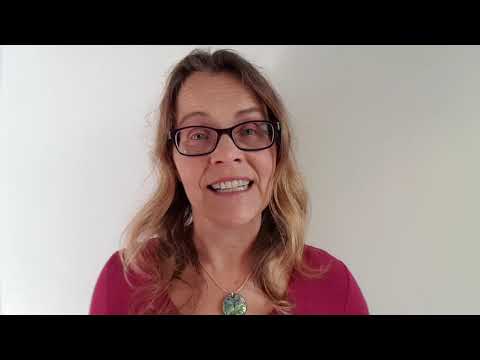
0:01 hey there good parents so in this first video i'm going to talk about why it is that we find ourselves feeling stuck and confused and overwhelmed when we're needing to make decisions about our child's education around their learning my name is rachel schofield you can find me at rachelscofield.com and i'm going to start by zooming in on the layers of why it is we end up feeling this way and
0:31 then i'll go into what we can do about it so firstly there are a lot of places where our feelings get tripped up and right now in the world there is so much uncertainty there is so much going on that means that in general we're not feeling as safe as we used to so there's the pandemic there's the way that many of us are feeling financially more stressed than we used to be because of the downturn in economies across the
1:02 world there's the way by which many of us are living in democracies that seem to be getting undermined week by week month by month and then many of us are living with the reality of climate change we're having to live with that right now and how that impacts on our lives and this just means the whole context in which we are parenting is leaving us feeling generally not very safe and when we're not feeling safe our
1:30 thinking gets more rigid we have more feelings we're more tense we're feeling a little bit anxious and and it means we're just not able to think as well and then when we're having so that's our background context and then when we're having to turn our attention to our kids and their schooling and their learning um there's a way by which everything that happened to us as a child in our education and our learning all the unresolved feelings all the
2:00 places where it didn't go so well for us all those feelings that haven't really been processed very well uh sort of running in the background they're like this you know there's a background feeling that just comes up every time we want to turn our attention to our kids education and that that background feeling isn't about the present moment that background feeling is about things that happened to us around places we got hurt
2:31 and then the third area that our feelings get pulled up triggered is that what we want for our kids like our hopes for our kids what we know would be best for our kids is generally quite different from the reality that we face so we might be looking for a beautiful school that can um respond to our children's emotional needs as well as their learning needs where they get enough attention where you know there's lots of nice kids
3:02 there that are all functioning pretty well and they get great experiences but the reality is that those schools are few and far between and most of us are faced with choosing schools or choosing schooling options that um just do not match up to our ideals and to our hopes and so there's a lot of grief in us um a lot of grief that comes up in that gap between the reality and what we would ideally like because
3:32 we we would do anything to make our kids lives go well and it hurts us deeply when we can't we can't do that as well as we would like to and that the world doesn't provide what we know would be really good for our kids and then the other area that makes it really hard for us to make good decisions and and to feel confident and trust our decisions is the what we're faced with and it's
4:01 really sort of moving on in that reality so um every single just about every single teacher and every single school is under resourced i'm sure there are a few exceptions out there but the vast majority teachers have been asked to be there and support 20 30 or more kids um and schools are asked to run in ways that are really constrictive on their ability to support children well
4:31 and the schools are doing their best and the teachers are doing their best but they're really in a difficult situation and the education system that they're in often puts much more pressure on a child's academic success than that than looking at their overall well-being um and if we're homeschooling like if our choice has been to homeschool then chances are there's still a gap in sort of our hopes and reality chances are we're not resourced and supportive
5:00 enough to do that homeschooling well chances are we could use a few other adults helping us do that chances are we feel it's really hard for us to um look after our self-care chances are that we are somewhat isolated even if we have a good network of other homeschoolers and then if we're in the situation of having to do schooling from home so if you're in lockdown and your child's doing their schoolwork
5:31 from home that's a really different situation again and chances are that it's really hard for you to support your child well enough um to do their schooling chances are that you already had a plateful like you know you had more already in your life than you could really juggle that well and then you've added on to that the idea that your child is going to do schooling from home and it's kind of an unworkable situation and so our hopes would be that this is
6:03 all going to go well and the reality is that we've been given something that is pretty much unachievable or unachievable in the way that we would love to see it pan out and so basically society isn't quite there yet like we have a lot of feelings we have to deal with and society isn't quite there yet that we've got the education and learning for our kids set up well um because by rights children should absolutely love learning and go and their education
6:33 like whether they go to school or homeschool they should love it because children are born hard wired to learn about the world they're hardwired with curiosity they're hardwired to absolutely love learning and to be really good learners but the society and the situation we find ourselves in means that it's less than ideal circumstances um for this so when it comes to making choices about our kids education
7:04 um there's a lot of feelings come up and there's a lot of restrictions in the choices that we can make and we don't want to be making decisions based on our pain we don't want to be making reactive decisions so for example if you hated school um it's not good you know it's not particularly great thinking just to think well i hated school school sucks therefore my kid's not going to school because that's thinking that's based in
7:34 the past it's like sure your experience is relevant but that's really more about the hurts that you felt than it is about the present situation like maybe it would be different for your child maybe there's a school that would meet your child's needs maybe that even if that is true the fact that you still have to go and earn money means that your child has to go to school and so we want to the first thing we
7:59 really really need to do is to do the emotional work to get over our triggers so we need to be able to identify our triggers and we need to work [Music] do [Music] you
Summary
- Parents often feel stuck and overwhelmed due to societal uncertainties, including the pandemic and financial stress.
- Unresolved feelings from their own educational experiences can influence parents' decisions about their children's schooling.
- There is often a gap between parents' hopes for their children's education and the reality of available options.
- Many schools are under-resourced, impacting their ability to support children's emotional and academic needs effectively.
- Homeschooling and remote learning present unique challenges, often leading to feelings of isolation and inadequacy.
- Parents should avoid making reactive decisions based on past negative experiences with education.
- Emotional work is essential for parents to identify and manage their triggers before making educational choices for their children.