Section Insights
The Tension of Process in Organizations
What is the impact of process on organizational performance?
Introducing process in organizations aims to reduce variance and standardize performance, but it can also hinder high performers who thrive without strict processes.
- Process is meant to reduce variance in performance.
- Standardization can bring down high performers to meet average standards.
- As organizations grow, the need for process increases to manage diverse teams.
Understanding Stripe's Unique Culture
What makes Stripe's culture special and successful?
Stripe's culture is characterized by a strong work ethic, clear communication of expectations, and a focus on attracting the right talent through a well-defined cultural guide.
- Stripe has a culture guide to attract suitable candidates.
- The company emphasizes hard work and dedication.
- A clear culture helps filter applicants, ensuring alignment with company values.
Encouraging Innovation Through 'Crazy Ideas'
How does Stripe foster creativity and innovation?
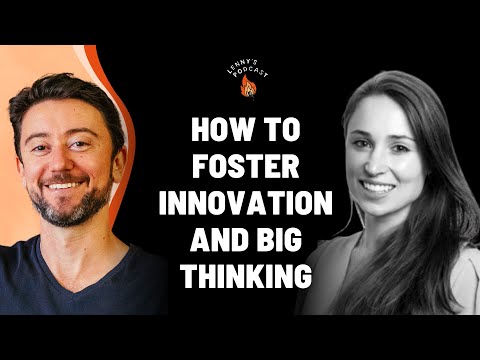
Stripe encourages innovation through initiatives like 'crazy ideas' where employees can propose unconventional ideas that may lead to significant breakthroughs.
- The 'crazy ideas' initiative invites unconventional thinking.
- Employees are encouraged to share ideas that may seem impractical.
- This approach fosters a culture of creativity and engagement.
Finding the Right Level of Process
How should companies determine the appropriate level of process?
The right level of process varies by company stage; smaller companies may resist process, while larger ones need structure to maintain efficiency and clarity.
- Companies must adapt their processes as they grow.
- Smaller teams may initially resist formal processes.
- Learning from larger companies can inform but not dictate process decisions.
The Importance of Customer Proximity for Product Managers
How does Retool ensure its product managers stay close to customers?
Retool emphasizes hiring product managers with customer-facing experience and technical backgrounds to ensure they understand customer needs and product value.
- Product managers with customer-facing experience are more effective.
- Technical knowledge among PMs enhances product understanding.
- Staying close to customers is crucial for product development success.
Transcript
0:00 process by definition is variance reducing like you're introducing it because you worry that the variance in your org is too high like you want people to sort of meet a certain standard and the cost of that is obviously while you're reducing the standard and bringing Folks up to the average you're also bringing other folks down to the average and oftentimes the folks are bringing down are your highest performers your most creative thinkers the folks who like you know I think
0:30 actually don't really need process to do their best work and so that I think is always the tension that you have with process and obviously like one of the reasons why companies introduce process much more and more as companies get bigger is because it's just it's harder to sort of like get all these folks who kind of don't need processing you actually want to reduce the variance welcome to Lenny's podcast where I interview world-class product leaders
0:56 and growth experts to learn from their hard-won experiences building and scaling today's most successful companies today my guest is AKA demilliano Aika is head of product at retool prior to that she was a long time piano at the stripe she was actually one of their very first PMS where she helped build some of their foundational products like stripe checkout stripe connect stripe radar and stripe chargeback protection I had a total blast chatting with Tika we covered
1:20 Stripes internal culture and what makes it so unique and Innovative how to Foster and protect Innovation at your own company what is the right amount of process by stage of company how to build a talent portfolio and so much more I am really excited for you to hear this episode and with that every bring you AKA de Emiliano after a short word from our wonderful sponsors today's episode is brought to you by Nero an online visual whiteboard that's
1:45 designed specifically for teams like yours and mine I have a quick request head on over to my board at miro.com Lenny and let me know which guests you'd love for me to have on in 2023 and while you're on the mirror board feel free to play around with the tool it's a great shared space to work closely with your colleagues to capture ideas get feedback and iterate quickly and easily on anything you're working on for example
2:06 in Miro you can build out your product strategy by brainstorming with sticky notes comments live reactions voting tool even an estimation app to scope out your team Sprints your whole distributed team can come together around wireframe and draw ideas with a pen tool or even put mocks right into the mirror board and with one of miro's ready-made templates you can go from Discovery and research to your product roadmap to customer Journey flows final mocks you get the picture head on over to miro.com
2:34 Lenny to leave your suggestions that's miro.com Lenny this episode is brought to you by notion if you haven't heard of notion where have you been I use notion to coordinate this very podcast including my content calendar my sponsors and prepping guests for launch of each episode notion is an all-in-one team collaboration tool that combines note-taking document sharing wikis project management and much more into one space that's simple powerful
3:04 and beautifully designed and not only does it allow you to be more efficient in your work life but you can easily transition to using it in your personal life which is another feature that truly sets notion apart the other day I started a home project and immediately opened up notion to help me organize it all learn more and get started for free at notion.com Lenny's pod take the first step towards an organized happy team today again at notion.com Lenny's pod
3:36 hey welcome to the podcast thanks so much for having me Lenny it's absolutely my pleasure a bunch of people have told me that I need to have you on this podcast and actually a big thank you to sneer kodesh who I believe is a colleague of yours who gave me a bunch of interesting questions to ask you so I hope you're ready awesome very ready sneer is the best so yeah excited so you're currently head of product at
3:59 retool but before that you spend a lot of time at stripe you spend six years at stripe and so before we get to retool I actually want to spend a little time on stripe to set a little Foundation could you just talk about some of the things you worked on at stripe and maybe some of the things you're most proud of during that time yeah so when I draw stripe I joined stripe in 2013 it's pretty small
4:19 the times around 50 people and stripe didn't have any product managers at that time and I think struck is kind of famous for that and it really wasn't because you know we were anti-pm in any way it was mostly just because we're building this product for developers we had a lot of really talented Engineers who were essentially doing the PM job so I actually joined stripe as the first account executive which I think is pretty funny now that I've seen you know
4:44 real account Executives do their jobs because I really just had no business doing that job but it also really wasn't your typical sales job and that most of Stripes volume was inbound so I was really just spending all of my day talking to customers helping them figure out how strike might work for their particular business flows and payments models and a lot of it was I think you know what PMS do it's just like talking to customers understanding their pain
5:08 point and really help them figure out how the product might do that so and to this day when people ask me hey like what's your advice for going into product management I'm like well you should go get a sales job I think it's like pretty pretty valuable but it's kind of a long story to explain that at the time there were there's this one sort of business model this did the two-sided Marketplace business model that was really it was
5:30 just becoming huge and yeah like you can even remember you sort of imagine that now but like back then like Airbnb Lyft Uber all those marketplaces it was quite a new way of of doing business and so I was talking to all these customers and they had like pretty complicated payments needs so you know if like one pair putting in funds and it's getting paid out to a recipient so an Airbnb guest and an Airbnb host or multiple payers
5:56 putting funds in and it's getting paid out to one recipient like a GoFundMe campaign or one payer putting in money in it going out to multiple recipients like you know with class tasks where you get a subscription and then it gets paid out to a bunch of a bunch of Studios so and then on top of that all these platforms and Marketplace has started having all these pretty complex Regulatory and compliance requirements that were pretty different country to
6:18 Country so it's just this like really complicated Financial infrastructure problem and stripe actually didn't really have the right solution for it and no one else in the market did either so at this time this stripe engineer Brian Krause started pokering around in this problem because I was talking to so many of these customers we started talking about this prom together and poking around and that actually resulted in us launching this sort of evolution of this product that we had at the time
6:44 called stripe connect that was easily I think you know one of my favorite products I worked on on not only it ended up actually being really quite significant for Stripes business but also because you know it was the first product and I think that's always always pretty special and then the the second product that I I think of very fondly during my time at stripe is this product stripe radar so you know stripe obviously processes a
7:07 lot of payments wherever there's money fraudsters will kind of follow and there were certainly some Merchants who were just particularly vulnerable to payments fraud so someone's using stolen credit card information to since she purchased the good and if you're not in payments that this is gonna maybe sound kind of shocking but if a merchant processes a payment from a customer and that customer used a stolen credit card the merchant is ultimately on the hook for those funds so it can be yeah it can
7:40 be detrimental like the merchant who's trying to you know run a real business is just losing all this money because they're all these fraudsters who are you know buying stuff from them online so I really like working on that product so that the product of stripe was essentially we built a bunch of machine learning models to try and predict when a payment was fraudulent and then we built a product on top of that to help customers understand why we
8:01 were blocking payments and help them sort of write their own rules around that too that was really fun both from like anthropological perspective because we were kind of hanging out in corners of the internet where you wouldn't usually go if you were doing only legal things so you're trying to understand who these frosters were but it was also really cool from a product perspective because of all the I think kind of complicated product questions around how
8:23 humans should interact with AI and models and yeah I imagine a lot of the folks in the sort of latest movement in AI are thinking a lot about that too it's like how do you explain a model to humans how do you let them interact with it so both those things were really really neat I actually use stripe for my newsletter it's how you know folks subscribe and when I log into my strike Dash stripe dashboard and there's so many products I
8:45 don't even know what many of them do but I've often seen radar been pitched to me as a something I should pay for nice yeah I feel like I should probably turn it on that sounds really useful one thing that I want to dig in on so you said when you join there were no PMS at stripe and how many PMS were there when you moved into products at stripe that's a great question I want to say maybe like three
9:09 or four wow incredible and I know you said stripe is kind of known for being really late 2PM and kind of like I don't know if I want to say anti-pm but there was like a lot of sense why do epms we have amazing Engineers who can decide what to build is there anything you can share around just that General philosophy of stripe and was it effective was it good because a lot of companies are anti-pm and I think they
9:32 always point to stripe and snap is another example of like we don't need PMS look how far these companies got with ipms is there something unique to stripe that allowed them not to fpms I think it was like 200 employees probably by the time they had their first pm I think we actually had our first payment I want to say it about 100 employees okay but but yeah I know it was it was late in the game and actually maybe
9:52 just sort of to pattern match ritual also didn't really have PMS for a while and I I think actually both in the stripe case and the retail case the the thing that both of these companies have in common is you're building for developers the people who are building the product are the customers in a lot of ways so like they get it you know there's there's really no no reason why you should have sort of some in some
10:14 ways like a middleman trying to figure out like hey who's the customer and what is it that they need and whether they're pain points and I think the the moment at which it became clear like we really do need PMs and stripe and I think we felt the same way retail is your customer base starts expanding you start having different kinds of customers you need to understand sort of the whole the whole Market all of all of the icps that
10:34 you're going after and the organization gets more complex I think stripe gosh in particular it's just an extremely Matrix organization in business because every time you launch your product you're having to think about well how do we do this in other countries it's different Financial infrastructure how do we think about the legal side the compliance side Etc and I think PMS could really kind of bring that whole story together and make the whole machine move and you know in
10:58 addition to sort of understanding the customers and and the value prop and like what the overall strategy was it's a really good reminder of engineers and designers can do the work of a PM but often they don't want to it's like there's a lot of non-fun parts to it they're like I wish we could have someone here to do these things npms enjoy that work they're good at it and So eventually engineers and designers realize okay I see I see why maybe we
11:22 should hire PM I say this often actually to folks who are thinking about going into product management it's like that's awesome just be really really sure about what you're signing up for it's kind of the same like eating a lot of people want to become a manager but just so you know like being a manager is like hey you're like you're doing performance reviews a lot and you're like you're in one-on-ones a lot and like you have to really love that kind
11:45 of work and I think the product management case also like you're just you're constantly working across a lot of different teams you're trying to influence a lot of people who don't report into you directly to do a bunch of stuff and if you love that that's great but like you know you've got to be sure you you know you're signing up for it yeah that's a really good comparison I when I first became a manager I was an
12:03 engineer actually and I was managing engineers and then when I moved on to something as an IC engineer again I was like I will never manage again that was no fun at all why but I want to do this and I imagine people get into product thinking they're gonna have all this control Power influences and they're like oh my God this job is so freaking crazy what did I say it's so hard yeah that reminds me something that I heard
12:25 you did at stripe is you wrote their internal culture guide it was like a quick start guide to culture at stripe that I think was maybe shared with early employees and if that's true I'm curious what it is about Stripes culture if you could just I don't know briefly share just like what makes Stripes so special clearly it's one of the most successful companies in the world in history I know there's been a you know slow down with
12:46 the market everyone's slowed down a bit but it feels like stripe has been incredibly successful continues to innovate like crazy it hires incredible people people that are starting amazing companies so I guess back to my question what is it they think that makes Stripes culture unique and special yeah the quick guide to Stripes culture I think we wrote it maybe we were around 150 people or so and we actually wrote it to share with candidates because we yeah the idea was
13:12 like look we have like we're kind of opinionated about how we do things here most companies struggle to to describe what their culture is like how does a fish describe water but it's worthwhile getting a sense of sort of the things that that we feel opinionated about and that you might like or you might not like and actually when we when we put out the guide our metric of success was that more of the right people would
13:38 apply to stripe and fewer of the wrong people and there was you know there was a whole section in there I was like hey look we work pretty hard here and that is certainly not for everyone and and you know hopefully you're excited to come and work really hard with like really with colleagues who really care and that's kind of the reward but so that's maybe one example on Stripes culture and and what what's made it so successful I've I've really
14:01 been thinking a lot about were there you know one or two pivotal points or decisions for stripe that it really set it on its its path to success and I don't think there are actually like every time like well if this hadn't happened I can always sort of like reason my way into like I think these other things would have happened and you know strike would have kind of ended up in the same place so I think what stripe
14:25 was actually particularly good at and by the way you should take all this with the humongous green assault because I haven't worked there and you know since 2019 but at least my experience when I was there with stripe was really good at was just making not just like one or two big decisions good decisions was like making a lot of really good decisions all the time big or small and that I think was quite cultural like there was
14:47 this just humongous respect and enthusiasm for thinking like it was just just like a it was such a part of the culture that was you know one of the values was think rigorously like every meeting was very much like Hey how do we how do we think about this thing from first principles no one would ever say for example it's a best practice to do X like people be like well why like you know you you have to kind of go a few
15:10 levels deeper so that was that was I think one piece the other piece and a lot has been written about this already is stripe had a very strong writing culture all communication was along from writing business reviews strategy memos product reviews there's just there's a lot of writing that happened and I you know I I very strongly believe this I don't think you can be a good writer unless you're a clear thinker and if you couldn't write well I
15:34 think it was actually pretty hard to be successful at stripe at least in the early days so I think stripe just cultivated a lot of really good writers and you know by sort of by sort of input into that a lot of really good thinkers and then I think the last bit stripe is really good at was not overthinking decisions because that's kind of the flip side of of this sort of like really rigorous approach is that you like lock
15:53 yourself into a room like can't come out for five days and you have to like be good at making a lot of decisions and write decisions quickly and one of the things that that we would always sort of kick around a lot was this like idea of is it a trapped or decision which I think is a an Amazon concept it's like the one if you make the decisions is it like one door or is it is it two doors
16:14 like can you come back from this decision and I thought stripe was actually really good at being rigorous you know back to the rigorous point about what actually was a chapter decision so like I think a lot of people for example think pricing is a trapped or decision but actually like it's really easy to grandfather your existing users into some existing pricing model and change pricing for future users and if you believe that the product is going to be
16:37 successful your early users are only going to be a fraction of that pricing model and yeah the product's not successful then you know who cares if you change the pricing model so I think I think that's a really good example of like people think that's a trapped or decision but actually you can move much more quickly on that decision than you think and then decision that was definitely felt to us like very much like a chapter decision they think
16:56 stripe took a long time being really rigorous about was titles anything Stripes kind of famous for not really having titles and I think it was right to be rigorous around that decision because you can't like once you've given someone a title you can't really take it away so you know you better be damn sure about you know the title you want to give someone yeah the titles are hilarious I put together a career ladder doc of all
17:20 company leveling names across all the big companies and that's like a lead product manager product manager product manager product yeah and there's like a lead here and there like yeah like VPS are basically product manager or product leader something like that yeah hilarious you talked about this idea first principles people talk about that often as we want to be first principle thinkers we're going to think from first principles how did stripe actually operationalize that Implement that was
17:50 that just like founder top down continue questioning people and that trickles down was there anything else they did to kind of instill that mentality I definitely think it's founder top down they were really good about hiring people who thought that way too so it's just all that stuff it just really really trickles and actually to this day when I'm preparing like a memo or like a board deck or something I imagine in my head I'm like what if I had to present
18:14 this to Patrick and and like my ideas just get so much better because it's just like sort of I know like you can kind of think about sort of the questions they would ask so I think that was one you know I think the other one was just to Surf this writing culture piece like people would just like once you start writing things down you realize like hey that actually doesn't make a lot of sense and then I think the
18:33 the third thing actually was there was just always a lot of questioning about like the status quo so if something had been done in an industry for a long time people would always be like well why was it done that way and I mean I think this kind of actually how stripe got its start right like I think when Stripes started if you want to set up a merchant account it could take weeks and everyone just assumed like that's that's what it
18:54 took and yeah of course John and Patrick were like well it doesn't actually make that much sense why it should take that long so you shared some of the values I don't know if they're just called values core values at stripe but is there other ones you can share you said one is think rigorous or don't ever think yeah I think rigorously was one and they might have actually sort of updated these on the on the website recently so
19:15 my recollection is is very likely out of date and the stripe would call them operating principles actually which I think is actually better because values is almost like you can't really tell people what to Value like everyone has their own value set but you can tell people like hey here's here's how we operate another one that I loved was move with urgency and focus it was just really this idea that you're kind of your your biggest compatriot and
19:40 your biggest I think enemy as a startup is time so like you just you have to move like really really really fast on it and customers first was the other one or users first as the Zeo stripe would refer to customers as users so those are some of my favorites when I think back to what made Airbnb special in a similar way the values we call them core values I think we're actually really really important and turn the company into what
20:05 it ended up being and it's actually there around the time they created these values I'm curious at stripe do you have any recollection of just how they came to these operating principles because I imagine Founders are listening really how do I how do I come up with these for our company I'm pretty sure Patrick wrote them yeah I think they came from Patrick and John wrote them the other actually the other value that I love I don't
20:27 think they have it anymore but so go to the operating principles micro pessimists macro optimists wow yeah it was just like this idea that like look long in the long term we expect the curve to go up like we believe like you know we very much believe in the upward trajectory of just about everything but like on the surf day-to-day decisions on the magnesia we're like we're quite sort of critical like we'll like how do we
20:49 make sure this thing works and like you know we think about all the ways in which it doesn't work so zooming out a little bit we've been talking about stripe we told also is a very first principles Innovative company something that I think of when I think of retool is during the wild Market Days of long ago last year I know retail is very conservative in how they raised money and the valuations they raised at which
21:11 looking back ended up being a really good idea while everyone's raising it like 100 billion dollars I think their last round is a few billion and it's like a very reasonable conservative way to think about fundraising and so I guess just thinking about innovation in general why do you think some teams are able to run like Innovation machines continue to put out new products disrupt Industries while other companies kind of plot along stay conservative is there
21:37 anything you've seen something you bring to teams you work on to help Foster Innovation and big thinking yeah I actually think about the the extremes of that question so so not you know why are some teams Innovative but like why isn't every team Innovative like I think no one wakes up in the morning and thinks like yeah today I want to work on like boring incremental stuff but most teams do end up working on like pretty
22:00 incremental stuff I always wonder like what is it that's stopping folks from being creative and and thinking bigger and I think it comes down to like a couple of things that you know companies do sort of unwillingly or not even sort of realizing it and one is this fear of failure like I think leaders want the upside of innovation but they're not really willing to deal with the cost of innovation which is like look if you're
22:24 gonna swing big you will invariably stumble sometimes so you know I think if you want to mitigate that you have to start Shining Light on failure that's that's really the only way like you have to start normalizing it a little bit and obviously like if an individual or if a team is like consistently failing and not learning that you need to you know you need to sort of deal with but I think sometimes it's it's good to fail
22:49 so you know like and and when when you do feel it like use it as an opportunity like don't squander that moment to to not learn but yeah I think like one one example is you know instead of calling something a postmortem called a retrospective so that it's kind of a positive thing like hey we're learning from this thing and then I think the other way to kind of mitigate the feel of failure is like you have to figure out how to give folks
23:11 more at bats because like obviously anything that takes one year to ship and you like haven't gotten any customer feedback like the stakes of that are just gonna feel so so high like any like if you get it wrong it's it's gonna be devastating so you have to figure out how to lower the stakes and I honestly I think that's in some ways it's kind of easy it's like look don't put too many resources against these kind of like
23:32 bigger swings like have them be small teens and then also like just get customer feedback as quickly as possible like don't wait until the thing is perfect and that way you can kind of yeah like limit the limit the risk so yeah I think that's fear of failure that's that's definitely one thing that stops teens from being innovative there's kind of a like a I think a very practical one like sometimes teens are just getting bogged down by like really
23:55 urgent work like there's just too much Tech debt there's too much product debt bugs instability it's like massive hierarchy of needs like there's just no way that they're going to be able to focus on the like you know the enlightened like bigger creative stuff if they're just like heads down dealing with incidents all day so if that's the case like yeah like yeah diagnose it and and get your team out of that and then I think the the last
24:19 reason why teams aren't always that Innovative is because I think thinking big is really hard and to some people it comes pretty naturally but for most of us sort of you know mortal Souls it's it's just really really hard and it's it takes time and when you're at a startup and you're just grinding day in day out you're just like you're just trying you're treading water you're just like trying to make it through the day like
24:45 taking the time to really think about you know the strategy and like where things should go and and get creative it's pretty hard so I call this you know you have to give teams permission to think so create these moments in your company culture in your overall business processes where you're asking people you're literally saying like hey this is part of your job to to think bigger so a ritual we have these team Charters and we do Team Planning and at the bottom of
25:13 every team charter we have a section called think bigger with you know 20 more time what would you do that isn't on this list already and then another thing really neat tradition that we had at Stride we have a retail now too is this idea or this this thing called crazy ideas so at the beginning of every year David will send out a a blank like a blank dock to the org and it's titled crazy ideas and the prompt is
25:41 crazy ideas are ideas that we shouldn't obviously do there's a 90 chance that they make no sense but in the 10 chance that they do they will make you know 10 to 100 x difference for the regional business and then it's just it's literally just a call a request for crazy ideas and the org loves it it's it's amazing the energy around it is so cool and it's it's not just product ideas it's different ways of of how we
26:07 should run our organization or like so it's like really cool marketing ideas in there so it's just that Doc is awesome and whenever I have like a down day I just like scroll through that dock I know that you launched three different products this year which I want to talk about which maybe came out of this big thinking but a couple more questions just to dig into some of the stuff you just shared one is this big Dock Of
26:27 Awesome ideas what's come out of that because you know I think of like hackathons and people have all this energy and it's exciting and then I get all these cool things and then they don't go anywhere do things come out of this there's Elite actual ideas that people yeah yeah yeah every so every year that we send out the dock we look at the past year the doc from the past year and we're like okay like did what
26:45 did we do anything on this list and like consistently we do anywhere between three to things on the list wow yeah is there an example a product that launched that came from that list that comes to mind actually probably at least one if not two of the sort of three products that we launched this last year were on the crazy ideas list at one point like a year ago if you'd ask me what is Rachel's product I you know I would have
27:04 told you ritual helps you build internal front ends really really fast but you know if you were trying to like schedule a query to run at a later point in time or have something Trigger or you know run an ETL task like you couldn't do that in retool so that was actually one of the crazy ideas and and that ended up becoming ritual workflows which you know we launched just last year November okay we're definitely going to chat a bit about that I want to
27:31 go back to the two other suggestions you had one is Embrace failure make it okay to fail and then two don't let people get sucked into urgent stuff and have time to focus on important stuff is there an example of just like how to help people Embrace failure you talked about retrospectives is there anything else just like that you found works either as a tactic as a process as a framework just to like help people get
27:55 out of it because you know I hear that a lot like Embrace failure and then people like oh but I failed and you suck so yeah is there anything else along those lines you found effective to create that feeling to me it's always in the follow-ups so like you know have people talk about the failure in like these sort of public forums where usually you talk about the successes so like have someone actually like write a note
28:15 that's like hey here are all my learnings from this thing that we did and send it to the org at every tool we have a shipped at email list like if you ship something you know you'll listen to that have them send that email to the org and it's it's just kind of an awesome way to celebrate or have them present at all hands and share what they learned and it almost always sort of results in I think a really positive
28:36 twist at Airbnb there was I think for a period there's an award for the biggest failure like project really that's so cool you like a trophy or something yeah it was like a short-lived yeah yeah yeah and then on the second bullet point of urgency creating giving people a chance to think longer term is there anything there that you found to be actually effective to create that culture and give PMs and product teams a chance to
28:59 think longer term and not just be stuck in the fires that they're dealing with there's a couple of top-down things that I think a couple of Bottoms Up things on the top down I think sometimes you just have to be willing to fund some someone with something like they come to you with an idea and you're like look yeah like take an engineer and and go do it and you just have to kind of give folks
29:18 that that sort of organizational buy-in like actually I was thinking back to that that engineer Brian Krause at stripe who started you know kind of poking around on these on this marketplaces model and I was thinking like I can't remember a moment when someone formally said to him this is now your job like I think he just kind of went and looked and and went and and dug into and then at some point I think a manager was like all
29:41 right this is now your job but yeah I know I I think you have to be able to sort of like fund fun folks's time and and give them that hackathons I think are like pretty good for that stuff it is kind of a moment for folks to to take a step back and then you know I think more than anything in people's planning processes like I really like asking folks you know like this or the 20 more
30:02 time question or the other question is like look like if you doubled the team today what would you do that shows up in our planning processes as well and I think it really helps people kind of break out of this like I think you kind of end up planning towards the surf the team that you have not the team that you should have so I like how folks can break out of that process awesome I really like to think bigger
30:22 bucket in your planning docs just like what would you do if you had more resources just maybe a quick question there is there like a bunch of detail that you asked them to put into that or is it just like a bullet point of Big Ideas just yeah folks can just go go crazy on it it's however they want to take it like yeah I've seen folks actually sort of like create entire demos but I actually think the trick is like less
30:42 structure in those cases because you don't really want to pigeonhole or or make it even that intimidating for folks like if someone just wants to write down a few bullets that's great this episode is brought to you by EPO EPO is a Next Generation a b testing platform built by Airbnb alums for modern growth teams companies like netlify contentful and Cameo rely on Apple to power their experiments wherever you work running experiments is increasingly essential but there are no
31:12 commercial tools that integrate with a modern grow team stack this leads to wasted time building internal tools or trying to run your experiments through a clunky marketing tool when I was at Airbnb one of the things that I loved about our experimentation platform was being able to easily slice results by device by country and by user stage EPO does all that and more delivering results quickly avoiding annoying prolonged analytic cycles and helping you easily get to the root cause of any
31:39 issue you discover Apple lets you go beyond basic click-through metrics and instead use your North Star metrics like activation retention subscriptions and payments nfo supports tests on the front end the back end email marketing and even machine learning clients check out eppo at getepo.com get eppo.com and 10x your experiment velocity okay so you launched three new products this year usually companies are lucky to launder one product a year a few
32:10 questions one just like tell us what those three were in case people are interested and want to check them out two is was that a good idea is it good to launch three new products in a year and then three what did you do organizationally to allow for this to happen because that feels really ambitious and rare and I'm curious what you learned from that so the three products we launched were women's retail workflows that you know I I talked to
32:33 you a little bit about it's like if you want to be able to sort of essentially create a workflow like schedule an alert run a task you can kind of do it in the retail way where it's this visual sort of easier builder of creating these you know different sort of workflows but you can write your own code on top of it as well second product is Rachel mobile so you could pretty easily build you know
32:55 credit web apps with retool but there are plenty of folks who don't sit behind their laptop at a desk all day and you know for those folks who had a lot of companies who were like I want to be able to like a mobile native app and so we launched that product and then the third product was a virtual database so yeah until very recently like if you came into retool you could connect your data you know via your apis your
33:18 database directly into retool but what we found is that actually a lot of folks like either don't have access to their database or they're actually just like they're trying to build an internal tool and they don't necessarily want to store that data and their sort of production database so we built essentially like we spin up a postgres database for you and you can just access it via really nice UI and and manage it directly in retool
33:38 amazing okay back to the other two questions yes okay so I think your second question was was this a good idea right yeah you know what I think in hindsight if I if I were to do it again I think maybe sequencing it would have maybe been slightly better just because I think what we end up doing is we kind of ended up launching or launching the idea behind all three of these products at around the same
34:07 time and they all ended up maturing at around the same time and that was just a lot of headspace from the org even though actually the teams themselves were not that big like it was just like you know we had all these products we were just waiting for them to launch and waiting for them to launch whereas like maybe if we sequenced it I think that would have felt probably also just more satisfying to the whole organization but
34:29 I mean it ended up working out that's I think that's kind of the crazy thing it's like you know we we kind of were able to pull off launching these you know these three products and by the way I should caveat that you know the sort of the the further I get along my career the more I realize I'm just kind of building on the shoulders of giants and a lot of these ideas Etc were very much
34:46 in the works and and were happening before I came along but yeah it was really neat to see how he we got that all over the Finish Line in here and then the last question there is just what do you think you did to allow for this because it's pretty rare you can build so much and I know the team's not huge right like how many people work at retool roughly today we run 300 people yeah so how do you structure an orc to
35:10 build three and launch I didn't realize they launched around the same time it's like I'm picturing Elon Musk launching three rockets at once how do you how do you allow for that to happen yeah I'm sure a product marketing team felt that way yeah a couple of things we we started really small with all these initiatives so yeah I think I mentioned we really had one or two people working on on each of these products for like the first six
35:36 months so it was like one engineer and one designer or one engineer in one pm and they really didn't get funding until it was clear that there was something there so they just those teams just they spent a ton of time with customers it's been a ton of time building a ton of time prototyping and it was kind of the moment where I was like okay like there's a there that that we started sort of bringing more people onto the
35:59 team so it's the first piece the second piece is that we really treated them like startups where like rituals the VC and like ritual funds with like resources and Rachel's existing customer base which is obviously quite valuable because you kind of have all these customers you can can Market to and promote to but then the teams really had to prove out Roi either in engagement or eventually Revenue in order to be able to move forward and
36:25 then the third thing and this one actually I think it can be quite controversial is we were really deliberate about keeping these teams separate from the rest of the org especially early on and now a lot of them are they're very much kind of a part of the overall organizational processes very early on they were kind of they're running on their own they were you know meeting quite independently it was like one or two or three folks from a leadership team and
36:52 they were also just quite separate from the product itself like I think retail mobile is actually a really good example where we had a lot of debate about whether or not we should build retail mobile out of the core web app builder because a lot of The Primitives are the same and we eventually decided that we were going to run it as a separate team because we wanted the team to be able to move really really quickly and we didn't
37:16 want it to get bogged down in what are just the realities of running a product that has product Market fit like you know bugs yada yada Etc and I think that was absolutely the right call because retail mobile actually has quite a different Target customer which we only really realize maybe like halfway through the project and I don't think we would have been able to sort of really understand that or even like sort of like Get
37:38 broader in that kind of thinking had we sort of been been stuck in the the core retail product but yeah there's a cost to that too which is like okay now we have these two products and we have to I think obviously the strength will be how do all these products interact with each other and how do they build on top of each other so we have to go and invest in that now but I I think it's totally
37:55 worth it because your team can just move more quickly be more independent and think more independently too in the time that you've worked at stripe and retool I know we chatted before we started recording you think a lot about what is the right level process for companies at different stages and I'd love to just hear your thoughts because I know I know that's a challenge a lot of companies face how much do we put in now do we get inspiration for big
38:20 companies do we try to stay lean something here maybe actually run into I'll just mention briefly that there was a huge resistance to process for a long time and so the product team was just kind of a little crazy for a bit and then we're like okay we need product development process we need deadlines and just specs and and that helped a lot so yeah so let me ask again just how do you think about the right level process
38:43 for stage of company and what have you learned there what I would really love from companies is sort of like this time capsule where you can see what their processes were when they were like 20 people and 50 people and 100 people and 500 people because when we were at stripe we were trying to figure out our planning process we actually talked to like Amazon and atlassian and apple and like all these companies that we really
39:03 really respect and look up to and I remember you know taking down notes from these companies and being like yeah like this is awesome but there's no way that this will work for strive like stripe was so much smaller than any of these companies so yeah they were showing us where we had to go but no idea how to get there and so like yeah Lenny maybe you can you can help us figure out time capsules for companies what processes
39:26 make sense I'm working on that roughly Company by company by how they think process and a bad process and then maybe I'll check in every every couple years cool I love that but yeah to answer your question directly process yeah it's it really gives people a bitter taste in their mouth I think and process by definition is variance reducing like you're introducing it because you worry that the variance in your org is too high like you want people to sort of
39:58 meet a certain standard and the cost of that is obviously is like while you're reducing the standard and bringing Folks up to the average you're also bringing other folks down to the average and oftentimes the folks you're bringing down are your highest performers your most creative thinkers and the folks who like you know I think actually don't really need process to do their best work and so that I think is always the tension that you have with process and obviously like
40:26 one of the reasons why companies introduce process much more and more as companies get bigger is because it's just it's harder to sort of like get all these folks who kind of don't need processing you actually want to reduce the variance this is actually a little bit of an aside but it's kind of relevant so I'm just gonna mention it you can feel free to let me know if it's too much of an aside let's get into it
40:46 I I was I was just listening to this awesome podcast with with Russ Roberts who's at Professor he hosts econ talk I don't know if you listen to it and he was in interviewing this guy Ian Leslie who's just this great writer and who's just getting written this article that's basically something along the lines of like what it means to be human in the age of AI and I thought he just articulated this idea so well which is
41:10 like we're all really like so impressed when we see like jack chat gpt3 like spit out this this sort of piece of writing that feels very human-like but what we're kind of forgetting is that over the last you know 10 20 30 years we're actually like asking humans to be a lot more robot-like and that like we're really asking everyone to like standardize in a lot of ways and like we're making people a lot more formulaic
41:33 like if you think about how we ask people to or how we teach people to write it's like well there's five paragraphs and there's your opening paragraph and like there's you know you state your topic and so anyway I think like the point is like we actually I think you know the more formulaic the more sort of like mass produced you're trying to make something the more you kind of quench people's creativity and I I think
41:58 sort of the further away you get from like the really really high highs and that to me is kind of the cost or process and and rules and templates so like if you're going to introduce it be really really sure that you're okay with that cost and give folks Escape hatches so I've started referring to this as like the the MVP the minimum viable process so if I give folks a template I'm like look use the template but if
42:21 you want to break out of it please absolutely do and like start writing this at the top of templates now it's like if this doesn't work for what you're trying to explain like don't use it but like just know that this is the minimum viable thing like this is kind of like we're setting the bar here but like go higher if you can please so anyway that's that's my sort of like long day trip on process with all that
42:42 said I do think that companies yeah there's just a set of documents that are like really really valuable that every sort of like I guess level of the organization should have throughout its life cycle and then you know I think a house or involved it is or how like long term it is really depends on you know how big you are but you know those those documents to me are the charter so what is your mission your vision and
43:07 your strategy the goals what are you aiming to do and how are you going to measure success and then the road map what is the thing that you're shipping and I think the whole company needs these the whole function so like a product like you need all three of these and then within each team you need all three of these and I've kind of like noticed two things about this surf this framework for myself like one I've actually noticed
43:33 that teams often work their way from like the bottom up versus top down like they start with a road map they're like what are all the things we're gonna ship especially early on and then like they kind of work their way into a charter but I think it's really really worth it to like start from the top down and then the second thing that I've noticed is that like your time Horizon really shifts as you get more mature so
43:52 like you know if you're very early on you don't have pmf like you should have a charter but your Charter should be like three months in the future because you can't look that much further and you know if you're you're kind of a company that's humming and going your Charter is probably you know the horizons like maybe a decade so wow there's there's so much there I could go into so many different directions one thing I wanted to follow
44:17 up on a little bit is this idea such a great point that process brings the best people down and kind of address averages them out to kind of create consistency and I'm curious if there's anything else you've seen succeed in allowing the best in most Innovative brains to just do their thing you know I know part of it is probably hiring amazing people but yeah is there anything else that's like Escape Hatcher or just like oh yeah this
44:43 person just go go figure this out yeah to me the unlock for organizations is managers for this because like you need managers to both detect the high performers and be like this person doesn't need the process and that you need managers to give that person air cover to be like well honestly because what you're doing is you're giving them some special treatment and you need to be kind of okay with that and you also need to be okay with the organizational
45:04 costs for that like Claire who used to be the the CEO of stripe would obviously like are you willing to break the org for this person and I always thought that was like a really nice Framing and you kind of need to decide who you want to do it for too but yeah like some people are just that good that like yeah of course will break the org for them they like you know they're gonna break
45:23 the org in the best way possible so I love that term I think Claire's coming on this podcast you just wrote a book right is that the same person all right we just booked her coming well maybe we'll spend some time that's awesome do you have any other product building philosophies that you found especially useful in your time at striped retool anywhere else I have like a couple of I guess mental models I use the the first is
45:50 build for your best user not your worst user and what I mean by that is I think it's actually really easy to kind of get stuck or to sort of focus on like what if there's abuse of this product or think about all the ways in which the product won't be used well and then you kind of end up sort of shaping the product in these like really weird funky ways to make up for that whereas like in reality
46:13 the worst users are always like they should be a fraction of your users anyway so like you shouldn't really really be building for them I think a really good example of this is like onboarding processes where you know you're you're probably going to be building an onboarding process where you're trying to like maybe sort of collect a lot of data or try like figure out like Hey how do I help this user who like maybe isn't sort of well suited for
46:35 my product be successful like really should just be building an onboarding process for the user who's like gonna jump into your product and get it immediately because I was thinking about this actually just the other day because we're in this product review and we're talking about this other new product that we're thinking of exploring more products we're going never yeah exactly and we're kind of going down this path of like oh well you know if this gets
46:54 really big like there's going to be all this abuse of the product and Anthony or founder was like wouldn't that be an amazing problem to have we're like yeah that's a really good point so we kind of you know put that on the back burner that's an interesting approach because usually you're trying to optimize the flow get more people through it which are the least good users you're saying you found more success just like focus is this more initially focus on the
47:18 users that will understand this and be excited about it and make that work really well and then kind of over time build on that yeah totally yeah sure if you really get the end you're like trying to optimize Etc absolutely but in that sort of early product development stage it's like that's just not worth it to to be too focused on that sweet that's that's one the the other the or head of design Ryan I think always kind of reminds us
47:41 of is is build the scooter not the axle so you know if you're trying to build the minimum viable product for a car like don't sort of build just you know the wheels and the axle like build a scooter first and then from there you build the bicycle and the motorcycle and then the car and it's always just such a good reminder like you always kind of want to start building the whole thing like really try and think about like the
48:01 slice that gets the customer to like complete value on a smaller thing first so with virtual mobile for example like there's just so much you could be building there and we decided very specifically like Hey we're only going to build this for companies that have field workers and like you know they would need to do inventory management and it's like it's a very specific slice but it helps kind of get through from you know something that was actually
48:23 like viable beginning to end got it so it's it's an approach for MVPs basically make something simple and functional not just something barely like not actually working but getting you to some dream product eventually yeah and then the last one is this idea of 70 2010 split Investments like I I really think that a lot of product management can sometimes be reduced to funnels and portfolios so the the 70 2010 Investments model in my head
48:54 is just like 70 of your building time should really be going to your core product that has product Market fit 20 of your time should be going to strategic initiatives that aren't core but like they're strategic to the company that you know you have to do them and then 10 of your time should be going towards bets that's actually exactly the same heuristic I've always used one question there is how do you think about maintenance and bugs within
49:17 that yeah to me that falls like squarely in the 70 so yeah like core product Tech debt sort of the the stuff that you kind of the maintenance mode type stuff and core projects obviously you're also doing a bunch of new stuff there too but yeah like no more than 70 of your resources should be going there what did you say the 20 was strategic initiatives that you know aren't your core but you just know based
49:42 on your strategy like you have to do these things got it so the way I break it up is 20 I think is where I put bugs and maintenance and then 10 was like big old big ambitious bets so similar ratios but different things go into the buckets come on but let me ask you a similar question how do you just add retool and maybe even at stripe think about finding time to do maintenance and bugs do you
50:05 build it into road maps do you set off time to just fix all the bugs I know it's probably an evolution and goes back and forth but yeah this I think is it's it's really one of the trickiest parts of product management in my mind we don't have a company-wide sort of process on this it's pretty team specific some teams do like Friday bug bashes other teams are just kind of you know as products roll out will kind of
50:31 work on them as they go I was actually speaking to a product manager at a different company who mentioned that they just spent the last 18 months doing basically just product polish in bugs and yeah I think they landed in a place where they just they had to do it because they just had so much debt but you know luckily we're not there yet but right now we let most of the teams just kind of do it do it
50:56 themselves and figure out what makes sense for them okay awesome I wanted to go back to something that I've heard about retool that you all are really good at which is PM's being really close to customers and I'm curious what you've done there or what the team has done that it's been really effective well I do think every good product Team figures out how to get close to customers but just based off of my observations from Rachel and what
51:22 I've seen at other companies there are a couple things that are more pronounced at retold than I've seen in a lot of other places the first is we have a lot of PMS who used to be in customer facing roles at retools so yeah I I obviously am a big fan of that I think it's there's just nothing like really understanding the value of your product at the moment where a customer actually has to put money down and so I really
51:46 like that about you know PMS who have had those conversations with customers have been really really get it second is because the virtual product is so Technical and I do think this just depends on what product you have like our PMS are really very technical like everyone has you know either a CS degree or has done some sort of Engineering in the past third is we use slack very heavily to to talk to our customers and
52:13 interact with them so we get this binding of hundreds of slack Channels with customers every time you know we're testing a new product or you know we're we're kind of a new customer who's somewhat large comes online like we will work with them in slack to to get there off the cut feedback just back and forth it's really nice and just have this direct line to them which is awesome and then the fourth thing we do is we
52:37 use retool to build retool so our product roadmap lives in a ritual app and the app that we use to you know to have feature flags for particular features is a retail app so PMS are just in the product all day long every day they're their own customers in a lot of ways and that that really helps as well wow I didn't know that that is very cool so you built like a task management product by using retool oh yeah well we
53:04 build many basically all of our internal tooling happens in Rachel like our PMS all their team dashboards are in retool all of their you know all their yeah so their task tracking is in retools submitting linear requests or bug requests happens in retool and then goes to linear so it's just yeah it's how we run the company you haven't been able to replace linear yet that's cool a big fan of linear okay two more questions and then I'll let you go one is around
53:33 product like growth which I don't want to get too into we talk about it a bunch on this podcast but it's interesting that stripe was very product-like growth it was just self-serve PM's Engineers however just started using it it grew and became Enterprise Z down the road retool on the other hand I think people think it's product like growth I imagine it's actually sales LED mostly and so I'm just curious what you've learned about the difference
53:57 between Building Product and leading product teams within a sales.org versus a product line work I have a couple of insights on that one one actually I think interesting Insight is that teams that have one always want the other like whenever whenever I talk to to candidates I feel like you can always tell what you know their company has because they'll be asking a lot of questions about the opposite like they're probably like broke up and they'll be like well how are you guys
54:22 thinking about Enterprise and then if they are like more of a sales LED Growth Company they're like well how are you guys thinking about you know your self-serve motion or your product-led growth my main takeaway just you know in in sort of and and I I don't know if I'd even sort of use the dichotomy of product like growth or cells and growth with ritual like I think we do have a lot of product growth but we have we
54:43 work with a lot of Enterprise customers and a lot more Revenue comes from Enterprise customers and we have like a fantastic sales team and I I think the the main thing is that you just have to really figure out your like interaction mechanisms with with sales and that that just has to be so so tight and it goes in both directions there's obviously like how do you get feedback from them because they are so often on the front lines talking to
55:05 customers more so than product managers even but it also goes the other way like if you are going to ship something or if you are going to you know put out a road map like how do you make sure that the sales team has everything that they need the sales and you know and Rachel's case the success team and the support team has everything they need to accurately talk to customers about that and I've always actually found that really hard
55:28 because it's really hard to figure out the right altitude if you're giving a presentation on the road map people are either going to feel like it's it's too high level or it's you know too low level for folks who maybe are new so this year we're actually trying something different we are doing a science fair where each product team has a little booth and they get to sort of stand there and anyone who has questions about the product can come you know from
55:52 the go to market so I can come and ask questions and get demos and go like as deep as they need to so I'll let you know how that goes but I'm excited to to to experiment with it okay are there going to be foam core boards and will there be ribbons there'll there may be prizes who knows oh my gosh oh my God to see a picture of this final topic you have this concept that
56:16 you call the product Talent portfolio what does that mean and how have you found that useful in your product leadership life yeah yeah it's back to the like all aquatic management is portfolios and funnels I think it's really tempting as a manager to build a team in your image because you understand their skill sets and you value those skill sets and you're going to be able to detect and assess those skill sets better but the best product teams in my mind have
56:47 really figured out how to balance the you know the talent portfolio so instead of sort of having a bunch of PMS who all spike in one particular area figure out how you can you know have a great complementary skill sets for the whole PM team so the whole is much stronger and one way in which I like to do that is I really like to balance product teams with homegrown product managers who really get the product they've you
57:13 know probably been in it they're amazing cultural carriers often they really set the tone but they may not have seen product management at other companies and they may not have some of the sort of more conventional traditional product management skill sets so I want to balance that with product managers who've come from other companies and have done it and can bring a little bit more of that product manager rigor even though they don't have that sort of you
57:35 know the core and you know the retail cases of the core ritual product management you know Vibe so that's one example I think there's like others as well well like some PM's incredible execution machines other PMS are like amazing Visionaries like you kind of want a little bit of all of them and you want to also balance within all of your different pillars so you know we have three different product pillars at retool and there's kind of needs for all
58:00 those pillars and I always push the leads to sort of hire people who don't look like them so that you know we have balance everywhere I love that do you actively as you're hiring like hey well you're strong in these areas here's the person we need here we want like the specific super strategy mind person is that actually how you think about this yeah yeah I I do a little personal exercise for myself every six months
58:24 where I like sit like sort of chart out the team that we have today and like write down all the strengths that we have all the weaknesses that we have as a team and then I try to sort of hire specifically for those weaknesses amazing any last pieces of wisdom or thoughts before we get to our very exciting lightning round okay we got through everything I was hoping to get through so with that we've reached our very exciting lightning
58:48 round I've got six questions for you are you ready I'm ready what are two or three books that you recommend most to other people Bird by bird instructions on writing and Life by Anne lamott it's incredible so touching really great also I think product managers should be great writers so love that and then the other book that I was going to say but I'm glad you mentioned Claire is Claire's book scaling people which is coming out I had
59:14 a very small hand in ghost writing for her a little bit in the first draft so I use a lot of the early chapters from that book still in management and I still recommend you know recommend sort of the tactics in there so I'm excited for her to to get it out wow I've been hearing about ghost writing as a career recently and it feels like it could be the option for you down the road and I'm
59:36 excited to read the book I haven't gotten a copy yet and I think you can pre-order it now and we'll link to it in the show notes nice what's a favorite other podcast do you like to listen to other than maybe the one you're on right now yeah this one's great I can't choose between these two one is Lex Friedman and then the other is econ talk by Russ Roberts I I really like that both of them are like their
59:56 agenda is like curiosity which I love totally resonate there what is a favorite recent movie or TV show that you've enjoyed is it too basic to say White Lotus cool that's like the most mentioned one which is says a lot right that just says how good that is because I I love it too but that works that works season one or season two oh season two all the way yeah same I'm excited for season three no spoilers favorite interview question
60:25 that you like to ask candidates to what do you attribute your success and you can't say luck interesting because most people look for do they believe it's Luck versus like their inmate skill so you don't even allow them to say luck interesting yeah because you know I think humble people will always say luck in some way and you know I always kind of wanted it like did you like how self-aware are you basically and I think and how curious
60:51 are you and I think people really sort of gone back and reflected on why why are they where they are today really really says a lot about how they think about the world I love that what are some SAS tools that you love or use often at your current company or anywhere else yeah well first and foremost the retool and then the other satchels that we use a lot slack gong linear and full story awesome favorite new product that you found
61:22 maybe in life maybe at work have you heard of rewind yes I have it running right now yeah I I mean I think it's really incredible what they've done maybe describe it briefly just so folks know what that is it basically records everything that you're doing on your computer and then makes it really easy for you to search it which is it's just incredible like I like I don't I I don't know if if you work this way Lenny but like I feel like
61:52 nowadays I don't really go to like tabs anymore or like I like I kind of directly like search for the thing that I'm searching for and I think rewind just like fits that user Behavior so so well amazing Aika this was so much fun we got through everything I was hoping for and more two final questions where can folks finding online if they want to reach out learn more see what you're up to and how can listeners be useful to
62:15 you definitely find me online on Twitter it's a good DM and how can they help us try out the retail product and and give us some feedback amazing ritual.com right yes awesome thank you again for being here thanks Lenny thank you so much for listening if you found this valuable you can subscribe to the show on Apple podcast Spotify or your favorite podcast app also please consider giving us a rating or leaving a review as that really helps other
62:43 listeners find the podcast you can find all past episodes or learn more about the show at lennyspodcast.com see you in the next episode
Summary
- Process can reduce variance in organizations but may also stifle high performers and creativity.
- Stripe's culture emphasizes rigorous thinking and strong writing, which fosters clear communication and decision-making.
- Aika advocates for a "minimum viable process" that allows flexibility while providing structure.
- Retool's product managers are close to customers, often using Slack for direct feedback and building internal tools with their own product.
- The concept of a "product talent portfolio" encourages diverse skill sets within product teams to enhance overall effectiveness.
- Aika emphasizes the importance of embracing failure and giving teams permission to think creatively and innovate.
- Retool successfully launched three products in one year by treating them like startups and allowing teams to operate independently.
Questions Answered
What is the impact of process on organizational performance?
Introducing process in organizations aims to reduce variance and standardize performance, but it can also hinder high performers who thrive without strict processes.
What makes Stripe's culture special and successful?
Stripe's culture is characterized by a strong work ethic, clear communication of expectations, and a focus on attracting the right talent through a well-defined cultural guide.
How does Stripe foster creativity and innovation?
Stripe encourages innovation through initiatives like 'crazy ideas' where employees can propose unconventional ideas that may lead to significant breakthroughs.
How should companies determine the appropriate level of process?
The right level of process varies by company stage; smaller companies may resist process, while larger ones need structure to maintain efficiency and clarity.
How does Retool ensure its product managers stay close to customers?
Retool emphasizes hiring product managers with customer-facing experience and technical backgrounds to ensure they understand customer needs and product value.