Transcript
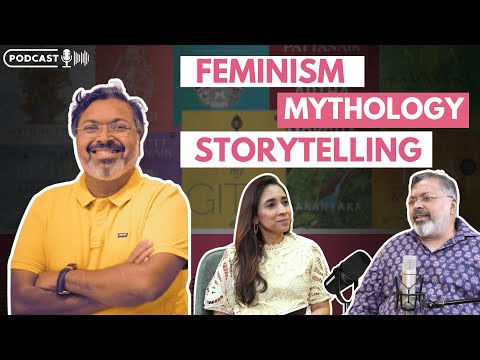
0:00 was it difficult being a man to write stories about women because you don't know the pain for parenting tips celebrity interviews recipes conversations with experts DIYs and lots more subscribe to kidstop press now hello everyone and welcome to an interesting episode of the kids stop press podcast today we're in conversation with one of my personal favorite authors one who has broke in
0:30 the Dynamics of children's literature and is leading a mission to make mythology relevant and make us start thinking then start just embracing and which is something I absolutely love about him two of his children's book which books which have taught me more than I think they've taught my children is the boys who fought and the girl who chose I had never I am the child who sat every Sunday in front of the TV watching the ramayan and the Mahabharata not
0:58 understanding not questioning just absorbing it like a story which is how it should be in childhood but never question I was never taught to question that Norm which I did at the age of 35 and I read those two books with my kids so D PN thank you thank you for being here why did you decide to write a book that that is got a a you know a picture that is so weak with stories that are so
1:26 powerful so savitri is the name of my mother hm I read yeah so for me savitri and my father uh you know and so the feminine influence in my life was my uh F uh you know my mother and my father and I saw their relationship and we grew up in a family where we didn't think of patriarchy or feminism we just saw a loving couple struggling with life raising three kids but then when my sisters got married I realized what is
1:58 patriarchy it was a shock when I saw men not giving access to bank accounts to their wives that never happened my mother controlled all the finances in our house she took all the decisions in our house my father just trusted her decision me they sort of were great Partners um my father wouldn't move like he just it was a wonderful we just assumed all men and women have this kind of life and it was quite a shock it was
2:26 I think the biggest trauma for us was to realize that people are not like that the world is not like that and I think our childhood came to an end when my sisters got married because everything look different and we were dealing with different kinds of people and I was very young then I'm much younger than my sisters so I was at a formative age and I'm seeing this different worlds and my parents are also not able to understand
2:50 they're like because that's shouldn't men and women love each other and have create a family and we seeing these very strange people the world out there we lived in we were my father migrated to Mumbai lived in Mumbai so I don't think we were connected with a larger extended AIA family from and we were I think they got married and my mother was conservative in that way that no today I would like raise my eyebrows on that but in those days I just thought
3:17 that is the way you do things and I'm like oh my God you should be have a happy marriage rather than a um proper cast marriage you know what I mean so these ideas of feminism patriarchy entered my life so this is a story which has been about like say can say 40 years in the making because when I read the mythology I saw very different kinds of women um and what I was being seeing on
3:41 television because that's the time when ramayan Mah we all grew up around that time right exp and I had started reading and I'm like there's a dissonance between what I'm seeing on television and what I'm reading and what amarra Kata is telling me what Chanda m is telling me what the uh and I started reading academic books and I'm like wait a minute there's something not connecting the dots and over the years have been asking this question how do
4:06 Hindus portray their women um you know there's no story of Pandora's Box that's from the Greek mythology yes you actually create a woman to create misery on human world that's the Greek idea and from those Greek people come Greek philosophers who were raised telling their women create problems they the source of all problems or the Bible which talks about Eve uh the temptation and the cause and God very clearly says women are positioned lower than women than men these stories
4:36 don't exist in Hinduism they don't but everybody just kept saying it's patriarchal patriarchal and I'm like it's not very clear this is very ambiguous they're not positioning women and the stories which are positioning women as inferior are legal texts they're not the stories these are manusmriti which is a legal text which is now I know written much much later and these are men deciding how Society should function and obviously they going to privilege themselves but they also
5:05 talk about women's property rights if you read B there are property rights who controls the property when a woman gets married all these questions are discussed and I realized that people have a very uh two-dimensional view of Womanhood in India and I thought one day I will write this book you know I would see people Brewing you and it was brewing and many many stories so I had to simplify it this is a very simplified version of a very complex idea Tamil
5:31 stories people don't know folk tales have not covered there's so many I've covered a few folk tales but we only talk about Elite women we only talk about Brahman women chhatria women uh what about a weaver what about a Potter what about a fisher woman uh what about a hunter what about a Trader so these are stories that I wanted to so i' brought some of them just so that the young person who reads my book and
5:56 mostly I assume that younger generation will read the book would get exposed that Womanhood is not what is shown on television not the SAS bahoo serials not sanj Lia bansal's hiri or you know where you keep wondering is it a wedding scene or a brothel yeah they the same confused yeah the brides look exactly like it's they dress the same way they talk the same way they're all living for men yeah they don't seem to be living for themselves
6:25 yeah and I said but the stories which I was reading was very different there were women philosophy ERS there were women Traders there were women fighting wanting their own husbands um Society was different there's no monogamy there's polygamy there are all and I thought women should know the stories people should not just women everybody should know these stories yeah but it's strange that it may sound and and I'm going to you know this this part that
6:51 you that you've written uh very beautifully and and this is right at the start of the book and I love it because it made me think it made me question and I'm going to read it out um tradition is patriarchy feminism is modernity in postmodern mythology powerful person privileged heterosexual the oppressor a patron of patriarchy is there a way to look at traditional law with modern or postmodern lens of judgment presupposing the world to be full of oppressors or
7:23 the oppressed is it possible to find ideas unique to India that are often airbrushed when Scholars homogenize Universe universalize the world of patriarchy exercise not be seen as being defensive or about the Indian culture can both men and women be simply seen as hungry and frightened coping with the world with life unable to shed the burden of privilege or culture you have really forced me to think when you right at the start because it got me to say
7:54 that I have I have never been conditioned or made to ask these sort of sort of questions right and when you say that all of these stories that you mentioned um somewhere I felt that we were so Progressive in each of these stories but that doesn't seem to have trickled down to to a large part of life today like most of the women in these stories they could choose their own men but today that's a taboo they could make the they
8:24 were you know they were in leadership roles but today we're struggling to make uh seats at the table right how did it not trickle down where did it get lost in transit so um I think it's something to do with colonization industrialization how the world functions and traditionally uh you know in most societies men went out of the house and women stayed in the house not because women were bound to the house but because uh once you have to raise
8:56 children and remember we're talking of times of high Eternal mortality rate high infant mortality rate so the F children are important and unfortunately or fortunately a baby comes out of a woman's body and therefore her body becomes very important and therefore her movement is restricted especially the more privileged you are uh the more restricted it is because I want the property to go to my son so all the burden comes on so once you have um you
9:24 know property becoming more and more important women start losing less and their power so it's it's related to property really how much you value property and if you look at our spiritual Traditions they make fun of property they say that if your identity comes from your property you're living a less lesser life right so when I reach my rich friends and I have you know tons and tons of Bombay you live in very good circles and I'm like if I look at you
9:51 because you're rich that's such a sad thing I want to talk to you I don't want to talk to your wallet I don't want to talk to your gender I want to talk to you I don't want to talk to you because you God gave you a wom I mean is that the reason I'm talking to I'm talking to a person and these are dialogues which are there in the Mahabharata where suha tells janaka that talk to me don't talk
10:14 to my body why are you seeing my body I mean yeah I have a body but we are talking intellectuals and imagine she's telling this to janak janak is considered the wisest and his the Kingdom's name is vid Beyond the body so she's actually it's a kind of a satire she's saying but the thing is I we feel we read history history is written by historians and historians bring their own Prejudice into it politicians bring their own
10:43 Prejudice into it filmmakers bring their own and the current for the last 100 years we have assumed things about cultures so modern those who call themselves modern feminists they say the tradition was bad everything in the past was bad that's one group of people there's another group of people will say that anybody who's rich and privileged is bad that's postmodern people and then I realize that especially European and American universities see the world as combat and they're constantly fighting
11:13 someone so the left wing is fighting the right wing you know um politicians love fight right because then you become a Victor and everybody loves winning and um and it's sort of we have gamified our life we have gamified our culture and we start looking when people talk about Raman they look at the battle scene and say the battle scene is one part of the story there is so much more happening in the r Mahabharat war I said
11:41 the war ends in the 12th chapter there are six chapters after the war but when when the TV serial showed Mahabharata they ended with the war they didn't show the remaining six chapters and of course they'll say no we didn't get money for it funding for it I said no you were dishonest you wanted to show the Triumph of the pandas are good and the you were La you don't because you want your audience and you want to everything into
12:07 an IPL match where there's a winner and a loser you want everything to be Cricket It's a lazy um way of thinking and I don't want to be lazy I don't want my readers to be lazy I don't ride for lazy people I ride for people who are alert and want to have a good life and be happy with their whether they're men women gay straight doesn't matter children I wonder to be recognized that do not get fooled by what a Storyteller
12:33 is telling you so more than the story I focus on the Storyteller yeah I don't say it explicitly but the Storyteller is has got his own agenda I have also my own agenda and my agenda is the Life is Beautiful Life is wonderful and in the Sati savitri book gender is you are a soul wrapped in a gendered body and the soul is more important and I want to talk to that soul with the gendered body yes there is a gendered
13:00 body I cannot deny the fact that I have a male body or I have a body which doesn't have six-pack abs and I have a short body I wish I was tall like a Scandinavian I don't have it but I have to live with that body but I'm the Soul at the end of the day yeah and you are a soul at the end of the day and we're having a conversation yeah and I would like to have that conversation to be
13:19 rich and my reader or my listener in this case is a soul with a gendered body maybe a privileged body may not be a privileged body doesn't matter talk to that Soul because then your life will be wonderful then the life will be fabulous and that's every book of mine strives to do that right you know I I I don't know if I read in the book or in one of your interviews where somebody asked you that
13:42 was it difficult being a man to write stories about women because you don't know the pain and you don't carry the womb we carry yeah so was it with the pregnant King when I was writing there was when I was trying to describe labor and men more than labor it was menstration I wanted to talk about menstration and I SKT went to my sister and said what happens to your body and she was like how can you
14:09 talk to me like that you don't talk like that and I'm a doctor so I'm familiar with the IDE everything Theory but not the experience and then I realize oh how different it is when you occupy a different body because but even then it's comp all women don't menstruate exactly the same way some have Painful some don't have pain and I said you can't make Universal sentences even a woman can't say that some will have difficult pregnancies some have easy
14:36 pregnancies some can be deliver baby at home without any effort some have to go through you know all kinds of hormonal medical processes so it's come our bodies are a different world we inhabit and my body is different from your body all men's bodies are not the same yeah and then you realize how lonely our lives are each one of us and when you start wrri writing these stories you realize and I wanted to bring that
15:01 loneliness of the pregnant man because he doesn't even have someone to talk to yeah so that was when I wrote the book and that's I think that's uh one of the early books where gender became an important part of my conversation you know uh when people talk about uh mythology you have to talk about we don't talk much about gender it's like hero yeah heroine villain and when I say hero and heroine there's instantly there's a visual coming in my mind mind
15:29 villain um victim something is coming but stories that's Greek way of Storytelling Indian story telling is R emotions sentiment so experience what is Rah going through when he discovers his wife is abducted what does it mean and when you read the various poetry it's about Rah weeping like a baby and he curses plants and animals and there lots of folk tales about different plants and
16:01 animals he goes and asks have you seen satha have you seen satha some answer some don't some make fun of him and each time he reacts differently now these stories are not told that's not what the TV serials are going to show because you want to show Ram as some Warrior god with six-pack abs holding weapons in the hand you don't want to show a man who's weeping where's my wife has she abandoned me has she left me because he
16:20 doesn't know raan has abducted her so what is he going through has she got tired of me because I brought her into the jungle and the dialogues are there where he say you know she's a princess she married into a royal family now we in the middle of the forest and she's foraging for food maybe she got tired of me maybe she so the self-doubt now these are stories which are there but why don't we tell our children those stories
16:43 yeah that people feel so because that's never been portrayed traditionally no that's also because the Storyteller has an agenda yes and the Storyteller wants you to say that you know men don't feel men are not supposed to feel pain men are not supposed to feel heartbreak so the story of sitha is as much about rah's heartbreak and longing and loss and if you look at Raman carefully it's a story who of a man who is const never
17:10 allowed to be with his wife yeah it's the story K is saying you know you go to the forest then ran abducts her and then the people gossip about and they're never allowed to stay together it's a relationship of and now it becomes a love story of people trying to come together and Society is pulling them apart it's not the r of the politician it's a different Ram why is the politician Ram more important than a Lover's Ram a beloved's ram a
17:41 husband wife story struggling with difficult issues politics their royal families they're political they're dealing with difficult people um so there are other women in the story The sanaka there's mandodari so when I'm writing a Sati savitri I want to talk about the women they meet in the forest the women she meets in the the choices she makes her agency and you know many years ago I was dealing with the TV channel and you know the we had a
18:10 workshop and the women said we love daadi so I said why do you like daadi and they said oh she's so dramatic you know the hair Kul you know she asked for the blood so I asked one question so I said um whose children become king H dradis or sitas and then they thought they said D's children died I said yes and saa's children said they became Kings so she said who's the smart woman who got her
18:40 way and then the room went quiet I said can you just start looking at life differently because she they one woman had five sons and for her revenge she ended up killing the five one woman was kicked out of the house brutally but her children came and took the jaad but D she had to sacrifice for it she didn't have she was kicked out she had no choice yeah but I'm saying she had her sons right and she chose for
19:12 them to I mean even at the end if you look at the victory was that her sons became king but she didn't have anything so you are talking of women again being Marty think about it um if you live in the palace you have to follow all the palace rules yeah you have to deal with all those sat I want to say that she was finally liberated liberated in the jungle she could do whatever she wanted
19:33 she was like and she just went to some Underground club which which is what we call a girl trip now so she went out you know and she just went into the underground you know she went like into some nag Lo or something I just feel that the tolerance that was shown against sorry I'm interrupting no no no I'm just saying that it's how we tell the story but you're looking at a very bright side I
19:56 always want to look at the bright side agree but I am saying that I am a woman who wants to have my kids have the kingdom and want to live in the palace and want and want every all is not like that right that's what the story is telling you the life you don't choose your life you choose things and things you know mess happens um daadi you know marries a rich family I mean actually she doesn't marry a rich
20:23 man she marries a poor Brahman who turns out to say that okay now you have to marry all my brothers and then they all turn out to be pandas so she married a poor Brahman who was very Gooden uh archery she didn't expect suddenly from one poor she thought I'm going to live in a poor family all my life suddenly she said oh I'm going to have five husbands now they turn out to be Kings and the story just changes and you know
20:50 see a roller coaster ride happening and um she wants certain things and they give her certain things that has consequences so we are all living lives with limitations we all nobody in this world has no limitations the way we are told to we are imag we told constantly you are a victim M like I always tell people I go to the richest households I hear people telling me we are victims you go to the poorest households we are
21:17 victims so I said victim operating system it's an operating system we have downloaded this operating system through our schools our education our entertainment all this is putting in our head this very miserable understanding of the world and the stories really are not telling you that the stories are like when Buddha story is about life is suffering I mean he begins the story but life is suffering then give up everything then how how do we live our lives and RAM and
21:50 mahab saying no no no life is not suffering life is going through these experiences you have to go through bad people good people horrible people nice people and the story your one of the factors is gender yeah then there is wealth there is power there is knowledge you have to deal with so many things with their lives so gender is one part one part uh you know it's we give it you know when you talk to feminist they will say
22:16 that's the most important part you talk to a Marxist you'll say money is the most important part you talk to politicians say power is the most important part everything is important correct you know looks you can be male but physically ugly you could be male and born in a poor family it's not the same thing yeah right so Society doesn't privilege all men Society doesn't privilege all women you know daadi rejects Kar because he's from a lower
22:41 cast so all men are not the same um so there are these which is what I want to draw attention what about the harapan women you know in harapan societies uh how are they different do you know the stories of the harapan women nobody tells us that yeah nobody talks about haraan women and the fact that um you know they were they invented the bangal yeah Bangals came to India from harappa nowhere else in the world you find
23:05 Bangals you find them in haraa who invented them why would men invent them no they are not interested they were Merchants they were traveling all over the place the women who invented them so for me that's interesting look at the old harapan statue of the girl the way she's standing or all those bed women they are all bed women and there is no indicator that they were married there is no proof that they were married we
23:27 assuming they were married there is no data we have no information whether it was a Mercantile Society matriarchal society patriarchal we don't know anything all we suspect is there is the images where women are fighting tigers she's a half tiger she's standing in the middle of a tree woried by men and there is one woman stopping two men from fighting right these are the only images of women I have and there lots of images of belled
23:55 women now is she oppressed is she the oppressor who is she we don't know but can I imagine can I sit with my daughter and son and imagine let's imagine what these girls were doing there are no weapons in haraa so they were obviously not warriors uh they built cities who built those bricks why do we assume men made the bricks wom could have made the bricks anybody can make a brick it's not a big deal uh but we have been
24:19 conditioned to think men do it and that's how we talk to children we have to we have to tell children to imagine things differently don't accept the story that has been told to you by the Storyteller who has an agenda right you know every Storyteller has an agenda you see the story hear it and say okay this makes sense this doesn't make sense and then now create your own story for me when satha is sent to the forest
24:44 everybody you know I'll give you an example in marati git ramayan when marati git ramayan was written about 50 years ago when all India radio and it's a beautiful you should read it as beautiful songs and consider a masterpiece in literature and music when you read Rah talking when he's kicked out of the palace by and everybody's cursing k k he gives this very big philosophical speech that you know life is nobody's bad nobody's good everything is
25:10 wonderful and you have to accept life for what it is it has a lot of challenges but don't hate people now this is Ram's poetry at the beginning in the end when sitha is kicked out she says hi why is she not saying the same dialogue as RAM she could have also said there's no good people there are not bad people this is life there are Faith she could be philosophical but the story The Poet has decided men are philosophers not
25:38 women she's janak's daughter she's the daughter of the greatest philosopher in India yeah so she came from a family where Dash produces four Sons she's an adopted child by a king who has four daughters so four Sons four daughters is valmiki trying to communicate something that the kingdom of VI has four princesses gender doesn't matter V de the de doesn't matter while Dash's world is where Sons matter is it a commentary
26:08 on a patriarchal and a far more egalitarian family can I look at it like way why is a 20th century poet writing as a women because in his view that's how he sees his mother that's how he sees his sister he is not even imagining an alternative because there is a performance for women women supposed to not be philosoph she can't say that oh life is tough people are stupid we have to deal with difficult things she could
26:36 have sung a song like that but no she sings Ram abandoned me but that's why she's always playing the victim card she's always the one who which which I wanted to share that I thought that she was always someone who has to constantly prove herself satha had to prove herself then when we're talking about the other two um other two people that I mentioned which is you know vinda or anusia where her husband came back because he thought
26:59 he was incompetent she left the the the kingdom for him she went with him to the uh you know to the forest and when she came back and he was a cook in the things she to again prove that yes it is my love for you and that is why the way you look did not matter why are we as women constantly proving ourselves back then proving ourselves back even today so so the women are not saying anything
27:23 it's the Storyteller who has decided the women should look like that when can we start taking control of our Nar your own stories and but if you will repeat the same template it's quite possible because a woman a book becomes a hit when you show women in a sad situation you show powerful women the book won't be a hit every filmmaker in India knows that show the woman miserable and audien will love it make her cry and show a man
27:49 saving her and the ratings will go up and your story perpetuates you keep giving the audience what they want want because they're used to that same Ka and therefore you want your Bahu to behave in a particular way you want your daughters to behave in a particular way you stop they say that we are reimagining the world but you're not reimagining your own life because look at damanti Story look at the way you saw it and the way I saw it I saw a woman
28:16 who's very beautiful a man who's very handsome that's the story they get married and very bad things happen he loses his self-confidence and she pulls him out of it she's not following him and just she's taking charge his agency she says he says he runs away from her saying that you marry someone else I'm not good enough for you he's lost hisself it's the first case of depression by the way in Mahabharat the first case of a man
28:42 going through depression that is shown it is documented NTI story is a story of a man going through depression now as a wife she could have just remarried another man in fact where he was working as a cook that King wanted to marry everybody want to marry her remember this is society where women were allowed to REM marry yeah so she could have easily remarried someone saying there's a loser I'll marry someone else but she says I love him and I want him to come
29:07 out of this depression and she finds him so here is a woman who finds a husband she could easily have divorced him she chose not to divorce now is that weakness of course if you give it to a Bollywood film star and they'll turn it into kind of a victimhood because she says I just love him I like him he's a woman allowed to like a husband or love a husband or is she bound by her Mangal Sutra to do it
29:33 it depends on if Bollywood film writers see Mangal Sutra no that's a Bollywood because they themselves have bad marriages yeah you know when you have a good marriage you realize Mangal sura doesn't matter it's a good marriage person will never care for M I'm just trying to trying to think about it because I I don't know where mine is sorry you know see when you start your relationship is based on a crutch like an object then it's obviously not a good
30:01 relationship I mean that's nice to have symbols and to go through ceremonies but a good marriage is not a huge wedding party right a good marriage is a relationship between the man and woman in the privacy and are they friends are they partners you can have the most expensive wedding in the world but that doesn't make a good marriage yeah anybody with half a brain knows it how difficult marriage is every day is work every minute is work and it is not
30:28 because you know somebody spends a million dollars on the wedding do you think women through the stories and this is this what I think are far more tenacious far resilient sometimes to make it work to make things happen see the um it one could say it's a gendered thing or not with we do feel I mean that's it's an argument that some people don't like but I think the genders give V certain
30:58 emotions over others so if there is a particular ten tenacity is usually seen in the female gender the man gives up easily and the tenaciousness is difficult to cling on to be what is in marati called a gorard to be the CLA person who holds on so that's why you have a partnership a marriage is a partnership because you bring two different energies into the room if one has a particular energy you better have a compliment energy yeah you don't have
31:28 to have the same energy and uh you know that is important so that compliment nature of a relationship is important uh and that is I think what NAD mayanti is showing like Sati Sait the word Sati is a good wife yeah who compliments and in fact Mahabharata there's this whole story of Sati savitri Sati damayanti is told to yudish by being told that you know what your success depends on who you marry it all depends on who you marry
31:58 if you don't have the right wife and that's what daadi is most important because she protected you from being Dr because you were a gambling addict she's the one who's going to save you she's the one going to save you so they're very clear in their storytelling that without a wife you want now that's what the riches are telling that and they in the forest all the Richies have wives who are very powerful and it's not that
32:22 they're saying that it's a partnership if I don't get the right wife I will not be able to do my y I need a right wife and the wives are told if I don't get the right husband I won't be able to live the kind of life I want partnership partnership is important and if you get a wrong partnership how do you compensate how do you figure out a way so when you read the Kamas sura it talks
32:42 the same thing how do you deal with incompatibility in your relationship so Kamasutra is completely that it's all about because we don't choose our partners right sometimes for various reasons we marry and especially royal families political decisions alliances how do you live how does anasuya live with atre how does LAM mudra who is a princess marries austoni who is not a good-looking man but he's a priest and she says okay fine I'll give you you have married me only because you want
33:09 babies you don't want to marry me okay cool she'll negotiates she says give me a home which is worthy of your mother's children and now he has to go and work and he has to find jobs he has to make money she's she say you want babies right I'll give you the babies but give me a home which which is worthy of your mother's of your children's Mother so see she's NE or when you read M
33:34 Mahabharat satati negotiates what she wants from shantanu ganga negotiates you want to marry me Give Me Freedom after marriage what is the freedom she kills babies she actually she's is should abortion she's saying I don't want to have babies will you allow me to live my life and he says yes he agrees to give her Freedom after marriage but she decides to kill the babies and then he's like oh that's a bit much I can't handle
34:01 that and she said then I don't want to be with you and she walks away that's the first chapter of the Mahabharat but nobody it's there in the television serial but I've not seen people talking about it what does ganga embody they sayi that's why she's allowed to do it and therefore it's very cleverly told that it's not meant for normal women but we are all goddesses right we all told in our pujas we are told a woman is a goddess tell me why
34:24 has that negotiation and then today when we see women are not great negotiators it's because that's a story the Storyteller is telling us he's convincing us he's giving us the drugs we are all being drugged by our storytellers to uh you know it's uh it's what people do in parties right they give girls alcohol so that the girl becomes accessible and that's what Storyteller does it tells you if the story doesn't Empower you then it's I'm
34:57 writing mythology I'm telling you what the ancestors are telling you and I don't look at one story therefore I look at multiple stories because one story can be like okay point of view correct and I can but when I'm looking at multiple stories I'm seeing patterns why is there no Pandora why is there no Eve there is no Lupa mudra in the Bible there is no anasuya in the Bible there's no ganga in the Bible there's no satati
35:21 in the Bible I don't see these stories in Greek mythology I don't see this in Western Traditions right Arthur's Camelot does not have these women but they are not told you know they are not told globally we just the painted brush you see Japanese stories Chinese stories you don't find these kind of women you don't find these women uh coming out of the earth and you don't have minakshi riding up to the north and selecting a husband
35:48 you don't have Ari and Amazon Women you don't have these stories you don't have stories of uh women with five husbands you don't have these stories they're there only in South Asia they're the Buddhist stories if you read the Buddhist jataka stories everybody tells what jataka is are children's stories there are about 10% of stories about women having all kinds of sexual activities yeah it's scary it's like basically they're telling the monks that oh women have great sexual appetite
36:17 that's why run away from them yeah imagine a story told like that where women have are seen as sexual aggressive and men should protect themselves from aggressive women that actually that don't walk uncovering your chest because women will attack you it sounds do you realize there's a actually lines in the Via Paka which tells the male monk because the women will find you
36:48 attractive and they will come after you that's a very different way of this is I'm not making it up this is the vaka there are J konal jataka is full of women the king is walking one day comes and sees his Queen seducing a Rishi and says oh that's the way women are he's not getting angry he's like oh women are like that only or you have a story of a father-in-law walking in and seeing his
37:16 daughter-in-law with another man he gets angry with the man not with the daughter-in-law and he kills the man saying that why are you violating her he's not telling and there is no condemnation of the doctorin law but today's Bollywood feminist producer has just flipped it over yes because they will and if I show the story I worked with them they will say so I saw the manipulations that were happening this is how manipulation
37:47 happens and I'm talking about women directors in positions of power telling me that a feminist story won't work and then going on interviews and saying that you know women empowerment I said you were in a position of power so don't say oh I'm part of the system yeah but you know these stories exist and I'm not saying that other stories don't exist but I'm giving Alternatives right but tell me when we are looking at has somewhere the tolerance or the
38:17 Forgiveness then sitha made a mistake she was still up there she was allowed to make mistakes versus when women make make mistakes today right or the choice of you could have a child with this one this one this one the river the you know anybody versus today when we're talking of different ways of having children different mediums of having children we are always and I hate to say this I know I've got my answer we're not supposed to
38:47 play victim card but why does society make make it less forgiving for us why did that trick why did that not control how do you control your child male or female when they make a mistake you get angry think about it as a parent how do PE parents deal with their children what happens when the child makes a mistake how do they deal with a situation when the child makes the mistake don't think gender just think how do you deal with
39:15 it because what is a diff what is a mistake it's an opportunity to learn what doesn't work that's all it is but because you want life to be in a particular way you torment people and torture people to get them to behave in a particular way that's what how we train dogs right you train a dog by reward and Punishment constantly and we start thinking of our children as animals to be domesticated and when somebody there's
39:45 no mistake in this world there are just choices which work out which don't work out and you know you you want to have a sexual activity so for example CTI chooses she's given a boon and she choose something she becomes pregnant and she's like oh what do I do with it now she doesn't know what to do with this child and so she says I don't want my reputation to get stained and she abandons the child now is that a good
40:09 thing or a bad thing now I remember my friend telling me the story that he she was telling the story to her nephew and she said you know accidentally the baby was abandoned to the river on the basket and the child looked at you know my friend's nephew told her that why are you telling me a lie I know she willingly gave up the child child the child had no problem listening to the idea so it's it's a
40:31 great opportunity to ask that why was she guilty why do you think did she do right wrong what do you think what do you feel yeah and then the child will emerge there is no right and wrong as such in these stories you know at the end of the day daadi is sent to naraka and if you see the reason given for her to be narak when when yudish goes to narak and he sees Dr he says
40:53 what did she do wrong she was such a nice wife says he she favored over others as a wife of five men she should have been given 20% love to each one but she had a favorite and therefore she's a Nar think of this concept if you have five husbands you have to give them 20% chance I mean which 21st century woman can think of this idea which is there in the Mahabharat written 18800 years ago
41:21 but why is it not highlighted I see feminist writers writing on Dadi they never talk about her sex life yeah because they're embarrassed themselves because how woman with five you see because men become competitive right and all the brothers would start competing with each other as who does she prefer who is the better lover Whose desire does she who touch does she long for now those are great stories right so I always check ask people so tell me about
41:50 it and then they'll just go quiet I said because you have to think right and that's scary because we have being conditioned you don't find it's a problem when I talk about krishna's eight wives yeah you're perfectly fine imagining with him eight wives but the moment I said daadi has five husbands it discomforts you that's conditioning right you're conditioned and it's not the way the world is your ancestors told you both the stories you chose not to listen to
42:17 them carefully explore them build on them these are your ancestors Vasa is my ancestor and your ancestors valmiki is my ancestor and your ancestor they wrote these stories we both inherited it but read them everybody said I remember when I give an awkward sentence some troll will say original origal because it will scare you so much if I show you paragraphs from the r that somebody told me there's no original I said shall I read paragraph number this
42:47 this this and he knew what the paragraph Was he said don't I said no let's Google it let's Google it and I was in a classroom and I got it flashed in front of everyone and I gave three transl I said I don't know Sanskrit let's do three translations between them how much difference is there between these three translations and the girls were shocked at the conversation between indrani and Indra and viapi and they were like what is this we
43:12 can't believe this is there I said what does it mean I said I don't know what it means this was written 3 and a half thousand years ago but it was written somebody wrote it now you discuss figure it out and the gentleman who asked the question was like regretting it because I was like like be careful our ancestors were wiser they did not have your prejudices yeah grow up don't think Bollywood producers and directors are
43:36 wise or Delhi politicians are wise they are all greedy hungry like you and me yeah and they're scrounging for power and storytellers are also doing that yeah but you know maybe I have the privilege of telling you the story which nobody's else is telling you that's why this the feminist stories that they don't tell you because I know these stories are not told to people I feel so sad when I see boys and girls who don't
44:01 know these beautiful stories that will make them proud Indians if you want to be a proud indan just happy person just be happy right you know I don't want to say like some committed suicide I said how did you come to the conclusion yeah and she said no because you know she went under the Earth so she must have I said no she went to a nightclub I said why is your imagination better than mine your imagination makes
44:25 you feel miserable my imagination makes cool cuz my sisters never went to nightclubs they would have been shocked but I remember when I took my sisters once to a nightclub I said come let's have beer they didn't have it but they were so happy because it meant that I was not judging them yeah they didn't want to have the beer and whatever conditioning was there I had no problems but the fact that they had a brother who
44:45 said have a beer yeah have an affair how can you say such a thing because I can say such a thing I mean good bad I don't know it has consequences I want to know what happened after when you took home it was this funny thing because their mind told them that not everybody in the world needs to judge them they don't live in a world of judgment don't get trapped in this world there are alternate worlds out there and hopefully
45:11 your partners and therefore they raised children who were more open right so I see how my mother sisters talk to my nephews you know they want to have Liv in relationships I'm like are you sure of the consequence are you ready are you willing to take the responsibility because it's a a girl in our society whether we like it or not a girls choices are different from boys choices I said have this conversation with the girl and then you
45:36 know that's the generation shift that happens and when they're talking to their you know prospective daughters-in-law may not be a daughter-in-law it's a different conversation they're having and I think that's important that you know we love you anyway whatever decisions you take be careful of these choices because you know we don't live in a society that is sometimes kind maybe Bombay gives you privilege of many more privileges than say a bopal world or a gaziabad w so
46:08 careful with these choices and and I think that helps uh that's what generation shift is about ultimately emotionally Are we more open Are we more comfortable I don't like stories like that's why iot the feminist stories we don't tell you for me it's not about women are weak or women are strong it's about looking at women as people yeah for me that's feminism and you've also spoken about how they're empowering they are uh making decisions where
46:38 you've written um they also point out flaws they also tell you where you're making mistakes or they also um I think was it with um was it the story with Indra where she says um um that he that he that she actually points out the flaws that this is the mistake that you're making and we're not only playing a bystanders role where where we're just saying we're just equals in frame we're actually see it's
47:09 about discovering that we both going through life and we both are working um see when any partnership or any friendship or anything we all make mistakes so it's looking at a woman it's not like one is ordering the other is following which is how the Western narratives are one in fronts behind it is about when you make mistake I'm there when I make mistake you are there and that's what creates partnership the word for it is dya DH is the
47:41 home so they looked at male female relationship in the concept of home but they also talked about people who were single and they also talked about cortis yeah so women who had many lovers and had no husbands they were allowed not to have husbands until 1857 this practice existed by the way in our country a whole bunch of women who were told you don't have to marry it's okay it's but it's cast thing also it's your cast so
48:08 uh these things that a woman is not seen in a single mold is I think the key message there's a multiple ways of looking at it um and I think that's what I want to draw attention that's why I've spoken about women's desires even women's negotiating skills so there's chapter on she likes men so she Usha the Asura woman kidnaps a guy yeah so how many stories have you seen a woman going and kidnapping a guy and then the father
48:37 finding them and throwing them in jail and then Krishna coming to liberate them and saying love is more important that's the story's message that you know it's love is more important and a woman kidnaps a boy so you have a woman's desire being discussed you have women negotiating for power you have SAA and daadi being compared so you the idea is to break this what is mythology because you know uh you see uh in the Bollywood version of feminism if
49:06 a woman holds a sword in her hand or a gun in her hand she's feminist yeah right and after she get she fights for herself or for her rights she's a she fights only before marriage so you'll always have all these shows where the queen will have a sword in her hand and after she gets married she gives up the sword yeah because you know man or she gets it back when she becomes a grandmother mother then she's protect so
49:25 it's like this role she's a mother hen who's taking care of chicks but it's swords don't make you a feminist you know you because you're still following what the man's gaze you do what you do you I think the Gen Z comes up with these lovely lines you do you I do me and I think girls are this book is about the girls saying you do you and I think that's important Sati is like telling her father I do me you do
49:53 you I'll marry the man I want if he's going to die in one year's time Co I'll manage it so she's not even afraid of death yeah you know everybody else is afraid of death but she's not afraid of death she gets a husband and she has a she has resilience and she's also okay with bearing the consequences of her choices her choices because she can always say oh he's going to die in one year I want to Mar or satha is taking a
50:15 at no point does satha look at raan and say you're a bad guy she's just disappointed with him that you're such an intelligent educated man why are you don't you understand consent yeah true like everybody I remember this young man telling me but I think raan was a great guy I said why he's educated and he shiv B I said but he doesn't understand consent but then he couldn't understand it I said because you don't understand
50:40 consent that you don't understand that valmiki ramayan is about consent yeah 2,000 years ago there's an epic which talks about consent suraka comes to Rah and Rah does not give her consent yeah but he she persists ra SAA doesn't give consent but ran so this brother sister ran and shanaka don't understand consent true so you can't say that you know I'll glamorize oh surpanakha is a feminist no she's not she doesn't understand consent and ran
51:12 is definitely not a sh B because he's what Vic knowledge does he have and he doesn't understand consent but it's also about his ego when ego precedes see once ego comes in consent doesn't then it's my way or the highway what is consent consent is respecting the person in front of you Rah is asking that I'm not interested I don't give consent right that violation is not correct he's also saying no sitha is also saying no so
51:39 it's really gender neutral if you look at it ramayan is gender neutral in matters of consent it's not saying so when we talk of me too movement it is gender neutral yeah anybody in a position of power can abuse their power and I think that movement was important because I I would you know in my office we say see it's about power we should be very aware that in a position of power you can be attracted to a you know
52:03 someone but it's you are in a position of power they don't it's not an equal thing yeah so then it's makes you think about consent about power Raman makes you think about but you see who tell tell me one of those I'm sorry I make fun of Bollywood producers but I mean generally or one of those people who are giving those satsung and giving those long lectures on RAM they never talk about consent they only talk biti biy
52:28 biti biy I like that's one Masala yeah there are 20 masalas in the room but then my friends said the 19 masalas we'll get from D's books so but I have to ask you this uh coming back davat any stories from Sati savitri which you feel from a mother's point of view who continuously goes through that guilt of not being good enough not doing enough feeling guilty about about her pleasure her Joys her progress and de prioritizing
53:02 the child we're constantly made to feel that so any stories from there which kind of puts her in the for the upas don't care for their babies they just abandon them in the forest floor and walk away yeah so let's take the famous story of shakuntala youve heard the story of Mana seducing vishwamitra and we're like it is all about the men oh vishwamitra got seduced what we forget is after the baby is born man doesn't
53:26 take care of the child she just leaves the child on the forest floor to be pecked by the shakun birds that's why it's called shakun tala so the birds come to eat the baby of course the poet kalidas will say they were Sheltering her from the heat they were basically vultur coming to eat the baby and then can a man finds the abandoned baby and chooses to raise her as his daughter do you see how modern the story
53:52 is yes it's a woman who seduces a man throws the baby away and goes away the man refuses to take care of the baby he also goes away and a third man walks into the room or sorry the second man walks into the room sees this poor girl on the forest floor and raises his zone so now it's subverting everything right a woman who doesn't care for her daughter a man who takes care of a child
54:19 who is not of his own body so maternal instincts are coming not in a man not in a woman but a man this is a popular story shakuntala Manaka story is known to all of us but we don't tell the story this way but the story is there in the Mahabharata Mana walks away from her children shakuntala from her daughter look at the story when you read about kppa and kppi these are two characters in The
54:48 Mahabharata shantonu is walking in the forest when he finds two babies in the forest abandoned and and he says oh this must be the child of an absara and a Rishi because apsaras don't take care of their children so there's a whole category of women but they're not the most um rewarded or of course because they free how will you no man likes a free woman who says I don't really care for you and I don't care for the babies that are
55:19 produced because she doesn't care it's okay but these characters exist she's not the most respected then obviously we respect people who give up their freedom she'll become the India's most famous heroine ratings very high the moment she says you know very rarely will you have a character I think now there's a character called anupama right yeah who sort of my friend say she just goes around the world doing whatever she
55:49 wants to do that tells you a lot right in 20 years India has changed from uh you know everything about the snur she still gives the same dialogue but she having a lot of husbands I think uh I don't know whether she'll be called an absara but she's playing the game yeah and you play the system so uh the apsaras exist and every Temple has images of apsaras every Temple has images of apsaras obviously you think men who talk
56:18 about celibacy will like an upsera but then women want to conform some women want to conform because because you want to be respected so so in each of these stories we are you give up something in life you can't get everything you have to decide what you want in life do you want freedom or do you want submission everything has consequences satha didn't have to go to the forest but in the forest there are horrible people who can abduct you so we can say
56:45 that she went to the forest and therefore she made her life bad she was told not to go to the forest she could have lived in the palace and RAM would have come back after 14 years and all would be good she chose to go to the forest that comes at a price all choices come at a price if you want your child to take decisions you must teach them to take responsibility for all the things
57:05 that can go wrong right you want to be safe you'll be in a prison all your life very safe because in the prison you are protected and I see a lot of those that is anur as they said in this very famous film called that sit in the house you have gold jewelries to make nothing else to do but you're safe and respected and they do temples for you true or take a
57:37 risk right you know figure it out you can't get everything in life who gets everything in life Buddha has to walk away from his family to get niran right yeah he walks away he's willing to give up yashodara he's willing to give up rahula and we celebrate a man who walked away from his wife and child but disrespect the woman who walks away from her daughter and sons UPS on one side because she wants to have fun but he's going for something
58:05 Noble giving up his identity but we are also nurturers who will also worry about what we leave behind we're not thinking singularly about ourselves we just vired that way well not the absera yes but I'm saying who is this V it it is because you are not not everybody is is that UPS then yeah I know but you see when you want that freedom you have to re it's like going to the gym right it's horrible to go to
58:35 the gym nobody likes going to the gym in the same way your brain has to be rewired it's not going to be easy yeah if you think going to the gym and get developing a six-pack app like those you know models doing that it's a lot of hard work why does the brain have to be easy to take decisions to tell that I want to be single or I don't want to marry or I want to divorce or I want to
58:58 have multiple boyfriends while being married yeah all of them are difficult no decision in life is easy so we submit to the easiest of them which others have taken and follow the template yeah that's a choice I can always say that you know that's my body is like that only I'm wired that way I cannot and the gym instructor is looking at me and rolling his eyes and say okay fine you know what I love about you is that I can
59:25 read feminist stories while I'm teaching my kids about about the book the other one which of obviously the others that we've read but this one in my opinion shows which for everybody who's listening it's ABC Hinduism for kids and what makes it so beautiful is and the first thought that I had when I read about the Sindu Hindu and how you said drop the S it's like how can someone who's so well read so learned come down to
59:58 being barebones when he needs to explain it to a child how do you simplify it so much like I don't think I mean and I'm not obviously you but simplifying it to this level for children is beautiful thank you thank you so much that's a huge compliment um you see what happens is I believe if you understand something you should be able to explain it to a child right and it's difficult to talk to children
60:28 because you have to go to their level but you also want to raise them yes so you have to challenge them you are not going to give them something if you give them exactly what they want then you will give them stupid things because stupid things are always more attractive smart things are difficult as I said gym remember the gym all the time nobody likes to go to the gym but we have to go to the gym as we grow especially when we
60:48 grow older because we have to keep our body working you know we will always prefer food I'm thinking you are thinking very hard about the gym that is something that is happening you no because the ease with which I can spend writing is not the same I always wonder why I can't spend 45 minutes in a gym it's such a big struggle for me and that's a reminder of people who don't read books because what is a book A book
61:10 is a brain gym so children want to read books which don't challenge them and it's a parents responsibility like giving green vegetables to a child that you have to read and you have to read because only then your neural networks will develop up book nature travel exercise sport all these things will make our children smart but systematically the smartest people in the world and the richest people in the world are funding activities to make our
61:42 children dopamine addicts right and we are allowing it very casually without even realizing it when you're writing for children you're writing for the Next Generation when you read the Hindu scriptures they will say half your life is for yourself but the remaining half of your life is for others I don't have children but there are others there's a whole generation it's on my children it's just children there's another generation and I want them to know about
62:12 you know there's more to Hinduism than what a politician will say or what a Bollywood writer will say or what a guruji will say thank God you had it all three so I have to write it in this modern I illustrate I write so you know a for apple but what about a for Atma how do you explain Atma to a three-year-old child you know uh then you suddenly realize that in Hindi words there are no you know in Sanskrit
62:36 there's nothing which comes for example in zed z sound doesn't exist but then you put a zebu Bull and now you put a bull and a zebu and it's a humped Bull and then you realize that humped Bulls are only found in India and you know I try to tell children that oh this is biology this is chemistry how do you how is chemistry part of your life how is biology part of your life when you talk
63:00 about plants you talk about botony so I I realized that curiosity is what you have to get into children when you make a child curious they will start going towards books you it's not giving the books it is creating the Curiosity right so I have had children when I traveled they ask me sir uh I have read I said I don't know the answer let's find out together I said no how will I find out I said you
63:24 have a phone you have Wi-Fi and you don't know how to do search come let's see who finds it first so I gamify it and then suddenly they get excited because I'm like Buddhist once I went to nid about 10 years ago and had these people in Buddhist lectures I said get your phone get your iPads put the Wi-Fi on let's do and I kept telling them how to search because they didn't know how to search
63:47 so these kids who think they know I said no you don't know because if you can't answer the question you don't know the answer is there in it's there in the worldwide web and then I started challenging them and they started giving me the answers and at the end of it they were giving me lectures on Buddhism history of Buddhism but it's all it's all not firsthand information it's okay it's not a lived experience and which is
64:10 my concern and I I mean of course in in mythology it's not a lived experience how will you experience a disabled child's life no you will not but you can read about it yes that is why books exist yes to experience the lived experience of other people so I can empathize with a rape victim I don't have to go through the horror of it but I can empathize with it because I've read it I don't have a woman's body but
64:41 because I've read feminist literature I've read the women's writings so you're not worried that children today are living off lived experiences of others they have to live through that is the purpose of it but which lived experience are living how many how much how much are they being exposed to what are they being exposed to most of them are being exposed to Harry Potter that's not a lived experience that's a fantasy yeah yeah lived experience is to know about
65:10 nature plants animals do they know about uh people who live in Davi yeah do they know do they know have they traveled in a bus have they walked to the station have they crossed the road on their own without three Maids taking care of of them you know and I keep seeing these fragile children being raised by rich people and I'm like oh my God your children are going to grow fragile which means they will be eaten by Wolves when
65:36 you're not there you just you know the I always tell people in the old days the king had a child a prince or a princess and his staff would do everything in their power to pamper the prince and princess so they become weaker and weaker and weaker and the moment the King goes away the child has no want to take care of them you know this it's like this in the naab of L there's a urban legend when he was they came to
66:03 arrest him he did not leave the room because he had no one to tie the NADA of his pants at least that's the story which I've heard this is what we do to children in protecting them they don't even know how to tie the NADA of their pants and naab didn't know that his ancestors would have been Warriors from Northeast and killing people massacring people and their grandchild can't tie the NADA of his pants and that's what
66:26 happens in privileged families right and we don't allow children so I once met this very uh very a princess and I looked at the princess and I just asked her do you know to cook and she didn't I saw the flashing fire because there were three I could see what's going on in the head I'm a woman that's why he's asking to me about cooking second I'm a princess how dare he ask me I have cooks
66:47 and I said it's just a life skill and I think that's the first question you should ask the man who you're going to marry yeah and it dawned on her that I'm telling you more about I said it's about experience our books are about that how do I help a child understand Atma yeah if I don't give a book we lived experience a child of four year old 6y old but are we saying that the children
67:10 are going to follow suit and therefore the parent needs to be more aware about the ABCs than anything else because we are believing that we don't need this anymore yeah because we are 21st century because we're Progressive we don't need to go back we need to look forward you see all mythological stories talk about human insecurity and no technology in the world is going to take that away yeah so when you read an ABC of Hinduism
67:35 for kids or any mythological books these are stories about human insecurity right and coping with human insecurity you are insecure your child will be insecure your grandchild will be insecure it's not going to go away every newborn child comes crying because it's insecure you can't see the Kings or Merchant son is going to be born or daughter is going to be born who doesn't cry right no technology is going to create a child when the child is
68:02 emerging from the mother's womb it's just terrified the world has changed so Terror of life is there in every generation So Stories are required in every generation therefore for mythological books and we are Co helping our children so I would always tell do not teach your don't give food to your child teach your child how to cook the food right because then they are forever taken care of because they know how to manage the show savitri could manage
68:30 because she said I can manage death so they describe savitri as an educated Woman by the way she was so educated that men were afraid to marry her and she said I'll find my own husband and when she finds a husband they said that he's going to die and she said I'll manage that too so you see this is a story written 200 years ago I'm sure she read ABC Hinduism for kids because someone told her that you know
68:55 life is going to have full of challenges things that you like may not work out your way yeah and you have to figure out how to do it and I think when you write a book you know when I'm like for example when I when we designing the cover i g if I don't know if you see the cover uh you know there is this goddess over here called Zar Mari um now have you heard of Zar Mari zarari Temple yes
69:17 I'm so there's a bomb person talking a non bomb may not know and my Delhi editor said but I've never heard of Zar Maria great you should Now read it she said oh that's so true that's the purpose of a book to tell me things that I've never thought of before I said if I tell you the thing that you already know then what's the point of a book yeah so we I insisted that zarari be on top not
69:41 Hanuman because that's everybody knows Hanuman and everybody knows Ganesha but they said no no no we need to put the familiar I said put the familiar put the unfamiliar so the child starts to learn the unfamiliar right so ABC is it's about ABC is familiar but the words are not familiar yeah and that was very very important it's a very big challenge how do you explain like I put all kind of birds and animals I love to put all bird
70:06 I love animals and birds I love the illustrations yeah how much time do you spend on getting that illustration right that it's matching what you actually want to communicate so an illustration like this will take one minute I love doodling so they really Doodles I do I don't color them coloring is done by another person I'm not good at coloring so I take professionals help for that but the drawing is mine and I draw very fast usually uh all my
70:32 illustrations in my book are black and white and I have this thing about drawing them very fast and now with the iPad it's easier so I don't take a long time to draw um I mean I've been doing now for like 20 years of illustration so unless it's a very complex composition but not more than 10 minutes wow then that means that that picture is so clear in your head yeah yeah I'm very clear and that I thank God for that but over
70:56 the years I think Clarity is something that I'm and it gets refined every time it's it's not like a single point you it clarifies and it gets better and better and better and better over the years so that's why I'm able to write the children's book now initially I couldn't when I wrote boys who fought girls who chose this because I knew the Raman Mahabharat so well that I slice as dice it and it's still tough books they're
71:19 not easy books really many people have said not children's book I said I'm not giving children what they already know exactly it forced us to think I want that and the parent give us perspective and I want the parent and the child when they're sitting together I want the child to go and tell I didn't understand this I want the parent to read it and explain and please and they can have a difference of opinion we did and that's
71:41 see that's where magic happens in the conversation between the parent and child I want my books to facilitate a parents and child like imagine if three of you all you know a husband and wife discussing a book will improve the relationship between the husband and wife because you see Oh my he sees it differently I see it different now you understand the difference between the two of you or friends two friends discussing the same I out a film so I think a book provokes
72:09 you very intensely on certain topics which of films can't do unless it's difficult to do film or films can do it at a particular way yeah but you can't get into the inner World Books allow you to enter the mind of people F the visual visualization is left to yourself yeah in a film I can't unless they show a background sound telling how they thinking it's really the good acting of a person so it's a very different medium
72:35 but what I try to why I do illustrations is because I want the person to also visualize so the brain develops through text and through design yeah it's a combination so I'm very I'm working a lot on um cognitive thinking the design plays a lot of role for me designing a book me in this space we're talking of comparison greed and this constant rat race or hamster wheel that we want to be in any concluding stories
73:07 that you want to share which we can teach our children from mythology so let's go to ABC in Hinduism and go to a character called efghi which is Indra and Indra is the king Indra is the king of dasas dasas live in the sky in s where there is the wish fulfilling tree kalpataru the wish fulfilling cow kamadenu the wish fulfilling Jewel chintamani the wish the nectar of immortality Amit The asuras Who live
73:39 under the Earth in patal keep attacking s and demanding a portion of what the dasas have for the dasas and the asuras are half Brothers sons of the same father and different mothers the dasas refused to share they defeat the asuras with the help of Shiva Vishnu or Davi but the asuras always return because the assuras have Sanji Vidya a secret by which the dead can be regenerated as a result and that's
74:10 important as a result Indra swara has Prosperity no but the point is Indra is the person who has all the money in the world but he's unhappy so whenever I rich meet someone who's rich and prosperous I always because happiness has nothing to do with your wallet size right happiness is atan knowledge wisdom the sages of India have always said at they have never said laki is good for Comfort she gives you great comfort she's Joy Delight
74:42 pleasure but Peace of Mind comes from atmagyan and that's what I focus on thank you this is incredible I cannot believe I have spent one and a half hours with you and I'm just so so so excited thank you so and thank you for writing these books you have absolutely no idea the impact that you create the family bonds that you build the the conversations that happen the fights that happen the difference in perspectives that you kind of ignite in
75:13 our families and please please keep writing and please uh get us to think I think that is my big big takea away from from each of your books they that you've taught us how to think thank you thank you so much thank you so much for parenting tips celebrity interviews recipes conversations with experts DIYs and lots more subscribe to kidstop press now
Summary
- The author reflects on his upbringing in a family that defied patriarchal norms, influencing his perspective on gender dynamics.
- He emphasizes the importance of questioning traditional narratives in mythology, particularly regarding the portrayal of women.
- The conversation highlights the dissonance between ancient texts and modern interpretations, arguing that many feminist stories are overlooked or misrepresented.
- The author discusses the complexities of gender roles in mythology, noting that both men and women experience struggles and insecurities.
- He advocates for a broader understanding of womanhood, showcasing diverse female characters who possess agency and make impactful choices.
- The podcast underscores the need for literature that fosters critical thinking and discussions between parents and children about societal issues.
- The author encourages readers to explore multiple perspectives in storytelling, emphasizing that every storyteller has an agenda.
- He concludes by stressing that happiness and fulfillment come from knowledge and understanding, rather than material wealth.