Transcript
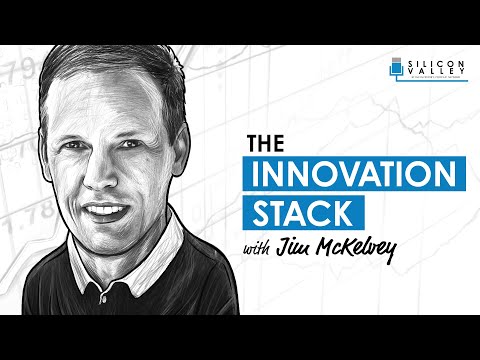
0:00 you are listening to t IP on today shall we talk with Jim McKelvey who is a co-founder of square a financial service merchant service aggregator and mobile payment company in 2009 he designed a card reader which in 2011 was inducted in the Museum of Modern Art Jim then teamed up with other st. louis-based Siri entrepreneurs that helped found cultivation capital which was ranked the seventh most active venture capital firm founded since 2009 and the third most
0:30 active lead investor since 2017 McKelvey has been appointed as an independent director of the st. Louis Federal Reserve today shall we talk about how you can't be an expert as an entrepreneur the incredible story of how he met jack dorsey co-founder twitter and how they built square together the story of the man that if he'd wanted to be could have been the richest man to have ever lived and his new book the innovation stack buildin an unbeatable
0:57 business one crazy idea at a time and jack has offered our listeners five copies of his new book so write a review take a picture and email us Sean the investors podcast.com and you'll have your chance to win one of the five copies all right now let's start the show you are listening to Silicon Valley by the investors podcast we're your host Sean Flynn interviews famous entrepreneurs and business leaders in tech discover how money is made in Silicon
1:26 Valley and where tech is going before it gets there [Music] Jim thank you for taking the time today be our show just to give our listeners a little bit of background of yourself can you tell us a little bit about what you've done your history up into this point well I'm an engineer by training degrees in the economics computer science I was a professional glass blower for years and actually still AM I still have a studio in st. Louis and I
1:57 make and sell work our studio is closed right now because we can't have contact or share blowpipes with anybody in addition to that I've started half a dozen companies started a nonprofit called launch code which trains people to become programmers and I also the co-founder of square and then right now I'm deputy director of the st. Louis Federal Reserve and then Jim can you tell us a little bit about that first company you built and the problems you
2:23 were trying to solve when building it so the very first one was a company called Mira digital publishing and it was a company I started back in 1989 and we were building software for document imaging this was a precursor to Adobe Acrobat which means it wouldn't OB launched Acrobat we got our heads handed west but in that process I hired him from a local high school in with Jack Dorsey and Jack and I have been friends
2:48 and colleagues ever since and believe it or not that company Mira is still around it makes money every year I still own it and I still think finally of having one company for thirty years so then what was the problem you're solving at Mira that kind of has allowed it to stay around for 30 years have there been a lot of pivots a lot of evolution or the same problem you stopped then is what you're solving now originally it was
3:11 electronic records storage we needed a digital format for contracts and documents so this was before Acrobat so these days everybody uses the PDF format but in the days before that there was nothing and we build something a precursor to Acrobat and it was doing all right but then Adobe which was a much larger company just came and killed us so we pivoted the company into basically using Acrobat to publish a tradeshow literature on CDs and the way
3:36 that went down was the imaging tradeshow where we were exhibiting next to Adobe when they unveiled our demise had is terrible irony because all the attendees would walk home with bags of literature on how to have a paperless office and so I thought well this is stupid why don't we give them all a cd-rom with all the tradeshow literature on and so that's what we did and it turns out there were literally thousands of trade shows every years where people
3:58 were taking all this paper home and they couldn't search it or do anything we put it on a searchable platform and created the world's first tradeshow CD ROMs now you have to remember this free internet so companies didn't have websites so being on the tradeshow cd-rom was a fantastic way to keep your product literature and name in front of all your customers all year so it was a great business but then the internet showed up then it was clear that that was gonna
4:23 get wiped out and what happened there was I knew the internet was gonna wipe us out and you can kind of see the virus coming right I got the team together and I said guys we have to switch to another business and we have to start publishing technical work on CDs not doing all this product literature but I was not able to get the company to follow me like they would all say yes but then they wouldn't
4:42 actually do anything differently though the only guy who had listened to me was my summer intern fifteen year old kid named Jack Dorsey and Jack and I basically went off by ourselves and pivoted the whole company so we built a second company within the first company and then when the first company died we had this other thing going and it was sort of a testament to Jack's ability to work even as a 15 year old and my
5:07 inability to leave I'm not a guy who runs companies I'm the guy who starts companies so wait.you and Jack went kind of separate in the company started your own company inside the company what was the idea behind that how is working with Jack who you'd mentioned was 15 years old at that time what was the dynamics like well I was 26 so it was an inexperienced boss and an inexperienced worker but look the problems were obvious we knew we had a job of doing we
5:34 did it I eventually hired a bunch of people to work or Jack so it was kind of ironic to introduce these 30 year old people that I was hiring to their 16 year old boss but the end result was it worked very well and even as kids we were able to do what we needed to do in the company survives to this day and still runs some of that basic technology did we bill so 30 years later that company's innovation
5:56 stack still in existence although we didn't do that much that was interesting or innovative but it worked I'm really curious about a little bit more about that company the dynamics inside of it where you had a 15 year old 16 year old who I'm sure was still in high school having to it 10 classes or now this was a mostly during the summer so he was full-time during the summer part-time during the school year it was not a
6:22 full-time job when he was in school and he would ride his bike to work and he pulled an all-nighter with us on his first day at the office which got him in trouble with his mother but other than that it went pretty smoothly Jack was very talented and I think some of the things that people see today I saw very early and we became friends and then after her they kicked him out of Twitter the first time he asked me if I wanted
6:45 to start a company with him and I said yeah let's do it and neither one of us had an idea but eventually I was in my glass studio trying to sell a piece of glass and lost the sale because I couldn't take an Amex card and that's what led us to the idea of the square so be nice to everybody even the summer intern because he may someday be your boss okay so with that how did you guys agree
7:04 when you form square who would be in what role you were his boss before he was an intern but he was coming from Twitter at that point with some more experience how did you guys decide who would take the lead who would be the partner different roles different dynamics different responsibilities what was that conversation like took about 15 minutes Jack wanted to run the company I didn't want to run the company so it was super easy
7:26 we decided that Jack should have more equity than I did because he had more responsibilities it was a super simple conversation and by the way that's how all my company is run I'm never CEO or if I am it's this sort of temporary position so I've got five or six organizations now and they're all run by other people and I do that because management is not my thing and I'm not particularly good at it and I don't
7:51 enjoy it and the people who I manage particularly don't enjoy it so it's better for everyone if you get somebody else to run it what are your tips for finding out your strengths I mean you just mentioned you may not be a strong suit for you to manage but you've definitely found what you're good at in your life what's some advice on how to find that path failure help right you find your strengths by learning your
8:15 weaknesses in my case I have tried managing and I can do it at sort of a mediocre level but it uses a great amount of my energy and it's not something that's particularly pleasant for anybody so I think self-awareness helps the other thing is I think having your ego in check right like I'm really happy to give the CEO title away as quickly as possible to somebody who's competent and I know some people like to have their job titles and stuff like
8:41 that but I've never really cared what my job title was and so it's been fairly easy for me to get out of the way the only issue and this is probably a trick for people in my situation if you are the owner of the business but not the day-to-day CEO you will have a situation where you've disagreed with the CEO that always happens and in those cases if you override the person you've put in charge you will be back in charge and so one of
9:10 my strong recommendations is that if you are making to not be the CEO but you are let's say you have controlling interest in the company are you ready for that disagreement and when it happens you support your manager when you're saying support your manager is that to the other board members is that just publicly obviously publicly and obviously to the board members but also privately you basically say here's what I think and they say well I think this
9:34 and you say it's your call and you let them do it and it every one of my companies I've had disagreements with management I think most cases the management has been correct but we don't know because we never took my path maybe my path was also a great idea but we went their way and so far it's work and then when you were coming up with the idea for square how much Bank and experience did you have at that time how
9:56 did you do research for coming up with the actual process I had zero banking experience except as a customer and I would say most of that experience was negative because I was a small business and small business tends to get sort of abused by the banking system I was also a credit card user I obviously have a credit card but then I also accepted credit cards at my studio just not American Express so I knew what it was
10:19 like to be sort of abused by those people as well but I had no knowledge of how the banking system really worked and it was funny neither did Jack so we entered this business where neither of the founders had any specific information then how do you go about even creating that roadmap was it through mentors advisors or the first people you hired no it turns out and this is one of the reasons I wrote the book and that is we specifically didn't
10:50 have any expertise in the company and that was not an accident we tried at first to hire somebody who was a former head of MasterCard who advised us and all his advice was just terrible and the reason it was terrible was not because he was an idiot or anything it was because he only knew what the system could do and we were building a new system and so it turns out if you look at most businesses most
11:12 businesses are copies of other businesses so you want to open up an auto dealership well there are auto dealerships and you can figure how to do that there models for almost everything we do and that is not the sort of business we were in what square was doing was something that had never been done and what we were doing was we were giving credit card processing to very very small businesses and individual people who were almost by definition
11:36 excluded from the existing systems and because we were doing something that had never been done before we could not copy the existing systems and that forced us to go on this path of invention and innovation what were the biggest challenges at the very beginning there we had to figure out a way to build a system that would work though it turns out that when you're trying to give credit card processing to people who don't have credit scores or
12:04 business accounts or enough capital to interest the major banks there are no underwriting policies or procedures for them and during the first week of running square what I discovered was that there were 17 laws rules and regulations that we were violating with each transaction so there was this massive roadblocks in our way so what we did was we first decided that we would do it anyway because we thought we were doing was legit and I knew it
12:31 was legit because I was a merchant who wanted this product I mean it wasn't like we were sitting there thinking well maybe if we build it some people will want it like I knew for a fact that I wanted it and I knew exactly what I wanted so we already had our test case in one of the cofounders and so I could very easily give direction to the team as to what I wanted them to build for me
12:53 then the question was well how many people like me are there and the answer was we had no idea so Jack and I really had no idea that it would be this huge success but there was a high likelihood that there were other people like me we just didn't know that there were billions or tens of millions of when you're looking at a problem like that how do you go about analyzing the market size the potential customers in the
13:15 future that's a great question if you want a copy so if you want a copy of business you can analyze the market so let's say you want to analyze the market or let's do respirator masks that's got a worldwide shortage of them right now so you want to do an analysis of that what you do is you'd study all the companies that make respirator masks there are 20 of them and you'd find the people who use respirators which is
13:39 mostly the construction trades Hospital and you would an analyze the market and you say do we want to be the 21st company making these respirator masks and you can choose to do it or not do it and you could have a very clear idea of how much demand was in the market you could copy designs from other companies you could figure out what your price should be because you kind of knew what the price of a respirator mask was
14:02 you can do all that stuff you can know and that's how most businesses start not the businesses that I study so the businesses that I study are building new markets and they are doing a completely different process so the reason I wrote this book was because I had to answer a question that was bugging me for years which was how did square survive an attack by Amazon and the answer was where's DNA was fundamentally different than all the other companies that Amazon
14:29 had attacked and killed so if you look at Amazon's kill ratio to startups it's 100% with one exception and that is square we're the only startup that I know of that Amazon copied their product undercut their price and didn't end up blowing that startup out of the market so because of that I was confused and I said well why did not Amazon win and the answer shocked me I didn't have a word for it because we were doing stuff
14:57 different than other entrepreneurs and it turns out that if you look at the history of the word entrepreneur the word entrepreneur used to me a hundred years ago somebody who was doing something different ie they were not copying these days entrepreneurs can copy so let's say I want to start a business to make respirator masks okay I would be called an entrepreneur if I went out like tomorrow and started popping masks out then you'd say Oh
15:20 Jim's a respirator mask entrepreneur but I would say a hundred years ago you would not have been called an entrepreneur you would've been called a business person and the difference is profound business people copy what has been done before and that is almost always a better way to make money then entrepreneurship because entrepreneurship has no guarantees it has no roadmap and you're doing something that hasn't been done before so that a lot of chance for failure it
15:45 turns out that we're was doing something that had never been done before and I found this pattern and then I found dozens of companies actually hundreds of companies throughout history they had the same DNA now there weren't many of these companies like if you took the entrepreneurial companies and compared to normal businesses you don't we would be like one in a thousand but for these one in a thousand companies they had tremendous differences so the way they just dealt
16:12 with their customers was different the way they grew their markets was different the way they price their products was different and it all came back to this thing that I called an innovation stack which was a series of inventions they were forced to create and I say forced to create because I think a lot of people think they should go out and be inventive they think they should go and like I should be innovative like it's all cool to be an
16:36 inventor and stuff and that's usually not the right move like the right move is always copy something else that works that is how basically life on this planet functions like you're a copy of your parents I'm a copy of my parents I got one of my little copies behind me and she may burst in at any moment and interrupt this podcast but the point is copying a success is a good way to ensure another success if you think that
17:04 you should just be innovative because it's cool you're probably going to die but the companies that I studied we're doing innovation for a different reason they were doing it as a means of survival and when you do it as a means of survival you make decisions differently and you build these things called innovation stacks and if you evolve an innovation stack this amazingly powerful thing happens and that is you effectively dominate an industry so every company that I found
17:30 that had an Innovation stack became the biggest company in their industry so biggest airline company in the country innovation stack biggest bank in the world innovation stack biggest furniture company in the world innovation stack square innovation stack like it's just this precursor that leads to tremendous success it's just really sort of brutal build one and we happen to do that by accident it's where like we didn't know any of this theoretical stuff when it happened but I saw it in hindsight and
17:58 that's why I wrote the book can you tell us some more stories or examples from the book of innovative companies sure so there were to that I think were really critical for me the first was I wanted to prove that square was no accident because like we survived this attack by Amazon and I thought well maybe we were just lucky and then it's like luck doesn't really explain that so what I wanted to do was I wanted to find
18:24 another parallel Foursquare but I didn't want to use a tech company so Square uses a lot of technology and if you use technology well you can have a disproportionate level of success because of viral growth and marketplace lock-in and just the network effect like you will have these factors that will supercharge your company's success even if the company is not run particularly well so what I wanted to do was I wanted to study non tech companies and see if
18:50 non tech companies had this same phenomenon because if the phenomenon is valid then it should exist independent of technology and it turns out that I was able to find hundreds of examples and so I had so many examples I said well I want to study another square so I want to study a company that was founded by outsiders for the purpose of including people who have been excluded so in this case it was banking so they
19:11 were trying to build a bank to allow people who weren't using banks to save their money and make loans and stuff like that I wanted it based in the United States and I wanted essentially another Square and I found it I found this perfect example as a matter of fact what you think of as banking today like your concept of a bank is what was built by the Bank of Italy so 100 years ago banking was unrecognisable so first of
19:39 all you couldn't Bank cuz you're not a member of the aristocracy secondly if you wanted to go in you couldn't talk to a teller they would not in many cases speak your native language she couldn't even communicate with them they had no such things installment loans car loans home loans there was no savings accounts like there were no branches all the things you think of as a bank it was invented by a guy who was a produce
20:03 vendor like he sold lettuce he sold oranges and walnuts things like that but he was pissed off that oh and by the way he dropped out of school at age 15 so he was not an educated person but he wanted to build a bank for people like himself and he did and the bank that he built so dominated the world of banking that it became the largest bank on the planet the Bank of Italy which bought the Bank
20:30 of America and renamed the Bank of Italy the Bank of America but like they bought Bank of America and just took the name he was this epic bori so I tell his story in the book as a matter fact his story was so good that I made into a graphic novel it's fantastic stuff there's a city blowing up right gonna have fun with this stuff and his name was AP Giannini and Giannini really was the first person I'd ever
20:51 read about in history that was doing stuff like what I had done his story seemed like the way my life was unfolding and I was like oh this is really cool so I started looking for other people so I found all these stories throughout history that's great history is fantastic the problem with history is that everybody's dead so nobody's around to argue with you so let's say you're writing a book and let's say you have some idea and you
21:17 go cherry-pick history for supporting examples well if you do that and let's say your idea is bad it's wrong nobody is gonna crawl out of the grave and say hey Sean you're full of it right because history we can kind of make it whatever we want in some ways because the protagonists are no longer with us so I was not gonna do that and so I did all this research and I needed to find a living protagonist but again somebody
21:44 wasn't in a tech firm and the best example I found was Southwest Airlines so I got on the phone with Herb Kelleher who's the founder Southwest Airlines he was in his eighties I flew down to Dallas with all my research I sat down and spent an afternoon with herb and I basically laid all my work at his feet and I said mr. Kelleher do you think this is right like does this phenomenon that I think I've identified fit your
22:07 memory of what happened in South West and he said absolutely and he said not only that he told me a bunch of other stuff that I'd overlooked and I was so excited coming out of herbes office that I decided that I wasn't just gonna write a business book that I was gonna write a graphic novel because the other thing about these stories of entrepreneurship is that they are epic stories there are Nazis and murders and stop blowing up
22:34 and like her went to the Supreme Court twice I thought by god this is graphic novel stuff so I did this graphic novel and I called herb and I was all excited I said yeah I finally got the book together it's gonna be great and by the way like I'm gonna portray you as a superhero and her hated the idea and I was press falling cuz like this guy's one of my idols and he's a living legend but he
22:58 did not want to be portrayed as a cartoon character and the reason was and he gave me a perfect reason he said Jim the subject you're talking about is so serious that I don't think you should make it a cartoon and when I was a kid our Tunes were not serious and maybe they are different today but I'm 86 years old and I don't think that I want to be portrayed that way so please do not do that and so out of respect for
23:24 this man I rewrote half my book and cut out a cartoon I submitted something about that was like half graphic novel and then half business book and the publisher looked at me and said you idiot you realize how many people use readers and audiobooks these days like if you do something that's half graphic novel you are losing half your audience so why don't you just switch it to text so I did so but if you read the book
23:49 like you can tell it's a cartoon I wasn't able to get all these sort of exclamation points out of it so I made my own sort of graphic novel to go along with it so you can get a free copy of the graphic novel it wasn't published by penguin but you can go to Jim McKelvey com get a free copy of AP Giannini story we'll have all that information the show notes for every one herb is going to the
24:09 Supreme Court twice your fight in Amazon these are yours how do they have the mindset to keep going to face all these challenges how does one build that or advice or overcome in such challenges it's pretty simple motivation is difficult if you're a business person and super easy if you're an entrepreneur if you're a business person you're copying everyone and every day you wake up and five competitors have just copied what you did last month or you're trying
24:40 to copy what one of your competitors are doing or they lowered prices so now you got a lower price like that requires a tremendous amount of energy or an entrepreneur it's different because it's just a question of do you die or not it's just survival like in a normal business you can kind of slack off a little bit and maybe you're not the top company maybe you're the 17th company but you'll still make money I'm on the
25:02 Fed we regulate hundreds of banks if you're the 600th bank in whatever stack rank you want you're still making money like you're fine you're 600 maybe you work hard you can move up to 300 you know work really hard you can move up to number five you're all fine so that requires a tremendous amount of motivation but in the world of the entrepreneur if you fail you die like your company ceases to exist so if you're in a situation where innovation
25:29 is necessary then it's a survival case and so in Squares case like we didn't have any other choice it was either fix this or the company dies so ironically in a situation like that there's no motivational problems like everybody comes to work everyone's totally jazzed if you want to quit you just leave the company but the company survives until everybody quits and I've had situations with my companies where like everybody has quit and it's been just me like Mira
25:56 the company like talk about beginning it's been around for 30 years there were two times in its life when Mira was just me and I didn't quit here it is again you know just kind of Springs back like some crazy invasive plant species okay then how can the founder be that leader to encourage everyone to keep going and not just quit so it depends on the problem you're trying to solve so with the core of all these companies is
26:22 not some motivation to get rich or make a name for yourself or do anything sort of external the motivation is to do something that has not been done before so Herb Kelleher wanted regular people to be able to fly before he started Southwest they couldn't afford to fly like a ticket on an airplane was like a thousand bucks in 1970 dollars and you could not fly unless you were rich and herb and the team that founded Southwest with him
26:53 wanted to change that and that was their mission to fly people affordably Jack and I wanted to give economic power to small businesses in the first case of credit cards but then in the case of you know all these tools that we build so that like why is it that your big competitor down the street has an employee management system and you have to do everything on a spreadsheet why is it that they have a loyalty program that
27:15 draws people in and you don't have one like why is it that they can click a button and see their inventory where you have to walk up and down with a yellow legal pad like we're building tools to make those things happen because that's what we want to do that's our mission and Giannini's case he grew up like his father was murdered when he was six years old like he grew up with a single mother two brothers this was lived through the
27:40 depression like this guy had a tough life and watched his city burned to the ground he watched people that he loved in just these terrible situations and he knew that banking would help them like people in Giannini's hero we're going to loan sharks to get the money they needed for any sort of emergency so I mean like we've got a bad situation happening in the world right now but like loan sharks is not that big a problem like we're not
28:05 compared to what it used to be and GE any want to fix that so if you choose to solve a problem and you care about that problem and you collect people around you who also care about that problem there's your motivation like I'm not a great leader I've never been but I'm pretty darn good at pointing to problems that other people care about and it turns out great leaders show up when you point to the right problem
28:30 talking about problems right now and in tech in the future FinTech are there any things on the horizon that people should be aware of or that really are exciting you I'm gonna give you two answers because I'm a venture capitalist I have a 150 million dollar fund that does FinTech investment and we invest in software as a service model and we invest in this rinse and repeat thing that almost always produces a pretty good return for the fun it's a formula
29:00 we follow the formula you build something innovative that the banking system doesn't have or the financial system doesn't have and you sell it as software as a service and demonstrate that you've got growing revenue and will invest and help you scale that massively and sell you off to one of the five platforms that always acquires these companies and if you don't want to sell out we don't want to work with you and if you don't want to follow the formula
29:23 we don't want to work with you so in that case in FinTech like you just want to make a bunch of money there's a complete formula for that and I invest in that because I've got other people's money that have trusted me and we're actually doing really well but that's fundamentally boring I believe there is another type of FinTech or characterized by what square did that is trying to solve problems that have not been solved before so if you solve one of those and
29:48 you build an innovation stack my venture fund would not invest with you but anyone who does invest with you will probably make a thousand-to-one return can you talk about that a little bit more your funds investment thesis because the research I did before at least on CrunchBase you're one of the most active venture capital funds released since 2009 but you just mentioned right there that you like kind of this boring area where these others might have bigger returns I would say
30:17 this or early days on venture funds is highly suspect we're doing very very well we're doing this formula the formula is about as exciting as investing in commercial real estate I mean it's one step above real estate investing now if you've done real estate investing you know that there's some things you have to do you got to check a few things successful real estate investors they're not idiots they have a certain formula and they follow that
30:40 formula they make money fin top has a formula our formula makes money we don't deviate in that formula and that to me is boring but successful and getting a nice 10x return on an investment lovely get a get 2 or 3 X return on investment still really good though that's what we do at fin top and I don't personally build company like that what I do I don't even try to build companies honestly I mean sometimes it's
31:07 a non-profit sometimes what I do is I start something and give it to somebody else I'm trying to fix problems that I care about even square-like I was well off when I started square Square has maybe a little bit more well-off but the bottom line was I had everything I needed when I started Square and the only reason to start square was because I saw this thing that was frustrating to me which was how merchants were getting ripped
31:34 off and I wanted to change it that was the start a square but it was to solve a problem it was not to have a public company or anything like that when you're analyzing other companies or either your venture fund or just to get to know how are you analyzing that problem and I also want to go back to the question of any companies on the horizon that are doing anything that people should know about or that are
32:00 interesting so companies that are doing some very interesting stuff we have one company in the hotel space that is really lightening the burden for hotel operators which it turns out is a very manual inefficient process and I'm excited about that company I should say this I'm as excited as I can be about a company that's just an investment I am more excited about a friend of mine who came to me with an idea to make an
32:29 inexpensive diaper because it turns out the diapers are where poverty starts typically young mothers who are sort of on the edge of poverty yeah afford that put diapers on their kids and diapers are insanely expensive basically the materials that go into them and we think there's a way to cut the cost of diapers by 70 or 80 like that to me is interesting because that lifts a lot of people out of poverty because like it turns out if you don't have diapers and
32:55 you can't go to daycare and if you daycare then your mother can't work in a lot of cases these are single-parent families if you can saw the diaper problem you would materially help millions of people plus diapers themselves right now and I change one this morning are these toxic messes of plastic and all sorts of petrochemicals that shouldn't be filling up our landfills like we could achieve the same things with sort of biodegradable absorbent materials and I believe that's
33:22 an interesting problem is also like I'm really interested in diapers right now but as a social issue not just because I have a voice can pull along and then countries around the world I mean we're talking about bringing people out of poverty going back to invention vers innovation same situation there would you recommend that they tried to encourage copying and kind of modification for the local culture or do you have recommendations to help people outside the US raise
33:51 their economy out of poverty or upper level first of all I would say that one has to be very humble in giving advice from a country like the United States to any other country things that work here will not work there things to work there will not work here and so advice from one country is often useless and we saw that with square I mean square we've opened five other countries now and we're not having the massive success
34:16 that we had in the u.s. launched partially because we're not we're not a Canadian company we're becoming one now we've got Canadian DNA in our company and got some Australian DNA our company and some Japanese DNA in our company but we didn't start with that and so there's a big asterisk on any advice that I would give but if I didn't have advice it would be this basic insight that don't invent unless you have to but if
34:42 you have to understand that invention is a different process and probably not like what you've been told so one of the things that really pissed me off when I was seeing these epic stories of change from companies that built innovation stack was the difference between first person and second person account okay so first person account a PG&E he was a very humble man he died with less than a million dollars and literally he
35:12 could have made himself the wealthiest man on the planet like he could have easily become the richest person in history way richer than Carnegie way richer than JP Morgan Way weren't sure than any of the big names that you've heard throughout history he could have been five Rockefellers but he decided that he didn't want that he was very humble and I guess I'm sort of guilty of this because I I made him a superhero in a
35:35 comic book that I designed but his story when told by others he is a hero story about this hazel eye giant who was unafraid after the earthquake and you know like this great conquering monster and it makes him sound not very human it makes him sound superhuman when I met Herb Kelleher he was amazingly humble when I studied ingre comprar he was amazingly humble and he admitted to crying a lot during the early days of Ikea those are the
36:04 first-person accounts and I hopefully don't impress anybody if somebody who's bold because I'm not but then what happens is the story's getting retold and they get retold by the Hollywood version and the Hollywood version of this is these two guys go out and they disrupt an industry and they're they're bold in the face of uncertainty and they don't take failure and they don't accept compromise they make it sound like we're some sort of badass heroes and that to
36:28 me is a tremendous disservice to normal people who have the potential to do what these other normal people have done and literally change the world but they then disqualify themselves because they don't feel like they're a superhero and as a matter of fact the book is written for one person and I had her in mind as I was writing every paragraph and she is brilliant hard-working she's great at everything she does and yet I've seen her in situations where she is not
36:57 experienced with a problem and she says well I can't do anything about this I'm not qualified and here's the thing she's right if she comes across a problem that has never been solved before she is by definition unqualified to solve it and yet that lack of qualification applies to everybody on the planet so think about what I said we're considering a problem that's never been solved before who is qualified to solve it and the answer is nobody's qualified it hasn't
37:28 been solved yet you get qualified after the problem has a known solution right so if I want to go out tomorrow and fly an airplane I got to get qualified okay no you go to the FAA I got to get a medical I got to take a written I got to do 40 hours of flight training with a CFI I get I can do stalls I got to do spin simulations I got to do all this
37:45 stuff and if I do it all correctly and pass the exam at the end then they'll give me a little card that allows me to fly an airplane that allows me to become qualified as a pilot great that is an appropriate thing but Orville and Wilbur Wright had no such qualifications like these guys got into the first airplane literally the first airplane unqualified to fly the thing and you say well they couldn't be qualified and I said yeah
38:09 it's impossible to be qualified if you're doing something that first time so here's the big message of the book you think that entrepreneurship or these world-changing companies are somehow built by these egotistical badasses who are either genius or somehow possessing superhuman capabilities no they're not they're people who happen to stumble across this process which I described in the book and that process gives them this massive power to essentially create
38:41 a totally new market and you don't have to be a genius or particularly that hard-working to create a new market if you've got an innovation stack and these can be created by normal people and frankly d-day like literally today our world is in chaos like we have just shut down the economy riki terrifying now was on the board yesterday with a four-hour Fed meeting like nobody knows okay everyone's terrified and yet if you look at the
39:09 history of these inventions many of the greatest companies in the world were started in equally terrifying times the Bank of Italy was started a year before the great San Francisco earthquake the entire city burned to the ground Giannini's Bank burned to the ground but the difference between Giannini and the dozen other banks that burned to the ground that day was he was an entrepreneur and he opened up a day later he got his bank open he started
39:36 making loans literally from the dock of the San Francisco War he responded like an entrepreneur does he didn't just sit there saying oh well we don't know what to do buzz were in this new situation look I know everybody's in hard times and I really feel it but not to pain a big smiley face on this but there are going to be some phenomenal companies that learn to adapt in this ecosystem and in the ecosystem whatever's gonna succeed us and are
39:59 gonna be the new ones they're gonna be the new massive successes and it'll probably happen right now the recording of this episode is April 3rd just to give everyone a frame of reference that's listening to it but Jim you're saying that I mean the hardships there's opportunities well yeah that's sort of trite though I mean you say that a lot of turn lemons into lemonade well look I hate trite advice so I'd like to nuance that a little bit and just say look I
40:28 get it nobody wants to be here nobody wants to be where we are except maybe the Purell company and Amazon like Purell is probably psyched about this I guess the guys at zoom or kind of psyched but with those three exceptions nobody else wants to be here that said at least the companies that I've studied have all had some similar Cataclysm and I'm not talking about some minor annoyance I'm talking about something that was a flat-out disaster Bank of
40:58 Italy their Bank burns to the ground they're safe melts then they go through the depression then a world war that's a pretty tough environment you wouldn't wish that on anybody but they emerge on the other side of all that as the most powerful bank in the world I was just talking to Christina Kumar a journalist here in Silicon Valley and I'd like to thank her because she was one that made the first introduction that allowed the
41:19 interview today to actually take place in the conversation she was talking about how the application the large square financial service has just been approved by the FDIC how will this change the banking system what can we expect we are now one step closer to everybody we deal with and I think that's really helpful so we had previously connected our system to another ILC it does hurt alone corporation entities that can be owned by corporations they're a bunch of them and
41:48 there's now I think one or two more we have one and really what this does is two things one it allows us to work without this intermediary in the middle and I think that's ultimately good because every time there's another link in the chain there's a chance for the chain to break and every time there's another link in the chain there's the chance for misinformation to help and so square was complying with all the banking regulations anyway because since the
42:14 people we were dealing with we're all very very heavily regulated we had to be heavily regulated as a subset like regulation never decreases if there's an intermediary it's just a multiplier so I think it's just gonna be a more efficient system what does that efficiency mean well let me take the current crisis like we just got that entity approved so we don't really have a functional tech stack yet but were we to have had that system in place now we
42:40 could probably be getting cash to people who need it faster were we able to do that we might be able to get people their government checks faster or their payments faster I say checks we would not get you a check it would be an electronic payment and these are unknowns but it's generally good to have closeness with your customer and this puts us a little bit closer to our customers and in these times right now where people might be looking for more
43:06 knowledge more information have there been any CEOs or mentors or people in your past that other people might be able to gain information from well unfortunately all the people that I study are dead though I would say if you have time to read your history learn about the history of Southwest Airlines learn about the history of Ikea learn about the history of bird's-eye foods learn about the history of the Bank of America so I would say I'd make it a
43:34 history lesson and look at the history of those great companies as far as me personally I never really had a mentor so I always felt very alone and weird and the reason I never had a mentor was because when I went looking for one all I could find were business people ie people who were doing stuff that had been done before and they were very successful I had a lot of contact with very very successful people but none of
43:58 them worked doing what I was doing and so therefore their advice didn't really work and the first mentor that I found was actually this Italian immigrant named AP Giannini although I never met him talk to me through history and he had to live through some of the same things that Jack and I lived through and I thought okay well I can take some guidance from this guy's life and hopefully I will continue to get educated in that way I
44:22 just want to ask one more question before wrapping it up just wondering how does one go about designing their life to have a balanced from my research you do glassblowing you seem to have this balance of not just heads down focus but pretty well-rounded how does one go about it or if my research just wrong no no I think your research is right I think your conclusion may be wrong like I don't know that my life is balance like it
44:47 just may be a series of imbalances that sort of collectively add up look I do a bunch of different stuff and what I would say again I don't know that I should be offering advice here but I will share a book called good to great written by Jim Collins and Jim gave me this book 2001 okay so nineteen years ago Jim gave me a review copy of good to gray so that I could I thought about the book and what
45:17 he gave me that book he gave me some advice he said do you have a don't do list and I said what the heck is that most people have a to-do list and they add things that they want to do to their to-do list he said a problem with that is that everything takes space but where's that space gonna come from and the answer is it's gonna come from stuff you don't intend so for instance let's
45:39 say you want to learn how to play the piano where's that time gonna come from well it's probably gonna come from maybe time you spend with your friends or maybe time you spend reading or maybe time you spend with your family or time you spend resting you add too much new stuff you end up without time so Collins suggestion to me was to make it don't do list this is a list of things you intentionally do not do so let me give
46:02 you some things on my top do list I don't do social media so if you see me on LinkedIn or Facebook or Twitter or any of those things that's not me that's a marketing firm that was hired to sell a book and if you notice most of those accounts are pretty recent except for LinkedIn where I have like 2,000 replying requests and I got a Twitter account cuz of course my friend started Twitter but you're not gonna find me
46:24 waiting I don't do it I don't read it I don't touch any of that stuff I'm buddies with Kevin who started Instagram I don't use Instagram never been on Facebook ever so zero social media I don't watch news I kind of have to these days because the kovat 19 thing but generally zero news I don't gas up cars I basically made a list of all things I was not gonna do and the interesting side effect of this
46:50 Shawn was it gave me a massive amount of free time like I have gobs of time I am so protective of my time and I am frequently bored and if you're particularly bored you can learn to play the piano or you can learn to blow glass or you can learn to fly a plane or you can serve on the Fed or start companies or like I spent a lot of time with my family I hang out with friends a lot and
47:13 I get a lot of sleep and it's Jim Collins good to great so maybe that's the best secret I can offer your listeners oh good advice I've never heard that from anyone ever before after this call I think I'll start my do not do list and with that Jim I want to thank you for your time today and if any of our listeners writes a review for this shares this episode is there a way that they could get a book or we could
47:38 put their name in a hat raffle it off for a prize possibly a copy of your new book yes I'm gonna have the publisher send you five copies and you can distribute them to your folks as you wish and everybody can get a free copy of the birth of banking which is the cartoon version of chapter nine of the innovation stack it's a cartoon it's a comic book but go to Jim McKelvey comm and get that for free I want to give
48:02 everyone something and look I want these ideas out there there are too many problems in the world for us to have some of our greatest resources on the sideline though yeah get in there and do something great so everyone listening please write a review take a picture email me at Sean at the investors podcast.com all the information will be in the show notes and all the information Jim's new book good to great everything that was talked
48:26 about today will be in the show notes so visit the website and Jim thank you once again for all your time today this is great Sean thank you again thank you for listening to tip2 access our show notes courses or forums go to the investors podcast com this show is for entertainment purposes only before making any decisions consult a professional this show is copyrighted by the investors podcast network written permissions must be granted before syndication or read for posting
49:04 you
Summary
- McKelvey co-founded Square to provide credit card processing for small businesses, driven by personal frustration with existing banking systems.
- He highlights the significance of self-awareness in recognizing one's strengths and weaknesses as an entrepreneur.
- The concept of an "innovation stack" is introduced, which refers to a series of unique inventions necessary for survival in a new market.
- McKelvey shares stories of historical entrepreneurs who faced adversity, like AP Giannini and Herb Kelleher, illustrating that great companies often emerge from challenging circumstances.
- He advises aspiring entrepreneurs to focus on solving real problems rather than trying to be innovative for the sake of it.
- The discussion touches on the role of motivation in entrepreneurship, emphasizing that survival drives innovation.
- McKelvey's venture fund focuses on software as a service in FinTech, but he also expresses interest in impactful social innovations, such as affordable diapers for low-income families.
- He encourages listeners to create a "don't do list" to protect their time and prioritize meaningful activities over distractions.