Transcript
0:00 when you have a child and this starts when they're little babies something happens to you when your child accomplishes something you know when they're really young it could be that they they just rolled over for the first time or you know then they progress and they take their first steps and they continue to progress and maybe they climb up a ladder at the playground for the first time all by themselves and then they ride their bike all by
0:28 themselves down the street then we get into school things like their grades a sporting event music or dance performance and then maybe they graduate and then they go to college you know you name it there's so many moments as parents and some of these moments are big and some of these moments can be small but they affect us in a specific way they make us feel joy they make us feel accomplishment and they also give us a sense of pride we feel proud of our
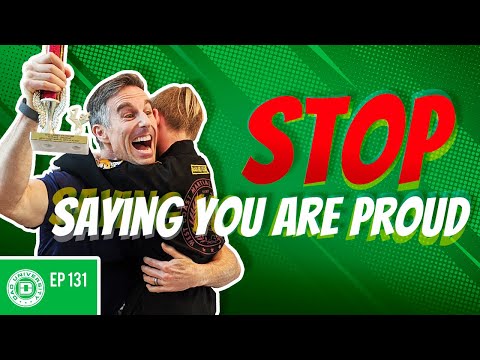
1:02 child however I'm asking you to stop telling your child that you're proud of them it's not helping them in fact it might be impacting them in a negative way so in this video I'm going to go over a few reasons why you should stop telling them you're proud and then give you a couple of alternatives of what you can say [Music] hey guys I'm Jason cried Minh and welcome to another episode of dad University be sure to give this video a
1:31 thumbs up subscribe to the channel and click on that notification bell so you know when our videos are uploaded also it really helps us spread our message when you share these videos so maybe you know a couple people that might enjoy it please share it with them I want to first go over a couple of common reasons why you know we as parents feel so compelled to tell our children that we're proud of them one I simply want my
1:58 child to know that I'm proud it's important that they know how I feel about them too if I tell them I'm proud it'll make them feel good they'll get a boost from it 3 if I tell them I'm proud they'll be more inclined to continue to accomplish things I'm giving them positive reinforcement well these might be common reasons why people say I'm so proud of you but unfortunately it's not helping your child so let's go over a couple of
2:29 reasons why saying I'm so proud of you isn't a good idea number one it's actually about you not them so let me give you an example it might help illustrate it your child is on the playground and they climb a ladder on the jungle gym for the first time and so you say oh wow I am so proud of you now let's translate that from your child's point of view we're gonna get pretty deep into the child's mind
2:58 and we're going to look at it from this happening over and over and over again dad is proud of me which is cool you know he's happy and I just accomplished something and as a result of that dad is happy dad is proud and I certainly will do it again because I want dad to be proud I want dad to be happy but what if I don't accomplish something is dad not happy is he not proud your
3:26 intention was to make your child feel good but they are understanding it that their accomplishment actually made you feel good it wasn't about them it was actually about you and you feeling good no that certainly wasn't the intention but that's what happened another reason it's not good is it's somewhat related to what we just talked about but it's a little broader it's an external source we ultimately wanted our child to feel good about the fact that
3:57 they just climbed that ladder however it was external judgment dad saying I'm so proud of you about the climb so even if it did make the child feel good that you said that it was an external source what if they get those external sources over and over and over again and then eventually they're not there the child or adult is then left empty and unfulfilled there's nobody saying that they're proud of them there's nobody saying that they loved what they did
4:29 nope affirmations no compliments now I understand that this is an extreme example but can you see why social media is so attractive to so many people the confirmations the views the likes this is the external judgment that people crave they're used to getting that external judgment from when they were a little child so they crave that as their father I want them to feel good from the inside and not require that external
5:00 judgment so that doesn't matter what somebody says or the views or the likes or the I'm so proud of use those don't matter the other problem was saying that I'm so proud of you is that it insinuates superiority now this is subtle again and it doesn't happen all the time and it's indirect but it can happen it's it's almost as if those achievements are unexpected you know if the achievement was expected
5:31 would you have said anything you aren't intending to act superior but it can come across that way you're providing the praise maybe because something happened that was unexpected you know your child climbed up the ladder you actually didn't expect that they were gonna do that and as a result you provided them praise and that praise is sort of an act of superiority now it is subtle I understand it's a little bit more complicated but it can come across that
6:02 way sometimes indirectly if you can't stand it you really have to tell your child you're proud of them it's just you just don't agree with what I'm saying then I ask you to tell them that you are proud of them no matter what it doesn't matter what they accomplish your love for them and you being proud of them is unconditional so they don't have to accomplish something for you to be proud of them you tell them that you are proud
6:27 of them no matter what however the way that you can respond when you have those feelings of really feeling proud and you want to say something here's the magic phrase you should be proud of yourself when the child goes up that ladder rides their bike graduates does an amazing thing whatever it might be and you say you should be proud of yourself you did that you did that all by yourself the child gets to internalize that and realize
6:59 that they are the one that accomplished it it's not about you it's not about anybody else they are the ones that accomplished it and that is really powerful when the child can internalize it that's where the power happens they don't need an outside source they get to feel good about what they just accomplished while our intention is good of saying I'm so proud of you the reality is not if we can just switch our terminology a little bit and say you
7:29 should be proud of yourself it will have a profound effect on our children I love to hear from you do you agree or disagree with this idea of not saying I'm so proud of you leave your feedback in the comment section below if you found this video helpful you don't want to miss what we have for you and our other videos be sure to give this video a thumbs up subscribe to the channel and click on that notification
7:55 bell also if you know anybody that might enjoy this video please share it with them we'll see you next time [Music] you
Summary
- Parents often express pride to show love and provide positive reinforcement.
- Saying "I'm proud of you" can shift the focus from the child's accomplishment to the parent's feelings.
- Children may become reliant on external validation, leading to feelings of emptiness when such validation is absent.
- Expressing pride can unintentionally imply superiority, suggesting that achievements were unexpected.
- A better approach is to encourage children to feel proud of themselves, reinforcing internal validation.
- This shift in language can empower children and help them internalize their accomplishments.
- The speaker invites feedback on this perspective and encourages sharing the video for broader discussion.