Transcript
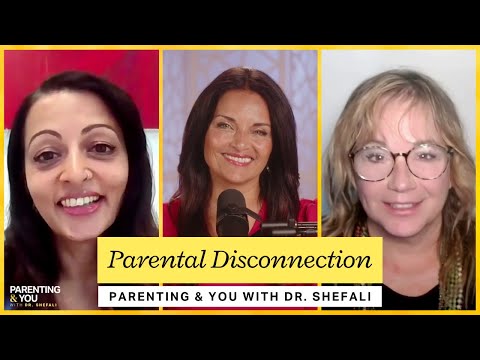
0:02 hi everyone welcome to a new episode of parenting and you with me Dr shaali have you ever been with your children and been in such an impass where you think you're doing the right thing but everything coming out of their mouth is telling you that you're messing it all up I can't tell you how many times I think I'm being so amazing I think I'm listening to my child I think I'm being so compassionate and bloody hell all
0:28 she's telling me is that I'm the worst mother mom you're not listening mom you don't get me I'm so frustrated with you and then I enter my little victim self and I go she doesn't understand I'm just trying to be a great mother if you've ever been in that situation where you and your child feel like you're in completely different worlds well there's a reason why and I'm going to show you what that reason is this is what this
0:53 whole episode is about our parental disconnect coming up next a mother who says she's really having a hard time not controlling not micromanaging every move her 12-year-old daughter makes joining me now is Nita she's been struggling to not be so controlling to her 12-year-old daughter who currently is experiencing some medical conditions Nita says she feels guilty for everything that's going on with her daughter hi Nita welcome tell us what's
1:25 going on hi Dr shali thank you for having me on your show yes so um I don't know I just feel that I get triggered I don't know how to deal with my daughter I'm kind of questioning am I a good mother just because everything that comes out of my mouth how I try to deal with the situation just ends up making things worse um a lot of times I find that there's this push P it's almost like a power struggle
1:55 between us both um I can't just let her say her peace I try to listen to her um but then I just find that I'm going into Solutions and I'm not it ends with her saying you don't love me you're not listening to me and then I feel really bad because then we end up arguing and yeah I'm struggling h a thank you thanks for sharing I know what you wrote To The Producers earlier and I thought that was
2:22 a great thing to talk about now you know firstly your daughter's going through irritable bowel syndrome correct irritable bowel disease oh disease okay so she's going through this problem and that makes you feel very guilty and like you have failed her in some way and you want to fix it and so you go into fixing mode like you said but then you also talked about an example that I thought was quite illustrative of your personality and I can so relate to it
2:49 you talked about how when your daughter is doing the dishes you have to intervene because you want your children to do the dishes in a particular way so you end up you know controlling that situation and the reason I bring up that example because it's such a clear real life example for us parents to see how we are so controlling not because we're bad but we get so anxious that it's not going to be done the right way that we
3:14 intervene and then when we intervene we actually strip our children of feeling seen heard trusted and empowered so let's take that SN example and superimpose it now she has irritable bowel disease right so if you look at it as in dishes to be cleaned this is like dangling in front of Nita oh my God clean it up fix it you know curate it cure it so imagine your fixing perfectionism is now on overdrive right
3:45 if you can't even do the dishes if she can't even do the dishes her way imagine she's walking around quote unquote symbolically with dirty dishes right like you feel you have to clean it up is that something you can relate to that this need of yours comes up even more when you see your daughter around food and around her disease yeah I think it's more that I want to protect her I'm not letting her be her and learn from her
4:12 mistakes I'm so scared of all these medicines that she's taken of her having another flare of that I'm just doing everything I can to protect her but at the same time I'm not letting her grow exactly but you have to understand that you see now it looks like you're protecting her because it's a disease so you're going to embellish what is n's your co-creation and that's why I B up the benign sink example because if in
4:42 the benign sink example that you couldn't even let her wash the dishes without controlling her now imagine what you're doing with the disease and now you are disguising it as protection but what I want you to understand is that you are bringing something to this dynamic damic and you're co-creating the current emotional tone of your Dynamic you didn't create the IB disease but you are now creating the emotional tone with
5:13 your daughter so you only have to focus on you that's all we parents can do the only thing we can ask is how am I making the situation empowering or disempowering how am I making it positive or negative am I connecting or am I disconnecting that's all we need to do so let's look at Nita without the disease and that Nita is the same Nita who cannot even let her children clean the dishes without controlling them now
5:41 that is your part that's coming out here you can protect your daughter but you're trying to control the protection and we can never control the protection you see you're trying to control how you protect her and by diminishing your connection you're actually unprotecting her correct now she's feeling on her own now she's stressed out now you've actually created a greater sensitivity to her disease not an immunity so I want all parents
6:11 listening to realize that they are all you because we all would act like that we would go on hyper protection but we would ruin the connection so the first place to start is you beginning to accept the limits of your control right now she has a disease so you have a limitation she has a limitation so now within the limitation what can we do now your approach has been let me just
6:41 micromanage everything let me just constantly lecture her let me constantly give her sermons you're seeing that that is not working so do you first agree that you have to change your approach that's not me I I know I need to I just don't know how to do he well the only way you can start changing your approach is if you end the justifications for your approach see you've Justified your approach as being Noble so first we need
7:07 to enter huge humility and take out all the butt but butt and if if if and what if and I'm just doing my role as a mother because those are our justifications as a parent it's not working so all those butts and ifs Dr shali if I don't do this she's going to die she's going to get diabetes she's going to get you see all your inner dialogue is keeping you stuck you know you need to change but you're not
7:32 changing and the reason you're not changing is because we as parents create these justifications so I need you to understand that I hear your justifications I agree with you you and I we agree but it's not working all those justifications you need to take them and dump them into a journal because they're coming out of your anxiety and your child doesn't want them around her so now once we've let go of the judgment and let go of the
8:00 rationalization now let's ask what does my child need from me so go ahead if you could enter her body her heart her Essence what would she say she needs from mommy she wants me to listen to her I think if if that's a common thing that comes out of both my son and my daughter is that I don't listen to them I think I listen to them but clearly I'm wrong as a feedback I'm getting um and I think
8:30 she wants me to let her make decisions let her make the mistakes sometimes she has said that to me and I've tried but then I always put the spin on it of yeah you can have that but if you have that you know what's going to happen yes and then they come guilt tripping her and she actually yesterday a similar situation happened and she said well then she got upset I said why are you upset and she said well because you said
8:57 to you said I could eat it but then you said but then you know what's going to happen so you're making me feel guilty yes so here's what's happening your inner child is super anxious and actually I would be the same way so here's how I'm going to help you okay so number one all our children literally every child in the world will say my parent doesn't listen to me and they're right you know why because as soon as
9:21 they finish talking we fix them we give an opinion yesterday my daughter literally yesterday screamed at me you teach other people how to listen to their children you don't listen to me right 100% she threw me under the bus but she was right and she actually taught me how to listen and I'm going to teach you what she taught me this is literally my daughter's advice okay so easy and once she showed me the technique I was like oh I can do this so
9:47 I'm going to teach all parents here's the thing when our children talk we appear to hear them but then we jump in with feedback we jump in with correction we jump with our opinion that's what we do wrong she told me she said Mom you can do that later but first basically zip it so the child talks we need to zip it and then process what they said and then reflect it back to them I hear you
10:19 you are feeling really anxious you're feeling judged by me you're feeling like I'm controlling you you're feeling scared you're feeling like I'm not going to approve whatever they've said said you communicate or you say something like I see you really want to eat the pizza and the donut and you want to drink the soda I understand I hearing you I get it I've heard you so first we establish it's been heard I get it then you say I would like to share my
10:49 anxieties but I need to First process my anxieties I do have anxieties Now by calling it anxieties and owning them you are already removed removing yourself from the pedestal of perfection instead what you do is you come with the finger attitude you shouldn't have that I think you will get into a big problem if you do that I think your stomach will hurt after that you come like this with this attitude of I'm pointing my finger right
11:16 come from this so we think we're doing amazing we're protecting them but they said X and we're saying Z in Spanish in a different language because we're coming from our desire to protect which is our anxiety but instead of owning our anxiety we convert it into a lecture so now they're shutting down so the second thing after you paused after you processed you need to say I have anxieties I would love to share them but I'll come back then later after 30
11:43 minutes you can say can I share my anxieties and then she goes okay Mom what okay this has nothing to do with you you're amazing you're going to deal with your own disease your way I understand I'm trusting you but here are my anxieties when you eat the donut I'm having a freaking panic attack how can I help that help me help you I don't want to vomit my panic attack now you're recruiting her as your Ally and help her
12:11 about your panic attack but you're not dumping the anxiety on her through control you see you see the breakdown and now she can deal with you because she goes okay now you're not pretending that you know best you're sharing that you're just an anxious mother I get it and she may tell you you know go talk to a therapist and you'll be like okay but at least now you're authentically connecting Heart to Heart versus mind to mind literally my
12:40 daughter told me to do this and now I've learned the strategy I'm like oh just shut up listen reflect listen I write about this in my books it's so hard to do she literally told me what I've written but I couldn't do it and no justification she said the worst thing she experiences is when I justify what she's just told me she's angry about so when our children tell us they're angry with us or they're upset with us that is
13:07 a treasure she told me she said the fact that I'm sharing with you is a treasure she told me is a gift to you and you always mess it up and I don't want to share we don't realize when they're sharing with us or being transparent like eating the donut in front of us they're actually communicating I'm safe with you we don't realize that that is a gift and then we go how can you eat the
13:32 donut now we've shamed them and then we justify why we've shamed them right or if they come to us and say mommy I'm really angry with you because you were so rude the other day now we think we should justify why we were rude oh I was rude because you were rude okay you see what I mean so then the kid feels like wow you are hurting me so much again so this is a very emotional thing
13:59 for our children their need to be seen as whole by us like I'm not a damaged piece of goods that you need to fix I'm not broken can you please stop treating me like I'm a 2-year-old they need to see that we are empowering them we have issues which we can talk about later but we cannot dump it on them you understand the breakdown and this is what she's been trying to tell you and she can't
14:25 articulate it my daughter broke it down for me because she's 21 your daughter's 12 but this is what she's trying to say so the greatest gift you could give her today is to go back and go oh my God you're right I've never really listen I've really been annoying oh my God I'm so sorry I've been micromanaging you tell me how you felt and then be quiet when she tells you so what what are you taking away from this conversation I
14:51 think it's more sitting with her un listening and not trying to justify why and and it Mak sense cuz that's why that cycle is repeating because she's saying something she's telling me how she's feeling but then I'm justifying it so then she's getting even more worked and it just becomes I guess like I said that power trouble so maybe if I step back and I actually show her that I'm listening but be myself and actually say
15:18 actually this is how I not feeling but not justify maybe there'll be a difference in the way she responds that yes but let's wait on you sharing how you're feeling till after you've processed how she's feeling okay give her the time and then you can have your time later so yesterday I practiced this with my daughter and I said I have some feelings let me know when I can share and then later she said share so I
15:43 shared and she said I'm sorry right and she understood my pain so our children are here to teach us and you're here to learn a new way of communicating which is going to be so empowering for you and her well thank you for listening to me you listen to me beautifully you didn't justify with me because you see I don't trigger your anxiety right so you can receive you the reason you received from me so beautifully Nita is because you
16:10 gave me trust you actually respect me now Look she doesn't feel that trust she doesn't feel that respect you see how beautifully you listen to me because you trusted me and then you felt safe with her you're communicating hey child I don't trust you you're not safe so she doesn't then feel safe with you so give her what you're giving me I'm 52 I can handle you not giving me this she can't handle it if she got what you gave me
16:40 you're giving this to me and I'm not even your child why do I deserve this Nita she deserves this so put the same feeling the beauty that you gave me give it to her and thank you for giving it to me than I hope this helped yes it helps it helps I just need to remember I need to practice I think the more I practice the more I see the change happening that's yeah it's going to help her it's
17:06 going to help me excellent thank you so much thank you thank you for H all I think so many parents can relate to this Mother's story you know when our children go through some disease or medical condition oh my goodness then our anxieties go on overdrive and then we go insane and then we justify it as protection while it is protection what typically happens is we go into such a controlling place that we actually end up disempowering our
17:36 children we don't truly listen to them and I hope all of you could learn from my daughter because I'm still learning how to listen well it is such an art it is such a technique but if we get it right and we do the art of listening well it is a GameChanger in all our relationships coming up next a mother who's in a a terrible state of anxiety and panic because she feels she's losing connection with her 24-year-old
18:07 daughter joining me now is Holly Holly's feeling disconnected from her 24-year-old daughter and has a deep fear of losing her hi Holly welcome hi share with me it's so hard with these adult children you know my daughter's 21 so I understand already but tell me tell me in your own words what you're experiencing so we had a codependent relationship through her teenage years because she had a lot of mental health issues and we were pretty am mesed and
18:38 then when she left when she was 21 actually it completely changed like she completely shifted gears now I understand you know she's probably trying to unattach from me uh which is understandable but it's been very hard on me because I have abandonment issues and I don't have a lot of family and she's pretty much it so I'm trying hard not to cling on to her but I do find even she has said this to me it's like
19:06 I'm either all there or I'm not at all I go one extreme to the other yes trying to protect myself I guess well you already have stated your issues I know how wise you are I know Holly from outside of here but here's the thing Holly let's go to that protective mechanism that you are used to from your childhood which is complete enmeshment on one end which really means that Holly is kind of the boss kind of in charge
19:36 you're either micromanaging fixing healing Saving right because you've been used to that role or you go the other extreme of F this I'm going to do nothing you know because I need to protect myself so it's not so much that your daughter is abandoning you it's that you can't abandon these two ways of being and she needs another way of being so she's abandoning these two ways of being she's saying can you please stop these two ways of being with me and you're
20:08 like oh you're abandoning me you're abandoning me you're she's like no I'm abandoning your ways of being with me I don't like the ways you are with me but your old narrative is I'm rejectable I'm abandona so you're just looking at it as she's abandoning me what I'm hearing is she's saying I don't like these ways you are with me and I need to leave these ways and the ways are what full invesment which means I'm going to save
20:37 you I need to be involved I need to know everything and we're together forever or I'm out right you said it to me right these are your coping mechanism so she's inviting you to be another way Holly and you're like uh I don't know how else to be right yeah exactly so let's try to Envision how else we could be with our daughters now step out of Holly the mother and Holly you know advises a lot
21:05 of other mothers and you've advised me in the past so step into what advice you would give to another mother of a young woman how should that mother be because that's exactly what you're not being go ahead you already know the answer cerebrally you're just not able to do it for your daughter right and you said that perfectly cber like I can't I can conceptualize it but I can't actualize it yes which is I find it yeah I do I
21:32 find it difficult to find what is that in between state or what is it that she wants yes from me because she's having a difficult time describing it too I suppose I would say to a client looking up her personality that uh she needs nurturing when she reaches out and needs to be left alone when she's not reaching out that she has to navigate at what she wants from me when she needs it but then
22:03 I know that the client would say well then what do I do with me and between those times because I'm obsessing over it every day exactly because her cup is full and mine is not yeah that client would say what about me not a client whose cup is full if you told me that I'd be like okay I love that because my cup would be full but the client whose cup is not full the mother whose cup is
22:28 not nul would say what about me this has nothing to do with you but you see so let's go to that voice what about me how old is that voice in you Holly 12 exactly why did you say 12 so fast what happened in your life at 12 it just popped in my life so fast but that's about the beginning of my parents divorce yeah what about me that's it my love you're coming to her with the
22:54 12-year-old energy of what about me and and she senses it and she's tired of being that receiver of that energy or or feeling burdened that she has to fix it for you great yeah I see you're emotional right now yeah it's that unhealed little girl my love it's still she's still living there she's right here Holly you're successful you've grown up you're so wise but the what about me 12-year-old is still feeling
23:26 unseen and unheard so whenever you come toward her with that energy you're actually suppressing her what about me little girl so she's not coming to you anymore she's like F this when I come to my mom she has what about me energy but I have what about me energy exactly and this is what I call the twin beggar what about me syndrome in all our relationships I'm reaching out to you you're reaching out to me and we're both
23:52 dissatisfied and hungry but the parents' job and that's what I teach right is that we have to par parent ourselves and feel that inner girl's pain within us otherwise our children will suffer so the what about me little girl needs healing in Holly right so what can we do to help what about me in you right where can we fill her your outside child cannot help the inside child that's a good one yeah so sit with that and let's just
24:24 touch that little girl within us right now all of us listening everyone listening right now has a what about me is anyone caring for me is anyone looking out for me I feel unheard I'm terrified do you know every human being right now listening to this as competent as they are as lovely as they are as amazing their children are has this part that is unmet I mean I have it right now I'm feeling that in my own life right
24:54 now in one little aspect of like F this what about me no cares about me it is a constant it's a constant but with people like you or others who've had more trauma that little voice is even bigger so right now for everyone listening and you Holly let's just put our hand symbolically around that little girl that little boy that's saying what about me and for this one moment try to fill that void and say I got you I'm not
25:25 going to expect my partner my mother my child I'm going to start nurturing so Holly what is something today you can do for you for your own what about me little girl because you have to learn to fill that cup yourself so what is something we can give your little girl right now that's a tough one um I feel like I'm trying too many things and they're not it's not really successful in feeling like the cup is
25:55 full at all I mean I have full days I'm busy but busy is not taking care of the what about me little voice inside you H you know your work is to help other people's little girls and little boys I'm asking look how hard it is for you to be a parent for yourself so do you know how you're repeating your cycle of Abandonment your daughter's not repeating the cycle of Abandonment you are repeating the cycle of abandoning
26:23 yeah I can see how out of touch you are with your little 12-year-old you've not unified with your 12-year-old you've not even touched her leave alone healed her I can see in front of me you're a dear in headlights right now you're like uh I don't know I don't know who she is Holly You' have been taking care of other people's little girls and boys but you've repeated the abandonment right here right now within yourself I
26:49 feel like it's it's not like something I have to do like a pampering or anything I feel like somehow I have to find a voice I'm very much of people pleaser when I'm afraid people are going to leave CU it's happened you know my mother has left my father left my sister left it's all like kind of an ongoing story in my life and right when I can tell that separation may be permanent I start to just become very accommodating
27:16 like I don't have a voice I don't say anything that bothers me or upsets me or I don't want to have a conversation about it yes what you're really hitting on my love is that the voice of your inner pain is completely not being acknowledged by yourself yeah the voice of our anxieties and this is what we do in life we cover up our inner feelings with the doing the shield the mask the fixing or the acting like we're
27:44 competent adults professionals that is all the great ego that survives but that has nothing to do with being honest about your own inner feelings again it's not about speaking it up to anybody on the outside it's about speaking it up it's bringing it up to your conscious awareness and your adult self has to begin to take care of your inner child and this is the work I teach it's not going to happen in one moment but you
28:12 know my book The Parenting map read it from Front to end it is every technique every skill you need to reclaim your inner child take my courses this inner work of your own inner healing Holly is something you have not done you've entered the mind and you've helped people from the Mind space but it'll never truly be healing even for them because your own inner world is unacknowledged you've abandoned your inner voice completely you've abandoned
28:45 that little girl and you've begun to people please in order to get love but it's never going to get love because you're coming from lack and when you come from LA everyone runs away from you which is what's been happening so if you really want to have a good relationship ship with your external daughter you need to First parent your inner daughter the inner girl the secret to bonding with your adult child is to take care of
29:09 your inner child this I mean I can see you're completely lost you're looking at me like I don't know what to say to her right so let this be an experiential embodiment of the disconnect I see it do you see it and now let it be the invitation to go wow I really inherited the abandonment and I'm doing it now to myself yeah right there's so much talk about inheriting the perpetrator right if we have been
29:38 victimized then we become the perpetrator you've done that to yourself you were abandoned you begun to be the abandoner for yourself and then you abandon your daughter because she's like hello no one is home you're operating from why me and you don't realize you're operating from why me and you're expecting her to fix you so now is the start and I'm going to stay on top of you because I know you and I'm going to check up on you have you begun
30:04 doing your inner parenting really doing the work not from your mind not from a knowing place from a being place from a healing place so what is one commitment you're going to start declaring for yourself from today I have to listen to that little girl's voice I have to be there for her and listen to what she has to say yes and can you begin to reframe that your daughter has not abandoned you your daughter hasn't separated she's just separating
30:34 from your ego mask of clinging saving or withdrawing that is the mask because underneath is a hungry little girl looking for love so you've actually been very self-absorbed you've actually been all in your own psyche without realizing yeah and she's had to pay a price and she's saying I can't deal with your ego inner child anymore mom so reframe she's not abandoning you she's just abandoning your unconsciousness yeah absolutely I have a
31:05 question because I always look at things on a spiritual level as well and I think that maybe this is a lesson for me to learn more non-attachment more unconditional love or is that just going too much in my head again I think before you go to spiritual just go to psychological I think spiritual entertainment sometimes can become a bypass of the psychological healing yeah like you want to go learn the lesson of you know what I just need to not attach
31:34 I just need to let go that sounds amazing but that's a bypass the real psychological work is you've abandoned your inner child you're hungry and needy start filling your own inner cup and becoming whole then we can talk about letting go see you want to let go and bypass the psychological work cuz that's too much work so you're entering this fake Buddha self of like okay I'll just let every all everybody go no figure out why they're going figure
32:00 out why your child is upset with you that is looking in the mirror and going what have I co-created here I'm not going to let you off the hook Missy go do this inner work she's like let me just be spiritual about it you're adorable thank you Holly for helping thank you for helping other people you've just helped so many people realize their bypass and their inner abandonment so thank you so much thank you oh both these stories really touched
32:28 my heart because I see myself in both of them do you see yourself in both these stories where the mothers right we the parents begin to lick our wounds and we feel as if our children are being unreasonable we feel as if our children are rejecting us our children are so rude or not taking our advice or in Holly's case our children are abandoning us but what we fail to do is look in the mirror with brutal transparency honesty
32:58 and courage and ask what is my shadow that is showing up how am I co-creating this reaction that I'm experiencing from my child you see our children are so wise they may not know how to articulate what we are doing wrong but they're showing us through their emotions through their frustrations through their abandonment of us what we are doing wrong and because we are so unhealed we take it person personally and we go lick our
33:29 wounds as if we are the victims of them and we don't look and see within ourselves how we are co-creating them being the victims of us so this is the grand Ploy of the parental unconscious and until we can look in the mirror and begin to see how actually disconnected we are because we are actually coming from an unhealed why me little girl place of anxiety or little boy place of anxiety which then translates into control we
34:01 are the ones abandoning our children we are the ones failing to show up for them and until we do the inner work our children will experience the disconnection and manifest it I hope you learned something from today because I sure did if you enjoyed the show don't forget to subscribe and I will see you on the next episode of parenting and you with me Dr shaali parenting and you with Dr chaali is for educational and informational purposes only it is not
34:33 intended as a substitute for professional medical psychological psychotherapeutic coaching health care or other qualified professional advice diagnosis or treatment
Summary
- Parents often feel disconnected from their children, especially during challenging times, leading to feelings of inadequacy.
- Nita struggles with controlling her daughter due to her anxiety about her daughter's health, which results in a lack of empowerment for the child.
- Dr. Shaali emphasizes the need for parents to reflect on their own behaviors and how they contribute to disconnection.
- Holly grapples with feelings of abandonment as her adult daughter seeks independence, revealing her own unresolved childhood issues.
- The importance of listening without immediately jumping to solutions or justifications is highlighted as a key communication skill.
- Parents must confront their inner child and emotional needs to avoid projecting anxieties onto their children.
- Dr. Shaali encourages parents to practice self-care and self-reflection to foster healthier dynamics with their children.
- The episode underscores that children often communicate their needs through their emotions, which can guide parents in understanding their own shortcomings.