Section Insights
The Importance of a Daily Routine
Why is a daily routine important for sales professionals?
A daily routine provides structure, improves efficiency, and enhances internal branding for sales professionals. It allows individuals to know what tasks to focus on each day, leading to better results and a clearer sales process.
- Daily routines help in achieving consistent results.
- Having a structured schedule reduces decision fatigue.
- A well-defined process can enhance your internal brand and visibility within the organization.
Building Your Internal Brand
How can a daily routine improve your internal brand?
A consistent routine allows sales professionals to articulate their processes clearly, which can protect them during performance evaluations and position them for promotions. It also helps in showcasing successful strategies to management.
- A structured routine can serve as a talking point during performance reviews.
- Demonstrating a clear sales process can enhance promotion prospects.
- Consistency in results can lead to recognition and opportunities for teaching others.
Implementing the ABAB Cadence
What is the ABAB email and call cadence and how can it be implemented?
The ABAB cadence involves alternating between emails and calls in a structured manner. This simple yet effective approach helps maintain consistency and can be scaled as one becomes more comfortable with the routine.
- Start with a simple ABAB cadence to build consistency.
- Gradually increase the complexity and volume of outreach as you become more efficient.
- Establishing a routine can help automate parts of the sales process.
Optimizing Your Daily Schedule
How can you optimize your daily schedule for better results?
Optimization involves refining your process over time, increasing the volume of outreach, and adapting your approach based on what works best for you. It's important to remain flexible and evolve your routine as you gain experience.
- Aim to complete as much of your planned tasks as possible, even if it's not 100%.
- Regularly assess and tweak your routine to improve efficiency.
- Collaboration with account executives can enhance targeting and effectiveness.
Transcript
0:00 all right my name is Connor Murray I've been in Enterprise software sales for 7 years now at a Fortune 100 company I started as an SDR and worked my way up to where I currently am as an Enterprise account executive and it was this schedule that changed the game for me and took the SDR job from what felt like a grind to get the results I wanted to putting things on autopilot working way more efficiently getting better results
0:23 with far less work required so in this video I'm going to go in more depth than in detail than I ever have on this schedule how it changed my results for the better so I'm going to cover first why a daily routine is so important because I don't think a lot of PE people realize just how important it is what it should do for you too like when you're creating a schedule and a process for yourself what do you want it to
0:45 accomplish the same way CRM systems I hear things like how do I use HubSpot how do I use Salesforce where you should more be asking what do you want these tools to do for me I'm going to show you the ABAB email and call Cadence I referenced this a lot on my channel and I'm going to go go into more detail than I ever have I'm going to show you a real example a screenshot of what my daily
1:05 schedule looked like as an SDR and how you can replicate it for yourself and then how to optimize this process for yourself going forward so let's get into it all right the importance of a daily routine so there's three key reasons in my opinion and the first one being maybe obvious it gives you daily structure it allows you to wake up knowing what to do rather than having to come up with what to do each day when I was an SDR this is
1:32 was a killer and I was an SDR manager for two years and what really slowed people down is when they would show up they'd get to their desk at 8: a.m. and they'd think what do I need to do today what list do I need to build am I going to email people or call people what am I going to say to them and it just causes so much friction and next thing you know it's past 10: a.m. and you haven't even
1:51 gotten started and you don't know whether what you're doing is efficient or not so you want to give yourself something to do without even thinking about it like when you sit down you physically just have to move your hands because you already have everything in place and know what you're going to be doing I always reference the Steve Jobs analogy it's it's a bit extreme you don't need to do this but you only have so much mental energy per day and as it
2:12 before it starts to drain and he used to line his closet with the same black turtleneck in jeans and that's what he would put on every single day because he didn't want to waste five minutes thinking about what am I going to wear today you don't need to go that far obviously but it's the same thing in the SDR job it just massively reduces Stress and Anxiety too which is something I hear a lot from people in the industry I
2:32 know I experienced this my first two quarters as an SDR when I didn't really have a consistent process for myself I would sit down Monday morning generally not not know what I was going to do that day never mind the week and that's when the stress and the anxiety start to kick in and it just makes everything less enjoyable it burns you out and makes it harder to get better results important reason number two is it gives you a
2:54 reference point it's something to build off and measure when you're getting results you have more of a feedback loop as to why you're getting those results or if the results are lower than you were expecting you can look at your process and say did I follow it every day did I send enough emails did I make enough calls did I do the things that I planned out or did I miss and is that why my results are either lower or maybe
3:16 they're better than expected so you just get more context with your weekly and monthly results I always use this gym analogy too most people if you've ever followed a workout routine whether it's to build muscle or maybe you've trans for a marathon or something it's a lot more efficient when you have a consistent routine in place and you know what you're doing on which days so that when you show up to the gym you don't need to think what am I going to work
3:40 out today legs arms what exercises am I going to do sure you can go to the gym and and do that and and make progress but you're just going to make progress at a much slower pace and you're more likely to burn out and quit when you're not getting the results you wanted and it's very similar in the SDR job in general with both coal calls and email sure you can show up make some calls make some emails you might make some
4:01 progress but you're going to get a lot better at both when you have a more consistent routine in place that's designed to help you be more efficient and then important number reason number three I don't think a lot of people take this one into account is it really can improve your internal brand so in a few ways it's something you can speak to if the results aren't what you want and there's there's been a lot of layoffs
4:23 the past couple years God forbid hopefully it doesn't get to that point but if you're not getting the results that are expected of you at least you have something you can speak to it protects your downside if things are going well and I know this is what happened to me and I've seen it happened to a lot of sdrs is when things are going well generally management starts to say what's working what are you doing can you teach it to the rest of the team
4:45 or the organization it's a great way to build your brand and get a lot of exposure and start to prepare yourself for promotion because a lot of you I know it's not everyone but a lot of you are sdrs hoping to promote to that account executive role this is one great way to do it because another thing the number one question you'll be asked and this doesn't go away when you're an AE but certainly when you're getting
5:04 promoted or looking to get a promotion to an account executive the number one question is tell me about your sales process and if you can clearly articulate here's how I structure each of my day each part of my day and why and how I've optimized it and continue to you're basically hired at that point it's obviously not a guarantee but like that's the number one thing they're consistently looking for hiring managers is that you can clearly articulate your
5:27 process so going a little double clicking a little deeper I brought this up at the beginning what should a daily schedule do for you I think it's some basic things it should reduce friction in your day like I was just talking about so that when you sit down you know what to do all of those little side things that you would have been doing like building lists or do I email do I call you don't have to think or waste any mental energy
5:51 on that stuff and therefore it should increase your efficiency one of the main things is it should help increase your volume and your consistency when you're you're an SDR most commonly your metrics are around the number of meetings you set and the number of those meetings that convert to Opportunities I see things like anywhere from 15 to 25 meetings per month that a lot of you are expected to book your schedule should help you you need to deliver a lot of
6:16 volume in order to hit those types of numbers so your schedule should help you do that at scale consistently while maintaining a high quality so we're going to go into that it should also give you a benchmark and more predictability when I really got this process and scheduled down I generally knew it was never a guarantee but I generally knew within the first 2 to 3 hours of the day when I had done enough activities that would give me the
6:41 expected results that I needed yes it wasn't always a guarantee but generally once I got a certain amount of emails out the door and made a certain amount of calls I could expect a certain amount of results with predictability over time and then it should help you feel like the job is on autopilot you start getting better results with less work it doesn't mean you work less it just means it doesn't take as much effort for you
7:03 to get the results that you desire so your schedule another way to look at it should not be complex it should not prevent you from doing these things volume and consistency trumps any sophisticated Cadence less is usually more simple is better for all of the reasons above complex cadences are generally red flags and unfortunately it's what I commonly see taught this is a fake example but I see people's cadences a lot of times it's what their
7:29 company gives them or what they themselves put together and it's like email a list or a contact day one then call them then send a LinkedIn requ LinkedIn connection the next day but no note yet and then a voicemail if they don't answer the next day then send in a l and it's LinkedIn note and it's like it's so hard to keep track of that a schedule should be easy to implement and easy to be consistent with and not have
7:51 to cause you to think too hard so now we're going to get into what that can look like so this is is an example a basic example of the ABAB email plus call Cadence that I preach and it's what it sounds like the ABAB it's essentially email call email call email call nice and simple we can make it more complex over time if we identify opportunities to but in general this is going to get you the type of results you want just by
8:22 keeping it simple and consistent like this it's essentially an every other day Cadence in a couple of ways which I'm going to cover in a second which makes it very easy to keep track of which is important so you want to start slow and get used to going through the motions I always tell people don't try and boil the ocean at at first like anytime you start trying to implement a new schedule or a new Cadence it's going to feel a
8:44 little awkward just cuz you haven't gone through the motions yet but once you go through a cycle you start to see oh like this is how I can actually not necessarily fully automate but how I can wake up and have something in place to do every day and then over time as you get more efficient at it and it becomes second nature then you can increase the volume and even the number of these cadences you don't even have to just
9:05 wait to do one at a time so here's an example I tried to color code it to make it easy but it's essentially like I said an email call email call for two different lists so in this example Monday the first thing you do when you sit down that morning is you're going to email what I refer to as group a so if you have seen any of my other videos about coiling the spring and why such an
9:29 important process I'm not going to go into too much detail here but it's essentially you want to make your lists upfront first make your email templates and Co call scripts that are targeted for those lists upfront first for example making a list of Finance personas in the banking industry and then making an email template that's targeted for finance people in the banking industry so that when you send it out to all of them it's very likely
9:50 to be a targeted email template I'll link to a video where I go more in detail on that but when you sit down that's the first thing you're going to do and notice how I said group a this is a question I get a lot it doesn't necessarily need to be one list if your list of Finance personas in banking is only 37 people then you should move on to another list because the follow-ups are designed to be agnostic to what the
10:11 specific Persona or industry is so you could send it to five lists ideally you want to be sending an hour to an hour and a half of emails I'm going to show you more of an example of that schedule on the next slide but email group a on Monday and then you're done Tuesday the first thing you're going to do is email a different list in this in this case let's call it HR personas that work in
10:32 Insurance we're going to email Group B now what we're going to do later in the day is call group a that we emailed yesterday Wednesday the first thing we're going to do follow up email one to group a so you can and then call Group B so what I want you to see here is how it's an every other day type thing so let's just look at group a for a second on Monday they get an email on Tuesday
10:55 they get a call on Wednesday they get an email on Thursday they get a call on Friday they get an email and so on and it's the same thing with Group B on Tuesday they get an email Wednesday they get a call Thursday they get an email Friday they get a call and it's the same thing you kind of rinse and repeat the first thing you do when you sit down each day is go into your scent box a lot
11:15 of you can just automate this stuff I still do it manually myself but you scroll down and you basically go in your sent box and look at what emails you sent two days ago and now you know what next step in the Cadence you need to implement whether it's follow-up one follow-up two followup 3 and you get to a point where you start running multiple cadences at once so let's just take group a for example email call email
11:39 call email on Friday so on Monday you're going to call them you're sending follow-up email to Group B but then look it's Monday again so you want to email a new group a the follow-ups are designed to be mostly copy and pastable so it's not like this takes an hour or two to send out the follow-ups it's a lot of them are just copy and paste you can be done in 20 20 minutes and then email a
12:00 new group a and you can start running multiple cadences at once the better you get at it the more you can ramp up the volume but let me know if you have questions on this in the comments I know it can be hard but I tried to color code it to show it's just every other day and then you can layer in a little more Nuance as you start to get used to going through the motions and identify
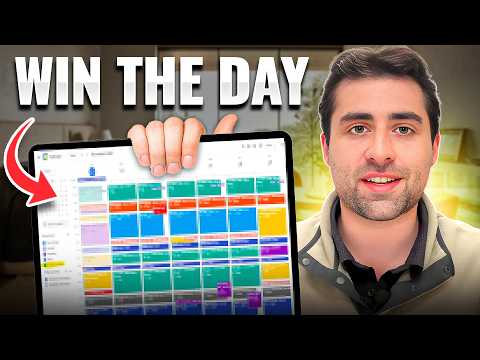
12:21 opportunities to do so but now we're going to get into what an actual example could look like one second let me get my head out of the way all right and as you can see I'm recording this on the 28th it's Christmas week so merry Christmas happy Hanukkah it's also my birthday on the 27th so big week so you can see this is how I personally went about it maybe pause for a second and take a look at at
12:44 what I actually show here but I was personally always an email guy in the morning so I'm not saying this is the only way you can do it you could switch and do calls in the morning because I think the early morning is the best time to both email and call especially email though because I've found that if you email within this 8 to 9:30 time window that's when people are a lot more likely to read your email
13:08 they're not in meetings yet they haven't gotten their day started so I and personally I just was never able to get myself to Cole call first thing in the morning I think email was a good way to warm up my day so on Monday I'm this is just a visualization of what I showed you on the last slide you can maybe click back and forth but Monday I spent the first hour and a half a day emailing
13:27 group a this middle piece just getting ready like you could just keep emailing but in general once I felt a little burned out from emails took a break coffee break or something just get myself ready to call Group B so that's generally this is the time of day that I spent cold calling right up until lunch if I was on a heater I would just go straight through lunch but I did block off lunch for myself now the next day
13:52 this is where you can start to layer in some complexity over time but in general I'm planning what I'm going to be doing the next day so getting that email list ready so that when I sit down on Tuesday I already know who I'm going to email I I spend this time maybe I have some internal meetings meeting with my account executive make maybe making some more strategic out Outreach to people who aren't on these lists but that's
14:14 generally how I spent that next hour and a half and then getting myself ready to call again same list Group B Because if you're doing email right you're going to send more emails than you can make calls it's not like you're not always going to be able to call every single person but that's why like to do two call blocks to give myself the best chance possible but really my the day my my structured day was generally email morning and then two
14:37 different call blocks with a block in the middle to plan out my next day now you'll see at the bottom here I put LinkedIn this is optional but generally that was when like I went home I was watching TV that's when I would pull up my laptop and worry about LinkedIn for the main purpose of the Cadence I don't really use LinkedIn I think LinkedIn messages can actually inadvertently lower your results and the chance that they respond to one of your emails
15:01 because now they just see that you're another LinkedIn salesperson in their inbox so I actually usually didn't even send Linked In messages to people I was running the Cadence with just random people just not even putting too much stock into it just seeing if I could book some extra meetings but Tuesday now when I wake up first thing I'm going to do email Group B and then notice how it's call group a so the days that group
15:23 one group is getting an email they're getting a call the next day that they're not getting an email so calling group a day is structured exactly the same now Wednesday don't do this on Christmas but followup one to group a and then call Group B 26th Thursday follow up one to Group B calls group a and you can see it's the same thing every other day now not every day is going to be perfect like this obviously you're going to have
15:51 some meet maybe you've set meetings so you have to take some Discovery calls or you have internal organization type meetings this is just the General structure you want to try and get done each day if you only get 80% of it done or 90% of it done that's a lot better than getting 10 or 20% of it done you just want to have this stuff laid out so this is how I this is an actual example
16:14 of what I did as an SDR that really accelerated my results and reduced a lot of the randomness and started to put things on autopilot so you can pause this copy paste it try and implement it for yourself tweak it make it your own based on your company and your your particular schedule but this is a very basic example that will get you results if you implement it then when it comes to optimization the better you get at it you're going to
16:41 identify some of those nuances I was talking about and whatever process you implement at first will not be the process you use 3 months from now 6 months from now at least hopefully not because hopefully you're making it better so the process will constantly be invol evolving so one way is to increase volume like I was mentioning the more comfortable you get with the process the more second nature it becomes you can start to run multiple of these cadences
17:05 at once you can sort of start to see how you can run multiple of them and just look at where the next list depending on what the last message you sent to them was over email what's the next step in the Cadence you can also strategically work with your account executive or Executives if you have multiple to be more targeted in the list that you're picking which accounts are better targets which particular Industries are more likely to lead to Opportunities
17:28 that's going to change for everyone depending on where you work introducing nuanced changes but be careful like if you identify opportunities to to add a little complexity to the schedule which you will you should Implement them but just be careful because when you start to stack them up it just start you get away from the Simplicity that made it so effective in the first place so just be careful with that one don't introduce too much change at once but there are
17:54 opportunities to change the times a day you're doing something and things like like that another way to do this is take time zones into account so this is one of those things I don't recommend doing out of the gate so that you don't overwhelm yourself but remember how I was mentioning early morning's the best time of day to generally get people on the phone and me personally I'm an Eastern time I generally didn't like cold calling in the morning but I would
18:18 make lists so that that call block that was at 10:30 a.m. to 12:00 p.m. I would purposely call accounts that were on mountain time or in Pacific time so that it was early morning for them and I was getting that early morning cold call effect same thing at the end of the day too if you take time zones into account you can increase answer rates but that's one of those things you'll get to over time you don't necessarily need to start
18:41 out with that and then you should be split testing email templates and the follow-up emails that you're using because small differences particularly over email can make a massive difference don't change too much at once again but test a couple different templates test different follow-ups which ones are getting more responses and then improving your cold call scripts over time too which a lot of that is just comes down to your tonality and your confidence which go into a lot more
19:06 detail and other videos on this channel but that's the schedule AB ABAB keep it simple every other day call email call email refer back to this as you're implementing it yourself and just take it one day at a time and Implement what's there if you want more Hands-On guidance actually implementing a Cadence like this and coming up with the scripts and the templates that you can plug and play as you go check out the links in
19:30 the pin comment below in the description as well where we do just that but hope you enjoyed if it helped hit the like button subscribe and I'll see you on the next one
Summary
- A daily routine provides structure, reducing decision fatigue and increasing productivity.
- Consistency in scheduling allows for better tracking of results and performance feedback.
- A well-defined process can enhance your internal brand and prepare you for promotions.
- Murray advocates for a simple ABAB email and call cadence, alternating between emails and calls every other day.
- The routine should be easy to implement, focusing on volume and consistency rather than complexity.
- He suggests optimizing the schedule over time by increasing volume and strategically targeting lists.
- Time zones can be leveraged for better call timing, enhancing response rates.
- Continuous testing of email templates and call scripts can lead to improved engagement and results.
Questions Answered
Why is a daily routine important for sales professionals?
A daily routine provides structure, improves efficiency, and enhances internal branding for sales professionals. It allows individuals to know what tasks to focus on each day, leading to better results and a clearer sales process.
How can a daily routine improve your internal brand?
A consistent routine allows sales professionals to articulate their processes clearly, which can protect them during performance evaluations and position them for promotions. It also helps in showcasing successful strategies to management.
What is the ABAB email and call cadence and how can it be implemented?
The ABAB cadence involves alternating between emails and calls in a structured manner. This simple yet effective approach helps maintain consistency and can be scaled as one becomes more comfortable with the routine.
How can you optimize your daily schedule for better results?
Optimization involves refining your process over time, increasing the volume of outreach, and adapting your approach based on what works best for you. It's important to remain flexible and evolve your routine as you gain experience.