Section Insights
Introduction to Weight Loss Mistakes
What common mistakes should be avoided during a weight loss journey?
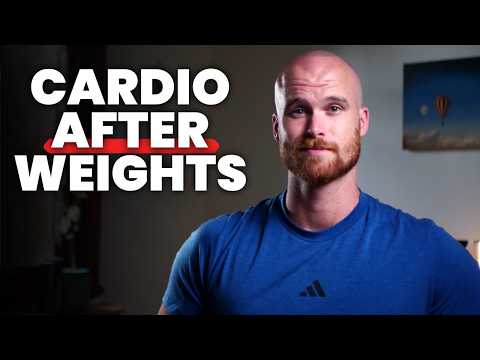
The speaker reflects on their personal experience of reducing body fat from over 20% to 12%, highlighting six mistakes made along the way that hindered progress. The first mistake discussed is cutting calories too aggressively, which led to exhaustion and muscle loss.
- Cutting calories drastically can lead to fatigue and muscle loss.
- Finding a balance in calorie reduction is crucial for sustainable weight loss.
- Understanding your body's energy needs is essential during weight loss.
Mistake of Changing Meals Completely
How should meal changes be approached during weight loss?
The speaker initially believed they needed to completely change their meals to lose weight, which led to a lack of enjoyment and motivation. They later learned to track their food intake, allowing for a balance of healthy foods and occasional treats.
- Avoid drastic changes to meals that eliminate enjoyment.
- Tracking food intake can help maintain balance and enjoyment during weight loss.
- Incorporating favorite foods in moderation can enhance adherence to a diet.
Overdoing Cardio
What is the impact of excessive cardio on weight loss?
The speaker discusses the mistake of adding excessive cardio to their routine, which led to exhaustion and a lack of motivation. They emphasize that movement should be about maintaining activity levels rather than intense cardio sessions.
- Excessive cardio can lead to fatigue and decreased motivation.
- Focus on maintaining activity levels rather than overexerting with cardio.
- Diet plays a more significant role in weight loss than cardio alone.
Prioritizing Weight Training
Why is weight training important during weight loss?
The speaker explains that building muscle increases metabolism, making it easier to maintain weight loss. They advise prioritizing weight training over cardio to invest in long-term metabolic health.
- Weight training helps build muscle, which increases metabolism.
- Prioritize weight training to support weight loss and future calorie management.
- Incorporate light cardio as a supplement rather than the main focus.
Staying Focused on Goals
How can one maintain motivation during a weight loss journey?
The speaker highlights the importance of keeping sight of the weight loss goal to avoid losing motivation. They suggest writing down goals and placing them in visible locations to serve as reminders.
- Losing sight of goals can lead to decreased motivation and potential failure.
- Visual reminders of goals can help maintain focus and discipline.
- Accountability from others can support motivation during challenging times.
Transcript
0:00 I recently took myself from over 20% body fat down to 12 and throughout that journey, I made so many mistakes that looking back on it, if I'd fixed all I knew about, would have made this entire process so much quicker. And the frustrating thing was these mistakes I'd made weren't obvious ones. They were stuff that I actually originally thought were true and thought would be there in my progress, but were actually causing more of a hindrance. So in today's video, I'm going to run through all six of them so you know exactly what to avoid to make this weight loss journey so much easier. So what's the first mistake? Well, obviously when you first attempt to lose the weight, you're given the advice of cut calories and move more, right? It's eat less, move more.
0:42 It's what everyone says. But the problem that I'd made and I've actually seen multiple other guys make is they cut their food too aggressively. And this is exactly what I did when I first started. I'd thought, okay, well, if I need to cut food, then let me just reduce a bunch of food that I'm eating and obviously I'll lose the weight quite fast. But what actually happened was I cut my food drastically. Yeah, I lost weight in the first week or two, but by week three, I was not only starving, but I felt far more exhausted than I originally was and I felt like I was losing more muscle. Yeah, I looked smaller, but not in the places I wanted.
1:21 What I didn't know is there's actually a sweet spot in terms of how much food you should cut. If you cut too much, you just don't give your body the energy it needs actually sustain in that weight loss phase. But obviously if you cut too little, then you're just not going to lose any weight. So I found for me, if I'd cut anything more than 1,000 calories from what I was eating, so let's say I was usually eating 3,000 and I cut to two, that felt like too much.
1:46 But if I only cut five or 600, that was the sweet spot where I still felt like I could actually eat meals, but I wasn't starving and I wasn't just drained of energy. So the mistake you need to avoid if your goal is to lose weight is just don't cut your food too fast. Try and cut it by just 500 calories and see what that's like for a week or two. If you're losing weight without feeling too exhausted or too drained, then you're in that sweet spot. Stick with it and just keep going. But that leads us right into mistake number two because when I first attempted to lose weight, I'd thought I needed to change my meals entirely. I just gone from like a bulking eating phase where I was kind of just eating the food I liked and I enjoyed it and then I switched to losing weight, trying to burn my fat off and I thought, okay, well, if the goal's now to lose fat, then I should probably change my foods and be more healthy. So what I did was take out the foods I actually enjoyed eating and started putting what I thought I needed to eat. I ended up eating like cans of tuna straight out of the can and like vegetable salads when in the past, I'd never even touched that style of food. And not only that, I'd cut out what I enjoyed in life. So getting snacks at the cinemas or dining out for the occasional takeout on my day off. Stuff that actually recharged my batteries and brought me energy, I'd taken out. And again, I got two or three weeks in it. Yeah, I might have been seeing good weight loss progress, but I just wasn't enjoying the process anymore. And I got pretty close to giving up before I just said, okay, it. I'm going to get the takeouts and just work around it. I'm going to make it work. And I did because I started tracking my food and actually understanding that, okay, I could eat 80% of my calories from good solid whole foods, get my protein source in, but then a few times a week, if I've got my calories set and I actually know how much I've eaten and how much I've got to spare, I can enjoy dining out for snacks or I can enjoy having a takeout without it throwing me off entirely. Yes, at a point when you get so lean, somewhere under 15%, those takeouts and those treats become even more punishing to where you actually almost have to get rid of them entirely. But up until you get super lean, you can still get away with enjoying the occasional takeout or snack or hell, even just enjoying your favorite meals throughout the day. Just make sure if you are going to have those treats or those takeouts that you actually track your calories and you've made sure it works with your diet. But don't feel like you have to give up entirely once you start this weight loss journey because it's only going to result in you just hating the process and then ultimately giving up. So the third mistake I was making links again into this eat less, move more situation because the common advice with weight loss is that you cut your calories and then you move a bunch and that's going to help you lose the weight. So that was obviously the approach I did. I cut my food, but I also added a butt ton of cardio into my routine. I thought because I needed to cut weight, I obviously needed to move more. So get on the treadmills or get on the rowers or the ellipticals and start sweating and getting my calories burned. But again, that only lead me to just feel more exhausted and I found myself getting out of my workouts just feeling drained and then not feeling motivated to go back. I was almost dreading going into the gym where in the past, it was the highlight of my day. It wasn't until I sat down, did some research and actually hashed out what was going on when I discovered that moving more doesn't necessarily mean smashing yourself on the cardio machines. It just means passively getting your metabolism higher by picking more active options. Ultimately, your diet, your calorie deficit is going to do all the heavy lifting. We don't want to stress our nervous system out with intense training like I was doing.
5:37 We just want to keep ourselves moving and keep the habit built. And this actually leads perfectly into mistake number four which correlates really nicely with weight training because when I was in this period of doing intense cardio, I was also weight training and that was causing me to overexert myself when I wasn't fueling the body. I was eating bare minimum food and I was upping all the activity in the hopes that I could cut back a bunch of weight.
6:00 But in reality, it was just stunting my recovery. And while I learned this lesson, I've seen so many guys in this weight loss scene, clients that I've trained or guys that I've talked to at the gym, make the same mistake. They put all their energy into cardio without actually putting much focus on weight training because most people still think that cardio is your fat loss tool while weight training is your muscle building tool. But you need to switch that mindset around. You need to look at weight training as your fat building tool as well. This is your bread and butter. The cardio is just supplementation. And the reason for this is because as we build more muscle, we actually permanently increase our metabolism. Your body burns more energy the more muscle it has. And if you're just prioritizing cardio, then yes, you're burning a certain amount of calories, but you're not investing into your metabolism for later down the line.
6:51 You just burn the calories then and there and that's it. But if you put more energy into weight training, not only do you burn calories while weight training, but you also invest into your future metabolism. You invest in having more muscle later down the line so you can get away with eating more and you can just be overall more active. So don't make the mistake I was making of putting cardio above weight training. Your goal or prioritization in terms of activity for weight loss should be weight training first and then supplementing with cardio. Doing 10 or 15 minutes on the treadmill after your workout just to cool down or get a few more steps in.
7:29 But obviously if we are weight training, there is a few other nuances that we need to understand. Like I mentioned earlier, I done from a bulking kind of muscle building phase where I'd put on quite a bit of weight into a lean cutting phase. And the problem I made was when I was training over in this bulking muscle building phase, I was training really hard, pushing these sets, massive workouts, everything was just 100% and I'd taken that same training mentality over into my cutting phase where I was still pushing the workouts extremely hard, but now I again didn't have the energy or the food to kind of help with that recovery. And what was happening was I started picking up little injuries, shoulder niggles or lower back pain that I had to now deal with. And this was unfortunately just making the training harder and the whole process harder because now I had to stress about my deficit and my diet and my activity, but then I had injuries and back pain I had to try and balance. And it was just adding more onto the plate that was making everything harder. So don't make the stupid mistake I did of pushing your workouts extremely hard thinking that's the goal. Yes, you need to train intense, but don't crank the weights and don't crank tons of volume.
8:42 Just go in, do a few hard sets, make sure the muscle's stimulated and then go home and rest. Again, the diet's doing all the work. Your workout is just there to retain the muscle that you've built and if you do it right, maybe even build a little bit more while you're losing weight. And finally, arguably the biggest mistake I see guys make and it's one I'm always battling even to this day is don't lose sight of the goal. Most of the time when guys fall off their weight loss routine or they lose motivation, it's because they've lost the reason on why they're doing it. And I've seen this with one of my clients. He had this goal of getting to 65 kg down from 77 and he got down to the sub-60s, 68, 69 and then he kind of just plateaued where his motivation to actually stick with the diet and avoid the junk food and keep losing weight just waned. And the problem was he just lost focus of the goal, of the reason why he was doing it. Now fortunately with him, we talked and kind of brought that main goal back into the frame, back into the picture and got him focused back on why he wanted to lose the weight. But if you don't have someone to talk to, a friend, a coach, some other person to hold you accountable, then you can fall into the trap of starting the weight loss journey, giving in to it, kind of the hard part where you've really got to be disciplined, and then losing sight of why you did it in the first place. And then ultimately, once you lose the goal, you lose the reason why you're doing it, and then you just are more inclined to give up. So, what you can do is just write the goal down on a piece of paper and put it somewhere obvious. Somewhere that you can see when you wake up, or maybe change the background on your phone. Even something as little as that, while it might seem pointless, is just that kind of visual cue to remind you why you're actually losing the weight. Being constantly reminded of why you want to lose the weight is going to be what pushes you through those hard parts, those parts where you just want to give up. So, those are the six mistakes there you need to avoid if you want to make this weight loss process far easier.
10:44 Otherwise, I'm going to pop a video up here that YouTube's going to recommend. so, if you want to watch that, I'd recommend. It's one for me, so surely you'll like it. Otherwise, thanks for watching, and I'll see you in the next one. Peace.
Summary
- Cutting calories too aggressively can lead to exhaustion and muscle loss; aim for a moderate reduction (around 500 calories).
- Changing meals drastically can make the process unenjoyable; incorporate favorite foods in moderation while tracking calories.
- Excessive cardio can lead to fatigue and burnout; focus on maintaining a balanced activity level rather than overdoing cardio.
- Prioritize weight training over cardio to build muscle, which boosts metabolism and aids in fat loss.
- Avoid pushing workouts too hard during a calorie deficit; focus on stimulating muscles without risking injury.
- Keep sight of your weight loss goals to maintain motivation; use visual reminders to reinforce your objectives.
Questions Answered
What common mistakes should be avoided during a weight loss journey?
The speaker reflects on their personal experience of reducing body fat from over 20% to 12%, highlighting six mistakes made along the way that hindered progress. The first mistake discussed is cutting calories too aggressively, which led to exhaustion and muscle loss.
How should meal changes be approached during weight loss?
The speaker initially believed they needed to completely change their meals to lose weight, which led to a lack of enjoyment and motivation. They later learned to track their food intake, allowing for a balance of healthy foods and occasional treats.
What is the impact of excessive cardio on weight loss?
The speaker discusses the mistake of adding excessive cardio to their routine, which led to exhaustion and a lack of motivation. They emphasize that movement should be about maintaining activity levels rather than intense cardio sessions.
Why is weight training important during weight loss?
The speaker explains that building muscle increases metabolism, making it easier to maintain weight loss. They advise prioritizing weight training over cardio to invest in long-term metabolic health.
How can one maintain motivation during a weight loss journey?
The speaker highlights the importance of keeping sight of the weight loss goal to avoid losing motivation. They suggest writing down goals and placing them in visible locations to serve as reminders.