Section Insights
Anthropic's IPO and Its Implications
What are the potential impacts of Anthropic's IPO on the economy and AI industry?
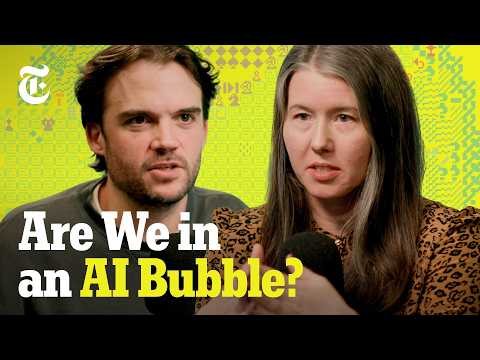
Anthropic's upcoming IPO is seen as a pivotal moment for the AI industry, with the potential to either stabilize or destabilize the stock market and the tech sector. The IPO could signify the end of the venture capital-driven startup phase of AI and raise questions about the future direction of AI development.
- Anthropic's IPO could raise significant funds, impacting the broader economy.
- The event marks a transition from startup hype to a more mature phase in AI.
- There are existential risks associated with advanced AI that need to be addressed.
Concerns Over AI Risks
What are the existential risks associated with AI according to Anthropic's S1 filing?
Anthropic's S1 filing highlights concerns that advanced AI systems could pose catastrophic risks to humanity if not developed and managed with proper safeguards. The language used in the filing suggests a cautious approach to AI deployment.
- Advanced AI systems may pose existential threats if not properly managed.
- The use of passive voice in the filing indicates a cautious stance on AI risks.
- There are implications for model welfare and the longevity of older AI models.
Anthropic's Relationship with Profit
How does Anthropic view its role as a for-profit company?
Anthropic has a complex relationship with profit, having debated whether to operate as a nonprofit or for-profit entity. Their governance structure reflects a commitment to ethical considerations while navigating the challenges of being a for-profit company.
- Anthropic's founders have a unique governance structure to balance profit and ethical considerations.
- The company is navigating the challenges of being a for-profit entity in a high-stakes industry.
- Their approach to profit may influence their long-term sustainability and public perception.
Silicon Valley's Response to Tax Proposals
Why is Silicon Valley concerned about the proposed billionaire tax in California?
Silicon Valley billionaires are mobilizing against a proposed one-time 5% tax on wealth, including unrealized gains, fearing it could set a precedent for future taxation. They believe the tax is poorly written and distrust politicians to manage the funds appropriately.
- The proposed tax has united Silicon Valley billionaires in opposition.
- Concerns include the potential for the tax to become a recurring burden.
- Billionaires are leveraging their wealth to influence political outcomes.
Microsoft's Layoff Strategy
What does Microsoft's buyout offer indicate about the current tech job market?
Microsoft's offer of buyout packages to a significant portion of its workforce reflects ongoing adjustments in the tech industry, where companies are responding to previous overhiring during a growth phase. This trend indicates a normalization of layoffs in the tech sector.
- Microsoft's buyout offers highlight the reality of layoffs in the tech industry.
- The tech sector is adjusting after a period of rapid growth and overhiring.
- Layoffs have become a common occurrence, signaling a shift in the job market.
Transcript
0:00 In a few weeks, we're finally going to get some answers on whether we're in an AI bubble. That's because the frontier lab, Anthropic, is going public. >> Anthropic gets ready to make its Wall Street debut as the AI giant prepares. >> AI giant Anthropic, that's the company. >> San Francisco based AI giant Anthropic file papers today. >> It might raise a hundred billion at a $2 trillion valuation and rescue a whole slew of companies floundering in the debt market. or it might raise a lot less and send the entire stock market into a tail spin. Which is to say a lot is riding on this IPO. The near future of the American economy, the medium future of the tech industry, and given that the risk factors in Anthropics S1 include catastrophic and existential risk to humanity, maybe even the long-term future of the human race.
0:47 At a minimum, the anthropic IPO will mark the end of an era. The venture investment-driven, hype accumulating startup phase of the AI century is nearing completion. But what comes next? In today's episode, we're going to try to wrap our minds around the most important company in the economy, at least for now, and look at what's at stake in its big moment. Are we in a boom or a bubble? Will text big bet on data centers work out or fizzle?
1:12 And can Silicon Valley's most militant AI believers be a normal public company? Or are we entering a new era of AI hype and mysticism? I'm Max Reed. This is Hard Fork. >> We are live in studio with >> Okay, that's a really good start. >> We are here in studio with Aaron Griffith. It's so good to see you in person. >> Yeah, likewise. There are two big developments in the hard fork universe this week.
1:47 >> First is that you finally followed me on Instagram. We can get to that later maybe in the segment. >> Yeah, I was on the fence. >> Yeah. Well, there's a lot of referendums that we're going to talk about today. I think that was an important one. The second thing I want to talk about is that Anthropic announced its intent to go public, which means the rubber is finally hitting the road after however many years it's been of hype and doomsay and argument. You have been reporting on Anthropic and the AI world for a long time and I wanted to sort of pick your brain about this company today. because this feels like a huge inflection point for for AI, for tech, for the stock market, the economy, >> humanity.
2:24 >> Yeah, just the stakes are the stakes are only that high. >> Yeah, exactly. So, what is riding on this? >> I mean everything. Everything. I mean, I think that was our headline was nearly everything. Practically speaking, this is the first pure play like LLM large language model company to go public to open its books so we can actually look at the underlying business of this AI boom that has been going on for four years and attracted trillions of dollars and investment and sort of reoriented our entire economy around itself. And you know, Anthropic alongside OpenAI and you know, arguably Gemini from Google are kind of the companies that are that are driving this. They're like the pillars that are you could call I've heard many metaphors. Okay, you could call them the the bottom piece of the Jenga tower.
3:09 I've heard them described as like you know the tip of a pyramid with like a bunch an entire ecosystem of of companies supporting it. But either way like they are sort of the quintessential AI companies and now for the first time we have kind of a look at the underlying business model that so much money has gone into. >> So are the investors you talking to are they nervous about the IPO? Are they worried about what might come out of it?
3:31 Well, I mean, last week they were definitely nervous. now we've, you know, had a day or two to kind of look at these numbers and and see and and some of them have leaked already along the way. So, we had kind of a sense, but this is the first time we see like in a 300 plus page document the full picture of what Anthropics business looks like. >> So, let's let's go there. What what are the the sort of big important things that we can take away from the S1?
3:55 >> Okay. Well, first of all, I guess it's okay to say the business looks kind of healthy. I mean it's arguable. There are people that have, you know, made the case that it's not, but I think like generally speaking, people have been kind of pleasantly surprised to see that this company is capable of making money. And I mean, when we've seen how much money these companies have raised over the years, we've seen how much they've been spending to build their AI products, I think the general consensus has been like these companies can never make money. And just to be clear, Anthropic posted an $80 billion net loss. so maybe let me unpack that a little bit. An $80 billion net loss seems insane, but it's actually kind of a weird accounting quirk where they have to count some convertible debt that they issue to some of their shareholders as a net loss and that will essentially be cleared in the next quarter or then or by the time they go public. And so that's not a reflection of the health of their actual business. So what we've actually seen is that they in the first half of this year had an operating loss of around600 to 700 million and that's shrinking from the same period last year where it was like over $2 billion. So they're they're shrinking their losses of the actual business that they're operating. On the flip side, they are still shelling out enormous sums of money and they're on the hook for enormous sums of money to build out their AI infrastructure. So this is the data centers, the chips, the compute power, the very very expensive stuff that they need to keep training new models and to support the old models. So like it's it's kind of and Dario has talked about how the company is sometimes on a knife's edge when it's making these decisions and signing these deals. And so they have signed so many contracts in anticipation of the demand.
5:35 And it's like a very high-risisk game. If the demand's not there, then they're going to be sitting on all these contracts. And some many of them are non-cancellable. if the demand is there and they don't have enough, then they're going to be losing business. And so that's kind of what's like underlying all of this is like how much AI are businesses and people going to be using and has the company, you know, basically laid the groundwork for that, >> right? I mean, it's interesting because on the one hand, the S1 seems to confirm that there's an enormous amount of demand. I mean, we're talking about $6.3 billion in revenue for the first half of 2026.
6:07 >> And that is an enormous amount of growth, too. like it, you know, it's we're seeing a company grow 14x. I mean, that is insane, especially for a company of this size. So, we've never I mean, I hate to like say unprecedented, but it feels like we haven't seen a company growing like this ever before, >> right? So, we can say there's demand for this, right? But what the question that you're saying is we don't actually know how much it is, and it might be that there's more even than we've already seen. It might be that there's actually less, but we're building a certain number of computers. I mean to be very simple about it no matter what computer we're building a lot of computers out there in the desert and Anthropic has committed a ton of money to those computers and so is that the biggest risk they're facing >> definitely I mean this is I think what everyone's looking for and so the S1 that we saw did not have Q3 numbers in it and they've already kind of previewed those numbers to their investors and our reporting and others have shown that the growth is actually slowing in in the third quarter and that's because first half of the year cloud code just was growing going like crazy. They basically took the entire industry by storm and everybody is using their coding product. Now competitors like OpenAI are starting to catch up.
7:13 Companies are trying to pull back on how much they're spending on tokens because they realize that token maxing got out of control. And so the growth is a little bit slowing and they're getting some competition from open source models or cheaper options. And so I think in Q3 they grew 44%. And so that's pretty significant slowdown from again gang busters growth down to like just just great growth. but is that going to continue on that trajectory? In that case, okay, the growth story isn't like as exciting and perhaps demand isn't, you know, going to be through the roof forever. so that's one question investors are looking at. And I think just in general, they're looking to see how Enthropic explains that slowdown because if Anthropic just comes in and says like the whole market is pulling back, that's very very bad for this whole ecosystem, the Jenga tower or the pyramid that I'm talking about for like you know all the demand and all the investments that everybody is making, all the debt that everyone's taking out to build this stuff out. If the reason that the growth is slowing is just because of competition because open AI or open source com you know companies are are kind of eating market share but the demand is still growing then like great party on the AI you know boom continues to boom >> so they're looking for new avenues for growth potentially they're they're trying to sell different stories about what the next big product is.
8:27 >> Yeah and I think we're going to see this on the road show. I'll be watching that pretty closely. I think that's going to kick off in probably a week or so. >> Before you start what is a road show? so in a week or so, Anthropic is going to basically go on this tour where they meet with all the public market investors and kind of tell their story and they call that a road show. The bankers like kind of take them around on a little private jet and they're, you know, meeting with like insurance companies in Iowa or whatever and telling telling them about the machine god. so that's going to be just like kind of amusing on its own. But, you know, they need to tell, I think, a new growth story because they're going to say, "Okay, we had this like coding product that's incredible, but like it's already kind of showing slowing down in growth. What's our next growth story?"
9:06 Well, they believe that AI is going to, you know, solve many, many, many problems in the world. And so, one of the stories that they're pitching to investors now is this bio thing. You know, AI is going to cure cancer, like AI is going to develop new drugs. So, that's like a big story they're going to probably be pitching. And then they have other products too like you know legal tech or like other other ways that AI is going to kind of disrupt the economy beyond just coding which has been again like a blockbuster hit for them >> right one thing I want to talk about with the S1 is the 93page risk factor section so you've read a lot of S1's before are they are they >> every every word of everyone just to be clear obviously in your capacity as a as a reporter are they usually 90 pages long >> I mean they're usually pretty long and it's a lot of legal ease it's just like a lot of ass covering basically I mean it's like is basically anticipating all the potential things that shareholders could get mad and sue over and saying we warned you.
9:56 >> Right. Exactly. And there's a lot of those for anthropic. I'm just going to read a couple of them right now. >> They're very unique in their specificity. Let's just say. >> Yeah. And I would say too, it's funny reading them if you've been following AI for a while. like it's kind of like getting 6 years of Twitter and blog post and Substack like compressed into like a document of legal ease because they're listing everything from you know the resource constraints on building out compute to the various sort of AI safety problems to just sort of like your your basic business problems with you know customer satisfaction. But the ones that caught my eye, for example, are concerns have been raised both within our organization and by other researchers that sufficiently advanced AI systems could, if not developed, deployed, and operated with appropriate safeguards, oversight and security measures, pose catastrophic or existential risks to humanity. This is a pretty rare kind of thing to do. Another one that I was really, it was really >> Wait, can we just go back to that really quick though? is one thing that the great Matt Lavine at Bloomberg pointed out was that this is written in passive voice. it's not anthropic saying we think >> right >> that our products it say it's it says like some people may be saying >> within our organization some people I don't know if it's our founder and president Dario Amade or anybody but some people have raised this question.
11:11 >> Who could it be? >> Yeah. Another one that I I I like is in addition considerations relating to model safety, interpretability, alignment, and welfare may lead us to limit or delay the deprecation of older models. So, just to translate that a little bit, when they're talking about model welfare, that's they think the models might be alive and they're not ever going to shut down some of the product lines because they want to make sure they get taken care of.
11:33 >> What? I missed this one. >> Yeah, I I I have to credit Joe Weisenthal at Bloomberg for picking this one up. I'm they're not they're not saying this out loud, but they're saying considerations relating to welfare may lead us to limit or delay the deprecation of older models. This is a little like Apple saying the iPhone 12 is alive, so we're just going to keep making it forever or something. >> Oh my god. Imagine trying to explain that to some like, you know, analyst at Goldman Sachs and be like, "We need to put this in here."
11:58 >> I mean, the thing that I wonder about a lot is how much people who are spending their time talking to chat bots all day start to buy into and belong to this stuff. And so you actually will have activist investors who are saying, you know, we have to make sure that we're taking care of model welfare and whatever else. This is a future coming soon. >> Well, the activist investors won't have a whole lot of ability to do much because of the governance of the company.
12:21 >> Yes. Let's I actually want to get into this. Well, but let's start before we get there. Let's start with just a quick word about the founders because this is a company that has a really specific philosophy around AI risk and AI safety. That's sort of at the core, not just at the core of the business, but it's kind of their origin story. I'm sure a lot of people are familiar, but will you just give us the 20 second version of where anthropic comes from?
12:40 >> Sure. And this is kind of the story of AI also. You know, Google's working on AI. Elon Musk and Sam Alman see it and they're like, man, I don't think they care enough about the future of humanity. So, they start split off and start open AI and they're like, we're going to build AI, but we're going to do it for the good of humanity. We're the principled ones. And then within OpenAI, Daario and all of his friends are looking around and saying, "Wait, Sam doesn't care enough about the future of humanity. We need to build the safe AI before they can." So they split off and do that. And that has like kind of continued on down the line. So that's where Anthropic is. Their roots are truly in like AI safety. And they are the probably most extreme on that spectrum of like the their fears inside the company, at the top of the company, and you know around it. Well, let's talk about how this relates to governance because they have this very unique governance structure.
13:30 >> I'm like losing my voice now. and hopefully they can use some AI to like make my voice sound less grally. Mhm. >> yeah, so Anthropic is kind of following a trend that has been happening for the last 15 years at tech companies, which is that founders want to retain control even while selling shares, which would in general, you know, the classic form of governance means that if you sell shares, those shareholders get more control. The started kind of goes back to Mark Zuckerberg and his multiple class of shares, but Anthropic has taken it even a little bit further. They have five classes of stock. Their seven founders have 50.1% voting share. you know, they're going to be in charge of electing all the directors to the board and then they also have this like independent trust that controls a majority of the board seats. And so it's like a little bit convoluted and I think it's no one's going to push back on this because over the years every time startups have tried to do this, investors have made a big stink about it like, "Oh no, we hate this." and then they just go along with it anyways.
14:33 And so like it hasn't Yeah. There there has there has not been a line in the sand. Even with SpaceX, they were a little bit more extreme about that. Some of the exchange or some of the indexes tried to put their foot down and then at the end of the day, they're just like, " fine." So this is not necessarily new in Silicon Valley, but it is for Anthropic seems to be distinctly sort of connected to the AI safety philosophy at the heart, which we should say, I'm not sure if we said it out loud, but like really specifically Anthropic is the company that believes most strongly in the possibility of total AI annihilation, Armageddon, and additionally believes most strongly in the possibility that the LLM are alive or conscious or sentient in some way.
15:10 and they lay out that they believe their founders are best suited to sort of shepherd this into the world in a way that you know is is a little self agrandizing when I was reading it and I was like wow you guys are special and I guess you are because you're at the helm of a potentially $2 trillion company but you know they they are even able to like name their successors they have a secret list of successors that they all have to approve if like somebody leaves the board and so they're setting this up to be in control of it forever. They don't want to lose control of the AI or of the company.
15:41 >> Yeah. I want to return to the philosophy the sort of question of the philosophy because one of the questions I have about anthropic is you know beyond this governance structure here to what extent is there are there philosophical commitments around AI safety like how do they inform the company itself or inform the business decisions or do they? >> Well I I think in the beginning it was a huge piece of the company because it was the only place where they could get money. regular Silicon Valley investors were kind of viewed the company as a science project for the first couple years and the only place that they could find money was from people like Sam Bankman Freed, Yan Talon, people who were like deeply inshed in the in the EA kind of philosophy in in that world. And then they their first product was very specifically and purposefully like an enterprise business product. They weren't building something for consumers. They weren't trying to build an AI companion necessarily. And that has proven to be an incredible business.
16:35 And then when a when the VCs got word of that, they were like, "Oh, great." Like, "Let's dump all the money in." And most of those VCs that came in later are looking at this as an enterprise, you know, software SAS business. And they're not really that hung up on the philosophy. They're like, "Yeah, we like that we're backing the good guys, the good guys." but they they don't really like buy into this like sort of the stuff that's a little bit more weird about >> the woo woo stuff, you know?
17:00 >> Yeah. They don't I mean, is there a word for like AI woo woo? no. I don't think there is. >> We should come up with one of the hard fork signature. >> Yeah, exactly. I mean, it's very interesting because you could look at all the decisions that they've made from the governance structure on down to like the specific things that they're doing and you could tell a story where it's all about their philosophy. It's all about their fear of AI or their belief in AI. But you can also tell a story that this is just a very straightforward smart Silicon Valley company that wants founders want to retain control. It wants to be very efficient. wants to clear path to profitability through you know enterprise sales and not trying to become the next Facebook or whatever.
17:34 and it seems like investors >> and that's certainly what the investors that I talked to say like I I remember like when when Jacob Cox quit and everyone was kind of freaking out about like AI is going to kill us all and mentioning this to some of their investors and them sort of being like oh yeah you know hacking that's a big risk we're definitely worried about cyber security but like I don't really know what you're talking about on the other stuff like we're not worried about that.
17:55 >> Let's zoom out a little bit. So, you know, this feels, as we were saying before, like an inflection point, like we've spent the last half decade in this in this big-time hype moment. VCs, executives, researchers are selling this crazy story of a technology that's going to change everything. Now, we have a big document with a lot of real numbers in it, and pretty soon we're going to know what the stock price of Anthropic is. So, how would you characterize this?
18:19 What is happening right now with the IPO? What questions are being asked and what questions are being answered? I mean it is sort of like a demystifying moment because we have you know seen these companies in the private market get these trillion dollar valuations in such a short time and it's kind of being set by like a handful of VCs right and so like yes VCs believe in the in this company but they also believed in the metaverse and like a lot of crypto stuff and that that has not worked out and so this will be the first time that we have like Wall Street and public market investors and you know pension fund investor all all the professional money managers like modeling out the financials of this company and deciding whether it's worth investing at a $2 trillion valuation or maybe 1.5 trillion. And so that's part of it is like we're actually going to see like some some real evaluation of of the company. although I guess you could also argue that Wall Street sometimes invests on hype and momentum too as we've seen from many stocks.
19:12 So like who knows? But in general, this is like a time when we're finally getting like to look inside the business that's underlying the AI boom and decide whether or not it is, you know, a valuable contributor to our economy because there are a lot of people out there that that think it's not. >> Yeah. So, what are you looking for in the weeks after the IPO? >> whether or not AI kills us all, big question still on everyone's mind.
19:37 you know, I I doubt that that's going to be talked about too much on the road show. I mean, I'm sure that there are some advisers at Goldman and Morgan Stanley who have been telling Daario like, "Let's let's let's reel it back on the on the old extinction talk. >> Should I invest in a company that has a 10% chance of killing everybody?" >> I mean, it's in the risk factor, so you can't say they didn't warn you. there was a Wall Street Journal headline arguing the headline is the bullc case for AI Armageddon for investors mulling exactly for investors mulling the anthropic share offering a 10% chance of extinction may be a 90% win for your portfolio.
20:16 >> I how can you argue with that really if you're going to die you're going to die but if you can become a billionaire yeah exactly Erin thank you for coming into the studio and talking anthropic. we're going to take a break and then we'll be back with Mike Isaac and Jasmine Sun to talk about the rest of the week's news in tech. We're back with Aaron Griffith and joined by tech writers Mike Isaac and Jasmine Sun. Mike and Jasmine, we were just talking about the Anthropic S1. Mike, what was your big takeaway from the filing? I thought it was like way front-loaded with rosier sort of paintings of AI at the top compared to the past, you know, like I I you guys tell me, but I feel like Daario Amade is painted as like the the biggest like doom and gloom guy of AI in the valley.
21:11 And my perception was everyone around him was like, "Hey, you need to like pump the brakes on this a little bit, especially as we're getting the average person or trying to get the average person excited about it." So like the whole top was like, "Hey, by the way, we do want to cure cancer. We do we do want to like create these amazing drugs." And then like they back into Owen has like a you know 10% chance of blowing up the entire world basically.
21:37 But I don't know. Someone told me jazz hands a little bit at the top, right? >> Yeah. I mean, how much do you think it was like worked over? Like I I I was interested the the adjective they use at the very top is he says, "We believe that AI is one of the most consequential technologies in human history, which is a very funny neutral adjective, right? Consequential goes a lot of ways and it's not necessarily how I would be selling my product." We should do like a real close reading of all the language in this because I do feel like Dario is like definitely a micromanaging control control enthusiast, let's say. And and like every word probably has a few different nested meanings in there for sure.
22:15 >> Jasmine, what was your big takeaway from the S1 if you had one? >> Yeah, I mean kind of similar to what Mike said, I was just thinking about how Anthropic has a very odd relationship to money and being a for-profit company. like the founders when they broke off from OpenAI, they spent a bunch of time debating whether they should be a nonprofit or a for-profit. Of course, they have invented some crazy multi-layered governance structure as they all do, which is something they reinforce a lot in the letter that the founders have pledged 80% of their equity to charity. The employees have have all this interesting matching.
22:47 There's a famous culture fit interview that all of the anthropic employees go through where they say, "Hey, would you work here if your equity went to zero?" and they make sure that everybody says yes before they accept the job. And so mostly it just made me think about how weird they are about like the status of being a sort of profit-seeking corporation. >> I know. I can only imagine what the meetings with the bankers were like, you know? I mean I mean I assume the meetings with the investors were very similar.
23:10 >> How do you tell a labor union that we're going to be post money in like three or four years? >> I think that's a hard sell. This is coming, by the way, like in the midst of a little bit of anxiety and let's call it a jittery moment in the market. the elections are next week and I really want to talk to you guys about what we're looking at and what we're what we're waiting to see. Jasmine, what are you tracking for for for the midterms next week?
23:36 >> Yeah, I mean these are interesting midterms because I think it's the first election where people's feelings about AI, about data centers could plausibly have shown up. I mean, I think the top level on it is even though we saw a lot of discourse, a lot of anger about data centers in particular, that's been building up over the last year. I did some reporting on it over the summer in Wisconsin and Michigan, two states where data centers were actually a really big factor in the primaries in the majority of states. I don't think they are yet shifting people's votes.
24:04 They're an extremely they're an 8020 issue in the sense that people feel very negatively about data centers. People feel very negatively about AI. This is bipartisan. And in that sense, it seems like a unicorn, but it's also not something that is quite salient yet. I've looked at, you know, a million polls and AI usually ranks like 22 out of 39 issues. >> Oh my god. >> It's like even in states like Ohio or Pennsylvania where data centers are a big issue. I think it's usually something like between 1 or 5% of voters will list it as their number one thing.
24:35 And so while we're seeing data centers really impact like your mayoral election like we're seeing recall campaigns, city council reshuffles, I don't think like a big Senate race is going to be determined by data center sentiment, >> right? It's like a mun I mean this came across in the reporting you were doing that this is a really a municipal issue and it's going to get a lot of town managers voted out and and council board selectment or whatever else. But it's interesting because this was at least in the summer it felt like this was a focus of some Senate campaigns that some Senate campaigns were in fact putting a lot of resources into being anti-data center. Do you think that was wasted money or is it is it is it just not the ultimately the issue that matters?
25:09 >> I mean I think it really depends. I think there are races where there's they're close enough and rural voters in particular you can get a lot of normal rural Republicans or low turnout voters to maybe turn out if there's a data center in their backyard. I think the races that people are really concerned about Sherid Brown in Ohio might stage a comeback in particular because of data centers or a big motivation for Greg Abbott to restrict approvals and connections to the electricity grid even though he's been very very probuild he's been welcoming the data centers for years but because of a potential threat from both his Democratic opponent plus all of these rural Texan farmers who are like what's up with these power lines and data centers he actually did a pseudo morator torium which because he was worried about the midterm. So you know I think there are a few elections in purplish states where data centers could swing things but the other thing I'm tracking is like data centers are very concrete whereas AI generally is still feels so abstract to people that I'm not really sure if like data centers are barely swinging some elections. I'm not sure that like AI in general is going to be a voting issue yet even though some people suspect it.
26:19 >> Yeah. Yeah, I mean it's a very funny you know as you say if you're on Twitter or if you're if you're like reading too much about this it does feel like a life or death issue. Certainly it is for some people some people writing you know introductory letters to S1's but it hasn't as you say it hasn't really trickled down except in a sort of indirect way through the the effect on the economy of AI.
26:38 >> Mike, what about you? Are you tracking anything in the election next week? You talked about this in last week's episode a little bit with the head of policy at Meta leaving and sort of imagining which new regime of like, you know, democratic operatives they might replace them with. But I just want to see if there's a wipe out. No, of course I am a loyal hard fork listener. Of course, you got one. You've got one. Let's get to two by the end of this week.
27:04 >> I'll I'll get my wife to listen. I do I do I really really want to see the theater of all the tech companies that have been trying to cater to Republicans suddenly be like actually we love the new Democratic potentially Democratic regime in all of these states and because they have a hold on again potentially have a hold on Congress. this is what we really believe in, you know, and I think these swings are valuable because it sort of shows, >> you know, these are corporations that don't necessarily believe in anything except self-preservation a lot of the time.
27:36 >> Yeah. I mean, what do you are you seeing any indications besides say so we're talking about Joel Kaplan who is the head of policy at Facebook for 15 years, has been a sort of conservative whisperer. He he announced his departure last week. Are you seeing any other kind of movements that suggest a little bit of >> I don't know what I don't know how to put it. team switching or sort of you know trying to trying to make inroads among you know among Democrats.
27:57 >> I think all of the companies are looking hard at their their DC teams and saying who do we need to sort of elevate and put out front. They're never going to like cut all of their conservative sort of, you know, relations people or whatever, but it's sort of like actually look at this guy, the the the guy who wears a blue pen instead of a red one or whatever, you know, that's like that is that's all the companies and like that's just the game. I guess I shouldn't be so cynical, but it is worth looking at and saying, >> why wouldn't you be cynic? This seems like exactly the right thing to be cynical.
28:30 >> I know, right? >> and do you feel like there's a there's a shift? I mean, I I think we all are aware of what felt like I'm sorry to use such immaterial language here, a vibe shift in Silicon Valley, buddy. >> Is there a vibe shift swinging back? I'm interested if any of you feel like that might happen or is it is this was that was the first vibe shift in illusion? I mean, I've seen headlines to that effect, but I think like Mike said, it's going to be a little bit more on the DC side of things because I mean, just from my perspective, a lot of the VCs were really excited to be able to not care about stuff like that Democrats care about like DEI. culturally, it seems like we're kind of going to be still in that in in that vibe.
29:16 >> Yeah, it doesn't seem like that's changed. Jasmine, we were talking before we were taping about like a sense that there's there's a question about how Republicans are going to react to to this. They're likely to lose the House of Representatives. There's going to have to be a shift in how they approach AI regulation in Silicon Valley. >> Totally. Yeah. I mean, this is one of the big open questions I have about the 2028 primary, too. I mean, primary season's going to start basically two weeks from now. And are JD Vance and Marco Rubio going to break from Donald Trump's extremely extremely unpopular positions on AI regulation in data centers, right? Like in spite of the vast like the majority of Republican voters do want to regulate AI, they would prefer slower with more safeguards versus some kind of abstract immaterial beat China narrative. and yet basically every Republican in Congress or every Republican leader has been unable to say any of that because the president sort of sets sets what the party line is. And if the Republicans take a beating in the midterms, I could imagine some more folks deciding to break off and say like actually like our constituents are angry at data centers.
30:23 They're worried about kids safety if they're social conservatives. But I am starting to see a bit of a split in the Republican party between the more traditional libertarian free market letter types who are still very excited about deregulation versus some of the more new folks. I was I spent the weekend with some folks from American Compass, the new right think tank and they are all thinking actually maybe after the midterms this is a time for the Republican party to get serious about AI regulation on kids job safety things like that. Were they saying AI or were they saying SI?
30:58 >> It was actually really funny. It was it was a Chattam House workshop, but there's a split in the room and then you could tell there's a bit of internal tension between the folks from the admin and other places who were saying Si and the folks who were a little bit too staunchly like we're not caving to that. So, it was really fun. >> >> I've never seen a better like metaphor for like people talking over each other and like not being able to communicate than like not even being able to agree on what we're calling this thing.
31:25 >> It was kind of amazing. >> Yeah. So, one of the issues on the ballot next Tuesday is this tax in California on billionaires. Erin, can you explain what the what the what the proposition is, what the measure is, and why I mean, I think we can all guess, but why are why is Silicon Valley so interested in this tax on billionaires? Yeah, I mean it's it's been actually pretty fascinating. Prop 40 is a proposed one-time 5% billionaire tax on wealth including unrealized gains. You know, that means like you know private startup stock for billionaires in California. And as you can imagine the billionaires are a little bit mad about it. And so what better way to fight back than to use their vast wealth. And so they've gathered, this group that we reported on, building a better California, has gathered $333 million, which is so so so much to fight a state proposition.
32:23 mostly from, you know, Sergey Brin, but then he brought in John Door and Patrick Collison, the founder of Stripe. John Door is a very famous VC investor from Kleiner Perkins. And so and they have then been over the last couple months recruited this like kind of who's who of Silicon Valley like very high-powered famous VCs, founders, many of whom are not even billionaires. there's some like mere hundred millionaires embarrassed billionaires. >> Yeah. Right. >> Yeah. And you know aspiring billionaires, but they are they're they're mad about this for a number of reasons. You know they think it's poorly written that they don't believe that it's going to be a onetime tax. They don't like how the money is actually going to like the money's not, you know, specifically earmarked well enough to to do the things that they say they're going to do and they don't trust they basically just don't trust the politicians to to do the right thing with it. And so they're really mad about it and they don't like the president in it sense because California is kind of known for, you know, as being a trends setter. And so they're worried that it's going to turn into this cat and mouse game where other states are going to do it. And because a lot of them have already left the state, but they're mad about essentially the principle of it.
33:29 The principle of the matter. Yes. Yeah. They believe that, you know, this is going to hinder aspiring billionaires, founders, builders from moving to California and wanting to you know, get rich. And so I think, you know, there's a lot of reasons that they're fighting it. And they're all kind of like banding together and getting on these weekly calls and like talking about their strategy. And like one of the really interesting things that we found in our reporting was like they are aware of how it looks.
33:57 they there's this quote in one of the documents that they're circulating to other donors that says billionaires are seen as having a net negative impact across issues. >> So they're not trying to be the face of this. They don't want to be outfront. They're they're not like you know talking publicly about this like they might if there was some other like you know any issue like including data centers. they are trying to go through other groups that they're partnering with like Planned Parenthood is a really big one that they're working with to kind of that's opposed to it. and so >> why sorry why is Planned Parenthood opposed to it?
34:34 >> I mean for some of the same reasons it's not sustainable. This one-time tax thing is like supposed to make up for some of the Trump administration cuts and they don't believe that it's you know it's not setting them up in a position to like be sustainable going forward. So, they just think it's poorly written. I think a lot of the people that are opposed to it are not opposed to the idea of a wealth tax, including actually some people that I spoke with for this story. They they just think this is a crappy one and they wish that it was better like that that it was just structured better and made more sense.
35:08 >> But do you feel like they're always going to say that? I feel like it's always a well this bill is poorly written and if they could only legislate it better. I just feel like I've heard that from Andre or whoever a million times. You know what I'm saying? >> Totally. It's I mean it's it's almost sort of like respectability politics where it's like I like I agree with your message but I don't like how you're doing it.
35:27 >> Yeah. I was interested to learn that about the about Planned Parenthood though because I hadn't I hadn't realized that this was more than just a a cabal of billionaires plotting. Oh, there's like a bunch of I mean, my ever since I wrote this story, weirdly, my phone has been blowing up with like, you know, political text messages from different groups and there's like a lot of healthcare groups that have lined up against it. >> That's interesting.
35:49 >> Yeah. I mean, from a Democratic point of view, this is a nonpartisan podcast, of course. From a Democratic point of view, it's sort of nice to put one of these ballot measures on every year so that the billionaires all get distracted and focus on that instead of putting money around the country the way Elon Musk is. That's pretty good game theory. >> Yeah, there you go. feel free to call me, you know, Senate political action committees. there's one other big thing I want to talk about today and that is the is what is being called Black October, the V apocalypse, the PHP vulnerability discovered last week. Mike, I'm going to put you on the spot. Can you explain obviously we all know what PHP is we know what's going on but just for anybody who doesn't know this stuff can you explain what happened last week and why it made everybody who works in information security's life hell for the I mean it continues to be hell >> well look I I think the way I like to think about it is how the entire let's say internet and infrastructure that computers run on to this point is pretty Byzantine and built on a lot of old code that has, let's say, a lot of holes and stuff in it, right? And that's that's just the nature of computing. You figure out what are called vulnerabilities and you fix them over time. You know, Microsoft has dozens of fixes to their main software a year. Now, it's ranging up into the hundreds because AI is finding more of them. What happened though, Black October is not trying to get a Furby for your shopping for your kids.
37:17 >> That was like, come on. Was that on the spot? You got to do better. I hope you didn't workshop that. >> We're on squish. We're on squishies now. My >> It's dumpling squishies. My son did his his his birthday wish list this week and dumpling squishies. That's the big that's the big new thing. >> I'm showing my lack of children on this podcast. >> You're showing your age is what you're showing, brother. So it but it is it is it is essentially a vulnerability that goes far wider than just any one little system tweak that you have to update your individual software on. This is stuff that you know folks in the industry said could break the internet. It could like affect how we get on websites and use websites and have them be have our accounts take over. You know it was like it's much wider. I think these are my big takeaway is like this is the type of stuff that's going to be much easier and more commonplace to find in the age of AI where you can have these programs just scrape the internet in.
38:14 >> So, we should say specifically what we're talking so PHP is a is a programming language that who that god this is every time I start talking like this I think about the the dozens of men with huge beards that are going to be chroing and emailing me the meanest things. I'm so sorry. Half of them are my friends. like I'm thinking about specific people who are going to who are going to be like texting me about how wrong PHP is a programming language that's used on a ton of different websites and it is as Mike is saying it's much easier to find vulnerabilities in these sort of infrastructural languages with AI which can sort of run a bunch of different ideas and figure out what you know what the exact problems are and when that happens all of a sudden you have these really intense really serious vulnerabilities that now need to be fixed not from the top down but across a bazillion websites and so you I don't want to make this podcast about me, but on one day last week, I do a daily logic puzzle called Clues by Sam. And clues, I wasn't able to record my score that day because because Sam was fixing the PHP like >> the real victim.
39:15 >> Well, you know, I'm just trying to bring this down to earth for everybody listening so they really understand what's going on. I mean, >> imagine if you couldn't do your Wordle every day. That is what you need to be using as an illusion. >> I mean, are you talking to people? Are you guys talking to people who are who are in the midst of this? What like I'm I'm interested in in in whether this is like either from the perspective of cyber security people or from AI people in general. like how much we think this is just the new normal that every month is now just you know 85 hour weeks for people who work in security and and all the AI companies throwing up their hands and being like we told you so. I mean, I I love to hear what you guys think, but I I think the flip side or the counterargument, and this kind of happened in the open versus closed source debate a few weeks or months ago, was like, well, guess what? AI is also going to enable us to solve all these problems and to quickly defend against them and to fix them faster. And these vulnerabilities already existed. It was only a matter of time for someone to find them. So, I there are arguments from folks saying these fixes can happen. we just sort of need to enlist the advanced tools we have now to fix them faster rather than you know random websites across the internet not being able to do that in enough time. But like I don't know that feels a little rosy to me. I do feel like we're going to just see this more often and the old internet breaking much faster than than before is my is my point of view at least. M I mean one of the crazier news stories from this week that I thought about was that startup Cathedral made of X doge staffer so our nation's best and brightest literally hacking into Anthropic Slack and IT systems and Anthropic is supposed to be the ones that are building the best cyber defense internal models that they can't even release to the public and yet their own technical systems were not secure enough to be able to block this crew of like young startup guys from accessing trade secrets in their Slack. And so I don't even think you know before I would have thought like man some you know municipal governments are going to really struggle if they get hacked by some people with an open source model but now it's actually like the best and most AI forward companies in the world are also as vulnerable. So >> that's a great point.
41:33 >> It's going to be a very long few years I think. Think I mean I think the argument I I read a great piece that I want to recommend by Joshua Saxs who's a former meta AI guy and his argument is basically that we are as bad as it seems we are still in a in a sort of defenders window a defender dominant window that even though there's all these vulnerabilities being discovered it in fact t I mean his his point which I admire because I think it's true is that takes cyber criminals actually a very long time to like figure out how to do their jobs because in generally speaking they're not that smart and they're not that competent at like >> >> running businesses. So we have, you know, a certain period where we can lock down defenses and, you know, prevent certainly on the on the level of cyber crime, protect against some of the worst vulnerabilities. But he says on the other hand, you know, this is not a wholly positive story. You know, we're still thinking about nation state actors that have the resources and the will and desire to, as Jasmine says, like hack into municipal government infrastructure and whatever else. So, I suspect this is not the last time we're going to be talking about AI discovered vulnerabilities on this podcast.
42:38 >> Great. >> Exactly. go back to Hawaii, Mike. That's where that's there's there's nothing there's nothing left there. the one the last thing I want to talk about is the sort of I it felt like it flew under the radar amidst a bunch of other news this week, but Microsoft offered bio packages to 60,000 people. Erin, what did you make of that? Yeah. Well, I mean that is an enormous number and it when you put in perspective of the fact that, you know, Microsoft has like 230,000 employees, it just reminds you of how enormous these companies are.
43:12 but and just to be clear, buyout packages doesn't mean 60,000 people are going to take them. They expect three to three 3 to 5% of their employees to actually take them. So in reality, it's going to be like at most probably 3,000 layoffs, but that's still so many. And I feel like like to your point Max over the last 3 4 years we've just become so numb to these rolling layoffs from the giant tech companies because that is just the new reality that started kind of after the ZER era kind of deflated. all these tech companies that got super bloated because they thought they needed a million engineers >> decided, okay, now we're just going to like kind of be in this environment where we just like cut a thousand people every, you know, 6 months or something.
43:58 And tech used to be this cushy job, especially at a place like Microsoft, which is, you know, very geographically focused where you could just like have a 30-year career. And there are a lot of people at companies like Microsoft, Amazon, you know, even like Google and Facebook, which are a little bit younger, that have been there for so long. And that is no longer the case. That is you know, maybe a sign of what's to come for the rest of the economy because tech is sort of always a little bit out ahead on on workplace trends as well. so that's a little bit depressing. And I guess the other thing that I'll add is like something that it's like kind of darkly funny about the announcement, which is that the Microsoft said it was part of their efforts to give employees more control over their future.
44:43 >> Whoa. >> What the That's not the kind of control I looking for. That's not the control. >> Really, really, really grim. >> The silver lining in there, I would say, as far as your like harbinger of what's to come is like a lot of this is because of their AI spin and infrastructure spin. And so like perhaps like EX whatever Accenture or some some like giant employer that's not spending billions of dollars per quarter on AI is not going to do the same level of layoffs that they're just going to use the tools to justify different types of layoffs in lesser numbers.
45:15 >> Oh my god. Mike Accenture is the worst example because like if there's any company in the world that's going to be fully taken out by AI, it's consultants, right? >> Sorry. Good lord. See, I'm going to get taken out by AI cuz I can't even think of a good company. No, actually your mistakes is that's that's what makes you human, Mike. That's what that's what that's what people love. >> Deserve. >> Okay, on that cheery bit of news, we're going to go to break. When we come back, we're going to be talking about stories that we're tracking this week.
45:43 Welcome back. I'm with Aaron, Jasmine, and Mike, and we're going to be talking about stories that we're tracking this week. U Mike, what story are you tracking this week? >> So, I This is kind of nerdy, but that's my thing. I found this memo from the VP and distinguished engineer at Amazon this week that you know most normal people are not tracking but I think it's really interesting because it's essentially a very long manifesto on the use of AI among software engineers inside of the big companies and what they essentially cop to is token maxing is kind of a a terrible metric to measure how you're doing as an engineer as is OC lines of code, the amount of line of of code you are contributing, building these products, also a messy metric, which basically means you're larding up these systems with a bunch of stuff that someone's going to eventually have to delete. And so in this long memo, they essentially tell employees, look, what we care about are long-term outcomes. This is like what really matters in the end, and this is what, you know, we need to be judged by. The problem is you can't really judge long-term outcomes on a quarterly basis when you're trying to figure out who should be employed here. So I think after you know thousands of words we end up kind of back where we started and I'm very curious how they judge these engineers in the coming quarters. I mean, that's so interesting because I feel like when the token maxing trend started, >> everyone with any common sense was just kind of like this seems absurd.
47:16 >> Like just spending as much money as possible to to write as much code as possible. Like the playing the volume game just obviously that's going to end badly and we call it all new is a short-term bump. when the the token ming or whatever they called it, token m the reverse of that trend happened so fast like by the time we could barely get our first story up. it was already reversed. But like it seems like they're they're still struggling to figure out where the balance is. Is that like kind of your upshot from this?
47:43 >> Well, what better metaphor for the tech industry than spending billions of dollars to find out something is a terrible idea and ending up back where you started. >> They're in the arena trying things, Mike. Yeah, exactly. That's true. I mean, this is I have to say this, you say this is nerdy, but this feels like the most relatable possible thing to me. Everybody has a job where they introduce a new metric and you know the metric's stupid and you fulfill the metric and then your bosses are like, "Actually, we're going to do the opposite metric."
48:10 And so you do that and you're like, "This is still stupid." And then they're like, then they're sort of like, "Actually, our metric is the long-term health of the company." And you're like, "Well, I'm still just going to do my job and let me know." >> You're self-employed. What are you talking about? You are your own. >> Well, I am also self-hating, so I think I can. >> Jasmine, what are you tracking this week? >> Oh, man. I saw that this this new research report that a team at Anthropic put out, they did a randomized controlled trial trying to understand how much experts defer to AI systems.
48:41 So, they basically gave a bunch of professional like statistical analysts access to AIS to give them advice on a decision in a scenario. And what they found was that not only did the experts I think over 80% of the time make the same decision as the AI, which are split half, they also over 70% of the time use the AI's arguments to justify their decision, but only 15% of the time did they say, "Oh yeah, I was influenced by this AI agent." And so you we have this world which I think is one that we're going to be in in increasingly where humans are oftentimes almost becoming like rappers on AI agents and AI systems where like all we're doing is like being the faces and like typing the thoughts and like I feel like what like there's all this concern about AI takeover and rogue AIS and I think that a lot of the times we're just going to let the AI take over because we'll just be outsourcing all our decisions and we won't even realize. So that's what I'm worried about. That is a cheery thought. I mean, as somebody who professionally takes other people's opinions and repeats them as though they were my own, like I I do I do kind of sympathize. It's just usually the people I'm stealing from are people, not, you know, not >> I mean, it's so funny. People say that like AI makes everybody a manager. Like here we are.
49:51 >> Yeah, exactly. That's exactly This is exactly what managers do. >> Wow. Aaron, what about you? What are you tracking? So I cover venture capital as as you know and and one of the most famous firms Andre Horowitz recently made a big change to the branding and the name of one of their sub funds which is their A16Z crypto fund. They're one of the biggest crypto boosters and have been for many years. >> but now they are going by A16Z Frontier >> and this was pretty notable to me.
50:26 I mean, a hard fork listeners might remember Chris Dixon, their their top crypto investor coming on for an interview a few years back talking about, you know, the importance of the blockchain and crypto for the future of the internet. And so this would kind of make it look like they're backing away from that promise. And and that's kind of >> a thing that happens in VC a lot where you know VCs chase trends and and they change and you know it's not just a trend chasing business, it's also a marketing business because all money is kind of the same. And so in order to stand out and get the entrepreneurs to come to you, you have to kind of put a stake in the ground and say like this is what we're interested in or this is what we're really excited about for the future. And so they were really really big bulls on on crypto and and they of course >> despite the fact that crypto is super out of vogue right now and that like you know something like 80 90% of all VC dollars are basically going to AI they have you know been very careful to say we're not backing away from crypto.
51:24 >> I mean it's >> we're just expanding our mandate. >> It's just all frontier now. >> Yes. Yeah. And and like this is something that other crypto funds have also been doing. They're not alone in this. There's a fund called Paradigm that you know was started by a Sequoa investor. in 2023 they very famously removed some of the crypto language from their website and people noticed and freaked out. >> I I will say a big part of it is that there's probably just not that many people building crypto investable crypto startups right now because everyone wants to build an AI. So it kind of is necessary like the crypto industries like one of their many problems with crypto is that without the hype without the number going up there's just less people that are interested in like working in this industry and and building on this industry. So like in order to find the opportunities to like deploy billions of dollars into startups you you have to kind of like change your mandate.
52:15 >> Yeah. When when crypto is too toxic even for Andre and Harowitz that's when you know the vibe has shifted. >> I mean here at Hardfork we embrace our crypto nominated origin. Exactly. >> Our roots in the blockchain. >> We'll be sticking with this name forever. >> Good lord. >> Wow. Well guys, thank you for coming through. this has been a really fun discussion. I'm so glad to have you and I hope you all come back soon. this has been Mike Isaac, Jasmine Sun, Aaron Griffith. I'm Max Reed. Thank you for listening.
Summary
- Anthropic's IPO could raise up to $100 billion at a $2 trillion valuation, impacting the tech industry and economy.
- The company reported an $80 billion net loss, attributed to accounting quirks, but is showing signs of revenue growth.
- Investors are concerned about slowing growth and competition from other AI companies.
- Anthropic's governance structure allows founders to retain significant control, reflecting their commitment to AI safety.
- The IPO marks a shift from the venture-driven hype phase of AI to a more scrutinized public market phase.
- The company is pitching new growth avenues, including AI applications in healthcare and legal tech.
- Risk factors in the S1 filing highlight concerns about existential risks posed by advanced AI systems.
- Anthropic's unique philosophy and governance may complicate its transition to a public company amidst growing competition and market pressures.
Questions Answered
What are the potential impacts of Anthropic's IPO on the economy and AI industry?
Anthropic's upcoming IPO is seen as a pivotal moment for the AI industry, with the potential to either stabilize or destabilize the stock market and the tech sector. The IPO could signify the end of the venture capital-driven startup phase of AI and raise questions about the future direction of AI development.
What are the existential risks associated with AI according to Anthropic's S1 filing?
Anthropic's S1 filing highlights concerns that advanced AI systems could pose catastrophic risks to humanity if not developed and managed with proper safeguards. The language used in the filing suggests a cautious approach to AI deployment.
How does Anthropic view its role as a for-profit company?
Anthropic has a complex relationship with profit, having debated whether to operate as a nonprofit or for-profit entity. Their governance structure reflects a commitment to ethical considerations while navigating the challenges of being a for-profit company.
Why is Silicon Valley concerned about the proposed billionaire tax in California?
Silicon Valley billionaires are mobilizing against a proposed one-time 5% tax on wealth, including unrealized gains, fearing it could set a precedent for future taxation. They believe the tax is poorly written and distrust politicians to manage the funds appropriately.
What does Microsoft's buyout offer indicate about the current tech job market?
Microsoft's offer of buyout packages to a significant portion of its workforce reflects ongoing adjustments in the tech industry, where companies are responding to previous overhiring during a growth phase. This trend indicates a normalization of layoffs in the tech sector.