Transcript
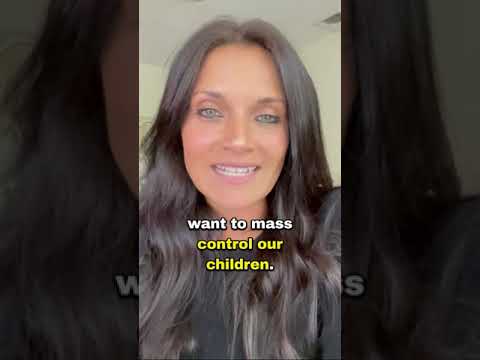
0:00 you know all of us especially parents secretly and not so secretly want to mass control our children we want to mass control everyone around us if we could we would put everyone on puppet strings and just have them be according to our fancy but this is not human nature human nature is inherently uncontrollable and it certainly cannot be controlled by somebody on the outside even though we may try try when we try
0:31 to control the other we suffocate them we make them put on a false Persona to please us we make them live in fear of us when we do this with our children especially this is so toxic for them so disconnecting we show them that we don't trust them when we want to control the other we want to micromanage their moods their thoughts and their beliefs this is not healthy for them but it's all Al not healthy for us because it binds Us in
1:03 this role of being the controller it binds us as being the role of the fixer we are not anyone's savior we are not here to control another Sovereign being we're not here to fix another person's life the only person we should be focusing on is ourselves helping ourselves Elevate evolve and become the best version we can be now control that
Summary
- The desire to control others, especially children, stems from a misguided belief in the need for order.
- Controlling behavior leads to the creation of false personas in others, fostering fear and disconnection.
- Micromanaging thoughts and emotions is unhealthy for both the controller and the controlled.
- The role of a "controller" or "fixer" is toxic and binds individuals to unhealthy dynamics.
- True growth comes from focusing on self-improvement rather than trying to control others.
- Each person is a sovereign being and should be respected as such, rather than being treated as a project to fix.