Transcript
0:00 when we talk of resilience resilience is the brain's ability to do two things if you go into a threat are you going to remain in sympathetic even after the threat is resolved are you not able to calm down the sooner you're calming down the more resilient you are for parenting tips celebrity interviews recipes conversations with experts DIYs and lots more subscribe to kid stop press now we probably don't
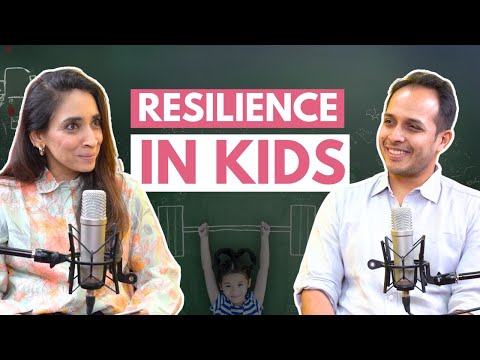
0:31 realize what an important role neuroscience and mental health play in our daily lives and affect our productivity efficiency and overall well-being Dr Sid Warrior is a neurologist public speaker content creator author he's all about making Neuroscience easy to chat about smashing the stigma around mental health and getting folks talking about mindfulness learning and changing Behavior today we will be talking to Dr Sid about the effects of science mental health our eating habits and how humans behave and
1:04 why we behave the way we behave he spoken a lot on Neuroscience but he will need to make it a child's play in today's episode because if he doesn't make it as simple as ABC then of course parents can't implement it welcome Dr s thank you for having me a question that we often get asked is building resilience building grit and I see so many of us as parents constantly asking you know we were just tougher gen Z gen
1:36 Alpha um gen beta now is is just not Tough Enough like they're constant they give up before they've even explored it how do you build resilience in children when we talk of resilience resilience is the brain's ability to do two things one is not go into a defensive State at things that are not threatening mhm and B
2:07 suppose if you do go into a defensive State how quickly can you come back to a calm state so our brain has two states calm and threatened the biological term for this is parasympathetic and sympathetic so these are parts of your autonomic nervous system right so whenever there's a threat your brain goes into sympathetic that is fight and flight and when you are calm you go into parasympathetic resilience is if you get a threat can you deal with it without
2:37 going into sympathetic that is resilience that comes through practice you've faced that threat before you've overcome it now you're confident now it's no longer threat for you that is resilience or if you go into a threat are you going to remain in sympathetic even after the threat is resolved are you not able to calm down the sooner you're calming down the more resilient you are so as the kid grows you are hoping that the kid becomes more and
3:04 more and more resilient uh and so they're able to cope with threats better interesting and you said that comes out of not going into the flight and fight mode comes out of a lot of practice so what is that process and that practice the the simplest example that I give which is easily understood is physical exercise M right so when you say facing stress you can think of it as resistance you want to do something something is coming in the way now you
3:35 can't do that thing right that is what resistance means so if I want to lift a 5 kg dumbbell I'm not able to lift it easily because the weight of the dumbbell is giving me resistance if I keep exercising eventually my muscle grows strong enough that now I can lift it that resistance becomes lesser my muscles have become more resilient right right now this concept is very easy to understand in the gym but somehow people really
4:04 struggle to understand it in terms of school or work yeah so at school your say a child is trying to study they are struggling with geography for example right for some reason they they're not able to grasp the subject we believe that we should keep teaching them that same subject in that same way and the child should now figure it out but what we don't get is that is the equivalent of somebody trying to lift 100 kg weight and they're not able
4:35 to do it now immediately you will think that but that's silly you should start at 10 kg right but somehow we don't do that in academics got it so somebody struggling with a particular subject and it's subject specific some kids may be very good at maths but they may struggle with history yeah so we need to learn how to break that history topic down and convert that 100 kg history topic into a 10 kg history topic lovely how you do
5:03 that is up to your creativity as a parent but that is the way to do it right and that's how you build resilience for parenting tips celebrity interviews recipes conversations with experts DIYs and lots more subscribe to kidstop press now
Summary
- Resilience involves the brain's ability to remain calm in non-threatening situations and recover quickly from threats.
- The autonomic nervous system has two states: sympathetic (fight or flight) and parasympathetic (calm).
- Building resilience requires practice, similar to strengthening muscles through exercise.
- Children should face manageable challenges rather than overwhelming ones to develop resilience.
- Academic struggles should be approached by breaking down subjects into simpler components, akin to lifting lighter weights.
- Parents play a crucial role in creatively adapting challenges to help children succeed.