Transcript
0:00 so sex education often begins with your child's normal curiosity about their bodies so this is commonly going to begin in the toddler years and then progress and look different as they get older and so it's really important as we talk about bodies sex education body consent and body safety that we answer their questions and answer them in very simple and matter-of-fact language and use words and phrases that they can understand but that are also the correct
0:32 terminology so in this video i'm going to be talking about how to talk about these conversations based on your child's age and stage how to answer very common questions like how are babies made and then i'll also share my favorite books that go into depth on sex education as well as body consent and body safety overall it's really important that we address these conversations in very simple language and be sure not to
1:03 create any shame or stigma around our child's questions or around bodies in general so i'm going to help you in this video navigate these conversations that can sometimes feel a little uncomfortable but knowledge is power so the more we are equipped as parents for these conversations the more smoothly they will go so let's dive in hi hello and welcome back to my channel if you are new here i am dr jasmine and around here i love to talk about all
1:33 things positive parenting including discipline tantrums potty training and so much more so if you are new here consider hitting that subscribe button button so you don't miss out on any of my latest videos before i dive into this video or episode i should say i want to share a free gift with you which is my free discipline workshop how to get your child to listen to you without yelling in the workshop it goes through very step-by-step
2:00 practical tips using real life examples so be sure to go to the mompsychologist.com forward slash workshop to watch the free workshop all right let's dive in so like i said earlier sex education goes through stages just depending on where your child is developmentally so commonly what you will notice in the toddler years is body exploration so your child is beginning to learn about bodies and what they can do
2:31 including walking and talking peeing and pooping so around this age and stage it's really important to be sure to use the correct terms like vagina and vulva and anus and nipples and penis and scrotum so use very correct atomic anatomical terms to make sure that your child knows what each of these body parts are called just like you're going to label the nose the nose and the ear
3:04 of the ear and the arm the arm you're gonna name the penis the penis and the vagina the vagina then the second phase is usually self-exploration this is where your child begins to touch themself um and you may notice that they're exploring their body through touch which is perfectly normal and healthy and again we don't want to create any shame or stigma around our child's body and what they do with their body but you want to just simply say it's always okay
3:34 to explore your body we just need to explore our private parts in private so you can go to the bathroom or you can go in your room and explore your body there now if you do notice that your child is frequently masturbating this can be a sign of underlying anxiety so you want to address and treat the anxiety overall um it can also be a sign of sexual abuse so if you are have any concerns about your
4:02 child and their self-exploration then be sure to reach out to their pediatrician for more help on this and then around the preschool years 3 4 and so on you'll notice this third stage of body exploration which is curiosity about other people's bodies right so they might be starting to get curious about how their body is different from other people's bodies right so like why do you have hair down there or why does he have
4:33 hair down there um as you get older and what you can say is as people get older your body changes and one way that it changes is you start to grow hair in places you didn't used to grow hair and so boys grow hair on their penis and girls grow hair on their vagina area or they may ask you know why don't i have a penis or why don't i have a vagina and you can just simply say boys and girls
4:57 bodies are made differently or they might notice that you had a menstrual cycle and they might ask like what is that or pointing to the pad or the tampon so you can simply say that you know every month women uh bleed for several days um and this catches the blood right this you know pad or tampon catches the blood and this is all of the stuff that would have made a nice warm home for the baby but in my tummy but i
5:28 don't have a baby in my tummy so it's not needed so you can just very simply and matter of fact explain that to them let them know you're not in any major pain and that you're okay and that this is a healthy normal thing that women's bodies do and if you have a daughter you can let them know give them a heads up one day when you are much older your body will do the same thing as mommies
5:49 now let's talk about how to handle questions about babies and sex and all of that fun stuff so when you get a question which you probably will start to get these types of questions around preschool age around four or five and so on um you can start by saying you know that is a really good question what why do you think or what do you know about this you always want to start by kind of getting a sense of
6:16 what they already know so that you can build off of that or clear any misconceptions that they might have and then you can say very matter-of-factly but you want to use very simple terms and you want to keep it short and sweet like one sentence and then check back in what do you think or what questions do you have about that so let's say they ask you know where do babies come from so you can say very simply and matter of
6:43 factly babies grow inside of mommy's uterus so let's say they have questions about you know how are babies born you can say very simply that the again the baby develops or grows inside of mommy's uterus and then when it is ready to be born it usually comes out of mommy's vagina or a woman's vagina so let's imagine that they have more questions and they're like well how does the baby actually get into the woman's uterus you
7:14 can say very simply that to make a baby you need a sperm which is a tiny seed from a man and an egg which is called an ovum from a woman and then they combine and that's how the baby is created so as your child gets older they're gonna ask more detailed questions so it's important to just be prepared for the questions again throw it back on them and ask you know what do you know about this or what have
7:42 you heard just to kind of gauge where they're starting at but then of course you want to answer the question that they have now it is perfectly okay if you need more time to kind of think about how you want to respond to say you know what that's a really good question let me think about that and i'm gonna get back to you but then of course always get back to them okay so that they come to believe that you
8:05 mean what you say and you say what you mean um but don't feel pressured like if you're like uh okay i think i need a couple books i think i need to take a second to think about this don't feel pressured in the moment to say something um if you don't feel prepared just again just say you know what that's a really good question i'm so glad you asked let me take some time to think about
8:25 that and i will definitely get back to you and then around age eight or so you want to start to prepare your child for puberty um so that they're not blindsided by the changes that happen within their body children's books are a great way to prepare your child for puberty i'll go ahead and link some down below on some really good resources on this but you definitely want to start to at least start the conversation around
8:51 age 8 or so just again so that they're not blindsided and completely confused and overwhelmed by all the changes that happen and also just remember that you know even though these conversations can feel very uncomfortable they are so so important so be sure to forge ahead and be sure to lean on children's books um as a way to start and continue these conversations so one of my favorite children's books and i'll share a couple that i have but
9:21 this one is called amazing you and this is perfect for the young toddlers and preschoolers because it goes through you know the differences in our bodies and i love how it says you know most of our bodies are very similar right we all have a head arms hands etc um well most of us so i love that it explains the concept of private parts it says we call these our private parts because they stay hidden under your
9:48 clothes or your underwear and they belong to you and they are special and then it goes through you know we might have silly names for private parts but that it's important that we know the actual names for them and then it goes through the different um body parts for women including the uterus and ovaries the vagina and the labia and then it goes through the different body parts for boys and men including the testicles the penis and the scrotum
10:19 and it says it's perfectly natural to be curious about your private parts and want to touch them but this is something you should do only in private like your room so perfect so it's such a great way to re-emphasize all of the things that you're already saying in your conversations and then again it goes through how your body changes as you get older and then it talks about babies and how they are born and then it goes through when a man and
10:46 a woman love each other and decide that they want to have a baby a man's sperm joins the woman's egg from the egg and sperm a baby will grow very simple very matter of fact and then it goes through you know how babies are born so again just a wonderful way to complement um and add on to the conversations that you're having this is another great book that has similar concepts this one's called who has what all about girls bodies and
11:12 boys bodies and so again i love the convert how the conversation starts by saying like we are so similar right girls and boys like to run fast play catch and take their dollies and stuffed animals for a stroll and everybody has a body every girl has a body every grown-up has a body and then it says boys and men's bodies have some parts that girls and women's bodies do not have girls and women's bodies have some
11:36 parts that boys and men's bodies do not have and then again i love how it talks about how our bodies change as we get older and how men as they get older whiskers grow on their face and then i love how it ends and it talks about how you know no matter what kind of body you have a girl's body or a boy's body or whatever shape shade or size body you have there is no other body in the whole
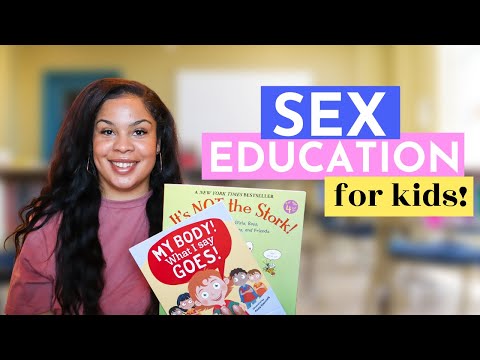
11:58 world just exactly like your body and being you is what makes you so wonderful and so special so i love i love this book super positive also super matter of fact and i love the diversity that's depicted in this book okay another one of my favorites is called it's not the stork and this is for um kids four and up this is such a comprehensive book and my girls love this one it's pretty long but it goes through so many different things
12:29 again it goes through how boys and girls bodies are different it goes through how babies are made so for example this one this page goes through how a baby starts from a pinpoint the size of a pinpoint and grows into the size of a watermelon and basically goes through month by month in an age-appropriate way how babies grow inside of the mom's uterus and since i am currently pregnant right now this is such a relevant book for us
12:57 to read so that they can really understand in a way that they can comprehend how the baby is growing in my uterus this also is a great way to prepare them for their new sibling because it talks about you know how babies really act when they come out it says if you watch a new baby you'll see that new babies can do lots of things they often get tired because they're doing so many new things that's why they
13:19 sleep a lot and cry a lot babies cry when they are tired or they're hungry they also cry when they have peed or pooped and need a dry diaper so that they can come to understand you know why their baby brother or sister will be crying a lot it also talks about all different kinds of families which i love how you know some families have two daddies or two mommies or some kids live with a parent and a step parent or with
13:44 an aunt and an uncle or a grandmother or a grandfather or with a foster parent so i love that it also talks about and touches on um how there's all different kinds of families it also goes through body consent and body safety says okay touches um not okay touches uh so it goes through you know the difference between an okay touch and a not okay touch and what to and how to respond uh yeah so this is
14:09 just a beautiful book a very comprehensive book again it's for kids ages four and up and it goes through so many different topics so highly recommend this book okay so more on the topic of body safety and body consent i'll share a couple other books for you this one is really good this one is called my body what i say goes i love how it first starts off with a discussion on feelings like what makes us feel happy
14:35 what makes us feel scared and angry and it prompts your child to participate in the conversation with some questions like why do you think he is feeling proud and what makes you feel proud and it talks about the importance of sharing our feelings with adults that we trust and the the concept of feeling safe which is really important as you start the conversation of body safety and body consent to talk about feeling safe and how do you feel safe in
15:04 your body and the cues that your body gives you when you feel unsafe and it says when do you feel unsafe who and who do you tell which is really important and again going through the or early warning signs of you know how your body alerts you that you're not feeling safe then it says remember if you feel any of your early warning signs you must tell an adult you trust straight away and then it talks about the concept of a
15:31 safety network so who are the adults that you trust in your life and it prompts them to think of five different people but then it also normalizes it's okay if you have less than five but it's just really important to identify the people in your life that you can tell if you feel unsafe and then it talks about you know private parts are private and it goes through the different ones i love that it also talks about how your
15:58 mouth is a private part which is really really important and easy to skip over it's not just your your nipples you know what is covered by a bathing suit like your nipples and your vagina and your butt and all of that and your penis but it's also your mouth your mouth is a private part and then it says you know it goes over very clearly step by step what you should do and say if somebody touches you um and touches
16:20 your private part it says if someone does touch your private parts or ask you to touch their private parts or shows you pictures of private parts there are two things you must do one say in a loud and strong voice with your hand held out stop this is my body what i say goes two then go very quickly to a trusted adult on your safety network and tell them exactly what happened and then it talks about the difference between
16:48 secrets and surprises which i really really loved and how we don't keep secrets and then it talks about you know your body bubble and your body boundaries very good book very comprehensive it talks about a lot of different parts when it as it relates to body consent and body safety so highly recommend this book um so this is by janine sanders and she also wrote this one that's called let's talk about body boundaries consent and respect this is also another one of
17:19 those very comprehensive books that talks about a lot of different topics so it starts with your body belongs to you and you are the boss of it you are very special there is no one exactly like you everyone in the world has a body boundary your body it boundary is the invisible space around your body this space may be invisible but that doesn't mean it isn't there no one should come inside your body boundary without you
17:44 saying it's okay sometimes we call our body boundary or body bubble try this stand tall and then with your fingers outline your invisible body boundary here's what the boy should have done hey can i have a hug please yes you can or can i have a hug please no thanks i don't feel like hugging anybody today so this is great because it gives the two examples the two scenarios and it also illustrates what your child can say if they don't
18:11 want to have touch right or if they do so i love this one because this page talks about babies body boundaries and that even though they can't speak we can pay attention to their cues um for to kind of guide us on how we if we should touch them or not some people like a hug one day but not the next you still need to ask each time if it's okay you still need to ask their consent and
18:36 i love this concept about being a tattletale it says you are not a tattletail if you tell an adult on your safety network when a person does not respect your body boundaries or listen to your wishes that person did not show you respect so you have every right to tell someone you trust yes and then they talk about respect and what does that mean look what is the other boy doing that's right he's trying to take the bucket away so he can use it
19:02 is he doing the right thing what does the boy in the blue hat need to do that's right the boy in the blue hat needs to ask if he can use the bucket he might say can i use your bucket please the boy with the green bucket has three choices do you know what they are so i love how this book on an ongoing basis is prompting your child to participate in the conversation and then it of course tells them the
19:28 answer whatever the boy with the bucket chooses the other boy needs to respect his choice i love it so again not only does it cover body consent and body safety but it also talks about social skills respect so another great comprehensive book to check out so that is it for this episode i hope that it was helpful i hope that it gave you some food for thought on how to start and continue these conversations around sex education
19:55 body safety body consent and all of the things in between again don't forget to check out my free discipline workshop how to get your child to listen to you without yelling for practical simple step-by-step tips on increasing cooperation and connection with your little one so to watch the free workshop all you have to do is go to the mompsychologist.com forward slash workshop to watch it for free all right that is it for this episode i'll see you
20:22 in the next one bye
Summary
- Sex education starts in toddler years with body exploration and curiosity.
- Use correct anatomical terms for body parts to foster understanding.
- Encourage self-exploration but establish boundaries for privacy.
- Address questions about bodies and reproduction with simple, factual answers.
- Prepare children for puberty around age eight to avoid confusion.
- Utilize children's books to facilitate discussions on body safety and consent.
- Emphasize the importance of feeling safe and knowing trusted adults to talk to.
- Normalize conversations about bodies to reduce stigma and encourage openness.