Transcript
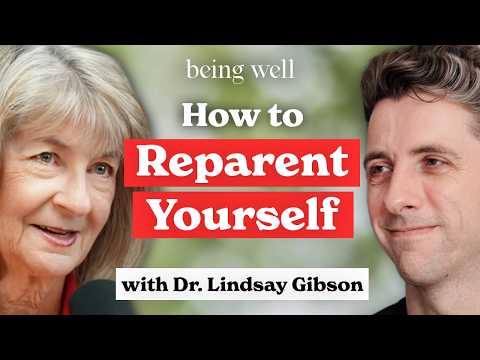
0:00 Hello and welcome to Being Well. I'm Forest Stansen. If you're new to the show, thanks for joining us today. And if you've listened before, welcome back. I'm joined today by a very special guest back on the podcast for a third time, Dr. Lindsay Gibson. So, Lindsay, how are you doing today? >> I'm doing great. It's so good to be here for us. >> I am so happy to have you back. The first two conversations that we had were two of the honestly most popular we've ever had on the podcast uh particularly on YouTube which speaks to how much people are into your work and how much value they get out of it. So a little bit more about Dr. Gibson. She is a clinical psychologist and the author of a number of books including the classic adult children of emotionally Immature Parents and her most recent book which we're mostly focusing on today how to raise an emotionally mature child. So today we're going to be talking about emotional immaturity and its flip side, emotional maturity. What it is, why some people develop it and others don't, and what you can do to foster more of it, whether you're trying to do that with a kid or if you're trying to help yourself develop a little bit more emotional maturity. Because I really thought as I was reading through this book that it was one of the best books I'd ever read on reparing. So, not just parenting, but figuring out how to give yourself this stuff as an adult because so many people grow up without getting the things that you write about in the book. Um, and that just was really ringing through my head as I was going through and I was wondering if if that was part of what you were thinking about as you were writing the book.
1:26 >> Well, yes, I I think it it was subliminally. Um because one of the primary motivators for doing this book was having spent over 30 years as a psychotherapist uh listening to the stories of people who had experienced so much emotional pain and emotional loneliness um in their relationships with emotionally immature parents. So you know how it is in psychotherapy you end up talking a lot about childhood. And so I was listening in on their memories of what it was like to be uh parented by a parent who really had problems with empathy and thinking of what was going on inside that child. In writing the book, I wasn't writing it with the thought of, oh, this is this will be great for reparing work as well. But when you brought that up in our previous conversation, it just rang this big bell and I thought, well, of course. I mean, >> it's a perfect fit. So, I'm I'm so excited that we're going to get to talk about this.
2:33 >> Yeah. Yeah. Same. Um, the last couple of times that we talked, I started by asking you what emotional immaturity was. And to maybe put a different spin on it for this conversation, what's emotional maturity? Like, what does an emotionally mature person actually look like for you? >> Yeah. I I like to emphasize that we're all uh relatively or adequately or sufficiently emotionally mature at different times and that our level of emotional maturity can vary depending on whether we're stressed or fatigued or ill. We all become more emotionally immature under those conditions. That's being human.
3:15 >> Makes total sense. Yeah. >> Yeah. Uh but but when you have achieved a sufficient degree of emotional maturity, it's kind of like you reach a set point of functioning and that's kind of where you hang out. Um and the emotionally mature person is someone who has learned to handle what goes on inside of them to be aware of and deal with their feelings and their impulses. And then they are able to decide almost automatically what to do in a difficult situation that's going to make the situation slightly better or slightly worse.
3:55 There's an element of judgment uh you know the the front part of the brain has become integrated enough with the emotional centers in the brain that they're talking to each other and they they inform each other. But we are able to make that decision about whether I show this feeling now or not, whether this is a good time to go for it with this impulse or maybe I better hang back. That judgment element gets in there. And then the other thing is that they're capable of deep and lasting relationships with other people because they have good empathy and they just think about other people for one thing and they care about them. they've had a good enough history of relationships that that is those skills have become sort of uh baked in to their psychology.
4:49 >> And then the last thing we want to notice is that they're able to be motivated and interested in something that's meaningful to them. Um they're going to have some kind of pursuit um that matters to them. Freud said that uh in in essence emotional maturity was the ability to love and to work. And that's not a bad synopsis. >> Yeah, totally. I one of the things in the book that really stood out to me when you were talking about emotional maturity versus emotional immaturity was kind of like you were getting to there, the relationship a person has with their feelings. Are these feelings uh something that is one input of many in the system or is this person kind of governed by their feelings? I think the language that you used in the book was is the feeling an adviser or is the feeling a master and I thought that was a really tidy way to put it.
5:41 >> Yes. Yes. Because when the feeling becomes the master uh the awareness of cause and effect and consequences and judgment all that goes out the window. Um, and of course, you know, afterwards you have to pick up the pieces and clean up the debris that happens when we have uh unchecked emotions running our lives. So, yeah, it's it's a very important distinction because we do want to listen to our feelings. They've got things to tell us, okay? We can't do without them, but we don't want to hand them the reinss either. Another part of this that people experience a lot of pain around, certainly if they're growing up with a parent who's got some of these more emotionally immature features, is egoentrism. Um, like these people can be a little bit more self-p preoccupied, have lower empathy. I think you said something a moment ago about being kind of interested in other people.
6:35 >> Um, or having a sense of others as having a unique internal world that is not your internal world. It's separate. It's their own. They got their own stuff going on. it's okay that it's over there and it's not like perfectly joined with me in this kind of way and there can be a healthy distance in this whole thing and I I think that's a really um something that when I talk with my friends who went through some of these experiences that you detail in your previous books that really stands out to me >> that appreciation of your individuality says that it's okay to be who you are and it's okay to have your own feelings and your own thoughts which is essential. Um certainly in a culture like ours where, you know, people are expected to be able to function independently and they're expected to be able to make up their own minds as adults and make decisions, that kind of thing. And you really I mean how are you going to do that if you're sort of psychologically fused with uh a parent figure who is doing your thinking for you or has told you what to believe and how to feel about things. It's just you know that would be incredibly hard to do.
7:50 >> Something that I thought was interesting about this book relative to the uh other two ones that I had read but you had quite a bit of cultural commentary in this one. uh maybe because it's got that more like rearing young children and preparing them for the world sort of lens to it. Uh for example, early on you talk about how emotional maturity will be an increasingly important skill for people in a kind of changing uncertain world. We're not really sure what jobs we're preparing people for. We don't really know if people are going to get the same uh benefits that maybe they got generations ago. I thought that was a really interesting point you were making.
8:25 >> Yeah. It's like be compliant and be rewarded. That I mean I'm sorry that those days are gone. >> Um I'm so glad that you picked up on it. You're the first person that's asked me about that because when I wrote the proposal for the book when we were looking for a publisher. That was a major point that I was making was that in the culture, you know, sort of western capitalistic culture, whatever you want to say, but any place where people are, you know, basically trying to make money and get power and accumulate things, whatever you'd like to call that, it sets up uh an attitude toward life and people that is really not necessarily very emotional. healthy.
9:14 And it certainly can undermine uh the way that we approach our relationships and lose sight or not realize that these behaviors were emotionally immature, that they just because a person in power was using them didn't mean that they were a model for how we should be or how we should, you know, raise our children. >> For sure. >> Yeah. >> And so I I mean, I think there are a lot of emotionally mature people out there.
9:41 Otherwise, I don't think the whole thing would work. But there's also a large amount of uh emotionally immature behavior out there. And I wanted to yes make a comment on the culture and how emotional immaturity can be rewarded and u even um sort of u idealized as a way of being strong and decisive and powerful and that kind of thing, popular. And I wanted to make sure that when we're raising our children, we're putting more people out in the world who do a good job of loving and working. And another piece of commentary that I thought was really in the book in general, um, but also I've experienced this in my friend group. People are talking about this a lot, just how adult children these days do not seem to be as tolerant of emotionally inconsiderate parents as past generations were. And this is not just parent child. The the same kind of change that you see happening out there also applies to friendships and romantic uh relationships. willingness to say inside of work environments that are more exploitative in some of the ways that you're kind of suggesting. And there's just a big movement right now around estrangement. Also, people moving away from family systems that they view as, you know, exploitative of their emotions in different kinds of ways, if not downright abusive. Um, and I thought that that message to prospective parents, which is how you're framing it in the book, of like, hey, kids are going to care about this growing up. So, it's really important if you want this kind of relationship with your adult children in the future, to really focus on this as part of what what you're doing in the mix here as a parent.
11:26 >> Yes. I mean, when I was struggling to find the beginning of the book, which which is for me anyway the hardest part, um, like what are you going to lead with? What is the main point? I started out with something to the effect of I want to show you how to have a lifelong good relationship with your child. And that's the way I looked at it um was think about where you want to end up with your adult child. And typically it would be that you want to uh feel glad to see each other. You want to spend time with each other. you are um respectful and have a good um good time with each other, good relationship with each other. So, how do we how do we get there instead of, you know, potentially ending up in arangement or, you know, maybe seeing them once every couple of years?
12:20 >> Yeah. >> So, I was thinking a lot about framing it with the that that big zoom out of where where are you headed as a parent? What is it that what is the outcome that you want to achieve with your parenting? Yeah, it's it's very it's to me it's um everybody wants to keeps their good their >> everybody wants to keep their best possible relationship with their child when they grow up. I think, you know, deep down they they don't want to lose them.
12:53 >> And yet they don't make the connection sometimes that how they >> treat their child or how they view their child can have a huge effect on that and sometimes they don't even realize how they may be undercutting that future relationship that they want so badly. M so I would love to ask you more here about how we get to that that outcome you're looking for like how emotional maturity and that strong relationship is supposed to develop for kids in part because for so many people they do not get that when they're younger and we can then learn about that as adults and go okay what are some aspects of this if we want to engage in that more reparing work or something like this that we can learn from and take in and and start to extend to ourselves. One of the things you talk about a lot in the book is the idea of the good enough parent from Winnott, both as kind of a a framing device and hopefully as a way to help uh avail parental anxiety about being this kind of theoretically perfect parent, >> right?
13:54 >> Would you mind talking about that a little bit? Like how is this healthy emotional maturity supposed to develop for kids? >> Yeah. Well, first of all, there isn't I want to go back to to what you said about the the perfect parent because we are all as human beings doomed to failure if our goal is to become a perfect anything, right? So, one of the things that I I loved about uh Donald Winnott's book um or his several of his books on um uh children, babies, and mothers was that he noticed that there were behaviors, sensitivities, um attentions of the mothers that just had to be good enough.
14:40 They didn't have to be, you know, helicopter parents like hovering over the bassinet every second and, you know, constantly attuned to their child because, you know, the these were busy parents. But he noticed that they were good enough in the sense that they could tune in and be emotionally sensitive to their child's state and what their child needed at any given moment. and he would and it's his experience as a pediatrician as well as a psychoanalyst was that doesn't have to be done every single second of every single day.
15:15 >> Yeah. It just has to be done enough that the child gets the learning experience that the world is basically a a place I can trust and I can have hope in and I can I can bring about my mother's or you know my caregivers's attention by whatever it is I do whether I cry or I um reach for her or him whatever. And then Ed Trronic who was an infancy or who is uh an infancy researcher actually uh decided to figure out well just how good is a good enough mother?
15:54 >> How how much attention do you have to give your child um dedicated attention before it's it's considered good enough? >> I thought that I thought that was the most brilliant >> it's it's a great question honestly. It's one of those like obvious followup Yeah. follow-up questions that that sometimes we >> I'm saying we I'm not I'm not an academic or researcher. I just read too many research papers. So, I guess I'm using the like royal we here. But, uh that like sometimes people it seems like they don't ask like the natural follow-up question. Oh, we found this target good enough parent. Wait a second.
16:27 >> What does that mean exactly? Like how do we measure that? Anyways, go ahead. I just thought this part of the book was really cool. >> Yeah. Yeah. How much is that really? >> Yeah. because I actually I' actually never heard this number that you give which is really really interesting. >> It's in Ed Tronic and Claudia Gold's book called The Power of Discord. Um and they talk about how they measured when the um they observed the mother and baby and they and this goes there's been subsequent research about fathers and babies. Okay. So this this is a genderfree um parenting thing. But what >> the early attachment work was very focused on mother and child. Absolutely.
17:05 Yeah. But you know to everybody's credit there has been a lot of work done later uh with with fathers. So what they found was that that dedicated um resonant attuned attention where the the mother is actually neurologically attuned right brain to right brain with her baby. those experiences only had to happen about a third of the time. I think it was about 30% was his actual number. And the rest of the time, you know, the mother might be washing the dishes or, you know, she might be uh working on a paper or she might be returning a phone call. You know, the the mother is doing life.
17:54 But what he found was that when the baby was feeling began to feel her absence or felt lonely or wanted some interaction, the baby would let the mother know by fussing or crying or, you know, um squirming and and then if the mother came back and did that that very attuned, sensitive reorienting toward the baby, the baby becomes happy again. they sort of get their tanks filled and now we can do that for a while and then maybe baby plays on the mat while mom goes and does something else. So he found that it was really a good thing for the child to find out that they can actually summon their mother back when they needed them. that gives the child a sense of efficacy like oh I have the power to fuss and mom comes back or dad comes back and they and he also felt that it really developed a much more solidly trusting relationship with the parent because you know the baby had sort of um experienced the relationship it it had gotten some good shakes it had gotten some challenges and the baby finds out oh you know they still come back They always come back. They're always interested in me. I can make them come back.
19:17 >> And that makes the child feel much more solidly trusting of that parent than if the parent had never given them a chance, you know, for a moment's concern about anything. Uh had always been there interacting because, you know, babies are like us. We need some time to ourselves to integrate what we've experienced, you know, to um just have some quiet downtime to a little introverted time to not be on or responding to stimulation. That's the way that's the way we learn things.
19:54 That's how we consolidate our our knowledge that we've picked up, you know, in in the in the last couple of hours. We we need that downtime. So yeah, only 30% of the time that now I I do want to hasten to add that doesn't mean that 70% of the time you can you know be in another room and not pay any attention to your child for 70% of >> probably not the best parenting strategy. Yeah. >> But um you know he's talking about a back and forth between the attunement and the and the quiet time apart. I I just thought there was so much in this that was really quite touching but also very evocative and it really made me think about a lot of different things here. I it will come as no surprise to longtime listeners of the podcast that I loved the bit of this that was about the baby expressing agency. You know this experience of something happened, you know, parent goes away and I am able to summon them with my actions. I cry, I fuss, I do whatever and then they come back. And so I feel like I'm doing things in the world that are creating some kind of an effect, right? That teaches the kid, oh, I can do things and then stuff happens in response, right?
21:06 And this naturally makes me ask the question like what happens to people when they don't have that experience? you know, they're fussing and either parent is just not that responsive to it fundamentally or maybe they're responding to it in a way that, you know, is not very supportive of the kid. Maybe it's a little too intense. Maybe it's making it about the parent. We talked about that a lot the last time that uh we talked on the podcast, but I did want to ask you about that like what do you think are the consequences for people if they don't have those kinds of good good experiences you're talking about?
21:36 >> Yeah. Well, unfortunately, one big thing is that their general sense of trust can be affected. That is uh when things don't happen as they expect them to uncertainty and that goes on for you know quite a while or it doesn't it it never gets resolved or that's the baby's experience of it. Then you develop a this very deep implicit. It's not conscious. It's a it's sort of the background noise. It's a background feeling about life that life is not a place where you can really, you know, sort of let your guard down and and trust that the universe is going to bring you good things, that, you know, you're you're being looked after, that someone will be there for you. that is not something that any of us are really conscious of uh you know until we get older and we we start uh hearing about this kind of stuff. But it's so critically important to our self-confidence, um, our willingness to take, you know, healthy risks in adult life to have the feeling that we can ask for help or seek out a mentor, for instance, and people aren't going to shun us or or, you know, not answer us when we uh make a request of them. that trust is something that can really be undermined and it can be very hard to come back from that because they're convinced that nobody wants to hear from them and that they're bothering people. Then the other thing is, you know, of course, uh the efficacy part is, you know, it leads to that why bother? Um I'm not going to be able to make things go the way I want them to.
23:35 So, not only does it become, okay, so I'm not going to try, but the worst thing is that it becomes, I'm going to just not notice that I'm having the desire to do that anymore. I'm going to cut off from that desire to reach out or or um you know call my parent to me or to express my loneliness or I'm going to just sort of get rid of that part of myself because it doesn't work. It It's no good to be in touch with something that I have no efficacy to change >> and I can't impact the world to get help with it. So, we dissociate from it. I'm not going to be particularly uh accessible to those kinds of feelings in myself even if they're there because it doesn't do me any good. Nobody's noticing. Nobody is um using that as a cue to come toward me. So when those those two things the the trust and the efficacy, you know, uh aren't responded to, you learn a very you can learn a very passive uh kind of hopeless attitude toward life or you can have a lot of un undelt with rage over feeling like your basic needs have been ignored. But what whichever way it goes, the problem is that it stays very um unconscious.
25:07 Usually in childhood, it's it's not something necessarily that the child is aware of, but it's there and then, you know, it can come out later when the person has to go out and find their own relationships. So much that happens when we're kids or if we think about it, the relationship we form with our kids or if we're parents, it just becomes kind of the wallpaper of our experience, you don't really notice it, but it really affects the way that a room looks and feels in in this funny but it's just kind of built in. It's like the old um proverb about the old fish asking the young fish like, "How's the water today?" And they're like, "What are you talking about?" You know, there's no what do you mean water? This is just that's my experience. This is what I'm floating in. Right. I also wonder about an aspect of this that's about your own relationship with your wants in the world. If you have all of these early experiences of having different kinds of wants and making some kind of a bid related to them, like I want closeness from my parent, I want to be seen in this kind of way and that bid isn't responded to in a kind of thoughtful appropriate way. Well, what does it make you go? It's these wants cause me pain.
26:14 I want things. I don't get them. That's just suffering. What am I going to do? I'm going to kind of shut down that part of myself to some extent. And you see all the time people who really struggle to put words to what they want in adulthood often linked to these kinds of earlier experiences that a person might have. So I wonder about that piece of it as well. >> Yes. And so they learn to if they have a a desire or maybe you know they they have a um sort of a inspiration towards something that they want to do. they feel a motivation that way. Instantly, if you've grown up with an emotionally immature parent, you're going to be thinking, how's this going to affect that other person?
26:56 >> Um, is this going to be received well or not? Uh, is this going to hurt their feelings? Is this going to make them angry? So, there's a lot of, and this is with a sort of internalizing response to emotional immaturity, that person who takes it in and worries about it. So they, you know, first of all, aren't real clear even in their own mind when they say, "I don't know." When you ask them what they want, they really mean they don't, they don't know. It it is not conscious. And usually that has not been um put into words in their own mind. It's not been conceptualized because well, there was no practice in doing that when they were little. When I first started being well back in 2018, I had, to be frank, no idea what I was doing. I had never produced a podcast. I didn't know if anybody would actually listen to it. And it ended up being one of the best decisions I ever made. But starting something new is always a leap of faith. And it is much easier to take that leap if you have a partner like Shopify that your business can rely on.
28:06 Shopify is the commerce platform behind millions of businesses around the world. and 10% of all e-commerce in the United States. From household names like Hines and Mattel to brands that are just getting started. If you're building your own store, they've got hundreds of templates that match your brand style. They've got worldclass expertise in everything from managing inventory to international shipping to processing returns. And if you get stuck along the way, their 247 customer support is there with you. It's time to turn those whatifs into with Shopify today. Sign up for your $1 per month trial today at shopify.com/beingwell.
28:48 Go to shopify.com/beingwell. That's shopify.com/beingwwell. I'm wondering about the repair process for somebody who's an adult who went through some of these experiences when they were early on in life. uh or maybe not so early on in life. These experiences keep on going as you write about in the book through the teenage years, early adulthood, you know, parenting doesn't stop just because somebody turns 18. They had these experiences maybe related to what we're talking about like expression of want that gets shut down, a desire, they they feel like they can't affect the world in that kind of way. And I'm wondering if you see things in the healthy development of kids, which is a lot of what you're writing about in the book, that a person could learn from as an adult related to these kinds of issues, and go, "Okay, I can take some of that, you know, I can take uh how kids do healthy differentiation or I can take how kids find things that they want and kind of learn about them." Now, as a 30, 40, 50, 60year-old, I'm wondering how you think about that. We have to be able to do the selfreflection, the self-observing, get a feel for what the thing is that we need to head toward. And that means that we have to conceptualize this. And that's why I think psycho education I mean I know people sometimes are sort of um they sort of turn up their nose at self-help and that like it's not a legitimate uh psychotherrapeutic source but but it is because these ideas and these concepts of what is healthy or what works and doesn't work that is huge.
30:30 So, let's say that a person um wants to ask their boss for something. It's not it's not a uh huge thing, but but it's so hard for them because based on their experience when they were growing up, they learned that you will be seen as a nuisance and a bother and ungrateful. And uh you're not going to get a good response if you go bothering people like that, especially people in authority. So they hold themselves back and then of course that creates internal conflict because they're not meeting their own needs with their through their own behavior.
31:15 And they could imagine themselves as a child who wants to ask something. And what would be the difference if they had asked it of a more emotionally mature person than their parent and that person actually was willing to listen and might be willing to help, but you know certainly is not going to regard them with scorn and kick them out of the office for even mentioning it. they they can begin to conceptualize a different world out there that they can practice some of these new behaviors with. And if they do that consciously enough, that new learning gets put in there and gets integrated with the old learning, which is yeah, I may have sort of a tendency to be loathed to ask for stuff for myself, but when I do, I find that I often get a pretty good response.
32:16 And so now I'm willing to try that some more. And we can try that on for ourselves, even if we don't feel it all the way down. I don't know if this is a loaded question or not, but I'm really curious what your take is on it. Do you think that people who grew up with parents who had more of these emotional immaturity issues are more likely themselves to have aspects of emotional immaturity uh including in their relationships with other people?
32:42 >> I think that they have certainly observed and learned some emotion about yeah some emotionally immature behavior. We learn through seeing what's going on around us. We naturally internalize it. Of course you would. Yeah. >> Yeah. And and it and it becomes sort of that um that implicit learning. Uh it's not conscious. It's not deliberate. It's just what we do automatically when we get put in that situation. So it's not an explicit memory like I remember this time the dad did this. It's not that.
33:14 It's that we just quote unquote know what to do. We are all capable of engaging in emotionally immature behaviors. But the question becomes, do we catch it? Do we reflect on it? Do we evaluate it? Do we decide whether or not we want to keep doing it that way? And certainly in the way that we raise our children. That's that's a very important decision to make. >> Part of the reason that I ask is because after our last conversation, we got some comments from people that really surprised me. And the comments were basically from people who recognized aspects of emotional immaturity in themselves and they were wondering what they could do about it. And for starters, I want to give these people enormous credit because wow, the level of self-awareness that you need for that is like incredible. And I also love the frame that you're putting on this around the difference between being a emotionally immature person versus having emotionally immature behaviors because we all in different kinds of ways have emotionally immature behaviors, right? And we learn these patterns of behavior through observation. So of course you're going to take some of these things on a little bit and you're going to have a kind of model and then we get to rebuild this model over time. And that's part of why, you know, I liked this parenting book so much was because you could kind of spin it in this way. I could view myself through this lens and ask, huh, you know, can I approach myself? You've got this uh great frame in the book. Help.
34:42 Avoid making them feel lonely, unloved, or misunderstood >> as like the primary goal of a parent toward their kid. You know, simple mindset, simple frame. This is the target. Avoid making them feel lonely, unloved, or misunderstood. And I thought about, huh, how could I relate to myself in a way where I tried to avoid making myself feel lonely, unloved, or misunderstood? And I was just like, wow, what what an interesting way to put it. >> I love that. I love that. I mean, that would be gosh, if if people could could cultivate that attitude toward themselves, I mean, that is the attitude of reparing. But reparing is such a it's such an abstract new word.
35:26 you know that we may not understand what we're really saying there. But yeah, if we say, you know, we're trying to treat ourselves in ways that we don't make ourselves feel, you know, uh, unloved or um, lonely or misunderstood, that becomes suddenly doable because when we talk meanly to ourselves or we have overly exacting standards for ourselves and then we, you know, we uh, take ourselves to task for it, we are repeating ing the kind of emotional injuries that we may have received in childhood and we and because it sounds like it's our voice in our heads. We It would be so great if we carried these voices inside our heads in their original form like we heard our father's voice or our mother's voice or our third grade teacher's voice. Wouldn't that be great?
36:23 We would just know where this came from. But the internalization process is such that we make it our own and then then we think oh well this is just how I think >> but it's how you were taught to think. >> Yeah totally. And you know another version of this uh in the book you have the the four main jobs of a parent. You talk about protection, nurturance, guidance and setting healthy kinds of limits. Same orientation. Can you approach your kid that way? Yes, of course. But also can you approach yourself that way? Can you think about, hey, how am I going to protect myself?
36:58 How am I going to nurture myself? How am I going to guide myself? How am I going to put healthy boundaries around myself? And go like, hey, Forest, you know, maybe you shouldn't do that so much right now. Maybe that's not what you need. Maybe you need this other thing over here. Like, wow, what a contained direct framework on this whole thing. those attitudes towards oneself, especially the the self-p protection because when you've had an emotionally immature parent or two, the message to you is stop protecting yourself.
37:30 Essentially, it's like stop saying what I don't want you to say. Stop saying no when I want you to say yes. stop uh pulling back when I want you to cooperate or uh you know stop wanting this thing when I think you should want that thing. And so it's essentially they're saying stop protecting yourself and do what I want you to do even if it makes you feel anxious or endangered or whatever because I know best. So yes, if we can follow those attitudes toward ourselves, that would be a huge step in our giving ourselves the better kind of parenting that we need.
38:08 >> Yeah. The when I read the target, avoid making them feel lonely, unloved, or misunderstood, it really made me think because I immediately understood why lonely and unloved were in there. Attachment needs, love, safety, connection. Great. That third word misunderstood. Of all the words that you could have chosen, you that was the one that you chose and it really uh on the one hand I immediately got it in this kind of visceral way because there's something about feeling misunderstood that can be so painful for a person. I' I've definitely experienced that myself. But why that word? Why that focus on feeling understood?
38:48 >> Because feeling understood is the basis of our connection with other people. It's a little hard to state. It's it's an ineffable feeling. Okay. But you can be in a situation where you notice somebody looking on or maybe they're um in in the situation with you, but you catch their eye and you know that they understand what you're going through. And that witnessing is so um strengthening and supportive. It's the mechanism that we make the connection which is what I'm feeling inside is legitimate. It's recognizable to other people. And here's the most important part. It matters to them.
39:39 >> They were looking at me when I caught their eye. They understood what I was going through. They saw the spot that I was in. And that's all it takes for you to feel strengthened inside. It's like, "Oh, I'm not crazy. I'm not neurotic. This p this other person noticed and is showing empathy or concern for me just with their eyes." And when I pick up on that, I feel understood. I feel connected with somebody. And people are stronger. They're more motivated. They they feel like they can take stuff on.
40:18 It's it's incredible. They've even done studies with uh mothers and children about that very thing about the increase in sort of that motivational energy that comes from that kind of connection. >> Well, I think you're so right here and there's a section of one of the chapters that just like little piece of a paragraph here that I actually want to read cuz I thought it was so on the nose. All of us feel misunderstood at times, but that's different from getting so little understanding that you begin to think of yourself as a person who is not understandable to others. If no one tries to understand you, you could easily conclude that you're the problem, that you are not someone others can make sense of. And I think that last bit that you are not someone others can make sense of is so core to the suffering that so many people have related to this that they feel like they are just alone on an island separated from other people and kind of incomprehensible in this way. Um and there was something about that that just really stuck with me >> for many different reasons. We are tending toward more isolated existences, you know, where we are kind of stuck more in our nuclear family as opposed to having these, you know, stronger nearby communities that that could expose us to other people who who do make sense of us, you know.
41:45 So whatever it is, there is to my mind a kind of an increase in this feeling that people have where they don't feel like they have an outlet or a way of of being understood. And you know that that that kind of loneliness really begets some uh difficult behaviors that are oriented toward you know somehow getting somebody's attention um and somebody you know like paying uh attention to me as if I matter.
42:27 So it it's it to me it that is a like a huge issue about helping people to feel understood and listened to. >> Yeah. I I just want to dig into this like a little bit more because um I think about in my own adult relationship. Elizabeth came from a family there where there was certainly some of this emotional immaturity coming along. Uh Elizabeth my is my fiance and uh and is a associate therapist herself. Um, and early on in our relationship, first several years of it, particularly once we got to the point where we were safe and secure enough where she could start expressing some of these things to me, one of the things that she would say to me fairly frequently is some version of, "I feel like you just don't understand me," or, "I feel like there's some kind of level of empathic attunement that I just I'm not quite getting from you." And I think that there was this kind of searching in that for what you're talking about like this level of deep connection and understanding uh in part because it wasn't there early on. So in a funny kind of way it became more important to her as an adult and she had a sensitivity to it. You know when she wasn't getting that it felt really painful and really real. So, of course, this is important to try to give to our kids, but it's just as important to try to give to our relationships, our friends, like that that feeling of really being seen in that way. Um, and I'm wondering if there's anything that you think helps people with that, like helps give that to others.
43:54 >> Yes. Well, I think people come to therapy for that very reason. >> Yeah. They're looking for being that way, for sure. >> Absolutely. I remember uh one person who came in and she was talking to me about her her issues and and she suddenly just stopped and she said, "You really see me." >> And that's what we're looking for. We're looking for someone to listen at that level where the other person feels totally uh seen and totally received. um that you're you're you're soaking them in, so to speak, in a way in a way that you're actively trying to understand uh what it is that they're saying. I' I've said many times that one of the things that happens with emotionally immature parents is that their children feel like uh they need to be expert communicators to somehow get across the message >> uh that they're trying to tell them.
45:00 >> And point. >> Yeah. And I've often said that, you know, if somebody really wants to understand you, it doesn't matter how you say it. >> And if they don't want to understand you, it also doesn't matter how you say it. So, it all comes from, you know, is your heart in the right place when you're listening to somebody? Are you in that receptive uh non-judgmental curious mode where you're really open to learning what it is that they're trying to tell you about themselves?
45:36 >> Hey there, thanks for watching and sorry for the brief interruption. But it turns out that over 60% of the people watching this right now are not subscribed to the channel. So, if you could just take a moment to hit the subscribe button, it would really help me out. I'd appreciate it a lot. All right, back to the show. One of the things you talk about a little bit in the book is mirroring >> where there's this natural reflective process that you see with like well integrated parents and kids where kid does something parent responds to it and that response makes sense. The response is kind of appropriate. It's balanced.
46:10 It's matching the emotional state of the kid. That doesn't mean that if the the kid bursts into tears, the parent burst into tears. Obviously, you probably don't want to do that so much. But there's kind of a natural responsiveness. Oh, you feel this way and you're feeling this way. I'm not centering how I, the parent, am feeling. I'm centering how you're feeling over there. I'm not telling you about the way that you crying makes me feel. I'm going, "Oh, you're crying. I want to be supportive of you in that way." Um, I don't know what in there is really learnable for people in terms of extending it to others or giving it to themselves or that kind of frame, but I'm wondering if there's anything that you've seen here, including in your work as a therapist, which is so much about mirroring and connecting and and empathic attunement to another person, like what helps somebody be a good understander?
47:01 >> Well, I think you have to have imagination. I mean, I I started to say empathy, all right? But because we can't actually crawl inside somebody's head and and experience what they're experiencing, we have to do that through imagination. We we project our um consciousness, so to speak, into the story that we're hearing and then we imagine what that would feel like. Okay. But the thing about mirroring, and this is so great that you brought this up because it's such an important part of of the connection. Mirroring happens at a very physical level. It it almost it's it bypasses the the the frontal loes um the the decision-making part of the brain, the choice making part of the brain. It goes right in and comes right back out. I have been embarrassed at times watching a TV commercial and I know that I go, you know, or start uh have a surprise look on my face or have or I smile and it's like I'm reacting to this commercial that I could care less about, but I'm being triggered because, you know, I guess the acting was pretty good in the commercial. I'm being triggered into a mirror response and I'm not even invested in this. So that part is something that we can allow to come back online. You know, sometimes we learn to have a still face. We learn to have a non-reactive demeanor to be aloof or untouched because for some reason that seemed to make things go better when we were growing up. Don't show too much. Okay.
48:50 So when you are um like deeply trained in keeping yourself from responding to other people maybe TV and commercials and things like that not a bad place to practice letting yourself just respond on your face to whatever it is that you're being moved by or laughing out loud. That's that's another one. Um because it helps you to get back in touch with that automatic thing that is your birthright as a human being. I mean animals do it too. It's it's not it's a very natural thing that we suppress >> and we can get it back if we begin to uh you know find ways to allow it.
49:38 >> To to use a word that's a little bit of a loaded word so I want to be a little careful about it. But I think it is kind of what you're talking about here. You're essentially talking about a form of masking. I think like the ways in which we we conceal our emotions or our natural feelings about something for adaptive reasons. Like there are a lot of reasons that people do that uh including what we learn from other people when we're young. We learn that if I show a certain kind of emotion, it is not rewarded by the people around us.
50:04 So, I'm not going to show it so much. >> And if that happens enough times in enough domains, you start learning I'm just not going to show these suckers at all because it just doesn't go well for me when I do. So, like how do you get back in touch with that? I think some of the things you've already said are are great in terms of that feeling that natural responsiveness. >> Uh for me, art can really help.
50:21 Listening to music, consuming different kinds of art, reading a book, letting emotions flow when you do. You can read it by yourself. You can listen in your room. You know, you you start with um >> Elizabeth likes to joke with me sometimes that exposure is the only club in my bag, which is kind of true. Uh you know, it's essentially kind of a gentler form of exposure if you're doing it in a space where it's just you. And can you let it flow just as you and then can you start accessing aspects of that while being seen by other people?
50:50 >> I love that just to let it flow or to practice letting it flow. And I love the idea of yes, you can do that in your room. you can do it in private because people get so self-conscious or they get trained to be so self-conscious about what they're showing on their face um that they do develop that masking reflex which is you know I'm not going to let anybody see what's going on inside me because it's safer that way. One of the things that I think relates to this is in the developmental stage section of the book, which is the core of the book, um, you do these five chapters, if I remember, I think it's five, and they focus on what kids need at different ages in order to mature emotionally. And this kind of stage-based approach makes a lot of sense. What a 2-year-old needs is very different from what a 16-year-old needs.
51:37 But there was this kind of theme that that ran through everything. And I think it also gets to this understanding question uh balancing connection and autonomy. Uh you're doing this kind of dance where the secure relationship the the holding container of parent and child is what allows somebody to explore who they are. And then as they explore that, as they become more of an individual, that individuation is then what allows them to step outside of the container, right? to explore the things that they care about that maybe their parents don't care about so much to do different forms of testing to be more of an individual in the world as their own person not just as the child of a parent and I just thought that that balance was like so through the the center of the book and I'm wondering just for general how you think about it how you think about balancing that in good ways and just why there was such an emphasis on it >> isn't it fascinating I mean it it would it seems like it would be so much simpler if we could just be one way or the you know, I mean, if if we could just like need each other all the time every day. Um, or we could just, you know, be lone wolves and, uh, you know, we we could we could get together at times, but, you know, basically we're all on our own.
52:52 >> It is a back and forth. And that's what is going on in later babyhood. Now early babyhood um of course we we want there to be that you know complete dependence and reliable dependence on the parent and and the newborn but later on you know it's like undeniable we come into this world as little individuals and that's one of the mindsets that I talk about in the book is to have the attitude or the mindset that this child of yours is a unique individual with their own interests that will become apparent to you as they mature and there is really very little that you can do to change that. Now, you can socialize them, you can get them ready for adult life, you can guide them, um you can sand off some of the rough edges on it, but basically they are who they are. So there's something about to my way of thinking anyway there's something about there's this intrinsic individuality this spark that comes into the world and then has to learn how to actualize that you know to become a unique fully developed person on the inside and how are they going to interface with other people which they need desperately for many reasons. How are they going to interact that individuality with these other people in such a way that there's good energy and there's love and there's pleasure that goes along with these close relationships. How are we going to do that?
54:31 And that's why when we follow some of these ideas about thinking of how our children feel, how things affect them, and we make that process of becoming themselves and um becoming attached to other people as simple and easy for them as possible, as non-threatening as possible. We take this uh huge discrepancy um between individuality and and dependence and we create this beautiful uh dance really between people. That's that kind of interdependence >> where we rely on each other but we can stand alone when we have to. And that I I guess sort of balancing that tension, balancing those needs is could or could be another definition of emotional maturity because at some point you have been able to work that out >> and it's and and it's a constant it's a constant challenge.
55:46 >> Yeah. >> About how to remain yourself and yet you know keep good relationships. There are so many debates out there in the parenting world in general about essentially the right amount of parental authority, for lack of a better way of putting it. Um, my dad has a phrase about this that I've always really liked. Big pasture, high fences. You know, you're giving a lot of space for exploration, but you're creating that kind of safe holding container uh for kids to explore.
56:14 people are going to put those lines in different places, but I'm wondering how you think about parental authority in general. >> Yeah. Well, it's certainly been the main concern of many parents for eons. Um the idea that the parents authority has to be really strong, really um unmoving um absolute there that kind of authoritarian parent approach has been extremely popular for a long time. Okay. And you know, part of that has probably been because these poor parents have been so stressed for so many eons about surv really basic survival and challenges to life that there was nothing left over for going beyond uh just basically telling kids what to do and and making sure that they stayed out of the way or you know whatever the need was. Parents get into an old way of thinking which is in order for our kids to turn out to be good people, we have to be strong, definite, in control and sort of beyond uh questioning with our kids >> for sure. and that somehow if our child is questioning our authority quote unquote we have become weak and we've lost our uh influence over them which is absolutely not true. I mean it's it's like the parents who think in that way don't realize the huge advantage that they have just in having uh an attached loving relationship with their child.
58:16 That doesn't mean that your child never questions you, never gives you a hard time, uh you know, never talks back. It doesn't mean that. It means that you have created a relationship with that child where things can be worked out with them where you can talk about things and you don't have to just shut the kid down in order to feel like you have some control over, you know, the outcome of the situation. I guess sort of a fear of parents that if they're not that quote unquote strong kind of uh strict parent that they will not be able to guide and and uh influence their children in good ways.
59:00 >> But the opposite is true. Yes, we need guidance and limits, you know, just as much as we need the other things. But we don't have to have authority and control be the mainstay of our relationship with them. they they look up to you anyway because you're a grownup. >> Yeah. I think the idea that the warmth in the relationship and the emotional connection is what allows you to deliver the other stuff in a way where your kid will still pay attention to it when they're 17 years old is, you know, pretty meaningful for people. There was also this section where you were talking about teenagers and the importance of filling their emotional tank which I think gets directly to this in terms of the relationship that you form with them. You had this great line when you keep their emotional tanks filled they're less likely to go out into the world love starved where they might mistake manipulation, exploitation or coercion for the focused attention they crave. And thought it was a great line because you can see what you're talking about not just in adolescence but in plenty of adults as well. You know, people who have empty emotional tanks who become vulnerable to anything that looks like attention including from you know systems or from individuals who then exploit that desire for that kind of focused interest for their for their own ends for their own needs. And this speaks to one of the risks of very authoritarian parenting is you're not really giving that kid anything that they can't get from some other authoritarian source which is strict guidance in this way. Right.
60:35 >> Yes. Absolutely. And if your child can never say no to you, how are they ever going to be able to say no to someone else? It's interesting that authoritarian parents won't brookke any opposition from their child. They won't allow the child to say no or refuse because they feel like they'll lose control of the child, but then they may be very upset with the child because they went along with something that somebody else talked them into or pressured them into. And they, you know, might say, "Why why did you do that? Um why did you listen to them? Why didn't you tell them?" you know, it's like because they never got to practice um standing up to someone who's trying to pressure them that has power over them.
61:19 And so we have to understand that we're giving our kids experience or not giving them the experience of being able to u you know go back to protecting themselves and saying what it is that they really want and need even if it's unpopular with us. I think one of the things that really distinguishes more authoritarian parenting from what I'll call authoritative parenting, this gets back to, you know, old work on the four parenting styles with authoritarian, authoritative, and I think the permissive and neglectful are the other ones if I'm remembering correctly, um, is whether or not the parent is willing to repair with their kid. Repair is often something that people just do not have modeled to them grown up because again, it's that authoritarian model.
62:09 Well, I don't have to repair with you cuz you're just supposed to do what I say and the parents just kind of right. So, the whole notion that you could have done something that would be worthy of an apology is sort of foreign to the model, right? Cuz that just makes for less parental authority. Uh, and I'm wondering how you think people can learn how to do this either with their children or with other adults if they never got particularly good modeling around it. Like what helps somebody get good at repair? People learn that it is a weakness to admit fault or to admit that they've done something that has hurt somebody else. And so they learn to either uh stonewall the person, shut them out, or double down on their own uh self-defense, so to speak. And they have no idea that they could actually be a a stronger, more mature person if they did self-reflect and did think about whether or not they had a role in this disagreement or or hurt, whatever it was.
63:14 >> And, you know, could they um, you know, go back in and acknowledge what they think they did and apologize? Well, that's not that is not in their playbook of how you should respond when somebody calls you out on something. But if you are desirous of having a good, sturdy, long-term relationship, you can only get so far, assuming that your partner is relatively emotionally healthy themselves. You can only go so far with that kind of stonewalling or refusal to look at yourself response. So, it's it's a reapproach. It's a reapproach to the relationship seeking connection.
64:06 And when we can do that, um, we end up having so much more emotional intimacy because we're showing our deeper feeling of regret. And that allows us at that deeper level to make a connection with the other person. And now back to we're back to being understood, being understandable. We've now made a bridge to the other person that we we can travel across together and that strengthens the relationship in a way that you know like Tronic was saying is better for it than if there had never been a problem.
64:44 >> You you site I if I'm remembering right I think that you site some research in the book that suggests that just trying to be empathic and relational can matter more than almost anything else that's going on inside of this repair interaction. You're just signaling effort. You can be kind of messy about it. You can kind of miss the mark in different ways, but the other person just perceiving you as caring about this is such a huge piece of the puzzle.
65:11 >> Yes. And it's it's like um there's a uh a new book by um I believe her name is Jenny Wallace called Mattering. And it's because that interest, that perseverance in trying to understand someone is basically saying, "You matter to me. My understanding you matters to me, and I'm going to keep working at it even if I'm not doing a great job." So, it's it's a uh yeah, e even if you're not a super duper communicator and an empathic person, the fact that you want to be or that you're trying to be, the other person recognizes that they can tell >> that you're there and trying and of Yeah, of course that makes a huge difference to you. There's so much in this that I'm sure we could take into a whole another episode of the podcast that was psychoanalytically driven and talking about defenses in general.
66:14 >> Oh yeah. >> And how like the protection of something and how when we protect it over and over and over again in a funny way we uh increase the salience of whatever it is that we're trying to protect. So if somebody's constantly defending this feeling of like um I'm wrong as the worst possible feeling that a person could have because it was unacceptable in family of origin you know it becomes harder and harder and harder to actually say oh my bad and then there are people who get better modeling around it and they've got a lot of comfort with saying oh my bad and if anything they kind of learn oh when I say oh my bad things actually kind of tend to get better for me how interesting you know and it just becomes less and less defended in this kind of way. Uh, so that's, you know, probably a probably a whole other episode as we're kind of coming to the end here. There's so much else that I wanted to talk with you about today. Uh, Lindsay, we might have to do this again sometime, but I want to kind of speedrun through one section of the book cuz I just got you for a little longer here where you give a list of a dozen parental behaviors to absolutely avoid.
67:17 And I'd like to uh talk with you just about a few of them really quickly, particularly this one that I thought was really interesting, which was avoiding sarcasm and cynicism. And I thought that again, this was another bit of cultural commentary. Um because being cynical has become this kind of funny cultural badge of honor uh among among some people and sort of this worldweeriness. And you really write about how directing that towards kids just does not really work and they don't really get it. And it can actually kind of start to harm your relationship over time.
67:48 >> Yes. And it's you you have to realize that our brains have to grow to a certain point before we are even capable of things like sarcasm, you know, let alone cynicism. Um it it it's a it's an acquired taste, you know. It's it's like liking something that's a little bitter. Um I was doing an interview with a with an English um journalist and she asked about this very question. She said, "Oh, you know, the the British are u you know renowned for their for their enjoyment of irony and sarcasm. So what does that mean for us as our you know uh role in our role as parents?" And and I was saying, you know, no harm done if you notice the effect of it on your child. If your child looks confused or they look hurt or they respond as if you weren't kidding. Um, that's your cue to move in and say, "I'm sorry. I was just I was just being funny. I didn't mean it that way. I meant such and such." or um yeah, I was being sarcastic. Excuse me. That's not that's not really what I meant. I was just saying this thing. It's just being funny. Um and then the child is like, "Oh, okay. There's some thing here. I don't understand about people being trying to be funny and it's not."
69:20 But okay. But they are not left in a state of like believing what you said and then being confused by it. So for older children, you know, like um kids that are in older elementary school, of course, they have learned about sarcasm and they're beginning to learn about irony. And that's like I say, it's it can be fun. It's it's it like a seasoning. you you you do enjoy it in moderation at times, but if your general attitude is leaning too much toward sarcasm, you're queuing your child that it's hard to tell what other people really mean, especially little kids, because, you know, the four, the five, the six, the sevenyear-old, they have no idea uh that you can be saying one thing and meaning something else and that's supposed to be funny somehow. that that there's no no conception of that whatsoever.
70:24 The cynicism is just if you're essentially saying things a lot that have to do with the hopelessness of the human condition or the badness of people or the, you know, the nobody is is good-hearted or, you know, willing to willing to give or help. That sends a very uh dark message to the child about the nature of the world because you are helping your child build you're their neuroarchitect. You're helping them build out their view of the world. And so if you stress um that kind of cynical outlook, what does that do to the energy of a young person who's got to grow up and go out in that world? I it's not helpful.
71:21 >> Yeah, it doesn't sound like something I would really want to be a part of here. There was one other thing on that list that I was particularly curious about because I think it has a ton of implications for adult relationships as well, and that's what you uh what you called withdrawal of love, which includes cold shoulders and the silent treatment. And I'm wondering why you emphasize that as something to really avoid. Well, for one thing, uh it really works to bring a child into obedience or into concern about the parent. Uh so anytime you have a powerful tool, the temptation to use it is enormous. Um, but what it does is it shakes the foundation of your child's emotional security with you because it appears to them that they have either hurt you or angered you or they've been so undesirable in their own being that you have turned away from them. You have withdrawn your love and your interest from them and you are going to decide when you decide to give it back. There's nothing that they can do to bring you back to them. That is a nightmare for a child. I don't care what age you are. It's a nightmare for an adult in an adult relationship when the other person gives you the cold shoulder or uh they don't talk to you for a couple of days or I mean that is torture for a human being. We are so attuned to being connected with the people that matter to us that when we cut it when we are cut off from that it it really shakes our whole sense of stability and self-worth.
73:19 So it works. Your child will probably comply more uh if you use that. But the cost to the kid in terms of being able to still feel good about themselves when they disagree or being able to stand their ground with somebody else in a disagreement. If you use withdrawal of love, you're going to have a child who is like very uh compelled to please other people um to, you know, be overly sensitive to other people's reactions, that kind of thing. So, >> uh, we really want to try not to use that atom bomb if we can.
74:02 >> One final one on this list that I wanted to ask you about. Don't use anxiety to gain control. And this one really made me go kind of oof internally. Uh, would you mind giving a few examples here? >> Stirring up anxiety in another person is really an excellent way of gaining control over them. Uh again, it's one of those things that works. If you say something to someone that makes them feel uncertain or nervous about themselves or inadequate, um they become much more likely to look toward you for direction or reassurance.
74:45 It throws them off balance. And you know, when we're thrown off balance, we grab. We we put out our hands to steady ourselves. And that means that they will turn to you and be, you know, less contrary or less oppositional or whatever the problem was if we can stir up the anxiety in them. So when parents, for instance, uh say to a child, um, come on, let's go. If you don't come on, I'm going to leave you.
75:15 That's a great example of stirring up anxiety as a control move with the child. Again, these things work in the short term, but they affect not only your relationship with your child if you use them frequently, but they affect your child's inner sense of whether or not they can depend on other people. And that's really something that you don't want to be training them to mistrust. As we've been going through all of this, we've been talking about a lot and there's a lot more that we could talk about. Is there anything that's just been kind of in the back of your mind that you wanted to make sure that you know you said before this episode ended?
75:54 Um or things you've been thinking about like what is this bringing up for you as we've been having this conversation? Yeah, it's just the importance of understanding that the quality of our inner world of our inner experience is what determines the world that we each live in that that gets formed and built inside us from our earliest relationships and then it colors the rest of our lives.
76:25 And so every time uh I talk about these things or discuss the books, I'm always brought back to that just the incredible power of the inner experience of people and how it affects the way that they see life, the way that they treat other people and how they feel about themselves. So that's why, you know, one of the primary mindsets that I talk about with um with that chapter in the in the first part of the book is that your child is psychologically real inside. that there really is an inner world and that inner world has to be considered and treated as something real and powerful.
77:18 And if we can do that, then our child can use what we um have uh sort of um built in there with them to go on and have a life where this is all coming from inside them. Now they they've matured to the point where they can handle their own emotions. They can create their own relationships. They can find good work. >> Um but yeah, I'm I'm just always amazed at how absolutely for real our inner world is and how it affects our outer world.
77:52 >> Well, Dr. Gibson, thanks so much for doing this with me today. I always love talking with you. We have great conversations whenever you're on the show. Um I think that this book is fantastic. I hope that that came through as we were talking about it today. I really enjoyed it. I hope that a lot of people check it out and I just really appreciate you taking the time. >> Oh, thank you so much for having me.
78:10 It's always a pleasure. >> I really love talking with Dr. Lindseay Gibson today about her new book, How to Raise an Emotionally Mature Child. And if you would like to learn more about Lindsay, you can find out about her at her website, lindsycgibson.com. We started the conversation with me asking her what emotional maturity was. A couple of key elements of her frame are these are people who can handle their own emotions, love and relate to other people, deal with reality, and find purpose and meaning in life. And this is a continuum. We all demonstrate emotionally immature behaviors from time to time. And there are various degrees of emotional immaturity. But there's an overall pattern in people where they are pretty egocentric. They're more self-p preoccupied and they have low empathy.
79:00 They really struggle to regulate their emotions. Uh and this means that they can be more impulsive or pull away from other people. And in part due to this, they have very limited capacity for stress. There's a lack of kind of internal buttressing that allows them to deal with difficult situations. They also tend to have something that we call effective realism. This is when a person interprets reality based on their emotions rather than something that resembles objective fact. Uh the person is creating a story of where the problem is. And guess what? It's not in them.
79:35 It's probably in you. And we talked a lot throughout the conversation about the effect of growing up with this kind of person as your parent. and what somebody can then do to apply some of the lessons uh from this new parenting book to themselves as a form of reparing if they want to work on these tendencies in adulthood. We spent a lot of the conversation talking about good parenting or maybe in particular good enough parenting. This idea comes from Donald Winnott and it was also reinforced by research that was done by people like Ed Trronic. And the idea is that healthy mothers are in these highly relational interactions where they're really tuning into their kid maybe about 30% of the time. 30%. That's a good amount of time for sure, but it's not all the time. And there are these natural disruptions of relationship that happened between parent and child. And this rupture and then subsequent repair is actually a key part of the parenting process. Mistakes aren't just okay. In a weird way, they're actually good.
80:37 Assuming that they're repaired well. And that assuming that they're repaired well part is the part that tends not to happen in a lot of parent child relationships. And there's this particular aspect of it that we talked about a good bit. The idea that the kid establishes that they can do stuff in the world by fussing, crying, screaming, whatever it is, and then having their parent come and soothe them. They learn, oh, when I do things, the stuff I do matters. I can affect the world around me. We then spent the rest of the episode talking about developing emotional maturity, whether it's in ourselves or in our children. Lindsay has her frame of the four main jobs of a parent, protection, nurturing, guidance, and limits. And her overall target throughout the book and throughout her work here of avoid making them feel lonely, unloved, or misunderstood. We spent a good amount of time talking about that misunderstood part, and she really emphasized how important it is for somebody to feel understandable, like it's possible for other people to get them. that we talked a bit about how we can get better at understanding other people particularly through forms of mirroring. Toward the end of the conversation, we talked more about individuation and differentiation. The idea that the bond with a parent creates a kind of secure holding container that a kid can then use to explore themselves and then on the basis of that go out and explore the world. This isn't just true in parent child relationships. It's true in any kind of relationship. We have all known somebody who is in a romantic relationship with another person who is hyperontrolling, does not let them individuate, does not let them differentiate. And these relationships often end in really unfortunate places.
82:27 So there's this natural balance of intimacy on the one hand and then autonomy on the other. That's a big theme in relationships in general. At the very end of the conversation, we talked a little bit about her uh list of absolutes. These are things to absolutely avoid as a parent. And we mentioned withdrawal of love, which includes things like giving the cold shoulder and the silent treatment. Then don't use anxiety to gain control. And finally, avoid sarcasm and cynicism.
82:55 Again, Dr. Gibson's new book is How to Raise an Emotionally Mature Child. I believe it should be on sale now. If it's not, it is certainly available for pre-order. I think it's a fantastic book and I hope that you check it out. If you've made it this far and you haven't subscribed to the podcast, that's another thing you could do. Hit subscribe if you're watching on YouTube. If you're listening on Spotify or on Apple or anywhere else, really helps us out. You can also find us on Patreon.
83:20 That's patreon.com/beewwellodcast. Cost of just a couple of dollars a month, you can support the show and get a bunch of bonuses in return like adree versions of the episodes and transcripts of our episodes as well. And if you would like to find even more stuff from me, you can follow me on Substack. I'm writing there regularly. Until next time, thanks for listening and I'll talk to you soon.
Summary
- Emotional maturity involves handling emotions, maintaining relationships, and finding purpose, while emotional immaturity often leads to egocentrism and impulsivity.
- Good enough parenting, as defined by Donald Winnicott, requires about 30% attuned interaction, allowing for natural disruptions and repairs in the parent-child relationship.
- Children learn agency through responsive parenting, where their expressions of need lead to caregiver support, fostering trust and self-efficacy.
- Key parental behaviors to avoid include sarcasm, cynicism, withdrawal of love, and using anxiety for control, as these can harm children's emotional security.
- Emotional maturity is a continuum; everyone exhibits immature behaviors at times, but self-awareness and repair can help individuals grow.
- The balance between connection and autonomy is crucial for healthy relationships, allowing individuals to explore their identities while feeling secure.
- Understanding and empathy are foundational for strong relationships, and practicing mirroring can enhance emotional connection.
- Repairing relationships after conflicts is essential for emotional intimacy and trust, reinforcing the idea that mistakes can lead to growth.