Section Insights
Introduction to ShopC and Business Overview
What is the background and current status of ShopC?
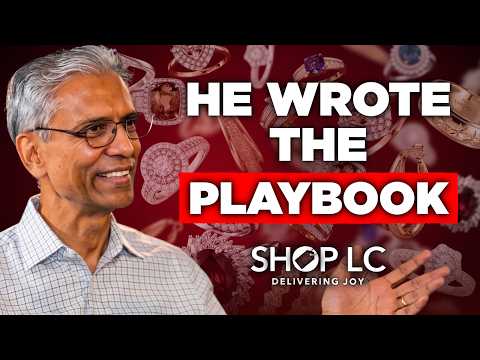
Sunil introduces ShopC, a company he founded 19 years ago, which is part of a larger visual group established 46 years ago. The company generated $460 million in revenue last year and aims to deliver one million meals per school day by 2040, currently serving 57,000 meals.
- ShopC aims for significant growth, targeting a 20% annual increase.
- The company has been publicly traded in India for 30 years, which is uncommon for consumer businesses.
- Going public has provided benefits such as employee retention and acquisition currency.
Mission-Driven Business Model
How does ShopC's mission impact its operations and employee engagement?
Inspired by a conference, Sunil and his team decided to give a meal to a child in need for every piece sold. This mission has enhanced employee motivation and customer connection, leading to its expansion across multiple countries.
- The mission of providing meals has created a strong sense of purpose among employees.
- ShopC's goal is to reach one million meals per school day by 2040.
- The initiative has positively influenced employee morale and customer engagement.
Operational Complexity and Challenges
What are the operational challenges faced by ShopC?
Sunil's operations are complex due to a high SKU count and multiple brands across different markets. The discussion highlights the difficulty of managing such a diverse product range and the impact of technology on operations.
- Sunil's business operates at a high level of complexity, which is uncommon in the industry.
- The decision to fire robots due to inefficiency reflects the challenges of integrating technology in operations.
- Understanding ROI on technology investments is crucial for operational efficiency.
Product Management and Buying Strategy
How does ShopC manage its diverse product offerings?
Sunil explains that each buyer has their own open-to-buy (OTB) systems, which are tied to performance metrics. This system helps prevent rogue buying decisions, ensuring that inventory management aligns with profitability.
- Performance-based rewards for buyers help maintain control over inventory.
- The company has experienced both successful and unexpected product trends.
- Effective product management is essential for navigating a large SKU count.
Raising Entrepreneurial Kids
How does Sunil approach parenting to foster entrepreneurship in his children?
Sunil emphasizes the importance of allowing his children to make their own decisions and learn from consequences. He believes that exposure to business discussions and experiences has influenced their entrepreneurial mindset.
- Encouraging autonomy in children can foster entrepreneurial skills.
- Nurturing plays a significant role in developing entrepreneurial traits.
- Exposure to business environments can inspire future entrepreneurial endeavors.
Transcript
0:00 So sunil just introduce yourself tell us tell us about the business where are we right now >> so we are shopc started this company 19 years ago part of visual group which I started 46 years ago your company's older than me >> it's my same age guys >> it's incredible >> the entire group of companies you're publicly traded so you can say what is the total size of the business today >> yeah so last year we did 460 million dollar revenue. but I look the business not in terms of dollars as much as >> pieces sold, meals delivered. So we have 57,000 meals per school day. My hope and aim is to take it to million meals per school day by 2040. That would mean that we need to grow 20% or so something every year.
0:51 >> At $450 million, 20% is like $90 million you have to add to the business. >> So you are you're publicly traded, too. Yeah, >> that is very rare in consumer. there there we've long talked about this on the show that like consumer companies typically don't go public. How long have you guys been public and where are you public? >> Yeah, we went public in India 30 years ago. >> What does it mean to be public then? So like I like we're neither one of us. We run private companies.
1:18 >> Yeah. >> Can you just unpack that for So a lot of compliance, a lot of shareholder outreach, u investor meetings, quarterly results, quarterly investor meetings. So a lot of compliance and engagement with investor community. >> Okay. But in retrospect, we went public when we did and I when I look back, I probably may have delayed the going going public, but it was good for us >> because it gave us additional currency for awarding our good employees >> to for retain for retaining them and as a currency if I want if you want to acquire our company, it's additional currency.
1:57 >> Got it. >> There's a lot of benefits to that. >> And how many employees today? Shop LC has about 325. >> Okay. >> Groupwide about 3500. >> Okay. And the group what is the rest of the group? So shop LC would be the t like the online shopping, TV shopping. What's the rest of the group do? >> Yeah. So we are vertical company. >> So shop LC is the front retail company. >> Yeah. We have supply chain that we own ourselves from gemstone manufacturing, jewelry design, jewelry manufacturing, logistics all come through retail units. We also have similar business in UK and Germany. So we have total six brands within the group. They are retail brands.
2:43 >> Okay. >> And supply chain in India, China, Thailand and Bali. >> It's incredible. >> You basically do everything but mine the gold and the stones. >> Yes. And there's something that I don't want to go in. No, >> you decid you stopped at digging a hole. I was like, we're going to go as vertical as we can. Just like but right there. >> Somebody else sticks it. He wants the the pretty things out. >> There's enough to do here.
3:06 >> So take let's go right back to the beginning then. What was the first version of this business? Cuz as I understand it, there's been like lots of iterations as we go. >> Yeah. I started 46 years ago as a leapidary gemstone leaper. We made those gemstones, supplied those gemstones to people who are making jewelry and then supplying that jewelry largely to TV shopping companies. >> Okay. >> Which is your biggest competitor. Yeah. >> Slowly over the years, we went from gemstone to jewelry manufacturing to brick and mortar retail and then to TV retail.
3:47 >> Do you still have brick and mortar retail? >> No. >> No. So we set that up in 2005. >> Okay. >> We built it up to 19 high-end stores in Caribbean and Alaska. And when global financial crisis hit, nobody was going on cruise ships. Nobody wanted to buy jewelry. So we sold that chain off pennies on the dollar. >> And when did the home shopping like this sort of digital on like you're we're going to walk around, you're going to show us this, but like when did this version start?
4:19 It was right after that. >> We launched in 2006. >> Okay. >> in UK then 2007 in Germany and US. >> Can you talk to me about so you were selling to the existing TV people and then you was it model that inspired you to do this like what did you see from them that you were like I want to do that? So it was more a constraint for our growth. So we were already public company >> and investors expected us to grow revenues and profitability.
4:57 We were OEM when we were selling to TV shopping or retailers like Walmart or Macy's and we were competing with everybody else in the world. >> Thai companies, Chinese companies, other Indian companies, European companies. So the profit got squeezed pretty hard. >> Yeah. >> So we thought there's no other way for us to escale except to go into retail. >> And that's when it happened. >> Did you tell them that you were did you tell them that you were going into it yourself or did you kind of ride >> right like that? Awkward.
5:33 >> Well, I know. But what do you do? Like I mean did you did you kind of slowly build it up and then eventually they had to have seen you on their radar? >> This is something you can't keep secret. Yeah. So, you announced it to me. >> You're on TV. You can't keep it secret. >> Which is actually I think the most interesting part of his story is like we all talk about being entrepreneurs and working 24/7. But Sunil, they don't lock the doors here.
5:57 >> What? >> Yeah. It's >> You're on air 24 hours a day. >> Yeah. >> Yeah. >> It's so cool. Wait till you see this. >> What's the longest workday you've ever done? Well, in early parts of my business, I remember doing 72 hours stretch. >> Sil Elon, eat your heart out. >> That's the old like 72 hours work and your business. I mean, online, I guess we're all 24 hours, but you're actually operating live TV 24 hours a day.
6:28 >> So, those 72 hours were much prior to the TV. >> So, there was when I was doing the gemstones. >> Okay. So I didn't know at that time how to delegate. I was doing I was buying, I was sorting, I was supervising, manufacturing, I was selling. So there was a time right before a major exhibition in Italy that we had to prepare and everything and it needed all hands on the deck for three straight straight days.
6:54 >> So you built a competitor business to the companies that you were selling to. You're public. you made this comment that shareholders are always looking for growth. Is that's that's got to still be true today. And is this sort of the through line when I look at like all the iterations of your business over time? Is that kind of like one of the through lines is like you just constantly have to reinvent yourself because of this public pressure.
7:19 >> So there are a lot of stakeholders in the business not just shareholders. So we consider some biggest stakeholders employees y >> number customers number two then 10 shareholders and communities when we partners governments mother earth >> so all these stakeholders take their share in our decision- making so the growth is crucial for pretty much all stakeholders >> do you not find it hard to balance that like the community level versus a shareholder like a public market shareholder is a very different stakeholder than a like local.
7:54 >> So over the time it just balanced. >> it is not that you consciously have a balance sheet or the Excel sheet on that and make those analysis but it just becomes natural to you over the time. >> Did did you know I mean it's so hard to answer this but like did you know that you were going to be in business this long? Like was that always the vision? was like, I want to build something enduring and long lasting or were you at one point like I'm going public to get the exit and then I'm out of here?
8:24 >> You know, I've never thought of exiting the business. It's just that I'm enjoying what I do >> and a business takes care of so many stakeholders. We have we distribute 57,000 meals every school day. So the thousands of kids >> every day >> every day every school day. So those hundreds of schools and thousands of kids look forward to come to school as a meal. >> We have 3,500 employees. Their families are taken care of. We have 140,000 shareholders. They are loyal to us and we want to make sure that they are well taken care of. I have to tell you, I've I've known Sunil for several years and he's going to he's very humble, but this man cares more about and this is a lesson I think we all need to hear constantly with our companies. I think Sunil cares more about his family that is here like his employees and what's giving back. And a thing that's always I I don't know I guess impacted me that you talk about is that you you feel like you have to constantly keep learning.
9:31 >> Yes. Sure. The learning is my personal mission. >> Yeah. >> I I enjoy learning and the business allows me that every day. But the point I was making to night's question is that the business continues to grow for the sake of all stakeholders >> and it's not just shareholders alone. >> What do you spend your time on now? Like where where do you cuz I mean we run into each other at events like walk me through a typical day, a typical week cuz you're you don't live in Austin, Texas full-time anymore.
10:06 You're also back in India. So, I'm just curious like what's a week in what's a week in your life look like? >> Fulfill is the ERP built specifically for DTOC and e-commerce brands. Inventory, purchasing, warehousing, financials, allin-one system built for the way your operation actually runs. There is not an ERP on this planet, not one, that has more direct 3PL integrations than fulfill. This piece of paper has everything that they actually integrate with. will start ship Bob, shipmunk, flexport, 247, Acon, active ants, Amazon multi- channelannel fulfillment, fulfillment by Amazon, fulfillment by Tik Tok, Ryder, Quiet Logistics, Stored, Where to Go, DCL Logistics, IDS Fulfillment, Capacity, AMS Fulfillment, Applin, Barrack Distributions, Bergen Logistics, Bolt, Coglin, Darwin, Evobox, Expeditators, Phil Logic, Global, MasonHub, NRI, Holland Store, IF Global, Inner Fulfillment, Inventive IT Logistics, Longtail, Metro Supply Chain, Next 3PL, Omnipac, Outer Space, Pro FS, Quiver, Red Stag, Ship Fusion, Valencia, Verde, Visible Supply Chain, Ship Apollo, Distribution Management, Flex Logistics, IDS, Jenko, SDR Distribution, Zill Logistics, SEI, OceanX, Portide, Airbox, Link Logistics, ILG, Bulletproof, Pivot, Tactical Film. I could keep going.
11:28 There's over 400 3PL locations globally. And here's why that matters. Because most of you listening to this right now are either running your own 3PL relationship or you're about to. And the second your 3PL and your ERP aren't talking to each other in real time, you're flying blind. You don't know your true landed costs. You don't know your real margins. You're reconciling spreadsheets at 11 p.m. trying to figure out where $40,000 went. I know this because Ridg is on fulfill. My brands are fully integrated 3PL's inventory purchasing, financials, everything. The visibility we have now versus what we had before, it's not a marginal improvement. It's a different sport.
12:02 Fulfill is the only ERP I've seen that was actually built for DTOC from the ground up. It's not some vibecoded piece of crap that someone slapped a Shopify connector onto. And believe me, those do exist. If you are a DTOC brand doing real volume and you're not on a purpose-built ERP, you were leaving money on the table every single day. I'm confident enough in that statement that I said yes to this ad read. Go check out Fulfill. Tell them Sean sent you. And there are more 3PL's in this list. I just didn't want to make the ad 8 minutes long this time.
12:31 Well, I get up at 5:00 every day. I work out or do yoga and then my day starts at 7:00 and I work about 10 hours a day, but I sleep 7 to 8 hours a night. >> Yeah, I know, right? >> So, the life is good. I I stay positive through my breath works and meditation. >> I stay healthy with the workouts and yoga. Do you spend time in a particular area in the business today that you is and how has that changed I guess like over the last it's been 46 years?
13:07 >> Initially I was more into doing the stuff but I learned pretty quickly that this is not sustainable. It's not grow it won't grow if I keep doing stuff. I had to learn to delegate. >> It was not easy. So from doing to directing to empowering to inspiring >> that has been the journey. I'm not fully there yet. I'm still in some part in doing some part in directing. >> You for sure you're still in doing. I mean you're in you're in text groups with us where we talk about media bind.
13:39 >> Yeah. >> Like you're there. So you're definitely still in it. >> Which has been your favorite stage of those those four or five? >> Empowering. >> Empowering. Why? It allows me to see people grow and thrive and meet their life goals. That that really u makes me feel that I'm making impact. >> You are making an impact. >> Well, look, you're feed 57,000 meals a day, dude. That's impressive. Was that always part of it, too?
14:15 No, it it came about I think 12 years ago we were at a conference we heard a entrepreneur named Blake Mikoski. >> Oh yeah. >> Tom Shues. So there were 3,000 people in audience and he got stand in ovation and that day we sat thinking we were eight of eight of us from our visual group there and we said thinking what can we do that can be so impactful for the world and there we came up with idea that every piece we sell we give out a meal to a child in need. M >> we started with our UK operation there and then we saw that the employees in UK had additional reason to come to work not just paycheck >> there was a mission >> and they were connecting with that the customers were connecting with that >> so we expanded that to us and Germany all six brands >> so you're very public with that as part of the the brand and the mission >> with a goal your goal being >> yeah we have a behag mission of 1 million meals by 2040 >> like per day.
15:20 >> Per school day. >> That means you have to sell a million things a day. >> So >> your employees are like what? >> It's per school day. So it will be almost 600,000 pieces per school day. per day. So million million pieces per school day. >> But you're almost halfway there. No. >> No. We're at 57,000 meals per school day. >> Wow. So long. >> It's got to go 10 times. Well, then you can't quit anytime soon. Sunil, >> I'm enjoying what I'm doing.
15:49 >> Yeah, >> there's no reason to quit unless I meet u I hit a truck. >> You hit Unless you get hit by a truck. >> Yeah. >> Well, okay. That's a good reason. >> Yeah, that's >> I guess. Yeah, we can think of a couple others, too. >> If it's your truck, it's definitely a reason to quit. can you Did you have like Where does this like some of this stuff come? Did you have like really good mentors when you were younger? Cuz you this whole like I'm on a mission to learn and continue to learn and I we see you in these groups like where where did you first get this sort of like not drive but I guess like his characteristic his quality.
16:27 >> Yeah. My grandfather is has been my role model. So he was a freedom fighter when India was under Britishers. So he went to jail many times when Britishers sent him when he was protesting and after India got free 1947 he took upon himself on behalf of government to spread the cotton spinning and yan building and vir all across north India. So he was managing 100,000 people.
17:01 >> Wow. >> for the Brahman and he was very ambitious for the country. So I learned a lot from him how to manage >> the ambition, the values. >> Did your father work with him too? >> My father was a photographer and he was self-made man. >> The photographers and consumers >> were brilliant. >> You're everywhere. >> Yeah. But you're very close with your parents still. >> Yeah. >> Yeah. your I'm still stuck on this like you've you've had to change the business while being public is that I mean the communication of that must be not easy like I can just imagine you got 100 and some thousand shareholders listen we're going to change the business direction how do you >> how when you because right now you're leaning into digital right it's always been TV and just what's come from that how how did you pitch to them that >> advertising on social media was going to be the way of the future, right? How did >> so that is a going process right now.
18:02 >> Yeah. >> So every quarter we communicate how far we've come on digital journey >> and we inform them to the board as well as the shareholders and we've got a lot of support from the investor community >> for our transition journey from TV onto the ecom. >> Has one of the business models over time been like much harder than the others? Yeah, from B to B to go to B to C. we made multiple attempts to go that go there. The television was towards the end but before that we did brick motor >> multiple times didn't go well but we kept on flying and shareholder had support because our B2B supported that we didn't initially for initial attempts we didn't raise any any additional funding >> but for this TV and brick and motor retail chain that we set up in Caribbean Alaska we raised around $70 million as additional funding in our public company. Okay. It's called Pipe Investment.
19:05 >> Yeah. >> Would you go back into brick and mortar now? Now that this company and the the product catalog alone, well, not just jewelry, they do >> I know they do everything. I mean, we haven't even gotten to like this huge account yet, but I mean, jewelry as a own thing is like a great brick and mortar >> and it's kind of a cool story that it's like tanzanite, right? >> Can you do you know this?
19:24 >> No, no, no. Tell me. >> Yeah. >> So, there was a gemstone. I was in Japan and a customer said, "Sonil, do you have this gemstone?" It was blue color. And I said, "What is this?" He say, "Tanzenite." Yeah. >> Comes from Tanzania. what is special about it? It's a real really rare stone. If you can get it, I'll buy as much as you have. >> Next week, I was on a flight to Tanzania and I brought everything possible. And we became known for this stone because we started promoting in Caribbean, Alaska for cruise ship. We started promoting on television >> and became big thing.
20:02 >> Do you not remember growing up? Well, no. >> Look at me. >> Okay. So, I have to tell you, I remember traveling with my mom and my family as a young girl and I remember and I'm pretty sure we were on a cruise going to like St. Thomas or the Bahamas and they would educate the people about tanzanite and it was different colors. It could be blue or purple and and we all got to pick out pieces of tanzanite like a necklace. But that was you >> Oh my god. That's so crazy.
20:34 >> When is this? This the ' 90s or the 2000? Like when? Just give me timeline. >> So >> 90s. >> We started early 90s. >> Yeah. You were being born Matt. You can't >> I'm I'm an 80s baby. >> I think it's pretty cool that that was you. I mean, who would have thought so cool? I got a super like very niche question for you because the the jewelry thing fascinates me. How do you deal with the rising gold prices?
20:58 >> Yeah. Like the last couple years. >> What happens is when the gold price goes up, if it's revenue going up, it's a good position to promote is as an a product that people would want to keep, cherish when they can and then buy as a value. >> We can't really present it as an investment because we're not investment advisors. Okay? But we can present it as a way that they'll cherish while they can. But when they pass it on, it'll retain a lot of value. So people continue to build that collection.
21:31 >> The challenge arise when the prices are kind of ups and down, up and down, but similar trajectory. >> Yeah. In that case, you have to talk about not just the gold, you talk about the gemstone or the diamond or the workmanship or the story around the place where it was made or the stone mine >> and they use that. So if have you ever watched on on live TV has you don't do your homework very well.
21:56 >> I don't watch TV. >> It is so well. So we're going to go and show behind the scenes. >> Yeah, I want to see it. Yeah. watching them sell and then watching them run the system on the back end is I I just remember the first time I saw it here I was like this is incredible and they have they call it talent right the people that are the hosts they basically tell these stories like Sunil's talking about to the customers watching at home and then on the back end they're adjusting the pricing and everything it is in real time on TV and talking into the It's so cool.
22:34 >> But you can do that legally, >> I think. Yeah, why not? >> That's fine. >> You can like you can adjust price real time like based on how it's going. >> So what what we do is we have the falling down pricing. >> Yeah. >> So we can keep the price there or keep it keep it falling down depending on the demand. >> Very cool. >> He invented tanzanite and FOMO all at the same time.
22:57 >> That's awesome. >> Yeah, it's so cool. At Hexclad, Apploven has been our highest spending new channel since the start of last year, mid7 figures and growing. It almost wasn't. My team was skeptical. So, I stepped in to push them. First, I had them pull data on the overlap between Meta and Applov and customers to find out if the platform was really just retargeting. Then, we ran multiple holdout tests. the results. 90% new customers, 53% higher rorowaz, 36% higher new customer rorowaz, 27% lower new customer. The numbers were just bang on. If you create an Apple 11 account and launch on day one, you're going to get $1,000 in free ad credit plus another 5,000 when you spend $5,000. Audio on vertical videos, unskippable ad units, new reach for new customers. Check it out today. Go to nineoperators.comapploven.
23:53 You're going to get our guide to new channels, recordings of our live expansion events with us and 25 of our friends. nine operators.com/apploven. Back to the show. just to back up though, like the last few years, gold's basically gone up by like four or five times. Does that make it harder to run the business or do you actually look at that like no, we use that as an asset and that that's the old investment piece? It's a good opportunity to tell a better story.
24:21 >> Yeah. >> So, it didn't impact it didn't really impact us. >> That's awesome. Cuz that just terrifies me >> because we're talking about growth and how do you lean into it? And I know that you have actually been starting to acquire companies. Is that part of your growth strategy? >> Yeah. So, the first ecom company that we acquired was what two and a half years ago. >> There was more to learn ecom and we learned a bunch. The second company we acquired, it just fell in our lap. It was a TV shopping company in UK that was running for 22 years but went into bankruptcy and we acquired a good prize and it's a good brand. It's very profitable for us. It's growing very rapidly.
25:02 >> You know, one of the things I love about this is like direct to consumer I've got like you know you you said that you've tried DTOC multiple times and it did not work. I like that direct to consumer for this is just not e-commerce. Like we're talking about like brick and mortar or television like you've done every form of like direct to consumer >> and in reverse order because you know what they're working on right now is actually transitioning >> to Shopify.
25:27 >> What? >> Yes. >> Wait. So we were on Salesforce commerce cloud which is enterprise level. Yeah. >> So we were there for last 8 9 years. >> But we found that to be too rigid >> and not as agile for our today's ecom needs. It served us very well when we were on television and ecom was supporting function. >> But if ecom has to become primary function, we need more agile platform. >> And that's why we looked at many platforms and we decided Shopify enterprise is the best suitable.
26:00 >> I'm going to send this to Harley. I've known Harley and Toby like >> I started working with them >> when they had 3,000 merchants >> on the platform. Three or 4 thousand. >> They're good Canadian boys. We like hours away from me growing up. >> Now they're hundreds of thousands. >> Yeah, I know. That was millions of people on the platform. >> But imagine he's got live shopping on the site. So they had to take something that was completely customuilt for them >> and now make it work and with the help of AI. It's insane.
26:29 >> Yeah. So AI was really godscent. >> Yeah. >> Because >> and perfect timing. >> When we made last transition from another platform to Salesforce, it took us almost two years. Yeah. >> And about $2 million. This time it took us 5 months and about half a million dollar. Four brands moved to Shopify. Wow. >> And rather smoothly. Much much >> and that's an AI thing. >> all coding is done by largely. >> Yeah. But Eva, we were just talking about this the other day. Had Sunil started this transition even last year, >> it would it would have been chaos.
27:06 >> Yeah. It's I I love that you brought this up. >> Yeah. >> I'm I'm sure you follow this just because I also know your son is in one of your sons is in tech, but and we'll get to that. but the big narrative, one of the competing narratives in AI is that like there is just not a lot of value or like where is the value, right? like the the investment that everybody's making and then here you are as like no no no this is like a legitimate >> huge value. Yeah.
27:30 >> Huge value. >> Massive >> for us the smooth transition within 5 months at such a low cost compared to what it would have been otherwise >> with the complexity of your business. That's just that's insane. >> Our site has 30 custom application 30 >> with that complexity >> getting done for five month within five months and four brands in the company. >> Yeah. >> That's insane. How many total SKUs across the brands at this point?
27:58 >> About so just shoppers is about 28,000 SKs. >> Oh my go 28,000 >> and all four brand together must have been about 90,000. >> Oh my god. >> What do you you're man? You make me feel bad about >> No, but you're high too. Like cuz you you got a crazy amount of product. Yeah, but Sunil just now mine's going to sound really if I say mine, you got to say yours because at least I'll feel better about myself after that. Yeah, I think I mean we're active products probably 6,000 active SKUs.
28:29 >> That's very unusual for ecom. >> Yeah, it is. That's pretty. >> It's hard. We just >> Yeah, it's not you see >> but it's I just Sunil's story is one of my favorite stories and he is probably one of I mean you've made the biggest impression in my life in e-commerce. hands down of anybody I've met. >> Thank you. >> Well, it's a it's there's just variables here that I you just don't see very often.
28:52 >> Yeah. >> Like I we started out at the public thing. The skew count is insane. The fact that you're vertical with the skew count, then you're multibrand, you're multimarket like you're it just you're doing a lot like the I would say the level of difficulty that you're operating at is unusual in what what Katie's referring to like just call it like DTOC is an umbrella, right? Like my business looks so simple that like we have 15 or 16,000 SKs, but there's no inventory.
29:19 >> Like we make it on demand because we own the factories. So it's not it's it's a lot simpler than what you guys do. >> But it wait till you see his operations and you'll understand why he is so successful. >> It's incredible. But they have robots. >> Not anymore. >> You fired the robots? >> Fire robots. >> You can't fire robots >> because they were not working out. >> No. And he catches robots in cages. It was the coolest thing.
29:46 >> Yeah. I mean, it was pretty cool. Oh, no. >> You see all those fired lining lined up. Yeah. >> So, they were not working out. And >> so, now there's people and you're the reason we fired them. >> What? You're the reason we fired them. >> I'm the reason you fired your robot. >> Last time you visited us and you asked me, Sunil, what is your ROI of the robot? >> And that set me thinking, I don't know.
30:07 >> Yeah. >> Because I had people and robot working side by side. And then I split up the cost of robos operation and the people and I saw robos costing me more money than I would have with the people. >> Yeah. >> So I fired the robos. >> I love it. >> Do you have a strong opinion on on sort of like robotics? Cuz like you were I guess. Okay. So when did you first put robots in the >> About six years ago.
30:31 >> Okay. And when you So you fired yours. I love that. if you look at like sort of state of technology today do you think that you at some point will bring is it coming back? Most definitely most definitely we'll come back there's no doubt >> because the world is going towards robotics and AI so we will go towards it >> but the system that we bought in UK and US was not working for us >> what's really cool about and maybe it was a loss right maybe you learned that that having people in is just better operations and more efficient but probably what you learn from having the robots when we have better options come out you're going to be able to make much more educated like there's It's not going to be the shiny, you know, nickel syndrome. Like Sil's going to know, you know, there's going to be some cool robot for sure.
31:20 >> Yes. And immediately on Twitter, they're all going to talk about like it's going to change from incrementality to the buzz word. >> Yeah. Whatever the buzz word is of the year. >> Most definitely. >> And so Neil's going to be like, "Yeah, you guys have fun >> cuz you've seen it." >> Yeah. So you're calling out and then us sending our people to your office >> and comparing the cost. >> Yeah. >> Opened our eyes.
31:41 >> I didn't know before. I didn't know. opened his eyes. >> Yeah. Yeah. Yeah. >> What did you do for >> You're you're good. You don't know how good you are. >> Oh, thank you, sir. >> So, you opened the eyes. We compared the cost. Went a deep analysis into all line items. We tried to work it out. We tried to make it efficient. The we were hitting against something that we could not move >> and we took a call for both US and UK just to fight them.
32:07 >> It was a difficult decision, but >> he puts a lot of thought into decisions. I'll tell you that something I've learned about this man is he is very thoughtful. I mean you you truly >> you you you think about the entire picture and I think it's just I always tell you do you remember when I told you you had to meet Sil. I'm like he is the most wise >> person I have ever met. >> Yeah he's the wise he's the wise ecom grandpa.
32:32 >> Oh he's trying he you are so Jason's not the grandpa. >> I'm not ecom grandpa. That's Jason. Jason's >> ecom. No, but we decided yesterday Jason is the great grandpa of e-commerce. You're the grandpa. And you said you're the uncle. >> I I get called uncle on Twitter all the time. >> Yeah. This is the new term that apparently kids use. I don't I don't actually know what it means. >> I think it's so great. I mean, the the events that we go to together, you really are invested in helping people learn through your experiences, which is such a gift.
33:01 >> Thank you. Very kind of. how the robot thing do because you have so many people you've been in business so long how are you thinking about AI robotics impact on organization like where where do you sit in this like broader conversation around jobs and what are we doing and >> or just have you replaced jobs with AI or are you just incorporating it into your company >> so so far our effort is to bring in AI for efficiency gains we're doing at every level and trying to retain the talent if not for that particular job for something else.
33:38 >> Yeah, >> we're trying to put it more in revenue generating roles. >> Yeah, >> people who are back support roles for example people who are into media buying or or content creation, get them into owning the categories. We have so many different product SKs and categories. So we we don't have enough category owners. >> Yeah. >> So put them into different category owners for different platforms. We have ecom as a platform. We have marketplace as a platform. We have TV as a platform.
34:05 We have OTD as a platform. So, there multiple positions that we can put them in. >> Yeah. >> I feel like he's lighting up talking about it. >> Well, it's it's such a great topic. >> Yeah. >> I mean, it's so controversial, right? I tend to be with with you. I think I think we're just going to see more and more companies take this approach of like, let's just boil the ocean now. like there it's you know we used to not be able to put enough people on it because the cost of putting a person on something relative to the return wasn't worth it but if the technology gets better you can now put people on these things cuz the cost to the upside is totally worth it >> which is the whole boil of the ocean it's like if I want to do 10,000 things I couldn't before >> it's about efficiency >> yeah optimizing for efficiency with these >> yeah AI is a once in a lifetime opportunity for us to learn and to leverage age.
34:54 >> Did you feel the same with the the mobile remember the rise of mobile and then like you're dude I'm old enough too but like the do when that first started like is it the same feeling that you get now having been in business so long? >> So I feel this is better than bigger than.com >> really. >> Yeah. >> Well, how do you think it's going to impact consumer behavior? still unknown because a lot of people are utilizing AI for s research and for shopping. I still don't know how the consumers will change because still emerging technology >> but this is technology which would impact humanity more than pretty much anything that we've done.
35:36 >> Yeah. Yeah. I I think I think you're in a really good position for it. I think that the live shopping thing is going to get crazy with AI. Like, and I'll hear me out. Okay, here's my theory, right? This is why I think you're >> Here it comes, Sunil. Get your notepad out. >> No, no, this is my theory. This is why I think that your business is going to crush. I think it's like any and technology tends to commoditize and lower the cost of things. So, you're going to get stuff like if I buy toilet paper or deodorant, I'll have machines just do this for me all the time. Like, those are those are probably products I don't care too much about. whereas you operate in sort of like entertainment and like the actual shopping, right?
36:15 It's not just transacting. And I think that the whole like it's much more human. And my one of my strong theories is I think that anything that feels more human is going to get even more valuable. And anything that is like the opposite of that is where AI is going to sort of like commoditize and take it away. >> I agree with you. And to that point I learned from one of the ECF members there's so much of value of people doing things by the the hand and this going to become bigger and bigger. So we launched our own DIY jewelry kits business >> and that's doing really well. It'll as we go more towards automation and I believe this AI will also create more loneliness in the people.
36:59 >> Yeah of course. So this kind of business will become more bit more valued. >> Mhm. >> Not to mention Sunnil invented live shopping online before Tik Tok. >> Yeah, I know. Well, that's and that's what I mean by that is now going to be a thing. >> Yeah. >> Like all live shopping in America is not as big yet as it might be. Do you think it's because people want to feel they want to actually believe that they're talking to the real person or >> I just think that shopping I think there's just we DTOC is largely dominated by like 25year-old men >> Yeah.
37:33 >> who don't like to shop >> and I think that they forget there's a lot of people in the world where like shopping is an experience. >> It isn't a utility. It's not I'm not just like turning the taps on. It's like no no you go. I mean they called for the death of the mall. the shopping mall was e-com like I remember that. I remember >> I remember >> in the early 2000s it's like shopping malls are going to go away because this e-commerce thing is here and it's so much better and it's faster and whatever and meanwhile you go to a shopping mall today and it's packed and the kids are in there cuz it's a social experience.
38:03 It's just a real thing. >> Yeah. >> Yeah, I agree. So that's where the experiential things will come in handy. >> I do not know how the television shopping or online shopping which can be bought generated and bots purchased Yeah. >> will fair. I do not know how it'll pan out. >> Yeah, that's hard to predict. >> But but I do believe that the product that we sell which really people like to touch and feel >> will be there for a long time.
38:29 >> Yeah, it's I think I love this topic because I if you look through history, especially recent history, I think there's like a law in the universe that I think actually might be a physics thing where like for every you know equal there's an equal and opposing force. I think we're it's the same culturally. I think like a good example would be I used to bug my wife about this that I'm like the vegan movement was so big and so loud so fast that I'm like something's following it and then some years later it's like now all people do is eat meat, >> you know, like there was an opposing movement, you know, or like the crossfitters like anytime you get like this big this is a big force, there's another opposing force. And I think that's what we're going to see with AI is like it's so obvious that it's a polarizing thing. We're already there.
39:17 >> And I think that while it makes like you'll see a rise in people being lonely, I actually think it's going to be and it's why I'm so bullish on like in person and small intimate events and anything that is like human to human connection. That's why again I think Yeah. I think it gets more valuable as an opposing force to the thing that's pushing it. >> Yeah, I agree with that. >> Yeah. can you I I want to go back to sort of like the the birth of this business today. The you started off with like TV, live TV, the e-commerce thing. At what point did you guys realize like we need to get we got to go beyond TV as a channel and lean hard into other forms of acquisition?
40:02 >> Yeah. So we saw in TV the growth was moderating initial years we were growing 20 30% a year and then we had we still have some room to grow in terms of our TV distribution but it was moderating >> is it because they were leaning into streaming TV and the viewership was just >> so coding is happening. >> Yeah. Although OTT is growing >> even over the air antenna is growing.
40:32 >> Oh >> really? >> But not at the speed of the loss of the cable. Oh >> okay. >> So then there is a growth challenge. So we had to go towards ecom. That's why I became member of MDS and ECF >> and I met you guys and learned tons from you. >> Yeah. >> You've been great teacher. Is there not a world where you can go from like a linear TV to transition into streaming like >> so streaming as a advertising mechanism >> for D2C is good >> but streaming as a for live TV is still not mature >> oh do you think it will become it's difficult to grow further because to get distribution into those networks as a live TV is it live shopping TV is not easy >> because they prefer like sports content or home content or entertainment content rather than a shopping content.
41:28 >> Do you think it's a demographics problem? So like they're they're streaming as like a younger audience and your business might be positioned or like serving older >> although I think the demographic older demographic also gone into OTT >> but the platform owners mindset is still there to your point. >> Yeah. >> That they are still in younger demographic. They want sports, they want entertainment, younger demog demographic programming which we don't. So slowly it'll come. I know it'll come and we are into some platforms already but till the time that the market matures for TV shopping, we have to find other avenues of growth and that we believe is ecom.
42:07 >> That's where I am at ECF and second. >> Yeah. Yeah. like the more like the what we call it like traditional ecom you know so like you're buying traffic digital ad like all the ad auction based ad platforms. >> Yeah. >> your so you've got a huge amount of products the business started in sort of like gemstones jewelry. >> Can you give us an idea of like what are the other major categories that you're in just for people watching?
42:34 >> About 65% of sales is jewelry >> 35% is non-jwelry. And the idea of non-jwelry was our customers are loyal to us. They trust us and if we offer them good value and good quality of other products, they'll buy from us. >> The definition of product experience. >> Yeah, I was going to say Sean's going to watch this and be so happy. >> More product justified. >> All he ever says is more product. >> It's a different ball game than you see ecom. But 30 you said 35% is all these other product categories >> and all under the shop LC banner or >> all the shopc for us and UK DJC Germany shop LC as well.
43:17 >> What is the weirdest product you sell? >> I remember one time >> one of our home buyer got these dinosaur replicas. >> A dinosaur replica. >> He bought tons of them. It filled the warehouse and it was difficult to shape. It was pretty cheap. >> Why? It was like a buyer gone rogue. He's like, I think this dinosaur will sell. >> How do you actually how how does buying work with this many SKs? This is a great point cuz like you got all these employees. How do you put guard rails in place and not have that happen?
43:50 >> So, each of them have their own OTB systems in place and each of them are rewarded based on their performance. how much inventory they have, what is the profit they got per minute and we break it down each vertical for payout. >> Honestly, everybody watching should go immediately to Facebook ad library just to see his product. >> I've done that and I'm very confusing. >> It's amazing. >> I'll be honest. >> Was there ever a product that just went like viral and it surprised you?
44:18 >> Yeah, there was a one time bracelet we bought called Shabala. So it was a kind of macar knitted bracelet with some crystals and we didn't know it was so crazy. We sold millions of them >> over a few months. We sold millions of those bracelets. >> Wow. >> It just went crazy. U we didn't >> like cultural phenomena. >> It was cultural phenomena. It was trending on social. It was started by somebody about Shimala obviously and one of our buyer pics picked it up and it just went crazy. That was about 10 years ago. How do you decide? Cuz I know that you've shown me before that a lot of your live shopping the message is very much there's only 100 left, there's only 50 left.
44:59 >> Like real scarcity, real FOMO. >> Oh, you just wait till you watch it. It is incredible. >> Am I buying something today? Is that what's going to happen? You like, oh totally take that >> canes. They sell canes. >> So, how do you decide what stays as inventory on your site? Maybe these bracelets. And then what do you do if you buy something and it doesn't sell? How do you how do you liquidate that? >> So we bring in smaller quantities when we bring in So we bring about 100 new products every day and then we bring them in small quantities something like $20,000 sales or $15,000 sales or something like that. So you have a testing you really test >> testing mechanism with the 100 new products coming every day and whichever does well we bring in higher quantity and if sells again bring higher quantities and most is jewelry so it's very quick to bring turn around we manufacture ourselves so we can turn around the things within four weeks >> I love it and there's probably times where you've sold out of it and you're like god we should have ordered more right that's the ultimate >> but the point of the business is the treasure hunting >> so we have lot of sellouts every day and there's FOMO of for the people And that's a good thing.
46:04 >> Yeah. >> That's got to be hard though in like auction based ads >> in DTOC because they reward momentum, >> right? So like and scale. So if you get into something like I'm just thinking of Meta and you start spending against it, you don't want to stop. Like it's like Amazon. Like the minute you stop, it's like damn it, now I got to restart. >> Or how do you monitor that? Because it's it's driving traffic probably to a PDP or maybe a a collection, but if it's sold out, are you what do you how do you think about that? So that's a good point. So if you land people to PDP or a landing page of an individual product, it's very hard.
46:39 >> But you could land them on a correction page where you refresh that correction every time. For example, the jewelry DIY kits. >> Our plan is to launch those kits every day, new ones, and retire the old ones every day. Sell out, don't bring them again. >> So the people would come back for those new owners, new kits every day. So Zara does that very well. >> Oh yeah. >> So Zara has refresh of inventory every week.
47:06 >> Yeah. >> And we deeply learned that from them to create that FOMO, bring the limited quantities and let people come in again. So on average, TV customers buys from us 15 times a year. >> Whoa. >> Oh my god. >> Okay. Do you have a customer that has spent a weird amount of money with you? Like you must have them. So like an average of 15 me tells me that there's somebody who buys like a hundred times a year and there's somebody who buys once.
47:32 >> More than that >> more than 100 times a year. >> There are people who buy every day. >> Okay. So I remember you telling me Matt's going to like this. We talked about LTV one time. Tell him what what your most valuable customer. Where do they start shopping? Do they start shopping online? Do they start shopping on TV? On your website? Who is your most valuable customer? So the most valuable entry point for us is television. But we have multiple platforms. We have television, we have website catalog, we have rising auction on website. We have web TV as well. We have OTT. So the customer who buys from just TV, our lifetime value for that is about $800.
48:14 >> The customer who buys only on the website, the lifetime value is about $100. >> Whoa. >> Yeah. The customer who buys on both the lifetime value is about $1,500. A customer who buys from five platform the lifetime value is $20,000. >> Okay, I quit. >> Unpack that last one. I want to know how to do this. >> Customer whom we can successfully transition from one to other to other to other at least five platform. We have about seven platforms in the company the customer can interact with.
48:43 >> What's a platform to you? >> Like TV. >> Yeah. Then we have on our website catalog. We have website clearance. We have website $1 auction. We have live TV. We have OTT platforms. So total seven platforms. We have marketplaces too. So we total seven platforms. A customer can buy from five platforms of lifetime value is $20,000. Do >> you know what percentage of your total customers falls into that category? >> Very few. But our top 2% customers gives us 50% of revenue.
49:20 >> Oh my god, >> that's insane. >> Yeah. >> Okay. So then you must have people that are just working on moving people around in platforms like how do you actually get how do you like ascend these people? >> We have flows in place to move people. >> Mhm. >> So cool. >> Do you do phone sales as well? >> Yeah. So we have about 180 people call center in India our own and we land a lot of people on we try to put people into IVR as much as we can. So over 75% of our inbound traffic lands on IVR and 25% lands on people on the live agent and that is handled by 180 agents 24 hours that handles about four different TV channels. So two UK, one Germany and one US. your how far out are you guys looking for new product categories because you mentioned you have OTB so OTB being open to buy every sort of category manager has that strategically then how are you directing like where you want people to go explore like what how do you figure out what's next what's new >> so I don't do that so what we have is every product category has their own way to get their OTB increased. So they must make their spot.
50:45 >> So if the productivity of the category is high, they get more air time. >> So they can pick a new category if they think they can hit the number. >> Yeah. Within their section. For example, home can put they they have right to the freedom to pick new category within home if they want to. Do you have a design team here also that like the buyer saying in home we think these pillows are going to be very then does it shift to a design team that's creating the product is it all inhouse like that >> for jewelry we have full design team merchandising and trend spotting but for other products we don't have design team we have trend spotters a few of them but mostly we depend on vendors we don't manufacture other than jewelry >> so you go to the vendors and say what's your bestselling or we have seen this trend we have something like this >> okay >> so transporters we don't have designers we don't have those technical per tech technicians in place >> which like apparel manufacturers have we don't have them >> but we have transporters who go along with merchants to the vendors >> and then discuss those what the collection is what we would like to see and then they have a program with them >> I want to be a transpire here >> yeah that and that must that got to have changed over the years like how to figure out where to go as a product.
52:04 >> Like it's just so you can there's so much data now that we just never had before like 46 years ago. >> Even before online, you probably sent people to market. >> I did. I went to stores all the time. >> Yeah. Yeah. >> And just took took pictures on your camera, not your phone. >> Yeah. >> Right. And then you faxed it to your >> bought bought your products. >> Yeah. Yes. >> And send the pictures, nice pictures and send to the factories. We did a lot of that. Now it's pretty much online. We're transporting sides. we're using AI >> and it's much easier now.
52:33 >> Are there categories when you look at the company? Are there categories that you're like that you wish you guys were in >> as a brand? >> Don't say baby and phone cases. >> That'll get weird girl fast. >> Fine on TV. >> Okay. >> Yeah. So since we our team has such a freedom, I don't think that there's any category that I think we should be and we are not. >> I don't believe there's any.
53:05 >> I think when you walk his warehouse, you're going to realize that there is not a product sell. >> It's in it's insane. >> Yeah. I remember the I think that at ECF this year in our small group you you gave us the range of price prices in your catalog and it's like >> as low as 20 bucks >> 10 $10 to $20,000 which is crazy. >> It's insane. I I have I have so many product questions. Can this be like a six hour product?
53:30 >> Okay, one more and then I really want to ask Sunil questions about his family too because I know how important it is to him. But when you talk about selling out of products and I do you know what your return not return customer rate is but like what is the percentage of returns that just get sent out? >> Depends on the product. So we know what product category returns would be. Yeah. >> So we assess a product based on expected return rate and then what would be the net revenue? The TV typically is very high return rate because people buy on impulse and then >> oh yeah >> they're very emotionally charged by Yeah.
54:05 >> on impulse about $4,000 diamond ring. Yeah. >> And then when she talked to her husband, she said husband says, "Honey, >> honey, maybe you shouldn't have done that." >> So >> that husband doesn't know what he's talking about. >> Yeah. And they don't know how much value she's getting. >> She's getting so much value. >> Yeah. >> But spoken like the business owners. >> Yeah. >> So return is approximately 18% in the US. >> What do you do though if they return a ring that's sold out? What do you do with that ring?
54:34 >> So if the ring is unused, Then we would put it back for resale and if it is a apperal or a beauty product which is used then we just discard it. >> Is there like a closet here I can go through and >> you don't need to >> a souvenir for my shop LC. >> The entire group of companies you're publicly traded so you can say what is the total size of the business today? >> Yeah. So last year we did $460 million revenue. but I look the business not in terms of dollars. As much as >> pieces sold, meals delivered. So we have 57,000 meals per school day. My hope and aim is to take it to million meals per school day by 2040. That would mean that we need to grow 20% or so something every year >> up until 2040.
55:26 >> Okay. And do you imagine you're the you're you're going to be the CEO that you do you hope you're going to be the CEO that long? I'll enjoy. I I'll do as long as I enjoy and I'm able to. And if I'm not, I hope I'm I create a successor who takes this forward as I'm passionate about. >> Could it be one of your your boys? >> I doubt it because my older one is successful tech entrepreneur >> and a younger one wants to follow his older brother.
55:57 >> Of course he does. Yeah. So, okay. Okay. So, like go a little deeper on this. Did your kids work in the business at any point? >> Very early on when they were interning, they did. they were finding out those gemstone around the warehouse and every gemstone they found, they would get 25 cents. >> That's so cool. The ultimate treasure hunt, right? >> That's how they made their pocket money. They My sons never got pocket money ever. They had to make their money. M and but since the tech industry was more enticing for them.
56:34 >> Sure. >> And they're both into that area quite deep. >> Go ahead. >> You've told me one time, so we've had a lot of personal conversations about how you raise your children, right? When they have kind of I mean, they live in this world where you're very successful. And you told me how you think about it and and you know, is this something that you're going to gift your sons or and you I don't know if you want to share it or not, but you said that you set goals for your sons and they have to hit a certain goal for you to be able to give.
57:06 Do you know what I'm talking about? >> Yeah. So, starting from how we bought them up, it was never really bring expensive stuff for them. M >> they had to buy their phones, they had to buy their own laptops, they had to buy their own tech equipment. We would only provide their education, best education, their living and boarding and lodging less they have to manage themselves. We would give them opportunities to earn and then they did a good job at it. And other thing we bought in our family was not to say no to them. So that means not to reprimand them and if they if they doing something which is not good for them just tell them the consequences of what they're doing and then they're free to take the decision of what they want to do.
57:54 >> And so so your kids are probably very high agency then like they'll just go and do whatever. >> That's why they don't want to come in my business. >> No. Yeah. Of course. Yeah. That's exactly why it's like stay out of the family business. >> It's incredible. I I just the listening to him and how he's raised his family and his life. >> We were talking about this on the way over here. Like how how do you actually raise entrepreneurial kids?
58:16 >> Yeah. >> Like can you you know or are they just like are you just born a certain way? You know, how much of it is nature versus nurture? >> I was reflecting Kadium like if I look back at all of my friends that I grew up with, I'm like why are some of them entrepreneurs and some of them aren't? Well, we were all raised so similarly. >> Yeah. So the the nurture counts because my sons saw me talking about business all the time >> and they were in the business earlier when they were interning. So they saw the business as well. So they must have got those thought thoughts of how to run a business and how to have relationships with people employees and outside world.
58:56 So that must have helped them. Mhm. >> But everybody has to have their own ambition, own purpose in life and they found their own purpose and for that they found their own path to serve their purpose. >> If you I'm curious to see how you answer this, but if shop if this company was to disappear tomorrow, would you start another one as you are right now with everything you know? >> Probably. >> Yeah. >> Yeah. because I'm really enjoying what I do.
59:28 >> I learn quite a bit every day and biggest joy I get is to see people thrive within the organization and meet their goals, life goals and really progress well in life. So that gives me a lot of pleasure. >> You must have like you talk a lot about people. Could you give me a sense for what the like who are the people that you work with every day? Do you have like a leadership team that you spend most of your time with? like how is how are things structured and how do you actually run a company this size?
59:59 >> Yeah, so we have I have 12 people report to me and I talk to them one once a week only. >> Okay. >> And I have once a month review for each business. So I have geographical heads US, UK, Germany, Asia they are geographical leads and then I have branding, innovation and gemstones lead. M >> so these are the seven leads business vertical leads and then I have CFO, CHRO and CTO they report to me and then I have EA. So we have 12 people report to me pretty much once a week conversation with them. I review the reports sometimes daily, sometimes weekly and once a month business review that I do along with my CFO and other seniors.
60:46 >> I would call Sunil a leader that stays in the weeds. >> Yeah. Oh yeah. Clearly. >> Yeah. He's not a sit back and watch and just I mean you you dive in where needed. >> Yeah. >> And you enjoy it. >> Yeah. I dive in where needed because I have my fingers on the pulse but I am not I don't want to be in the way of people managing the business. So I intervene only when I need to.
61:11 >> Otherwise I let people run the business. Even if they make small mistakes I let them learn from the mistakes. >> He's like the ultimate father. Can I send my children to you from >> I have a few like >> you'll spoil them. No, >> they'll spoil somebody else's kids. His kids know they they're disciplined. >> They're disciplined. Yeah. >> He'll send yours back. >> Send mine back worse than I did. >> Send with them. Would you be okay with that?
61:36 >> Yeah. No, you can't grandpa them. I need you to father them. >> Now, there's a difference between the >> two difference. Yeah. >> Okay. I'm going to ask I think this might be a dumb question, so bear with me. I'm back to the TV thing. How do you get people to watch the channel? How do you market the channel? >> You can't. We tried so many times to market us on different channels. >> Yeah. >> But people don't leave what they're watching to come and watch a shopping channel. It doesn't happen. So you have to depend on people surfing on channels and come across you or word of mouth.
62:19 Do do you have control? This is going to be super tactical. Do you have control over what shows up when somebody's like clicking through the the channel guide? >> No, it's live. >> No, it's live 24/7 live. >> So, it's same programming. So, >> so they have to discover you. >> You discover you and your programming has to be engaging enough with enough movement on the screen and enough interest that they stick to you. So for like the to the direct response like your DTOC advertisers that are going to listen to this or watch this >> you're a live stream is basically a forever hook.
62:53 >> Yeah. >> And think about it. It's just like scrolling on on Tik Tok or Instagram but they you used to scroll channels and so you'd have to stop and pause on a channel. >> Yeah. I remember like flipping through right like as a kid like for television that's pretty much it. for online, you know, the whole book, right? >> Was having a this background in like live shopping. Has that actually helped in the transition to online direct like direct consumer like Facebook, Google, like these these like modern day ad platforms? Like has that been an easy transition or has it been a completely different game?
63:30 >> So, you know the story about all the airlines in the world tried to become Southwest. None of them could. >> Yeah. >> It's it's hard. So for me to become kind of southwest I had to become ECF member. >> We tried before without being in the weeds I could not. So I had to really immerse myself into ecom to become an ecom player and I'm we have seen that working out now. Do you think that if you look at like this big hairy audacious goal that you have your behag being a million meals a day, do you think that it's e-commerce that takes you there or do you see other channels and other things that you're going to have to do?
64:15 >> So ecom is the right next step for us. >> I do not know how the world will evolve in next 15 years. >> There may come other channels as well. >> Yeah. >> And ecom may not be enough to get us there. I do not know the answer. >> So, you don't really know the road map. You're just keeping yourself open to opportunity. >> Yes. >> I love that. >> Do you so you said 20% per year. Is that do you just see that as like this is just the appropriate growth rate? We we've talked a lot about sort of growth rate on lots of episodes of the show and like where is the sweet spot in a consumer business because there's like you know financing inventory and there's a lot of working capital in your business. Is 20 the number that you're like this is just the number that works really well >> be more it's 20% plus it's not 20. So it's quite high number but this is what we need and sometimes we may have the spirit of growth by acquisition.
65:11 Sometimes we may have spirit of growth by finding some great product, great channel, great time. >> So we do not know I don't have full road map to get to million. >> Yes. >> So we're going with a be hag with the idea. We are open to any possibility of the platform, the product or the strategy. Yeah. >> I don't know fully. >> You know, it's what's nuts. I I don't know if people do the public math. I hate public math, but I'm going to do it anyway. at $450 million 20% is like $90 million that you have to add to the business.
65:43 >> Yeah. And it goes up every year. >> Every year it goes up, >> you know. it's that feels like a lot of either and and most companies like this it's either products, markets or channels. Do you feels like you're going to have to go into more markets at some point >> could be. >> Yeah. >> Yeah. So for us we are considering India as a next market. Japan is a possible market for us. Yes, >> because the TV shopping is still pretty robust in Japan. So, Japan and India are target markets. Now, >> how important is profitability as you grow up to a million?
66:17 >> We look at the business from ROIC point of view, return on investment capital >> and we constantly have a benchmark for any venture that we do. we look at that as a gold standard for us. >> So, minimum ROIC we need for any it's 20%. And if a business would give that return, they would go into it. >> So you're managing growth but also keeping an eye on the >> Absolutely. Absolutely. >> Yeah. You kind of have to as a public company.
66:42 >> As a public company, you got to have it. >> Is there something about this business that if you look back over time that you would have thought like this is impossible, but today you're like you're like I can't believe we actually do this. >> Yeah. So people thought that the jewelry business you just can't delegate >> coming from India very traditional minded every jeweler manages himself closes the safe vault every night >> opens the vault puts out the jewelry and then let other people manage.
67:18 >> So that was a difficult thing for people to absorb except that you can pro delegate gemstone business and a jewelry business. But, it worked. >> No kidding. It worked. Okay. So, one of the things we like to do because we're going to go we're going to tour next. But before we do that, we like to finish on this segment we call the Titan 10. So, I just have a bunch of questions I want to ask you. And I'm so curious your answers given everything we've talked about. Public company, how many divisions, how many markets, all the things.
67:51 >> so I'm going to start. You ready? >> Sure. >> And as gut feel as you can. >> Okay. >> Okay. >> Go ahead. so the first one is you get to a desert island, right? you have to manage the business from a desert island, but you only get to look at three numbers every week. What are those three numbers? >> Revenue growth, customer growth, ROIC. >> I love the ROIC thing. By the way, you don't hear that very often in consumer.
68:16 you also get to take a book, but it can't be about business. Which book are you bringing? I'm reading a book by a Vietnamese Buddhist monk. his name is Tat Nich Tat Han as a book is this is your home >> and a very impactful book. So I've not finished it. So if I have to go tomorrow, I'll >> taking that. I love it. Are you a big reader just in general? Like you Yeah, it sounds like it. That's a obscure sounding book.
68:49 >> Can't promise I'm going to read that. I'm going to be honest. >> Go with me on that iron. We just talk. >> Yeah. Then we go. what is a belief about business that you feel you might have that is like contrarian that other people might not agree with you on? >> Doing good is good for business. >> Actually, I think it's a great one because I think most people would actually disagree with you on that. They think that you just you do good in business, then you go do good personally. They they never mix. I like that. what is the single most important word in leadership?
69:28 >> Listening skills. >> What's the single most important word in business? Empowerment. Best meal of the day and why? >> Breakfast. I'm putting I'm trying to put on some weight. So, a lot of protein after my workout problem. >> I literally Sunil I wish somebody would just say I need you to gain weight. I'd be like I've been training for this my whole life.
70:01 >> Dude, I'm a pro. I got you. >> Watch and learn. >> You look great, Sunil. >> Thank you. >> right now, you know, you've been in ECF. You're in sort of like all of our network. What do you see like what is something that you see happening that you just think is really overrated? Maybe it's a growth tactic. It's something that people are doing >> media buying. >> I love that you said that so much. Thank you. what's the most underrated thing?
70:35 >> Team building. >> Yeah. >> Love it. Do you want to know why I think you're right on the media buying can I give you? I think media I think Facebook ads made us all really bad marketers. >> Yeah. Yeah. Initially you've had so much of manual process in Facebook. Now it's so much automated. >> So going after the top media buyer may not be the right thing. Going after the top product, >> top angle story is more valuable.
71:05 >> That's it. It's a we've forgotten how to be good product people and great storytellers. And I think Facebook just trained us how to be good Facebook advertisers. We've like got 20 or you know whatever 15 years of this where it's like we just forgot the other parts. >> Yeah. >> So thank you. >> I think that I think we're a wrap.
Summary
- Shop LC generated $460 million in revenue last year, focusing on pieces sold rather than just financial metrics.
- The company aims to deliver one million meals per school day by 2040, requiring a 20% annual growth.
- Sunil reflects on the challenges and benefits of being a publicly traded company, including compliance and shareholder engagement.
- The business has evolved from gemstone supply to jewelry manufacturing and now includes a diverse range of products, with 65% of sales from jewelry.
- Sunil emphasizes the importance of empowering employees and fostering a culture of learning and growth.
- The company is transitioning to e-commerce and exploring new markets like India and Japan.
- Sunil believes that doing good is integral to business success and values team building as a key component of growth.
- He highlights the need for adaptability in marketing strategies, noting that media buying may not be the most effective focus compared to product quality and storytelling.
Questions Answered
What is the background and current status of ShopC?
Sunil introduces ShopC, a company he founded 19 years ago, which is part of a larger visual group established 46 years ago. The company generated $460 million in revenue last year and aims to deliver one million meals per school day by 2040, currently serving 57,000 meals.
How does ShopC's mission impact its operations and employee engagement?
Inspired by a conference, Sunil and his team decided to give a meal to a child in need for every piece sold. This mission has enhanced employee motivation and customer connection, leading to its expansion across multiple countries.
What are the operational challenges faced by ShopC?
Sunil's operations are complex due to a high SKU count and multiple brands across different markets. The discussion highlights the difficulty of managing such a diverse product range and the impact of technology on operations.
How does ShopC manage its diverse product offerings?
Sunil explains that each buyer has their own open-to-buy (OTB) systems, which are tied to performance metrics. This system helps prevent rogue buying decisions, ensuring that inventory management aligns with profitability.
How does Sunil approach parenting to foster entrepreneurship in his children?
Sunil emphasizes the importance of allowing his children to make their own decisions and learn from consequences. He believes that exposure to business discussions and experiences has influenced their entrepreneurial mindset.