Transcript
0:00 - Let's imagine that I have a new piece of food that I want you to eat but I'm not gonna let you see it or touch it, you just have to trust me to put that spoonful into your mouth, would you eat it? You certainly would not, and babies are exactly the same, before they will even eat new food, they need to be able to see it, smell it, touch it with hands, and then taste it.
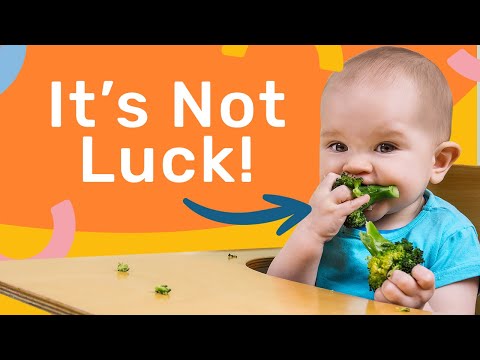
0:22 If you want your baby to love food, you need to let them experience the food with all of their senses, this means you need to let them smell it, poke it, smear it, smoosh it all around, as well as play with it. Giving your baby the opportunity to explore the new food with all their sensors, including touch and taste, helps them learn about the different textures, smells, and tastes of different food, which means that it's going to be more likely that they will try a wider variety of food.
0:52 So, just set up a splash mat underneath your baby's high chair and embrace the mess. And next time you try and put food in your baby's mouth that they have never seen or tried before, you can imagine me coming towards you with a spoonful of food that you have never seen, smelled, or eaten before and trying to get you to eat it. This is just the first tip of a bunch I have in video to help you get your baby to love eating solids.
1:17 These tips are going to help you introduce new food successfully, reduce picky eating, as well as ensure your baby develops healthy eating habits which are going to last into the future. The second thing you should do is offer everything, it is extremely important that you offer your baby a wide variety of foods in their first year of life, particularly in regards to taste and texture. This will ensure your baby develops an adventurous palate and willingness to try a wider variety of food.
1:46 It might be surprising but babies actually love food which is flavor packed, so don't be afraid to give your baby curry, savory food, sweet food, sour food, bland food as well as creamy food. And when you're offering food to your baby, present it in lots of different ways, this includes changing up the texture of that food. So for example, if you wanna give them potato, you might give it to them in pureed form by giving them a potato soup, or you might mash the potato or bake the potato, or you could chop up the potato and put it in a soup as a mixed texture.
2:19 You also wanna continue to offer your baby food that they have rejected. Now, it is not unusual for babies to refuse to eat a new piece of food that they've seen for the first second or third time. In fact, it can take 15 to 20 exposures of a new piece of food before they will accept it. So, given it can take this long for a baby to accept a new food, it is really important that you continue to offer your baby food that they have rejected and not give up after the third or fourth attempt.
2:48 So this might mean that your baby chooses to throw the carrot off their high chair for 14 days straight but on the 15th day, they might choose to eat that piece of carrot. You also wanna be responsive, do not force your baby to eat food. Now, this can be extremely difficult if you have spent all morning preparing food for your baby, but it's your role as a parent to decide what food you're gonna offer your baby, what time you're gonna give your baby the food, as well as where you're gonna give your baby the food.
3:17 But it is your baby choice on whether or not they're going to eat in the first place, and what food offered they are actually going to try and eat as well as how much of that food they're going to eat. When you push a baby to eat more food than they want, you might feel better in that moment but you are actually teaching the baby bad habits, which increases the risk of them becoming obese in the future.
3:40 Therefore, it's really important that you stop feeding your baby when they have indicated that they are full, and they do this in many different ways. So they might arch their back away, they might close their lips, they might push the spoon away, they might start to play or throw the food off the high chair, or they actually might start to get extremely distracted. Now, the fifth tip can can be a little bit challenging for us as parents, but before I cover what that is, if you haven't already make sure you download my free Mealtime Essentials List which you can find by clicking on the link in the description box below.
4:11 In it, I cover the products I recommend to make meal times a whole lot easier. So what is the fifth tip? It is stay calm. Now, meal times can be extremely stressful, particularly when your baby is choosing not to eat any food. But your reaction during meal times has a direct correlation on whether or not your child is going to eat food. If you are happy and relaxed then your baby is also gonna be happy and relaxed and feel safe and willing to try food, but if you are stressed or anxious then your baby is going to pick up on those emotions and also becomes stress and anxious.
4:46 And this isn't good because stress and anxiety actually suppresses one's appetite, so your baby is not going to be hungry and willing to try food. So it's important to keep meal times fun and enjoyable for everyone. And one way you can do this is by sitting down and having a meal with your baby at least once a day. When you sit down and eat with your baby, you shift your focus from how much they're actually eating to how much you are eating.
5:13 And when you are eating with them, you are modeling healthy eating habits as well as showing them that the food is safe because you are obviously eating it, and they also see how to actually chew the food because they see you put the food in your mouth and then they see what you do with the food once it's in your mouth. And this is gonna make it easier for your baby to firstly, feel comfortable enough to try the new food and then work out how to actually manipulate the food once it's in their mouth.
5:40 It is also really important to reduce distractions. During meal times we want babies to be focusing on the skill of eating as well as what they're eating. So, you need to turn off TVs and devices including mobile phones and iPads or tablets, and that is because when these devices are playing, meal times in general are going to be extremely long because babies tend to get extremely distracted by the devices so they don't eat that quickly. They're also unlikely to process what they're eating, so they're not processing the taste, the smell or the look of that food which can result in picky eating in the future.
6:14 And they're also more likely to overeat because they're unlikely to be aware of that sensation in their tummy that indicates that they are full. You also wanna make sure that your baby is comfortable, let's just imagine I sat you at a bench which was level with your shoulders and then gave you a chair which meant that your feet were dangling. Would you actually sit in that chair and eat the food that I gave you or would you stand up, start to wiggle around, get distracted or constantly move trying to get comfortable?
6:43 Unfortunately this experience isn't that different from babies who are sitting in high chairs. High chairs at six months of age are way too big, and the foot rest never actually supports their feet. So, if you want your baby to happily eat food, then you need to adjust their high chair, and that means you need to use rolled up towels and give them a footrest that they can actually use. If you wanna know exactly how to do that then make sure you click on this video.
7:10 Remember to click on the free PDF document in the description box below and I'll see you next week where I'll share more parenting tips and tricks.
Summary
- Allow babies to explore food with all their senses before tasting.
- Offer a wide variety of foods, including different flavors and textures, to encourage adventurous eating.
- Continue to present rejected foods multiple times, as it may take 15-20 exposures for acceptance.
- Avoid forcing babies to eat; respect their hunger cues and stop feeding when they indicate fullness.
- Maintain a calm and relaxed environment during mealtime to reduce stress for both parent and baby.
- Eat together with your baby to model healthy eating habits and create a sense of safety around food.
- Minimize distractions during meals to help babies focus on eating and recognize fullness.
- Ensure babies are comfortable in their high chairs, using footrests to support their feet for a better eating experience.