Transcript
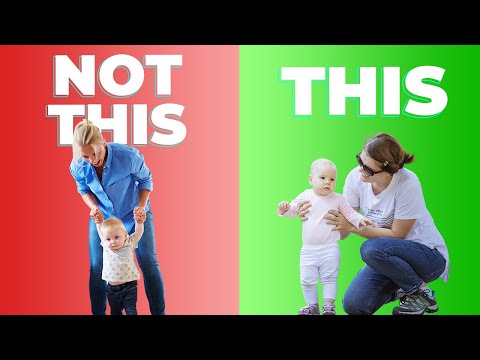
0:00 - Babies are super inquisitive and they soon learn that when they hold our fingers, they can actually stand and walk. Now, although this is an extremely fun activity to do with your baby, some parents become concerned that they're actually causing their baby harm because the baby isn't yet able to walk independently. And other parents are under the impression that by holding them by their fingers, and helping them to walk, they are actually helping them learn the skill of walking quicker.
0:28 So in this video, we're going to cover if you should actually hold your baby by their hands, and what it is actually doing for your little one. But before we do, make sure you click on that free PDF document in the description box below, which covers the developmental milestones you can be expecting for your little one in their first year of life. This will give you an invaluable piece of mind, as you'll know when to be expecting certain skills and when to be concerned.
0:50 To learn, to stand and walk, your baby needs to be able to coordinate their arms and legs so that they can actually maintain their balance as they shift their body weight from one leg to another. What you will notice is when your baby first learns to walk or start to stand, their legs are really wide apart and that's to try and give them a wide base of support. You will also see that their hands are up near their face, and that is to help them with their balance.
1:17 So as your baby starts to lean to one side, you will see those arms automatically adjust to try and correct that posture and bring them back up into an upright position. When we are holding our baby by their hands and helping them stand and walk what we are doing is essentially automatically correcting their balance. Because let's be honest, we're never going to let our little one fall. The other thing is you're stopping them from being able to use their hands to correct their balance.
1:46 Because essentially they're holding onto your fingers and your hands are really up high. So their hands, instead of being by their side are up really high. That is actually stopping them from being able to work on their standing balance and their walking balance. You will also see their body is tilted forward. And that is because our hands are often in front of their body, which is what they're encouraging us to do. But by tilting forward, you're encouraging your baby to actually stand on their toes and walk on their toes.
2:16 Also, when you are helping your little one walk around by holding onto their fingers, you'll see their little feet walking really, really quickly. And that is because they're trying to keep up with their center of gravity. So they're trying to bring their feet forward so that they're directly underneath their body. So as you can see, holding your baby by their hands and helping them stand and walk, isn't actually helping them develop the skills required to walk independently.
2:43 What you are doing though is just playing with your baby. So it's an activity that you can do with your baby for fun, but it's not working on their overall development. Now, if you haven't yet started to hold your baby by their fingers and help them stand and walk, I would genuinely encourage you not to do it because once your baby starts to do that, that is all they're going to want to do. So you are going to be walking around the room, doing lots and lots of laps with them.
3:11 And your back is going to get really, really sore. And it's going to stop giving your baby the opportunity to do those other activities that are going to work on their foundational gross motor skills, like the floor time play and tummy time. If you are already helping your little one, walk around the room by holding their fingers and it's something your little one just will not give up, or you want to keep doing this activity, then you can think about the way you are actually providing your baby with support.
3:40 So instead of holding them by their fingers, what you can do is actually provide support around their rib cage. So you put your hands around their rib cage, and that means that your baby will not lean forward or tilt forward when they're walking or standing. And it will also encourage them to have full contact on the ground with their feet. Now, if you were under the impression that holding your baby by their hands and helping them walk around the room, was actually helping to develop their skills in standing and walking, then I would recommend doing the next activities that I'm going to talk about.
4:13 So the very first activity that you can do with your little one is encouraging them to play in standing. So how you would do this is you place some of their favorite toys on a coffee table or a couch. Placing the toys up onto the furniture, encourages your baby to get up off the floor. So pull themselves up into standing and then stay in that position while they look at the toy and start to play with it.
4:38 As your baby gets comfortable in standing, you will notice that their legs start to come closer together and they're happy to reach out. Now you can encourage your baby to start to cruise. So if they're standing in the middle of the couch, you would place a toy to their left-hand side, which is out of reach, but not too far, because we want them to actually be motivated enough to try and attempt that activity. So you place it just out of their reach and it will encourage your baby to take a step to the side, to reach out and grab that toy.
5:08 And they might shift their weight completely to that leg, to then lift the other leg and move across. Once your baby is really happy, cruising along furniture this is really a great time to introduce a baby push walker. So that's those trolleys, which might be the plastic or the wooden trolleys that your baby holds on to and can walk in a forward direction. The push walker itself gives your baby the confidence to attempt to walk because it's giving them support.
5:36 And then as they get really comfortable in this position and walking, your baby will start to let go of that push walker and might take a few steps independently. So those are the reasons why I would not recommend holding your baby by the hand to walk around the room when they haven't yet learned the skill and also activities that will help your baby learn to take their first steps. And if you're wanting more information on how to help your baby learn to take those first steps and some activities to do with your little one, then check out this video.
6:09 Make sure you click on that free PDF document in the description box below. And hopefully I'll see you next week where I'll share more parenting tips and tricks. (bright music)
Summary
- Babies are naturally curious and learn to stand and walk by coordinating their limbs.
- Holding a baby by their hands can prevent them from using their arms for balance and correcting posture.
- This practice may encourage improper walking habits, such as leaning forward and walking on toes.
- Instead of hand-holding, support around the rib cage is suggested to promote proper posture.
- Activities like playing with toys on furniture can encourage standing and cruising.
- Introducing baby push walkers can help build confidence and support independent walking.
- It's important to prioritize activities that enhance foundational gross motor skills over hand-holding.