Transcript
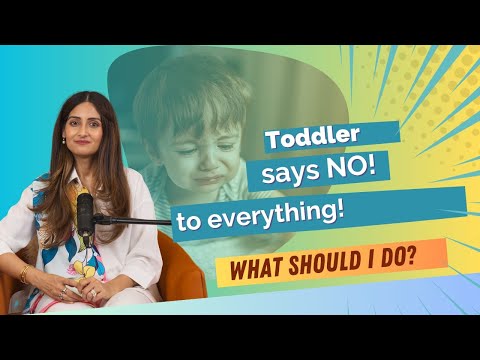
0:00 Hi parents, I am Ankita, blending Montessori, neuroscience, positive parenting and music to help you follow your amazing child from day one to forever. If you're watching this, you probably have a toddler who's saying no to everything. No to the food they love, no to activities they enjoy, no to literally anything you suggest. Today, I'm going to share something that will completely change how you see this challenging phase and more importantly, it'll give you practical strategies that actually work.
0:34 Ha parents, yeh video bahut special hai? So keep watching. Before we dive in, here's what most parents get wrong about the no phase. They think it's defiance, attitude or bad behavior. But what if I told you that saying no is actually a sign of healthy brain development? Stay with me because understanding this will truly transform your dreadful struggles into moments of connection. Let's understand what's happening in your toddler's brain. First, they are discovering they are a separate self.
1:05 Second, they are getting their first taste of personal power. Third, they are testing boundaries. And fourth, they are building independence. Think of it like your toddler just discovered they are their own person and no is their first superpower. Abh bhi soch rahe honge ye no no kab khatam ho gaya. Here's something fascinating about why they say no even when they mean yes. No is actually easier to say than yes. It is their way to feel powerful.
1:34 They are practicing decision making and sometimes they are simply overwhelmed by choices. Let's talk about when to expect the phase. It typically starts around 18 months, peaks around 2 years of age and gradually evolves by 3 and can research during other independent phases. Remember, this is a good sign of development. Now let's discuss common triggers. No happens more with transitions, daily routines, parent requests, new situations and even favourite activities.
2:06 Here are common mistakes to avoid. Forcing compliance. Getting into power struggles. Taking it personally. Punishing the no and avoiding asking questions. Let me share what actually works. Offer specific choices. Give control over small things. Use action words instead of questions. Create predictable routines. Acknowledge their power.
2:40 Let's talk about language that helps. Instead of do you want lunch which invites no. Try asking, would you like pasta or dal shavel? Instead of time to leave the park, you can try. Should we walk or hop to the car? Let's look at the light at the end. This phase leads to powerful development of decision making, skills, growing independence, better communication and emerging confidence. Remember, every no is your child saying, I am my own person.
3:12 This is not defiance. It's development. Your job isn't to break their will but to guide it to healthy independence. If this video helped you to get over your toddler's no face, hit that like button, subscribe for more evidence based parenting support. Let me know in the comments, what is the funniest thing your toddler has said no to. In the next video, we will talk about the power of natural consequences. Thank you.
Summary
- Saying "no" is a sign of healthy brain development, indicating self-discovery and testing boundaries.
- The "no phase" typically starts around 18 months, peaks at 2 years, and can re-emerge during other independent phases.
- Common triggers for saying no include transitions, routines, and new situations.
- Mistakes to avoid include forcing compliance, engaging in power struggles, and taking their refusals personally.
- Effective strategies include offering specific choices, using action words, and creating predictable routines.
- Language matters: ask specific questions to encourage positive responses.
- Every "no" is a child's way of asserting their independence, not an act of defiance.
- The goal is to guide children towards healthy independence rather than breaking their will.