Transcript
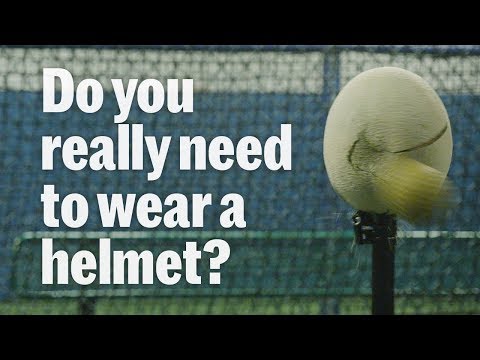
0:02 [Music] concussions are a big hot topic in sports medicine injuries in general and now we're looking at children more which i think is a very beneficial thing being at bat is the most common time for getting a concussion because the ball can cause direct impact to the head so that's where the helmet is crucial without the helmet to protect the force of impact causes the head to move back and so there can be what we call coup
0:32 contrecoup injuries where the brain is shaken within the skull what it leads to is neurologic changes that cause the child either to have a period of blackout or a period of which they are not lucid and now we're recognizing that it is a cumulative injury meaning that every subsequent concussion that you get it adds to the damage that is being done and so it's very important for us to recognize when they occur and to refrain
1:05 from putting that child right back into sports for a pediatric athlete if there is any inability to answer direct questions and ability to track a finger the most important thing is be aware of what the risks are address them and make sure the child is aware to keep in mind if one of your friends is the pop up pitcher and things always head towards your head you know be aware of it so you can step out of the way
1:30 [Music] [Music]
Summary
- Concussions are a significant concern in sports medicine, especially for children.
- Being at bat is the most common scenario for concussions due to direct ball impact.
- Helmets play a critical role in protecting against head injuries.
- Concussions can lead to neurological changes, including blackouts or confusion.
- Each subsequent concussion can exacerbate existing damage, highlighting the need for careful monitoring.
- Immediate recognition and management of concussions are essential; children should not return to play if they show any signs of impairment.
- Awareness of risks and education on safety measures are vital for young athletes and their guardians.