Transcript
0:00 I would say that growing up gay today is far more dangerous than growing up gay when I was a kid when I was a kid gay was a slur you wouldn't be there were no out gay teenagers at the school because to do so you'd be beaten up for it it wasn't possible um but at least the teachers and the Headmaster and the people in Authority weren't trying to castrate me that's the difference so it's it's far more dangerous now for gay
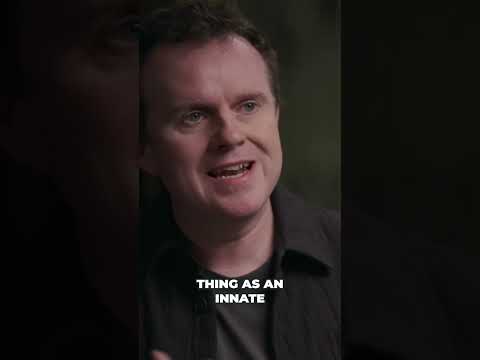
0:30 we need to do something therefore to just let kids grow up in the way they need to grow up and and be whoever they are but when you say that there's such a thing as an innate gender identity and that's your authentic self even though you're basing this on something that that doesn't exist and that's being adopted by governments and and and and and medical bodies and the NHS and W path and all the rest of it that's what
0:50 we have to fight and unpick you have to sit these people down and say what do you mean by gender identity and why should we be legislating and applying policy on the basis of that uh belief system
Summary
- Growing up gay today is perceived as more dangerous than in the past.
- In the past, while being gay was stigmatized, there was less institutional aggression against LGBTQ+ identities.
- Current societal norms impose strict gender identities that can harm children.
- The speaker calls for a reevaluation of how gender identity is defined and legislated.
- They challenge the validity of innate gender identity as a foundation for policies and medical practices.
- There is a need for open dialogue about the implications of gender identity beliefs on youth.
- The speaker advocates for allowing children to grow up authentically without imposed identities.