Transcript
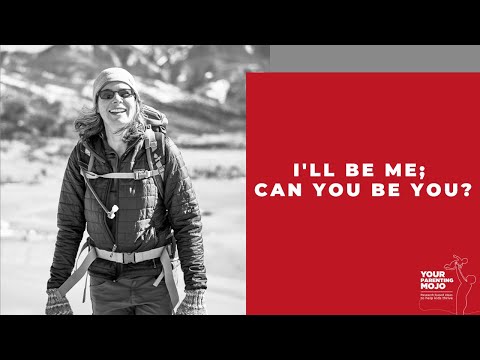
0:00 [Music] foreign Mojo podcast today's episode is going to be really close to home for me which is a bit scary but I'm going to go ahead and do it anyway because I love learning and I have a feeling I'm going to learn something through the process of developing this episode for you so here I'm going to tell you about some experiences that I've had in my life
0:30 related to the podcast and then looking further back to my childhood and friendships you'll also get to hear from quite a few folks I know the therapist who's been supporting me recently some of my friends also a listener who's been on a similar Journey as me and several listeners who have emailed with me over the years and who have given me permission to share what they wrote with you then I'm going to tie all of these
0:52 elements together with my new understanding of how they're connected but this episode isn't just about Naval gazing I'm not just telling you about me for the sake of telling you about me my goal with all of this is that maybe you will see how seemingly unrelated events in your life tie together as well and that helps you understand them and maybe shift how you navigate them in future or maybe not if that's what you decide is
1:16 most authentic to you maybe you'll also see your child struggles differently and from there you might understand their needs in a way that you don't right now which might help you to meet their needs and once their needs are met they will probably struggle against you less because people don't struggle when their needs are met and then it's much easier to meet your needs as well all right let's get into it so as many of you know I'm actually running
1:43 a business here even though a lot of the time I wish I could leave the entire business aspect behind and just do the parts where I research podcast episodes and work with parents there's an idea in business marketing that pretty much everyone who's running a Small Business Online knows which is that you introduce someone to your work and then your job is to get them to know like and trust you I think for the most part I don't
2:06 struggle with developing trusting relationships with listeners largely because I deliver what I'm saying I'm going to deliver when I say I'm going to deliver it the podcast episodes keep showing up on the correct schedule and I've always done the research I need to create an interview that generates insights that listeners haven't heard from these guests before I think I have a much more difficult time with the knowing and liking elements and that's what I want to dig
2:29 into today I've always known that I personally and my work as well are an acquired taste not everyone wants to sit through 45 to 60 Minutes of me talking or interviewing someone about the scientific research on a pretty narrow issue related to Parenting and child development I'm also a fairly private person not because I have anything in particular to hide I mean if you read my book it's coming out in August 2023 you'll know at a high level that pretty much all there
2:57 is to know about me so it's not like it's a secret right you'll learn about my difficult relationship with my dad and how I married a crack addict for real and how patriarchy shows up in my marriage so it's not that I'm hiding anything big I just don't really think anyone else is that interested in how I live my life all that stuff about me wasn't in the first draft of the book but my editor wanted me to add it because and maybe
3:20 you can see this coming it helps readers come to know and like me early in the book so it will make them trust me and want to keep reading so people in in-person relationships also engage in this Mutual revealing Behavior to show each other that they know like and trust each other and somehow the public revealing behavior is supposed to create some sort of emotional intimacy between content creators and audiences but I don't really buy it I don't really
3:50 see this as real emotional intimacy which is really why I don't use social media I didn't have Instagram until I started the business I did have Facebook never posted on it I still don't post anything personal on any social media channel because I just don't see the point there's no judgment on anyone else who does choose to use it and I do get some enjoyment out of seeing other people's updates but I don't think anyone is hankering to see mine
4:14 I think I've actually talked about myself a fair bit over the years not so much in individual social media posts where I say how I've failed but in the courses and the memberships I offer as well as in podcast episodes parents in my memberships hear a lot more about the difficult conversations I have with my husband and daughter but only in as much as it helps to shed light on their struggles way back in episode 49 I looked at how
4:40 to raise a girl with a healthy body image since my mom had actually died as a result of anorexia which I mentioned on the show and more recently in episode 150 I covered how to avoid passing on an eating disorder to our child because this topic is so important to me and I don't have this one fully worked out at this point I've basically conceded it is not possible for me to be in the world where I don't care how I look
5:03 and there's a good deal of irony attached to that because obviously I don't dye my hair I don't wear makeup I bought a tube of tinted moisturizer for my wedding in 2010 and just a few weeks ago 12 years later the tube was finally empty so you can tell how often I use it I hate clothes shopping and when I'm not on camera I spend all of my time in comfortable hiking pants and t-shirts and fleece jackets that actually have
5:28 holes in the elbows and when I'm on camera I only ever wear tops from one designer because they're reasonably priced they fit me okay they never seem to be either in or out of fashion and yet I can't get past the idea that it matters how my body looks even though the vast majority of you never see me behind my rib cage but I have done episodes on these things I looked at my racial privilege through
5:52 a series of podcast episodes which felt very exposed at the time because I had no idea what I was doing and I was pretty sure I was going to get attacked for doing it and as it turned out I just lost subscribers after I published each of those episodes because some folks didn't want to hear about white supremacy on a parenting podcast I've also been exploring my recent autism self-diagnosis through the podcast if you missed the episode on neurodiversity
6:15 last year I took a free online test called the autism spectrum quotient which is scored on a scale of 0 to 50. an average person who isn't autistic score is about 16 a score of 26 or greater indicates the presence of autistic traits and 92 percent of artistic females score 32 or higher and my score was 42. so after I did the episode on parents neurodivergence with Dr Ander Libyan she offered to give me some autism screeners which are a bit
6:42 more in-depth than the free online tests and she left me a voicemail telling me about the results and she gave me permission to share that with you I did have to edit it to remove my actual scores because she said she couldn't be the one who shared those publicly but you'll still get the idea your review from your husband um put you right at the basically the cusp of mild um and most of his for those five
7:08 subcategories and most of them were right around that range um like your awareness was not in the uh clinically significant range um Etc so overall their his indication or his review was that there are challenges in reciprocity and reciprocal social behavior that would be clinically significant and that might lead to mild or moderate uh interference with everyday social interactions which is basically confirms what you already know
7:40 um and then your self-report which is you know because you're very honest about yourself your self-reforward is what I would probably lean more towards um and that puts you a right smack medal of the mild um to severe that's the way that they categorize it for Force the language is horrible which I hate but um so scores in this range basically again reinforce what your partner had said also a reciprocity of social behavior or reciprocal social behavior
8:11 that are significant that might be causing difficulty in everyday social interactions and um overall your personal scores on yourself were so uh it says basically such scores are strongly associated with clinical diagnosis of an Autism Spectrum Disorder so you're confirmed um officially on a screener based on your report that yes these are this is the right direction for you to be going in so the areas that um social awareness so you're you're
8:42 pretty aware when you know basically the way the translator is that you're well aware of what is going on around you and that you're not like clueless to that to the dynamic um if the uh social motivation social communication um and um restrictive interest and repetitive sort of behavior piece that seems to be the higher part so before we go on one thing Dr a did want me to make sure to communicate was that this is a result of
9:11 a screener plus my fairly extensive interactions with her about the podcast episode we recorded together plus her extensive clinical experience in this specific sub-specialty and she wants to make sure you know that a result on a screener is not the same thing as a diagnosis it's more a confirmation that you're looking in the right area although for my purposes a diagnosis probably wouldn't make a whole lot of difference in my self-understanding or any Services I might look for to help me
9:39 so it would and it would be really expensive so it probably isn't worth pursuing and so this is also why I'm going to call this a self-diagnosis rather than a diagnosis but just know that if you do take a screener online somewhere else the result is not definitive without some clinical interpretation and Dr Andrew lebian is actually going to put some of the screeners that I took and maybe some others as well up on her website in a
10:02 few weeks and she said there'll be a mechanism to identify yourself as your parenting Mojo listener and she might be able to do a short consult with you to discuss the results so I'll put a link to her resources on the website page for this episode at your parentingmojo.com forward slash me so on the autism the main area where I see this impacting my life is in how I communicate with others which is probably how it impacts you as well
10:29 I've always had a hard time fitting in and up until last year I just assumed this was a combination of being introverted and not having learned social skills I think some of it started even when I was a baby because my mom wanted a baby who would need her but she got me instead and I was fairly self-sufficient as babies go so she didn't know how to connect with me I did have some friends when I was in
10:53 primary school and I remember what were apparently pretty normal social interactions and visiting each other's houses my mom died at the very end of primary school so in that period at the end of primary beginning of secondary school when there's a lot of social learning happening I was going home every night to cook dinner for my family I didn't think I was missing out because I didn't enjoy socializing anyway and we had to eat dinner I had a new stepmother within a year and
11:21 it's not an exaggeration to say that she hated me and I know this because I remember it and also because my dad has confirmed it more recently so my entire teenage years were marked by a huge withdrawal from everything and everyone and I spent most of my time that I wasn't in school alone in my bedroom wishing people would just stop noticing me my dad and my stepmom did send me to therapy a couple of times in those years
11:46 but the focus was very much on seeing what was wrong with me and fixing me so I would stop being so annoying to them as far as I could tell they didn't make any special effort to change what they were doing one of the therapists told me I should try and connect with my stepmom by offering to make her Cups of Tea which she used to drink probably eight to ten times a day she always accepted the tea
12:07 but she was never interested in the connection and then I tried offering to help make dinner figuring well maybe we can talk while we cooked and I told myself I would do it every day for a month and every day she would very sweetly say no thank you when I asked if she needed help and toward the end of the month my stepsister said it doesn't matter how many times you offered to make dinner she's never gonna like you
12:28 and I think after that I just kind of gave up and of course school was miserable as well because I was good at learning but I couldn't figure out how to make friends in my year group there were three girls at the top of the social hierarchy there was Gemma and Claire and Louise who were twins and strangely enough Gemma and I actually became friends after school ended so I reached out to ask what she remembered of me during the school years
12:51 and so to be clear Gemma was not one of those mean girls who sits at the top of the social Heap I don't remember a lot of details but she wasn't one of the kids who deliberately picked on other kids so here's what she said that she remembers about me hi I'm Gemma I've known Jen since we started secondary school so that's about aged 11. and actually at the time I um really did think that Jen was quite a withdrawn
13:16 character I thought she was quite quiet and shy um she was very studious which meant she had great relationships with the teachers but she didn't have a lot of personal friendships and at the time I thought there was a personal choice that she was just a little bit quiet she spent quite a lot of time in the library she wasn't really into her team sports and things like that um so I'd put it down to that as I then
13:40 saw Jen move into her older years I realized that actually that wasn't just a school thing that actually that is something that she did struggle with was the sort of social awkwardness really I asked Gemma if she remembered any specific incidents about things I did or interactions we had and she said she didn't which I think just about says it all really I was a completely unmemorable person I was okay in one-on-one situations but in any kind of group I just fell apart I
14:11 actually didn't attend the same school as Gemma from age 11. I went to another school for a year first and then I moved to her school when we moved in with my stepmom and at the beginning of that year I vividly remember a drama class where we split into groups and we took turns to perform short plays and the teacher told us to critique each other's work and nobody else would say anything even remotely negative about anyone else's
14:33 work but the teacher had asked this to do it right so I raised my hand and I made a really mildly critical comment not realizing it was not the done thing for the new girl to criticize anything and so the next group performs their play teacher again Ask for critique again nobody else raises their hand and so I tentatively raise my hand again and when she calls on me and I mention again something the group could have done but
14:58 didn't based on the teacher's instructions about the plays after the third group performs the teacher asked for critique this is one kid Gary he speaks up and he says I bet Jenny can think of something and of course in that moment I knew that I was sunk and I stopped eating lunch on school days so I wouldn't have to find someone to eat with which of course bloomed into an eating disorders I realized that when I couldn't control anything else around
15:23 me I could control what I ate I actually and to my best of my memory did not especially care about being thin that was just a measure of how successful I was at being in control of something and so the librarian created the library monitor position for me because I spent all of my lunch times working in the library instead at one point later in my teens I was starting to make individual friendships with people within the In Crowd and one
15:50 day I screwed up the courage to sit on the benches that Gemma and her friends always sat on around the music studio and nothing bad happened actually I don't think anyone really said anything but I felt like I was sitting under this thousand watt Spotlight and everyone on the entire playground was looking at me and thinking that I didn't belong and I lasted about 10 minutes and I just went back to the library and that pretty much set the tone for my
16:15 social interactions from then on I I never had a lot of friends I never wanted a lot of friends either when I do think that I could have a connection with someone I pretty much Don't Let It Go here's my friend Sarah explaining how we met we met probably 10 years ago yeah yeah 10 years ago uh and well long story short I thought you were hitting on me um not much of one for bilda for you
16:44 well I can get into the details um let's see I we were volunteering at a garden and I think um we connected I just moved to California you were doing some work I think with a Horticultural class some extra credit and um and you uh we just are chatting as one does when you volunteer and and with your hands in the dirt and you were just really um forward I guess um and and just like wanting to know
17:13 about me which was lovely and uh I was curious about you were like what are you into what do you like to do um and then you planned our next activity if I remember correctly you were like well let's go do you like to hike I was like yeah I love hiking and they're like let's go hiking how about Sunday how about at two o'clock or something really specific and I think I was taken aback by
17:37 um how confident you were in wanting to spend more time with me on on our initial meeting um and that isn't to say I'm not a lovely person that doesn't warrant that little of enthusiasm but um I think I'm used to maybe a little more like oh yeah let's hang out sometime and then never it never panning out or after multiple engagements or conversations then actually something is solidified whereas you were just like I'm free on Sunday if
18:08 you want to go for a hike with me uh we can do this and so I was like I think I think she might be entering something more than just hiking and we should clarify that you're wearing gardening gloves right yeah yeah I think I think fairly quickly you were just like oh yeah you know my husband and I was like oh well and I don't think I was just like well my husband so um it didn't it didn't stick with me
18:35 long um and thus our friendship was born all thanks to your you know forwardness and confidence and ability to just like all right I like this person and I like hiking let's do them together and did she like hiking so and I should say I remember things a little differently because I don't remember setting up a hike immediately I thought I just made sure to get her email address so that we could set up a hike because I knew I wasn't likely to
19:00 see her again if I didn't and I did find her really interesting but either way I was really struck that she perceived me as confident in that social interaction because I most definitely was not feeling confident I have now learned that I was masking I was faking it pretending I was feeling confident because I know that's socially acceptable behavior even if I did overdo it a bit on this occasion because I really wanted to get to know her better
19:23 and Sarah went on to say that she was surprised that I'd taken the Autism test and got a result that indicates I'm on the spectrum because she didn't perceive at all that I struggled in social situations but of course these were almost always one-on-one interactions with her or just with our husbands and I generally do better in that kind of environment I asked Sarah and also another friend who prefers to remain anonymous to share what about being friends with me has
19:49 added to their lives and also how it's difficult to be friends with me I did think it was interesting that both of my friends brought up something related to ambiguity in relationships but from opposing ends of the spectrum so Sarah pointed out there's much less ambiguity in our relationship than in many of her relationships I think um what differentiates you from some of my other friends um is um for me at least is um is similar to what I was saying with
20:21 regards to when we just met um that that when is when you are asking something of me or a commitment to like let's do something um uh maybe like before our hike in in Europe um you're like I just need to make sure that you're on board with that and I feel like even though you would be very understanding if for something some something came up and I needed to back out an event that that um
20:47 that level of commitment up front is is of value to you that you need to be understanding that you and I are on the same page um whereas I think with some of my other relationships often I would argue to their detriment that there is a level of ambiguity and I am assuming something and they are assuming something and it's not the same and with you I feel like that's not the case I feel like I really
21:12 am on the same page with you a lot um which and I would argue that that is that is because of you um not because of something that I have done um uh because I haven't pushed the um and and push sounds aggressive even um because it's not that you're pushing I don't feel like you're forcing me into something I just know that um with you it's Clarity is as appreciated and I and
21:44 it's appreciated mutually I should say yeah that makes sense I never thought about how that could be a mutually appreciated um I mean the Europe trip was a bit different a bit of a different animal in that you know if you're gonna go to Europe with a six week old baby and hike around my blog you sort of need to know the other person knows what they're getting into and then they're going to be changing diapers
22:08 stand other aspects of our relationship that's just kind of a nice example yeah yeah for sure um and I think um yeah that that Clarity is helpful to me because otherwise it uh to me it seems that there's a really high chance that they could have missed something important um in terms of your your willingness to commit to a relationship to or just to commit to a certain activity and that if I don't get that you know that verbal
22:35 yes I'm into this um then I'm always like are they really into it because I don't know how to tell right and that ambiguity is really uncomfortable to me so um I guess that's why I do that so I was surprised to hear that Sarah found the absence of ambiguity to be a helpful part of our friendship although perhaps I wasn't surprised to find that but my Anonymous friend told me that quote your signals about being content slash
23:01 stressed less pissed off are sometimes hard for me to read you can carry hurt for a while without sharing it and presenting an opportunity for repair I can think we're having a mutually enjoyable conversation and not know I've upset you until later you occasionally forgotten the repair and reintroduced the original offense I spend more time when we're together worrying about obsession you then is typical for me and my friendships end quote and I totally think that what she's
23:25 saying here is fair and and that's partly due to the dynamic between us where my friend has a role as a highly intellectually competent and confident person and I often don't feel confident about contradicting her even when I've studied a subject for years and objectively know more about it than she does I think the disagreement part is where I get tripped up because I wasn't allowed to disagree with my dad when I was growing up so he would lecture me about
23:49 the things I'd done wrong and I was I would just stand there looking like I was paying attention but I was actually dissociating I wasn't even fully hearing what he was saying and I couldn't tell you many of the things he was lecturing me about and I still see myself doing that in conversations where I want to offer a different opinion but I don't think it will be well received at best I just sort of don't say anything and at
24:10 worst I just mentally disappear I also struggle where I've misstepped and I don't know how to fix the situation one example that really sticks out for me is when I attended a gathering of our friends at one of their homes when many of us had Toddlers and toward the end we were talking about having second children and I said I definitely wasn't going to have another one and I joked that Charis was so easy to get along with that any second child
24:33 would probably be a nightmare just some as some sort of cosmic retribution and I ended my comment by saying something like she's so great I mean just look at her and I wasn't talking about anyone other than Karis and me when I said that but I'm pretty sure my friend took offense I think I remember her saying through tight lips something like all of our children are lovely before she turned away and of course there was another classic oh moment
24:55 when I saw that I'd really put my foot in it and I had absolutely no idea what to do about it and I think I pretended nothing had happened but I remember feeling embarrassed and obviously it's really stuck with me and as a side note here my husband asked me recently how on Earth do you help parents make so much progress when you coach them when you have such a hard time reading people and to me that's not
25:17 hard to understand so when I'm coaching if I see a shift in someone's face that indicates an idea has come up all I have to do is ask them it's socially acceptable to ask what someone is thinking or feeling in that environment and I'm pretty sure they're going to tell me the truth because they want my help they know that my ability to help them is contingent on me understanding what's happening for them out in the wider world it's generally
25:40 not okay for me to say perhaps to anyone but the closest friend something just shifted for you right now but I'm not sure what it is will you tell me and under our cultural conventions it's more likely than not the person would say no there's nothing wrong when actually there is by which time I'm in a hole I really don't know how to get out of this kind of thing also impacts you as well I've had a couple of comments on
26:01 podcast episodes when I've laughed at an apparently inappropriate time and it's really offended a listener one of them was in the consumerism episode and The Listener had grown up in poverty and I guess I laughed at something that my guest said in relation to poverty and The Listener really took offense to something that I didn't register as offensive at all and I was fortunate that I always had a warm place to sleep at night I knew when my next meal was
26:23 coming from when I was growing up but there really wasn't much left over beyond that in my late teens I remembered taping Nike swishes onto my crappy shoes for a physical education class because I was so sick of the other kids making fun of me for having thrift store shoes so I felt really bad that I'd done something that had created that feeling of shame in someone else but not all listeners respond in that way as I Was preparing this episode I
26:44 remembered an email that a listener sent me back in 2020 when she was participating in a workshop I was running and we got chatting about imposter syndrome and I told her I have that too which is why I do all the preparation for podcast interviews that listeners have said makes me sound intelligent and to some people also unapproachable it's because I don't want to get caught out by asking a question and having my guests say well I answered
27:07 that in this paper or this book that you clearly haven't read and that would be so embarrassing to me that I have to prepare so much that it never happens anyway this listener wrote To Me firstly it's hard to believe that you have imposter syndrome too you're just so good at what you do secondly you totally do not come off as unapproachable maybe initially when I first listened to your podcast you are so full of content and
27:29 questions but then I heard your laughter the one that you do and the speaker strikes a note with something personal in your life do you know what I'm talking about that nervous loud laugh but it was that laughter that made you a real person to me and I emailed you the first time because there was just something so genuine and real and approachable about you end quote so then artistically gets my knickers completely in a Twist right should I
27:53 laugh during interviews should I never laugh during interviews should I check to see whether it's appropriate to laugh before I laugh by which time the moment is usually passed it's absolutely possible that I'm laughing at very similar kinds of things across multiple episodes and that some people find this offensive While others think it makes me seem genuine and real and approachable and of course this reminds me of the times when our toddlers hit us and laugh
28:18 and we parents get so triggered by that because we think it means they're enjoying hitting us when perhaps more often it means I know you don't want me to hit you but I don't know how else to say that I want to say something so I'm going to laugh to cover up how nervous I'm feeling about telling you this another area where it comes up is when I feel especially passionate about a topic I was talking with a listener recently
28:37 about schools and if you've been around the show for a while you probably know I have some pretty strong feelings about school because I think they perpetuate the social problems that have hurt all of us so much although they have hurt some folks a lot more than others this listener said that even though she's in my learning membership community and we know each other pretty well by now that she has felt judged by some of the things I have said about
28:58 schools because her children are in school and she told me that even though she cognitively agrees with many of my ideas about schools the way I expressed my ideas so strongly came across to her as Judgment of her decision to put her children in school she went on to say that she can more easily take on a message when she doesn't feel judgment and that the judgment is very counterproductive because it gets her into a contracted
29:20 Place rather than a place of open curiosity that's primed for a change in connection she says she's been noticing where she judges things as well her children's school has been doing a holiday performance in a book fair and a craft fair and the children had to wear something different and specific to school every single day one week and this parent's anxiety has been as she says through the roof and she finds the focus and the busyness of all of those
29:46 activities to be against her family's values but when she talked with her husband about the school's holiday system he found it really hard to receive she said quote he has sympathy for me but it's hard to make lasting change because my comments are coming with such vitriol and disgust for something that to someone else doesn't seem that bad end quote and that really struck a chord for me because I think that's exactly where I land a lot of the
30:09 time and my husband has said to me many times he thinks my messaging would resonate a lot more if I could find a way to connect rather than seeming judgmental not everyone sees schools as bad some people even see them as an equalizer in a country where people have different access to opportunity but one of the characteristics of autistic people is we see things in a very black and white way we recognize patterns make connections across ideas
30:32 that not everyone sees and we even see the possibility for things to be different for us not to be in the systems that many people take for granted as just the way things are and of course those characteristics combined with a lack of social awareness make for a very difficult combination to me it feels very confusing because it seems like I say very similar things as other people who think that schools aren't actually serving children but
30:59 somehow people find it connecting when they say it and judgmental when I say something that to me sounds very similar at the moment I don't know how to navigate that more effectively than I'm doing right now I hope that at some point this year our finances might be in a place where I could see a therapist who specializes in late diagnosed autism to help with my communication skills on these kinds of issues but until then you're sort of stuck with me as I am
31:22 all right so let's start to tile this life history stuff together because I want this to be helpful to you and not just to me so what I'm seeing now that I wasn't fully able to connect the dots on recently is that obviously I have some sort of genetic artistic component that nobody knew about when I was a child and that plus my introversion made it hard for my mom to connect with me which led to avoid an attachment right I knew that
31:45 I couldn't rely on anyone else to be there for me so I just relied on myself and I did okay in the wider World until the socialization I was doing was interrupted by my mom's death and then it seems like everybody else was able to make a shift in the sophistication of their social interactions that passed me by and the autism made it hard for me to even see that that had happened and the unhappiness with everything else that
32:08 was going on at home caused me to withdraw even further until social interactions basically became a puzzle that I didn't have the tools to solve and the more I withdrew from others the less practice I got the worse I became at it and now my life is very much set up for me to be mostly successful at navigating the few social situations I put myself in but of course I'm only just learning about ways it's impacting
32:31 you through the podcast that I hadn't known about what I learned all the way back when I was a baby about self-reliance makes it hard for me to be vulnerable even today because a vulnerable person is inherently admitting they can't do everything themselves which I learned isn't safe in many areas of my life the self-reliance has served me very well it protected me from a mother who didn't like me very much and a stepmother who didn't like me at all and a marriage to
32:56 a crack addict who could disappear for days at a time and a whole bunch of other things that would have been much harder to deal with if I wasn't 100 solid on my own self-reliance and knew that I could absolutely count on myself even when other things got really hard I have to recognize that those patterns don't serve me anymore now and I also don't want my daughter Charis growing up and using those same patterns unless she
33:20 has to of course which I hope she doesn't so well why am I sharing all this with you well I want to be honest right I want to share part of my life with you since I share most of my waking hours preparing things for you part of that is the old no like and Trust formula some of you listening to this will have thought so over this and I never want to hear from Jen again and
33:39 if that's the case then that's okay I'm quite sure there's someone else out there in the world who's talking or writing about parenting and Child Development who is more your cup of tea and I hope you find them and you get what you need from them maybe this makes some of you think that you know me well enough to want to enroll in a course or a membership you've been on the fence about in which case great I'm really looking forward to
33:58 working with you as I move forward with the podcast I'm still not going to share a lot on social media partly because I don't process things that way I'm never going to have a disagreement with Charis and then whip out my phone and post on Instagram about how I messed up and what I should have done differently even if I handled it well I just don't want to move through my life looking out for instagramable moments because if I'm doing that I'm
34:19 not actually being present in my own life if I do post things about us it's because they've come after a good deal of reflection and I've realized that sharing it might help you I realize that what we're essentially doing here is getting stuck in a comparison mindset it's hard for me to get out of the mindset that everyone else shares all this in the moment vulnerable stuff and so I should do it too and it's hard for
34:41 you to get out of the mindset of I want parenting advice from people who share vulnerable stuff on social media and if Jan isn't doing that like all the other parenting people then there must be something wrong with what she's doing or with her and that comparison mindset gets so it's in so much trouble before my self-diagnosis my husband was comparing me to older quote unquote normal people he knows and his own quote unquote normal self and thinking why can't Jen
35:06 be more normal and now he knows this is normal for me and he's trying to stop trying to change me so I'm going to continue to explore how my self-diagnosis shows up in my life and how I can be more authentic both in the podcast and in my real life I'm going to consider the feedback I get from listeners and instead of letting myself get yanked around about it quite so much and worry about what I should
35:31 and shouldn't be doing I'll filter What I Hear through my values so some folks think I talked to you first on episodes and I get it right I always want to be better at what I do so I'm taking a course to help me slow down and speak more clearly I've only just started it so you may not hear the full effects yet but in the meantime most podcast players have options to speed up or slow down their audio
35:53 it means I'll deeply consider the feedback that I get on the show's content in response to listener feedback I have a new series of q a episodes launching this year where listeners submit questions via video audio or in writing and I answer them still from the same research-based perspective that you've come to expect but that doesn't mean I'm going to start covering topics that I still believe are really important I haven't mentioned it in this episode but my own parents were
36:18 traumatized by their parents attempts to shape them to succeed in a white supremacist patriarchal capitalist culture and in their attempts to shape me to succeed in it they hurt me too my challenge here is that I do see the connections between all of these topics and white supremacy and patriarchy and capitalism once I've seen them I can't unsee them and I think a lot of the reason we struggle as a society is we don't see these things
36:43 our culture trains us to pay attention to these individual issues because if we saw the societal level issues the folks at the top benefit most from these systems would be called to account for their actions and we actually might get to live in a culture where our needs are met I totally get that as a podcast host I have to produce content listeners want to hear so once again my autistic self tends to get a bit stuck
37:07 I've tried to bring listeners Along on my own Journey but probably there are quite a few folks who have started listening more recently and who didn't hear those episodes a couple years ago or if you missed an episode or two in that period maybe you felt kind of Blindsided as well so I do I keep producing content I believe in or do I produce what listeners say they want I also have to weigh the comments from
37:28 folks who do believe in what I'm doing which are often fewer and further between since we tend to complain when we don't like things more than we say that we agree with things as I figure out a path forward that feels true to myself I think it's fairly safe to say I'm not going to go back to being a podcast that only looks at scientific research on parenting and Child Development or even one that looks at
37:49 the research methodology critically don't we all want people to accept us as we embark on our learning and healing Journeys I know I work with a lot of parents in my taming or triggers Workshop who say I'm doing all of this learning so I can be the parent I want to be but my partner isn't coming with me they're still shouting at our kids and I spend all of my time being the emotional regulator in the family how can I get my
38:11 partner to come along and do things differently and the answer is that we don't we don't try to get someone else to do something differently I think at the heart of this request is a wish even a longing that the person's partner would see them and support them on their Journey but the partner can't do this and depending on the person's capacity to receive it I either say that's patriarchy at work or I bite my tongue
38:36 and I encourage the parent to do what feels right and true to them as they move toward parenting and alignment with their values in some ways you and I are in a very different relationship a very strange one where you get to know much more about me and my ideas than I do about you and yours and yet somehow I'm supposed to know how you think and what you want to produce content that you want to hear and read it's kind of weird
38:58 when you think about it right and doubly weird for an autistic person who can't figure out what's going on with another person when they're standing right in front of me never mind when we really get to interact so that's how I plan to move forward with the show for the immediate future more importantly I hope you found something in this episode that helps you to understand how you show up in the world a bit better maybe you've suspected that you might be
39:21 Autistic or have ADHD or any one of a number of diagnoses and now you're wondering where the diagnosis or self-diagnosis might help you to understand why you do some of the things you do and also put yourself out there in the world in a way that's better aligned with your values sometimes it does help to see things in other people's experience that you then realize you can use yourself maybe you heard my description of masking my fear
39:45 of social situations and you realize you do that too so what is it about those situations that's most difficult for you how can you change the kinds of situations you're in or the way that you prepare yourself for them so you can be more successful and be in them more authentically what kinds of strategies do you use that are aligned with your values and which ones protected you when you were a child and are not serving you anymore
40:11 don't compare yourself with me but with the person that you might be if you weren't held back by these old habits and with the person you might be if you could address some of the stresses in your life now and get your needs met on a more regular basis maybe looking at your life in the way I've been looking at mine could help you to uncover some needs you didn't even know you had before and mean that you're
40:33 more willing to ask for help in getting the Met which reduces the pressure and the stress on you parent Claire whom we met last year in the episode on her child's Learning Journey posted recently in my parenting membership Community about having read Dr Gabor marte's book scattered Minds which is about the way family environments can shape an attention deficit hyperactivity disorder response if a child has a genetic predisposition for sensitivity what she's been learning resonated so much
41:00 with what I wanted to say in this episode that I asked her to record something for us to tell us about it so here she is I've been reading gabormate's book on ADHD called scattered Minds I was diagnosed in my 20s and never saw this kind of compassionate Deep dive into the environmental and familiar origins of the disorder before totally convinced of my diagnosis because it mostly manifested in
41:31 sort of overwhelming self-criticism I never saw it so much in a tinch as an attention issue um but his his book has been really eye-opening to me um I I ended up taking stimulants in my 20s because well I didn't really resonate with my understanding of ADHD I went along with it because the medication helped me be what I thought I wanted to be
42:03 I later distance myself from the diagnosis and really took great efforts over many years to change my life and my support systems um so that I could live without medication but as I read the book recently I could identify that I've had such incredibly strong counterweal my entire life which
42:33 mate defines as a really strong and impulse pushback against someone's perception of another person trying to control them usually a parent or authority figure [Music] um the highly sensitive ADH person can work so hard to build up really strong protective and defensive barriers against outside influence because as a young child they were never allowed to develop their authentic selves or
43:04 Express their feelings and needs um at least not without the threat of loss of Parental love um when this really resonated with me my parents praised me for having a mind of my own when it came to my creative performance but absolutely not in regards to the emotional space of our family I now see that so much of what I thought was my sense of self was actually um resistance really to everything else
43:36 in an attempt to differentiate myself as a toddler does um and gain acceptance or praise and let me tell you how absolutely exhausting that was um when my oldest was a toddler she's now four I was so inspired by the pure Creative Energy emanating out of her and she knew who she was and what she needed and that was so amazing and inspiring to me to witness I also felt this incredibly deep urge
44:10 inside me to support her in developing that I think for myself I spent so long trying to develop my creative work without giving myself a nurturing compassionate love and acceptance I did not know how to do that I did not know that I could do that um I use my work and success to feel good about myself but I was constantly coming up against blocks and um walls of self-doubt and criticism
44:42 even while pretty much consistently receiving positive feedback from outside stimulants helped me ignore my distracting self-criticism but they also only made me want to work harder um and honestly for the first time that I can remember made me want to try to fit in um they did not give me skills and self-compassion they didn't help me understand my feelings and needs or help me connect people for community and
45:14 support I felt a lot of Shame over the years for these feelings that I didn't really have it that bad compared to so many others but I'm starting to see the common Humanity in all of us um some of us suffered more than others early on and probably continue to some of us are more physiologically sensitive and some of us have built up incredibly strong defenses so we can succeed or
45:44 survive in this world and it takes a lot of work to access our true feelings and needs when we were in this place wow I think some people benefit in material ways from the systems of Oppression that dominate us no one wins from negating their true selves and everyone can gain from learning to identify and tend to their needs for safety belonging and significance among others
46:15 I think when we learn to take care of ourselves we can really heal wider and deeper wounds together and importantly we also need the together the togetherness before we can really tend to ourselves I love mate's quote from a friend of his from the Lakota tradition how when a person gets sick the whole Community asks themselves what went wrong and even thanks the person for the opportunity to examine their ways and
46:46 how they can change to better take care of the person and others moving forward how beautiful no shame or blame just living and working together there is so much to learn from this and that really is my hope and intention for my family and our wider community and Beyond so Claire is now seeing the connection between her family environment and Her quote-unquote diagnosis and she also sees that the way she responds to her own child will shape her child's
47:18 experience in the world not from a heavy well I guess I've already screwed this up and I'm going to continue to screw this up perspective but from seeing the interconnections between them and seeing her child's expression that something isn't right for me right now probably actually indicates that something isn't right in their relationship and in their broader family and that isn't a threat it's an opportunity for us all to heal ourselves and be in right relationship
47:42 with ourselves and with each other after I release the why we shouldn't read the your x-year-old child books anymore episode the most common questions I received were firstly what should I read instead and secondly how will I know if my child is normal or not and my answer is that your child is doing things that are normal for them they are trying to meet their own needs in the best way that they can they're acting on their own thoughts and
48:08 feelings and drives and they're also responding to their environment we so often get caught up in trying to fix the child that we neglect the environment part so when I was a child I was obviously already artistic but maybe my mom could have tried harder to connect with me even though I didn't always throw the communication ball right back to her and perhaps then I would have found socialization easier the struggles I had in my teenage years were actually not
48:32 very much about me I was doing my best to cope in an environment where my needs for warmth and compassion and respect and autonomy were not met on a routine basis and yet I was the one who was deemed to be the problem I was the one who was supposed to change my behavior to make things easier for the adults a lot of the other children at school were probably responding to similar circumstances in their own lives or
48:55 worse I remember one kid in my high school who was always in trouble detention suspensions constant humiliation from the teachers it was the classic Problem Child who was always disrupting the class I just looked him up for the first time on Facebook and one of the few pictures on his page is a screenshot saying sometimes people pretend you're a bad person so they don't feel guilty about the things they did to you end quote he was always distracting classes and
49:22 while I was never mean to him I certainly made no attempt to connect with him the advice that all parents and teachers would give is to stay away from people who are disruptive so why would I my guess is nobody ever got to the bottom of why he was doing this nobody ever fully understood the unique combination of his own challenges and learning and emotion regulation and how he perceived the constant picking at him from the adults at school and probably
49:46 at home as well and how the rest of the kids myself included essentially ostracized him made it very difficult for him to function they just assumed that he was the problem he was the thing that needed to be fixed and there was no sense that anything about his environment which was us me was not helping him whether you or the disruptive kid like him or the kid who kept their head down and did well in school even though
50:10 everything inside was falling apart like me your needs probably weren't met either maybe part of that was traits you were born with part of it was the way people around you responded to those traits and they tried to shape you to fit in with them so they wouldn't be inconvenienced and that hurt you just like it hurt me we call that process socialization and ultimately what it does is prevents us from seeing our child's real needs our
50:34 parents didn't see our needs very often we aren't seeing our children's needs either when our children are doing things that are driving us up the wall they aren't doing it for the purpose of driving us up the wall or for no reason whatsoever they're doing it because it seems like the best strategy they have to meet their need even if it's so misguided it actually ends up working against their goal I mean think about it how is not
50:56 eating a rational response to not having needs for warmth and compassion and respect and autonomy met it isn't it's just the best strategy I could think of at the time it wasn't even one that I consciously decided to use I just fell into it and realized it worked better than any other option that I had and perhaps now you can see how some of the things your child is doing that seems so puzzling to you is actually
51:19 them doing their very best to cope and to meet their needs even if the ways they're doing this don't end up meeting their needs and are rage making for you when we can understand what is their unmet need and help them to meet it then they don't show up in those rage making ways and we feel triggered a whole lot less often so if you want more help in making that shift my taming your triggers Workshop
51:41 is reopening in February you can learn more about it get on the waitlist to receive a discount coupon when enrollment opens at yourparenting mojo.com forward slash taming your triggers I really do hope that this episode has been useful for you most of the conversation about it is probably going to happen in the free your parenting Mojo Facebook group so I hope to see you there if you have ideas you'd like to share or discuss and you can find the
52:03 resources for the episode including the links to Dr andolivian's website where you can take the screeners when she has them ready in a few weeks at your parentingmojo.com forward slash me foreign
Summary
- The host discusses the challenge of building trust and connection with her audience while maintaining her privacy.
- She reflects on her childhood, including her mother's death and her struggles with socialization and self-reliance.
- The episode explores the concept of masking in social situations, particularly for those on the autism spectrum.
- Insights from friends highlight the complexities of their relationships, including the importance of clarity and understanding in communication.
- The host shares her journey of self-discovery and the impact of her autism self-diagnosis on her interactions.
- The episode emphasizes the need to understand children's behaviors as attempts to meet their unmet needs.
- The host encourages listeners to reflect on their own experiences and how they can better support themselves and their children.
- The episode concludes with an invitation for listeners to engage in discussions and share their thoughts in the podcast's community.