Section Insights
The Ruthlessness of Robert Moses
How did Robert Moses deal with opposition?
Robert Moses was known for his ruthless tactics to eliminate obstacles in his path, exemplified by his actions against politician Henry Epstein.
- Moses would find ways to remove anyone who opposed him.
- He targeted personal weaknesses to undermine his opponents.
- His approach shifted from idealism to a focus on power and control.
Opposition to the Cross Bronx Expressway
What was Henry Epstein's stance on the Cross Bronx Expressway?
Henry Epstein opposed the Cross Bronx Expressway, arguing it would displace thousands and suggesting a less disruptive alternative.
- Epstein highlighted the social impact of urban development.
- He proposed a solution that would minimize displacement.
- His opposition was a direct challenge to Moses's plans.
Destruction of Opposition
What tactics did Moses use against Epstein?
Moses sought to destroy Epstein's credibility by exposing personal vulnerabilities, such as an affair.
- Moses utilized personal attacks as a strategy to eliminate political threats.
- The use of personal scandals reflects the lengths to which he would go to maintain power.
- This incident illustrates the intersection of personal and political conflicts.
The Transformation of Moses
How did Moses's character evolve over time?
Moses transformed from a young idealist into a ruthless power broker, prioritizing results over ethics.
- His evolution signifies a shift in values from idealism to pragmatism.
- The drive to achieve goals overshadowed moral considerations.
- Moses's ruthlessness became a defining trait of his legacy.
Transcript
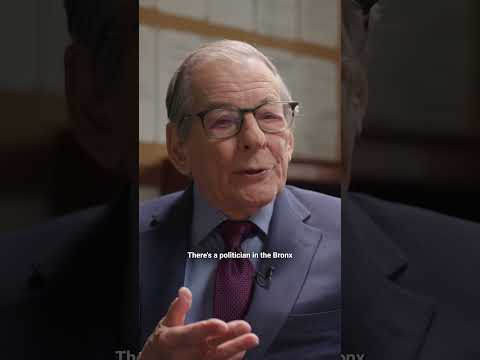
0:00 If someone stood in his way, he was going to find a way to remove that person as an obstacle. I mean, I'll give you an example of that if you want. There's a politician in the Bronx named Henry Epstein. Henry Epstein is opposing the Cross Bronx Expressway. He's saying to Robert Moses, "You're putting it right through a neighborhood where you have to evict tens of thousands people. You can just move it two blocks to the south and you only have to evict a couple of hundred people." Moses sets out to destroy Epstein and basically does by making it known he's having an affair.
0:36 If he can find a weakness in somebody, he'll use whatever he has to to get things done. There's a hardening and increased ruthlessness where the only thing that matters is to get the thing done. Anyone who stands in his way, he'll destroy him. I think that's a trait that changes him from the young idealist to the ruthless power broker of most of the book. >> Mhm.
Summary
- Robert Moses initially had idealistic intentions but evolved into a ruthless figure.
- He targeted opponents like Henry Epstein, who opposed his projects, particularly the Cross Bronx Expressway.
- Moses used personal information, such as Epstein's affair, to undermine his credibility.
- The narrative illustrates the lengths to which Moses would go to achieve his objectives.
- The shift from idealism to ruthlessness reflects a broader commentary on power dynamics in politics.
- Moses's actions reveal a hardening of character driven by ambition and a singular focus on results.
Questions Answered
How did Robert Moses deal with opposition?
Robert Moses was known for his ruthless tactics to eliminate obstacles in his path, exemplified by his actions against politician Henry Epstein.
What was Henry Epstein's stance on the Cross Bronx Expressway?
Henry Epstein opposed the Cross Bronx Expressway, arguing it would displace thousands and suggesting a less disruptive alternative.
What tactics did Moses use against Epstein?
Moses sought to destroy Epstein's credibility by exposing personal vulnerabilities, such as an affair.
How did Moses's character evolve over time?
Moses transformed from a young idealist into a ruthless power broker, prioritizing results over ethics.