Transcript
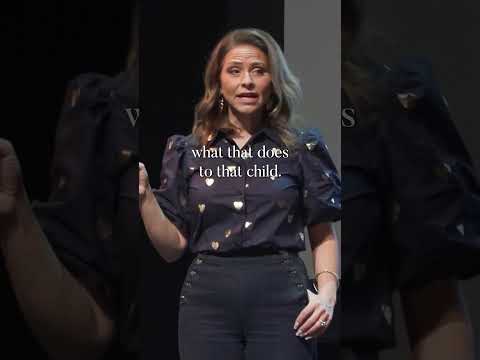
0:00 I was talking with a mom whose child is really really struggling. He's a little guy, he's about six. If you ask him what's his favorite part about school, what's he going to say? Recess. His second favorite part about school? Art. Favorite part of the day? Recess, because he gets to go and be himself. Art? He gets to be himself. And he's having a tricky time at school. So, what do you think they've done? They took away recess and they took away art. And if you would like to rejoin the kids at recess and get going again with art, then you will do ABC XYZ. If you want to, as grown-ups, make yourselves like really give yourselves a rough ride, do that. Never mind what that does to that child. Actually, probably what he needs is about seven recesses a day. He needs to have a paper and whatever his drawing stuff is available to him like readily and just like [music] regulate himself through that experience, express himself through that experience. So, we don't want to interrupt. We want to make sure that we stay focused on play and you will be swimming upstream. When you're feeling pressured to teach, that is your little like warning sign [music] that you need to step back into the world of play.
1:09 We teach in the world of play.
Summary
- The boy finds joy and self-expression in recess and art, which are crucial for his well-being.
- Removing recess and art as a form of discipline can be detrimental to children struggling in school.
- Children may benefit from increased opportunities for play, rather than restrictions.
- The importance of play in learning and development is emphasized.
- Educators should recognize signs of pressure to teach as a cue to refocus on play-based learning.
- Providing creative outlets can help children regulate their emotions and express themselves effectively.