Transcript
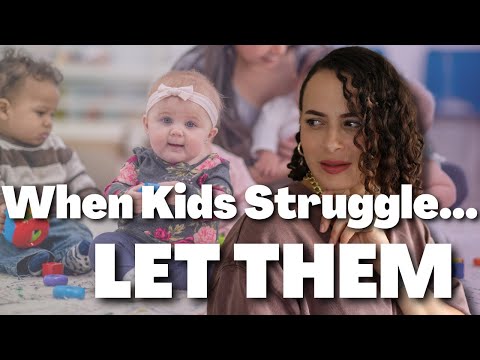
0:02 Welcome back to Hi Fam. I am Avital and I'm here to help you to build a strong family culture. And today I'm going to share why I'm actually happy when bad things happen to my children. I know that sounds like I'm such a monster, but I'm going to explain exactly what I mean and why I think we can all shift the conversation a little bit uh when it comes to frustrations, disappointments, let downs, rejections, pain even that our children experience. So if you are raising kids, if you are uh looking to create a strong family culture, a culture where you have togetherness, where you create a lot of meaning, where you feel empowered as a parent to run your home and really, you know, project onto the future your values and your vision or that just sounds good to you, then you are in the right place. And I would love for you to please hit that subscribe button. That really helps this channel to grow and this message to get out there. And what would also be amazing is if you could share it with a friend and hit the like button and all the things you know how to do. By the way, these episodes also drop over on my podcast, HiFam, Apple Podcast or wherever you get them. So feel free to listen here or there or wherever is best for you. So today we're going to be talking about why I'm essentially happy when bad things happen to my kids. Now, just off the bat, straight away, I'm going to say there are some bad things that happen that are truly bad, truly traumatic, that truly leave a lasting, painful imprint. And I would never be happy if those things happen to my kids.
1:29 So, when I say bad things in this particular um session, what I'm referring to is uh within the norm of what happens in most kids' lives. Okay? Most kids experience rejection from peers, fail at a test, don't get into a program that they wanted to get into, and maybe also things that are a little bit tougher and a little bit harder, but are also within what most kids are going to experience, such as disease or death in the family of someone elderly. Um, losing a pet. um maybe going through a really hard time where something bad happened to our house like a robbery or a fire or needing to move, needing to move because of financial downturn or a divorce. Uh these are things that are a little bit traumatic with a capital T, right? They can leave a lasting mark, but they're also very uh normal in the sense that they are common. And so a lot of kids are going to experience those things. Now, in coaching thousands of parents for the last decade, one of the things I've come to see is that all of us have a guilt story in our head. I would love to hear what yours is. You can let me know in the comments. What is the story that you're walking around with saying, "Oh my god, I've damaged my children somehow." I think many of us became so sensitized to how psychological uh situations and hardship and emotional pain can imprint onto children's brains and affect their future. that we have now started to actually in some cases even misinterpret or over diagnose the sense that something bad happened to our kids and they'll never forgive us for it or they'll never overcome it. Right? So many parents tell me my kid's going to need therapy in the future. I'm just saving up now for it. Um you know, oh no, I've damaged my kids somehow. And what are the things they're talking about? So it could be things like uh I didn't breastfeed for long enough. I let them cry it out. Um, I uh yelled at them when they were little. I did timeouts. I gave punishments. Um, maybe I was scary with my face. I got really triggered and and I scared my children, right? Things like this that they're saying are going to somehow damage their child in the long run. Or it could be things in their kids' life. Oh, my kid was left out of their peer group. you know, my kid uh had to move uh a lot or uh you know, didn't get into what they wanted to get into or or was exposed to something that was difficult for them, right? Those are the types of things, the types of stories that I so very often see come through uh as the stories that parents are clinging on to like, oh no, this is going to damage my kid somehow. And I think many of us feel that that parental guilt, right, that we feel like, oh no, I've done something wrong. I've I've I've somehow damaged my child is warranted that we should beat ourselves up about it. That it somehow in some weird kind of way makes us a better parent because we're so worried about it. Which by the way is probably true because probably people who aren't very good parents don't worry very much about their parenting. It's the parents who are very conscientious, who are very involved, who are very dedicated, who care, who worry, who think about this type of thing. So, it's kind of true that if you're someone who's worried about the damage that you've inflicted on your child, you're already by definition probably a pretty good parent. [laughter] Okay? But I want to present a completely different and alternative approach to how to think about it when bad things happen to your kid. When your kid suffers somehow, okay, when your kid is in physical pain, when they skim their knee, when they even break their leg, when they're when they're bleeding, when they're crying, when they're sick, many parents just feel like their heart is going to explode. That's it's so hard and we're overwhelmed with feelings of guilt and empathy and compassion and worry. And I want to suggest that we tone all of those emotions way down and we start to look with a completely fresh set of eyes at our children's struggle.
5:23 Okay? So let's call it struggle. Okay? Let's call it maybe stress. Okay? Difficulties that they're facing. Okay? I'm not talking about, you know, massive massive capital T traumas. I'm talking about regular struggles that most of our kids are going to go through. Okay. I'm going to give you three reasons that I am calm and happy and relaxed and don't feel guilty and don't feel super activated to fix the situation when my child bumps up against these things in life. Okay, I had a few examples of this this week. Okay, one of my kids really hurt themselves with a massive kind of gash, like a a cut down his back. It wasn't very deep. It wasn't dangerous, but it was painful and it was scary. One of my kids has been working to get into a program that they really wanted to get into and they didn't get in. Okay. One of my kids had a child in school tell on them that they did all sorts of things that they didn't do. They were basically framed and uh they felt very hurt by it and very betrayed and very upset. Okay, these are the types of things that happen to my children on a regular basis, right? Week-to-eek basis and I am not very activated by it. Okay, I'm not concerned. It doesn't worry me. It doesn't upset me. Uh I don't uh feel big emotions. Okay, I feel pretty cool, calm, and collected like Mhm. that happened. Why? Well, the first reason is because kids are anti-fragile.
6:50 Okay, my kids are antifragile. Your kids are antifragile. All people are antifragile. If you haven't heard this term, it was coined by Nissim Taleb. And what it means is that there are substances that are fragile like glass. They break easily under pressure, right? A thin layer of glass, you put a little bit of stress on it, it breaks. There are substances that don't break easily under pressure. They are not fragile. Like maybe steel. The same sheet of steel wouldn't break with the same amount of pressure. Okay? But then there are substances that are antifragile and these are substances that grow stronger under pressure. That is things like our immune system or like our muscles. Okay, if I want to grow my muscles, the only way to do so is to put pressure on them, is to strain them, is to struggle. It's actually in the struggle that I grow stronger. That is anti-fragility. It's the opposite of fragility. It's when stress makes me stronger. We all know that kids who aren't exposed to any germs, who are in an oversterile environment, have a weaker, not stronger immune system. And so antifragility is exactly that. It's saying, "No, you need the exposure. The exposure is what allows you to fight this and what allows you to grow stronger." Okay.
8:04 Now, that means that kids need stressors in order to grow their resilience. And if you are lucky enough to live in a western democracy where your child, even if you are not rich, you have more than most people in the world could have dreamt of for most of history, like f food security and shelter and running water and hygiene. Okay? If they're lucky enough to have all of that, then they're already doing better than most of humanity ever did. And they might not even be coming up against massive struggle. Okay? They might not be living through a war, okay, like we've been living in Israel for the last years.
8:44 They haven't lived through a war. Uh they haven't maybe lived through a hurricane or through some kind of, god forbid, personal trauma like uh, you know, desperate poverty or a horrible car crash or all sorts of terrible things that can happen in the world. Maybe they're living a hunky dory life. You know, I really hope they are. I really hope your kids are living a hunky dory life where things are pretty good. where the worst thing that can happen to me is someone said some naughty words to me at school or you know my sister hit me or something like that right where not very I was sick I had the flu right kind of run-of-the-mill uh basically vanilla issues that we face in developed societies that are safe and that are uh prosperous that's that's you know a very kind of low stakes environment where not much not much awful things happen and so they actually need some stresses in order to grow. Okay, kids actually are antifragile which doesn't just mean that they don't, you know, that stress doesn't kill them. It means that they need some stresses. They need to bump up against and come into friction with things that are tough, with things that are going to toughen them up, with things that are difficult. And so when my kid who I think is living you know overall apart from living through a war they're living a very cushy life otherwise when they come up against rejection or you know social discomfort okay or physical pain I'm like oh good good this is your opportunity to get stronger okay this is your opportunity to get stronger I see your questions coming in I love them keep them coming in the comments and I'll address them soon okay I just want to get through these important three points of why I'm happy when my kids have something bad happen to them. Okay?
10:34 So, they need these stresses to grow. And remember the old truism, what doesn't kill me makes me stronger. If it's something that's going to kill them or ruin their lives or crush their spirit, then of course that's not good. That's going to wake them make them weaker. But if it's something that's going to be uncomfortable, right, it's going to be a little bit difficult, maybe even a little bit painful, a little bit abrasive, not their preference, let's just put it that way.
10:57 It's not what they most preferred to happen. It wasn't their number one choice. Then in general coming up against that is going to make you stronger not weaker. the people who are the most fragile actually in the world, the people who suffer from what we kind of call, you know, the illnesses of prosperity, okay? The most uh painful uh illnesses in a uh in a prosperous society such as mental health uh downturn, right? Depression, anxiety, crippling anxiety and self-consciousness. And the people who suffer from those kind of uh uh illnesses or uh addictions, right, or withdrawal from relationships are people who have often um not trained their psyche in handling some stress. They haven't handled stress. So what we see is like when kids aren't exposed to any allergens, right? Aren't exposed to any germs, right? to any any kind of bacteria or whatever when they're kids, their immune system is really really weakened. And then when they meet any kind of, you know, unfriendly germ in adulthood, they get really sick. They're much less capable of just handling it, of metabolizing it, of fighting it and moving on. Whereas, had they been exposed to that in small, steady, gradual ways throughout their childhood, they would have had the capacity to handle it. adults who never handled stresses in childhood, who had every path cleared for them, who had every phone call made for them, who were let in, you know, to every circle they wanted to be let into, who had their life given to them on a silver platter, on a silver spoon. And I'm not just talking about financial wealth. I'm also talking about parental involvement, right? The parents who call the teachers, who who who separate the fight with the kids, who step in and solve every issue for them, who don't tell them about anything that's, you know, a bit scary or a bit difficult to handle, right? They they smooth everything over.
12:51 They make everything seem very kid-friendly and very happy and very sugarcoated. Right? The parents who do all of that for their children are doing it out of love. They think that they're doing their children a service, but in fact, they're not allowing their children to handle to come up against the abrasiveness of life and to sharpen those tools and to develop the immunity, right? Um to to deal with them, right? And so they need those stresses. They're going to make them stronger, not weaker.
13:20 And so when I see my kid feeling, oh, they were rejected in school. Oh, they didn't get into that program. Oh, they they fell and hurt themselves. I'm like, good. Handle it, my child. Handle it now because of step number two, which is that the stakes are low in childhood. Okay, the stakes are low in childhood because you're very protected, right? You're not accountable for what you do legally or financially or even socially. you're not uh held to the standard that adults are held to in any regard and that's good and that is as it should be.
13:50 And that means that in childhood you can make mistakes that you can't make in adulthood because the prices are too high in adulthood. Okay? If you betray your friend in childhood, if you lie, if you steal, if you make a massive mess, if you're disrespectful to authority, if uh someone rejects you, if you don't get into something, all of those things in childhood are low stakes because kids are really malleable and moldable because they're young, because they have a lot of grace from society and from adults, because they're allowed to try again, because their failure is seen as a learning opportunity, and mistakes are seen as inevitable. And so children are afforded time to figure things out. We all know it's just a kid, okay? He didn't, you know, he didn't mean it. We see them in the best possible light. We interpret their behavior in the most generous uh and charitable interpretations available. And so the stakes are really low. I mean, if you know, you are rejected by a program when you're 10, then you still can try again the next year. You still you're not going to lose all that money for your family. you don't have kids riding on your career and all these different things. It's fine. It's not a big deal.
15:00 Nothing happens. You just didn't get your preference right. Um those types of things are good to experience in childhood because they prepare you for the inevitable bumps in the road in adulthood, right? You're going to experience rejection, disappointment, failure, setbacks as a human being in adulthood, right? That's just that's going to happen. It's better if you metabolize those and develop the immunity for them in childhood while the stakes are really low and you have the support and the back of a loving parent to be like, "It's okay, baby. I'm here for you. Okay, I'm here for you. You got this. Yeah, it's hard. It's painful. It will pass. I've got you." That the stakes are really low there. Whereas in adulthood, it could set you back years.
15:41 It could set you back millions. It could be a complete heartbreak situation. It could send you to jail. Right? There's all sorts of things that can happen in adulthood uh where the stakes become much higher if you don't learn these things earlier on. if you don't build the resilience and the strength earlier on. Okay, the the the stakes are also low emotionally like a child is going to bounce back, right? Like, gh I took a hit, you know, someone was mean to me.
16:07 Uh it didn't work the way I wanted it to. But, you know, then I get distracted, then run off and play and do the next thing. Okay, I move on relatively quickly when I'm a child. I I I'm adapting and growing physically and emotionally so rapidly and so flexibly that I can bounce back from things. Right? When a child scrapes their knee, it hurts. But when adult falls on their knee, that's like knee surgery and deterioration to hip surgery eventually, right? Like it becomes a lot harder to heal and to move on from pain in adulthood. Okay? So that's uh that's why the stakes are so low and that's why we should be happy when our children face struggle. And the third reason I'm happy and calm when my child uh faces something bad that happened to them is because if I overempathize that creates fragility and this is one of the major in my opinion uh ills and mistakes that gentle parent has parenting has taken us down. I think empathy is important. It's natural. It's human. We all want and need to be validated in our pain. Uh we need the empathy of those who love us. We, you know, empathy is basically feeling someone else, right? Like I feel for you. I feel with you. I see that you're in pain and and I care. And that's a beautiful emotion. That's a beautiful thing. And it's important. The trouble starts to happen when we overempathize.
17:32 Okay? When we put all of our parenting skill just into showing empathy. Oh, poor baby. It must have hurt so much. And we get very very stuck there. One of my coaching clients recently uh came to me with an issue with her 5-year-old and and social skills. And you know, it was just one example, but I have thousands of a parent who said, "Look, I empathize. I care. I'm there. I hold space for her. I make her feel seen. I make her feel heard. I really, you know, I hold her through her pain. I sit with her in the feelings, right?" And I was like, "Great. That's great. And then what? And then what do you do?" And then she drew a blank because what comes next is not clear in gentle parenting. What comes beyond the empathy. Okay, empathy is step one. But I would say empathy is about 10%. Okay, like 10% empathy. Okay, like give a little bit of empathy, of course. Like, oh, I'm sorry that happened to you. Yeah, I I care. Right?
18:31 You're with them. You you you have sympathy. You have empathy. You have compassion. you have all of those good soft emotions for someone in pain as you should. The trouble is that when you overempathize, when you stay stuck there, basically when you don't move on, you actually make the problem worse and you actually make them more fragile rather than less. Imagine, you know, you've gone through something tough in your life. Maybe you got fired, maybe you got divorced, maybe you got dumped, maybe uh you went through a horrible diagnosis. Okay, you got some horrible news. Anything bad that's happened to you in your life, just imagine that moment. And imagine that your very best friend in the world or maybe your husband, someone you're very close to, was just stuck with this face on.
19:18 Okay, they were just stuck in empathy. Like, it's so hard. This is so unfair. Wow. It's really such a tough situation. Okay. and they just stayed there validating and validating and validating your pain. Okay, the message that we're getting from that is I'm right to be this upset. I should be this upset. I'm validated in staying in my pain. I'm really poor me. Like I pity myself. This is such a terrible thing that's happened to me. I can't handle this. It's too much. It's unfair.
19:58 Eventually, it starts to actually enforce our minimizing, fragilizing, weak self-t talk. I'm saying like, "Oh my god, if I'm if I'm rendering this reaction from the people close to me, then I guess I really am like a basket case or, you know, just a a substory, right? I guess there's nothing I can do. I guess life really happened to me, right? Life really handed me lemons this time. It's so terrible. It's so bad. And if life handed me lemons and poor me and pity me, then I'm a victim.
20:31 And let me just say this, you can tattoo it to your forehead. You can print it in a big picture. Okay? There is nothing worse for kids than victim mindset. Okay? Nothing worse for children than feeling like a victim and developing victim mindset. Victim mindset is the kiss of death to self-rust, self-confidence, self-esteem, which everybody chases so much to to uh proactive action taking to being accountable to my actions and to try to improve my situation and worst of all to hope. A victim mindset is hopeless and helpless.
21:16 Okay? Because victim mindset equals helplessness. And helplessness leads to hopelessness. It's desparing. When you feel like I'm a victim, life was done to me. Something bad happened to me and now it's the worst thing ever. Look, even my mom who loves me so much, she just has nothing good to say to me. She's just saying, "Poor you. Poor you. Oh no. Oh no. I re I really got a bad deck of cards. Why should I even play them? Everybody should just help me.
21:42 Everybody should just hug me. Everybody should just do it for me. I can't do anything. I'm a victim. Look, look what happened to me. It's terrible. Okay, friends, that is a fast track to depression and anxiety. You can come by depression and anxiety in other ways, too, but this one is a fast track. It takes you straight there. If you feel helpless, that's a very slipper slippery road to despair and to all the illnesses of despair. Okay? And that's why we don't want to overempathize. When something bad happens to your kid, it's like a that sucks. that's not what you wanted. You have a hug. You have a little pity party. But that's like the first, you know, five minutes, okay? The first 10%.
22:24 And then we need to move on to empowering, to coaching, okay? To uh revitalizing their sense of selfrust of I can handle hard things. I can handle hard things. I can do hard things. That's what I want my kids to learn from their childhood. How are they going to learn that they can do hard things if they never face hard things because I shield them from them? And if when hard things do happen, I'm like, "Oh no, you poor thing. It's so terrible. I feel so bad for you." How are they ever going to learn self reliance, self-rust? Like, "No, I'm capable individual. I have powers. I have strengths. I have skills. I even have experience. This has happened to me before. Not this exact scenario, but something similar. I can learn from the past. I can put into action my learnings from the previous struggles that I've been through. I can cement in my mind a mental model of myself as someone who overcomes. If there's anything you do for your kids, make it be that. Help them to develop a mental model of themselves as an overcomer, not as a victim. The opposite of a victim. A person who says, "Sure, bad things happen to me, but I overcome them. I bounce back from them. I move on from them. I learn from them. They don't crush me. They don't break me. Ha, I laugh in the face of adversity. You think that was hard? Show show me another one. Try me again." Right?
24:00 >> [snorts] >> And the idea is really to build a child who can face this world because we all know that the world is really rather sometimes chaotic and sometimes scary and sometimes violent and sometimes abrasive and rude and offensive and shocking and it rejects us and it can throw a million things our way. Okay? from volatile markets to health crisis to financial crisis to shocks to our relationships to a million other adversities that humans can face on honestly unfortunately the list is never ending right so we need to prepare our child for that path not clear the path for the child as the old saying goes and if I just overempathize with them I am creating fragility and I'm actually robbing my child of their opportunities to handle it so next time your child is in physical pain. Okay, I want you to empathize. Oh, that really looks like it hurt. But then move on to Okay, I want you to take a deep breath in and say to yourself, I can handle the pain. It's just pain.
25:05 It's just pain. My body can handle pain. My body miraculously heals pain. I can do it. Okay, look into my eyes. Look into my eyes, baby. Okay, I'm with you. It's pain. It will pass. Breathe through it. Okay, that's the type of coaching on a physical pain level, but also on an emotional pain level. Oh, your friend said that you're you're so mean. That hurts a little bit. Let's see how we can just let that roll off us because people say all sorts of things. People blab at the mouth. My friends have said that to me. Your friends have said that to you. It's okay. The next day, they change their tune. We don't need to take it to heart, right? Okay, I want you to really think, do you think it's true? Are you mean?
25:50 Were you mean? Is there something to take from that criticism? If not, then we're just going to let it go because we disagree with it. And that's okay, right? We need to give them that type of mindset coaching that I teach inside my course, Alchemize. We do that mindset coaching for us as adults to become very strong and that I teach inside of the studio membership, which is my flagship membership, which teaches how to build a family culture.
26:14 Your family culture has to be about raising strong individuals who can handle this world. I mean, has to be. Who am I to say what it has to be? But I I I I I'm on a mission to help you create a strong family culture that raises kids who can handle whatever it is that life throws at them. And unfortunately, if we just follow the gentle parenting, you know, mantras of empathy, empathy, empathy solves everything. No, it doesn't. No, it really doesn't. Too much of any good thing is bad for you.
26:43 Okay, things can be very good for you. The sun is good for you and exercise is good for you and all sorts of things are great for you, but too much of it becomes toxic. Too much sleep, like oh my god, you're sleeping your life away, right? Too much sun, you get burnt. You've got to do things in the proper quantity. Okay, so now I'm going to ask answer some of the questions that have come in. Um, okay. First of all, St says, "My biggest problem is that I react instead of responding and then end up going down to their level. What tips can you give?" Okay, so what ST is describing is a kneejerk reaction. It's our automated automated reaction, right? It's the automatic uh getting triggered and just we just bark something out. We just say the things that we heard in our childhood or whatever we happen to be thinking through our head and we're not using any kind of discernment or slow thinking prefrontal cortex engagement to properly analyze the situation and respond in a way that is most effective. Okay. So SD this is one of I think the biggest challenges in psychology is creating that pause between stimulus and reaction. Okay. So that you can respond.
28:04 And I have been researching this type of subject for many many years. Um, both in reading but also, you know, in experimenting in my own home and trying to learn what it is that that allows one to be responsive rather than reactive. And I actually think it's very multifaceted. In other words, a lot of things have to happen in order for us to not be uh in autopilot. Okay? For example, I think many of us find it very difficult not to be reactive if we're exhausted, if we're sleepd deprived, if we are hungry, tired, maybe PMSing, right? All of the physical things that put us on edge, that make us less calm and collected and present, that make our nervous system kind of on high alert, make it much harder. And we know this from things like um compulsive eating.
28:51 People eat a lot more when they're tired, right? Why? because they're a lot less in control logically from their prefrontal cortex of their decisions. Things just firing right from the amydala just kind of impulsive behaviors rather than uh more controlled and uh productive and and caring behaviors. So what I want to recommend is look for the ways that you can create pauses between the stimuli and your response. This is not so easy uh because in the moment you're almost a little bit out of control. you're almost not in control of what you're doing. You're getting triggered and so you're immediately reacting.
29:30 But it is possible. It takes some practice. Okay? But I I I would say a few things. One is creating an actual physical pause. So for example, just really like blocking your mouth, just stopping yourself, turning around, doing something physical that distances you from the situation. Okay? Maybe it's I'm going to remove myself to my room even though something crazy is happening right now. It's not dangerous and I just need a moment to collect myself and come out as the persona I'm trying to enact like that you know more in control parent that can be wise, right? Um so the physical break maybe it's about inhibiting factors. So one of the reasons we behave like triggered maniacs, right? Screaming, yelling, whatever just getting down like behaving like a three-year-old to our three-year-old. If you do that to me, I'M GOING TO DO THAT TO YOU. RIGHT? WE just sound like a banshee. Um, one of the things that really helps is inhibition. So, for example, when you have friends around, I'm going to bet that you don't do that as much. Or if a camera was rolling, I'm going to bet you wouldn't do that as much. Or if you were in a public uh place, you wouldn't do it as much because you're inhibited. You care what people think and you're not being so automated. So the more layers we can do to disrupt that sense of just I'm going to let fly right by disrupting putting a physical pause okay like gagging ourselves I'm not going to talk for a minute I'm going to collect myself or inhibiting ourselves by I'm going to stay more in a public environment I'm going to have friends over right those types of things really really help us train ourselves in self-control in discipline in how the in how we respond to these situations okay the other thing is I actually kind of like a a kind of thought experiment of splitting myself.
31:18 So I have half of my consciousness is just here. I'm just the mom. I'm just in in my body in the in the situation, you know, present. And the other half of my consciousness is watching, right? You see this in maybe in Buddhism and in certain mind uh mind um mindset and um mindfulness teachings where you have the observer in your brain watching you, right? And one of the keys to becoming more responsive rather reactive is to strengthen the voice of the observer. So the observer says to me, Avital, you're getting triggered now. Take a deep breath. Avital, it's just a child. It's not a saber-tooth tiger. You're not in danger. Be calm. Uh, you know, calm yourself. Take a break. Wash your face.
32:04 Talk politely. Remember remember what you wanted to say. You wanted to just validate and then offer coaching. You didn't want to let fly, right? Right. And it helps to coach me. Estee, let me know if that's the kind of thing that you were looking for and if that's helpful for you. Um, okay. Anna Karolina, hello. Welcome. You say, "What about the so-called trauma that stays in them? The body keeps the score at all of the hard moments of the childhood in the long run." Okay. So, it's really interesting. This is a very contested concept. Okay. There's no very good evidence as far as I know for the idea that the body keeps this the score.
32:37 I know there's a lot of alternative medicine approaches that say, "Oh, you're storing your, you know, your childhood trauma in your hips or something like that, right?" Um maybe, but I don't know that that's true. Um the the book a book that I personally really like, I know a lot of people have mixed feelings about it, but um I love Abigail Shrier's book, Bad Therapy, where she has a whole chapter dispelling this idea of the body keeps the score.
33:00 And I think it starts like this. She says the body keeps the score is figuratively not true and it's literally not true. Right? It does. It's not true in any regard. And I tend to find that I used to think that the body keeps the score and all these things, you know, affect us and maybe in our subconscious brain that's where you might say it does, you know, kind of leave an imprint. Um, but the idea that it's going to, you know, necessarily always manifest itself in aches and pains and future trauma, I think fragilizes us because I think what's more true, what I see more evidence for is actually that the body is a healing machine, that we are resilient and capable and overcoming. I think the idea of the body keeps the school really puts us in this very strained uh stressful overly um delicate precious environment like you mustn't experience anything tough you mustn't experience anything difficult you mustn't handle anything painful because then your body will keep the score and you'll be somehow damaged and it gives us this idea you know recently one of my coaching clients said something you know I feel like I've broken my child like he's not whole because of the nasty divorce I went through and I'm like wait What is this?
34:12 What is this myth that like children come whole and perfect and then through their experiences they get broken and imprinted with all these bad things and the body keeps the score and then they turn into broken adults. When I see the most functional adults I know, the most capable, the most resilient, the most loving and kind and forgiving and flexible and active and proactive and loyal and innovative and capable people I know, they've been through stuff. They've been through tough stuff.
34:46 It's actually the people who haven't been through any of those things that I think of as very fragile. And you know, I think of their body keeping a score on things. Okay. So, I I think it's actually very inverted this idea. Anna, let me know how this is landing for you. But to me, it's very inverted. I think it's much more like the immune system, okay, than it is like, oh, we have this precious piece of glass and it's whole and then we start to, you know, poke cracks in it and now it's cracked and broken. I think that's not a good mental model for thinking about humans in that fragile way. I think if you think about muscle tone, if you think about muscle tone, yeah, heck yeah, the body keeps the score. You strained, you worked, you lifted, you sweat, you you struggled, and now your body is rising to that uh to that occasion. You're training your body that you need to be a strong individual. That I think is a much more empowering and useful and actually just true model for how humans work. I think those children who are so overprotected and shielded from difficult things in their life are the ones who are much more fragile in adulthood. Not the opposite. The people, you know, is have has any of you read the book by Yoen Park? She's a North Korean defector and a social and a human rights activist. She wrote an incredible [snorts] book. The woman went through the most grueling, horrific experiences known to humanity. Okay? uh including starvation, including uh slavery into the sex trade, including terrible, terrible, terrible things for many, many, many, many years. Okay? If anyone's body is going to keep the score, it's going to be her. Right? And she comes out of that experience and she is so quote unquote whole. I don't like those terminologies, whole and broken. I mean, we're all complex individuals, but she is so capable and resilient and strong and knows who she is and knows right from wrong and has a moral compass and has clarity and all, you know, at least that's how her book presents and that's how her content often presents.
36:50 And I'm thinking, one minute, if the body keeps the score, shouldn't she be a puddle on the floor? Shouldn't she be in aches and pains all over? Shouldn't she be a completely broken person? Right? So, no. Often you go through the toughest stuff in life. And those people who go through tough stuff in life are often the strongest, the most, you know, yeah, sure it it could it could mess you up. Like you could have PTSD, you could have uh you could have some some real pain, you could lose limbs on the way, okay? But you if you don't have any challenges, like what what chance do you stand at life?
37:27 Like really, what chance do you stand? you're going to be an a really unimpressive person because you're just going to have zero backbone, zero tone to your character. Family is the school of love. Love that name. Says, "How can I give my children the thirst for healthy challenges?" Okay, so the way that you do that is first of all, by this last step that I said, not overempathizing. Okay, not making empathy the backbone of your entire parenting experience. It's just one component. Yes, you're an empathic, warm, loving parent. That's great. But you're also someone who believes in them. You say things like, you know, I'm so proud how you handled that. You can handle really hard things. You know, that wasn't easy and you did it anyway.
38:10 Do you remember when you were shaking before you went on stage? You You thought you were going to faint and look at you. You got up there and you did it. Do you remember when you couldn't ride a bike? Do you remember when you fell off the first two times you tried, but you got back on and you carried on riding and now you're like this master rider? You build your children stories of overcoming in their head. You look at them and talk to them as strong individuals. Okay? You are a capable person. You don't need me. Much of our modern day parenting is built on an egoistic, almost narcissistic need for our children to need us. Rely on me.
38:49 Need me. Okay, stay small, stay dependent. Okay, every single opportunity you have to allow your children independence to try it by themselves, to do it themselves, to go by themselves, okay? Give it to them and build in them a repertoire, a cannon, a library in their head of all the things that they can do that they couldn't do before and they can do now. I couldn't read and now I can read. I couldn't swim and now I can swim. It was hard to make friends and then I made them. It was scary to apply but I did it right. It's all these things that show that I'm an overcomer.
39:28 Okay, it was really painful. You know, I want you to actually backtrack and be like, do you remember when that felt like impossible or that felt so painful or you were so angry about something but then you calmed down from those emotions? You moved forward, you did it. Okay. So that's the first thing is you want to build a mental model in their own minds of uh capability of competence of strength. Okay. The second thing is you want to give them a repertoire of excellent role models. By the way inside of the the the home sorry inside of the higham studio my membership uh we do um projects every season and we focus on a different project. So one of our projects for example is family roots. Uh you know bringing out the stories from previous generations from our grandparents. One of the projects is raising feminine girls and masculine boys. And in all of these types of projects, one of the things we're looking for is excellent role models. So this is the second thing I would say to you. You've got to be careful who you glorify. You've got to be careful who you worship, who are the celebrities, who are the, you know, who are the north stars? Who are we holding holding up on a pedestal? I have said this example many times, but when I was just married, uh, Elizabeth Gilbert's book, Eat, Love, Pray, was the book on Oprah's list, on New York Times bestselling list. Julia Roberts was starring in the movie. It was a huge deal. We were holding up this book as gospel, as a Bible, as something so incredible, transformative, meaningful, right? Like look at this woman. She should be your role model.
40:52 Now, what was her role modelness? What was she role modeling to us? You know, I got a bit bored in my marriage, so I left my husband. He was a good man. We loved each other. But I left and then I went on a solo adventure around the world to have sex with other people and to eat a lot of yummy food. And that was the heroic story of the 2010s, right? Or or a bit earlier. That was the celeb that we were holding up as like, "Look everyone, if you write a book like this, if you do something like this, you'll be heralded as a heroine." Okay? And you've got to be very careful with stories like that because stories like that are formative. Those are the narratives that we share with our children as kind of our cultural heritage to say, "Look, my child, these are the heroes in our culture." The heroes in our culture are people who beat other people down to make money or who leave perfectly good marriages to to go off on adventures or who uh you know, choose to um to to do all sorts of body modifications to their body to look a certain way, whatever it might be. I don't know. But I've said this before and if you haven't heard me say it, then I'll say it again now. If you don't convey those messages to your child and give them the values that you want them to give them, culture will.
42:00 Someone else will do it. Don't worry. Kim Kardashian will do it for you. Okay? Tik Tok will do it for you. Someone's going to give them someone to look up to. And if it's not you saying, "Look, look up to this person. Look up to that person." Then they'll get messages elsewhere. So, for example, uh family is the school of love. One of the things that you could be doing is looking for biographies, movies, stories, people who hold up overcoming and resilience as a role model. Okay? Like my uh teenage son has just been reading David Gogggins books. Okay? He's not for everyone. He's not everyone's cup of tea. Whatever. It was very inspiring to him to hear about his resilience, his grit, his hard work.
42:38 He was like, "Oh my god, I need to wake up in the morning and make my bed. I need to do more pull-ups. I need to train harder. I need to be more respectful to authority." all sorts of things that he was getting from this person who I was like, "Hey, you might want to read this book." Right? So, look carefully at who the heroes and what the stories that you're upholding are. Okay? When people use the word brave, what are they referring to? Is it really people who are being brave? Are we finding true bravery or true grit or real strength?
43:04 Like for example, I think I'd have done much better if the heroine of 2006 was someone who fought for her marriage, who stayed and built a strong, stable, beautiful, passionate, you know, desirefilled home with the husband that she already had. I think that would have been a much better message for all the young women in my position who had just gotten married. Not that it's brave to leave if you know [snorts] there's no abuse and there's no you know there's no problem there but that it's brave to stay and that it's brave to work hard on that and that's a better role model to give your child. So we've said mental model in their head models from the outside that you want to offer to them and then a lot of opportunity a lot of opportunity to try I've already mentioned if they can be independent let them be independent they want to ride their bike there let them they want to tie their own shoelace teach them okay h I heard I think Dr. Phil saying this once and I think he's absolutely right where he said never do anything for a child that they can do for themselves.
44:02 If you want to help someone develop resilience, develop capacity, uh be a strong individual, the last thing on the earth that you want is to overempathize and then do things for them because that fragilizes them and weakens them. It comes from a place of love, but it's the opposite of love because it's bad for them and it hurts them in the end. Okay. Okay. Pinka, no. Pinkva, sorry. 23 says, "There are so many different obstacles and stresses to kids today than back when we were kids. It's hard to know what to let them deal with or shelter them from." I'm actually really curious what you mean by this. Maybe people in the comments today could tell me how kids today have it worse than we had it.
44:39 Um, I mean, we is a very broad term. I know we all come from different countries and different cultures and different times, but um, I don't think my kids have it harder than I did. The only big obstacle and stressor that I can think of that is different today um is you know social media screens, screen addictions, everything that comes from social media. But the truth is that when I was a kid, we also had social contagions. We also had you know um a lot of bad ideas floating about, a lot of stressors. There was divorce, there was war, there was disease, there was financial downturn. And in almost every way that counts uh on the whole in the huge big picture, life has gotten better uh for for for most people almost everywhere in the world in terms of opportunity and prosperity um in terms of educational opportunities uh and that kind of thing. It may have gotten worse in terms of family stability. That's one thing that I could say has really deteriorated in the last you know 30 40 years right a lot less family stability. So we see a lot more single parent households a lot more blended families a lot more divorce uh a lot more children who are growing up without knowing one of their parents or having like a kind of very in inconsistent relationship with their parent and that is a stressor and that is difficult for the parents and for the child. Um but I do have an answer [snorts] to the second part of your question. Okay. Okay, you said it's hard to know what to let them deal with and what to shelter them from. So, I want to give you a metaphor to help you with this. Let's go back to our immune system. Okay.
46:18 Uh, every doctor who's worth their who were who's worth their salt today will tell you that children need exposure to allergens. Okay? They need exposure to uh, you know, normal germs um, when they are young, right? They should be allowed to play in the sand and to touch other people's toys. And you shouldn't constantly wash everything they have and wash their hands all the time or wash their pacifier even all the time from a certain age because they need exposure to some healthy germs. Really interesting study out of Israel um was that Israel has an almost non-existent rate of peanut allergies. There are almost no peanut allergies in Israel.
46:52 And in America there's very high rates of peanut allergies and they were trying to figure out what what was the difference. And the difference was that in Israel there's this snack called bomba. Shout out to all my Israelis. And this snack is a puffed peanut snack. And it's a very popular first snack for even six-month old babies because it's soft and it melts in the mouth and they can eat it easily. And so children in Israel overwhelmingly get exposed to peanuts very early.
47:19 And it is this early exposure to peanuts that actually saves them from developing allergies later on. It's really amazing research and it's a wonderful metaphor for many, many, many things. You need to learn to metabolize things that can eventually kill you. They can become an allergen and they can kill you in a a low stakes appropriate early environment gradually with the support of your parent so that you can develop the immunity to those things. Okay. Now, there are bacterias that can kill a baby, right? There are germs that are so harmful that are so dangerous that we wouldn't want them to be exposed. Okay?
48:01 They're rare, but they exist. And in those cases, we would want to shelter them. Okay? So, I can't tell you exactly per situation, okay? But it's almost like, you know, there there is really a difference between a capital T trauma and, you know, our life uh day-to-day frustrations uh difficulties, disappointments. um that the difference is that we need to be exposed to the latter and we you know we would like to avoid exposure to the former. Okay. Now even if we are exposed to terrible bacteria we can still fight it. We can still get you know worldclass medicine and help and with a little bit of help and with a little bit of strength we can hopefully overcome it. Um however that's the kind of thing where we want to protect our children. So for example, if my child was in a school where they were getting a little bit teased, a little bit left out here and there. There was some fights sometimes between kids, you know, I didn't love the teacher's approach to everything. I would say, you know what, these are germs. These are good germs that we need to be exposed to here and there. It's like, you know, picking up a paci from the floor, it will just make them stronger. Everybody needs some exposure to some social, you know, unrest. It's okay. But if they were getting routinely bullied and singled out or if the teacher was teaching some kind of, you know, uh, self harm ideology that I strongly disagreed with, I would say, "Whoa, that's like a dangerous bacteria. I got to get my child out of that." Okay. Now, let's say a divorce. A divorce could be something that a child can metabolize, can move on from. It's not ideal. It's not what we most want, but it happens. And then they can handle it. And you know the the adults give them the support to equip them to develop their immunity to it and to overcome it and to compensate in other ways and it could be fine and it could be done in a way that becomes really detrimental, right? That harms their future relationships or their sense of self or their sense of stability and safety in the world or their connection with their parent. And so how things are done and how things are communicated and supported to the child is going to be very very different. Right? Um, we spent the last couple of years running into bomb shelters. Okay. So, I ran into bomb shelters with my five children. Do I think this was a big trauma to them? No.
50:17 No. I think it was a bad thing that happened and I'm happy it happened in the sense only in the sense that it offered them real world experiences with something challenging, with something difficult, with something very, very scary that they learned they can overcome with support. Okay. with help, you know, with a lot of luck or or you know, you know, it could have been something that would crush them literally physically. It could have led it could have killed us, but it didn't kill us specifically. It killed other people, but it didn't kill us specifically, so then it makes us stronger, right?
50:52 Something that doesn't kill you makes you stronger in most cases. That is true. And in our modern day world, we think what doesn't kill me makes me weaker. The fact that I spent a year running into bomb shelters, two years with my kids makes me weaker. But no, no, no, no. That makes you stronger. That means that you have life experience that has taught you that mental model of resilience in your strength, in your mind. You're capable. You can do hard things. Okay? One of the things that I really want you repeating to your child is you can do hard things. You can handle it. I trust you. You've got this.
51:25 You will overcome this. You will heal from this. You will figure it out. you can handle it. Those are messages of resilience and strength that our children need to hear from us. All right, we're going to close out here. I want to say thank you so much for being with me. If you've watched till the end, thank you very very much. I do appreciate it. Um I think these conversations are really important because I think raising strong kids is one of the missions of our parenting life. Like some one of the one of the things that we really do owe them uh is to allow them to be strong enough to face the world and to succeed in the world.
51:57 And um I would love to hear from you if this is the kind of conversation that you want, that you're interested in, that you need more of. If you have resistance or push back or feedback, if you do so respectfully, I will address it in the comments below or in a future video. And please make sure that you hit the subscribe button because I know it's annoying. I don't love hitting the subscribe button, but it really does make a big difference to my ability to keep running this channel and to growing and spreading this important message to the world. Um, same goes for the like button and the notification bell and all the other things that you already know how to do. I would appreciate it very much and it's a free and easy way to support the work that I do. And if you want to go further with me, you can uh book private coaching sometimes when that's available. Uh, and you can certainly join my program, the studio, when it opens. That's in May. And in the interim, I will also be uh running my alchemized program very soon, which is mindset. So if you want to feel really unvictimized, unoffendable, unshakable, if you want to feel like a strong individual with a strong mindset and then convey that further onto your children, then definitely join me in Alchemize. It is life-changing.
53:04 I am so happy to be here. Thank you so very much and I'll see you in the next one. Keep on living that high fam life. Bye everyone.
Summary
- Children are "anti-fragile," meaning they grow stronger through challenges and stressors.
- Experiencing low-stakes difficulties in childhood prepares kids for the higher stakes of adulthood.
- Overempathizing can create a victim mindset, which undermines resilience and self-reliance.
- Parents should balance empathy with empowerment, encouraging children to handle their struggles.
- Exposure to manageable challenges fosters resilience and helps children learn to cope with adversity.
- Role models and narratives that emphasize overcoming challenges are crucial for instilling a growth mindset.
- The environment and support from parents play a significant role in how children process and learn from difficult experiences.