Section Insights
The Value of Company Choice
Why is it important to choose the right company over a high title?
Choosing to work at a world-class company, even in a lower position, can provide greater financial and career benefits than holding a high title at a lesser company. The current job market rewards employees with high agency and AI skills significantly more than before.
- Working at a top company can lead to better financial outcomes.
- Career growth is often more valuable than title prestige.
- High agency employees with AI skills are in high demand.
Importance of Language in Sales Leadership
How does language impact sales leadership and training?
Using a consistent language in sales leadership is crucial for effective training and communication. Leaders should adhere to established frameworks rather than introducing new terminologies that could confuse the team.
- Consistent language enhances understanding and training effectiveness.
- New frameworks should align with existing company practices.
- Language in sales is powerful and often underrated.
Questioning Assumptions in Hiring
How should companies evaluate the effectiveness of hiring metrics?
Companies should critically assess traditional hiring metrics like coachability scores against actual job performance. This involves retrospective analysis to ensure that hiring practices align with real-world outcomes.
- Hiring metrics should be validated against actual performance.
- Retrospective analysis can reveal the effectiveness of hiring practices.
- Direct job performance is a better indicator than interview scores.
Flight to Quality in Leadership Roles
What trends are emerging in leadership hiring?
There is a growing trend for leaders to prioritize company quality over job titles, often opting for roles in high-quality companies even if it means stepping down in title. This approach can lead to significant long-term career benefits.
- Leaders are increasingly valuing company quality over job titles.
- Taking a step back in title can lead to better opportunities.
- Optimizing for company quality can yield exponential career growth.
AI's Impact on Sales Roles
How is AI changing the landscape of sales roles and compensation?
AI is shifting the dynamics of sales roles, potentially leading to higher compensation for those who can leverage AI tools effectively. However, the traditional role of BDRs may evolve as they transition into more strategic positions like growth marketers.
- AI is creating new opportunities and roles in sales.
- Effective use of AI tools can significantly enhance compensation.
- Sales roles may shift from traditional BDR positions to more strategic roles.
Transcript
0:00 If you want the big outcome, if you want to work at the awesome company and have a big financial windfall, you got to be strapped the hell in right now. But you can't get that without working a ton. Today we have on Kyle Norton, CRO of owner.com. If you're a VP of sales today, you got to swallow the pride and like go sign up at the best place because being second line at a worldclass company is infinitely more valuable financially from a career perspective, from a learning perspective than it is being a VP of sales at a company that's like growing 60% year-over-year with no off-ramp in sight.
0:30 >> Tell me more on that. >> You know, the barbelling is happening with companies. The barbell is happening with employees, too. M the employees who are smart, capable, high agency, and have learned AI now are worth like 4x what they were before. I was talking to a friend recently and who is an awesome background, so good at what he does. Just like picked the wrong company, they didn't have the traction. That's just like such a misuse of a couple years of your career cuz it's hard to unwind these things. There's so much we do in sales that makes no sense.
0:59 >> What are some of these? >> The case study scores are not very highly correlated with enroll performance. It's interesting. >> Thanks for tuning in to the Vibes Scaling Podcast. My name is Chris Bstrus, partner at Vibescaling. We're a goto market advisory, recruiting, investing, and media firm helping seed through seriesd companies grow. Vibescaling podcast is an intersection of goto market, AI, and startup topics where we interview the top goto market leaders at AI and SAS companies. I hope you enjoy it. Just wrapped up an episode with what's probably our most requested guest on the Vibes Scaling podcast, Kyle Norton, CRO of owner.com. In the episode, we talk about his upbringing in sales. He had a quite the run at Shopify before joining owner.com as their CRO, where he's taken them from a couple million ARR to approaching 100 million AR in just a few years. In it, we talk about a few of his hot takes that I've personally heard on not only his own podcast, but other ones that he's been on. why you should hire RevOps way earlier than you expect, how to best interview salespeople, as well as just some of the top tools that he's using in order to create leverage for not only his personal life, but also his team and owner. So, hope you enjoy the episode.
2:15 So, you were saying you you just moved here in August from Toronto. Yeah. >> What's like one or two things that's like the biggest difference of living in Toronto versus SF other than like the tech presence? >> Winter for sure. There was like another snowstorm in Toronto this week and I was out jogging in a tank top a couple days ago which is pretty nice. I mean I came for the presence of tech. You know there's quite a bit in Toronto but we've done a bunch in the last 10 years that has diminished our tech economy pushed a bunch of good founders here.
2:49 And so the difference between like the average dinner you go to in Toronto versus here is just like night and day. leaders and founders of like A++ companies that we just don't have a ton of in Toronto anymore unfortunately. There there's a few obviously but the just the the raw numbers are so different and and some people don't like it. Like I have friends who don't want to move here because they like they after work they want to get out of the tech bubble. I love talking shop.
3:17 >> Dude, me you you and me both. >> Yeah. I love talking shop. So, it's it's fun for me to meet people who are doing the same things, have similar interests, and and so that's been the thing that's like been the most exciting for me. >> Yeah. Awesome. It's part of me that's a little bit jealous. I my wife and I are from like the New York, New Jersey area, so I don't think we're moving anytime soon, but she lets me come up here once a month, and that's where we're at right now. We're in the Mission, and you are you've been our most requested guest, actually. So, we've had 10 episodes, we have another 10 in the bank. I'm starting to get to a point where I ask a lot of people especially listeners who should we have on next and like you come to the top of that list probably the most frequent like one or two there's a few others actually like Jason Lin gets brought up a bunch too and I know you guys have done some great stuff so be really interested to jump into all things go to market AI startups you've been on quite a few podcasts and have some great takes on that that we'll be jumping into but just for a quick just to orient ourselves why don't you give everybody a little bit of background currently CRO at owner.com but just your your trajectory in tech sales.
4:18 >> Yeah, so sales my whole career. I was unlucky and lucky enough to start my career in 2008 in the great financial crisis. So, that was a very difficult time to come up but it made me a great seller and the company was rebuilding and so I had a chance to get into leadership very early. I I was only actually a rep for 14 months I think ever and I've been building and rebuilding teams ever since then and so the last decade plus I've been in tech.
4:45 I was first time VP of sales at a company called League and we went 0 to 25. Then I spent three years at Shopify. I built the point of sale go to market organization and then we reorged and then I ran the Canadian market which was quarter billion dollar business and then I've been at owner now for just about four years from 2.5 million AR to like budging up against 100 pretty soon. >> That's crazy cuz in some of my notes I had two to 50 and then that was only 6 months ago. So it's crazy already that you just adjust that number to 100. So >> yeah almost at 100 we're just about there. So at at Shopify, did you work under Dan Ross?
5:23 Was that >> he was a peer of mine? Okay. Yeah. >> Okay. Perier. Yeah. Yeah. So Salesforce ask. Yeah. >> Cool. Yeah. D Ross is awesome. So he ran US East. Kim Cbrook who's another Salesforce person was US West and I was Canada and we were the three of us were basically the North American revenue leaders. >> I see. Makes sense. so you said this on a couple of times. you get into owner.com and you're like, "Hey, we there was an existing base of reps that were already there, maybe us what owner.com does, but then when you got there, sounds like you had to like, hey, we're going to keep some. We're going to let some go." Tell us a little bit more of like some of those quick changes you had to make when you were there.
6:00 >> Yeah. So, owner is like Shopify plus HubSpot for the little tiny restaurants you order from on a on a Friday night. And so we do everything for their online presence. website, online ordering, email, text message marketing, custom branded app, review management, business listings, and just like all sorts of things keep getting tucked in. The the core positioning is restaurant. The restaurant owners that choose owner are the ones who who fundamentally believe like I want to focus on food, hospitality, and operations. and I want to partner with somebody who can take care of the technical stuff online. And so we're not just tools. We don't just say here like here's a basket of tools, go figure it out like hope you hope you had a digital marketing degree. We we essentially give them an army of experts. And so the trade-off for customers is that there's less choice and flexibility with owner. We ask you to fit inside a framework within templates and certain ways of doing things. and we're actually going to change people's experience without even asking them. So the way that the order flow might work or the emails that we're sending and and so the customer has to be comfortable with that that they are they are enlisting us to to just do this for them. I see >> and the result is because our customer base looks quite similar in terms of the the underlying infrastructure. We can be running tests and experiments all the time and then whatever works we deploy to to every single customer. And so that's why customers that use owner, you know, can experience 50, 100, 500% improvements in their direct online ordering in the course of like 6 to 12 months, which seems crazy. You're like, how's how's that possible? But it's possible because you take somebody who may have had like a Wix website that their cousin built and then the crappy online ordering through their point of sale vendor and we just give them everything best-in-class like literally the best marketing and technologists in in the restaurant industry are at owner building and designing this and deploying it on behalf of our customers.
8:12 So so that's like the product and where we fit. And so when I joined it was super early days and the product is now was nowhere near what it is what it is today but I had like extreme conviction and belief in the founder Adam and and his co-founder Dean. So I inherited, you know, like what most people inherit when they join like an early series A company. There's a handful of reps of like varying quality doing all sorts of like random stuff, not a lot of process. And so it was built building the foundations and yeah part of that is doing a a talent assessment and figuring out who it meets the quality bar like I have joined which means we are going to in a very different in a very different direction with like a brand new intensity like the same vision that Adam and Dean had but now like everything in go to market had to come up like multiple levels. We we the decision to hire someone of my seniority meant they were like allin and and so in that yeah not not every rep met my personal bar and so we moved on from like almost half the team and the rest of the people are still here today like almost four years later doing really awesome work. and we can unpack like how you make that assessment.
9:24 >> Yeah. So, this is kind of a two-part question. A sense of I know when you do interviewing, you have this video of like, hey, here's who I am. This is the sales team that I'm trying to build and half the people sometimes say, "Not for me." And you're like, "Great." Like, I qualified you out essentially. >> What did you do similarly where you came in, you say, "Hey, this is the type of leader I am." and and assess that.
9:43 It was like, "Hey, we're going to be working more. We have a tough market to go after. That means more hours, but it means you're going to have some of the growth in your career." What were the specifics that you articulated to see what road people were going to take? >> It's exactly that. It's just everything that I do I try to do with hyper transparency. What we teach even that positioning I was explaining is hyper transparent. Hey, we are good for these things and we are not good if you want tons of customiz customization and choice, right? If you need that, we'll actually tell the the prospect who who to better use. And it's the same thing with hiring. I'm pretty open to say, hey, you know, you're going to have tons of career opportunity. No one is going to invest in you with the coaching and training that the system that I bring will will offer. But it's not for the faint of heart and it's you have to be career focused and want that as as a priority, you know, and some people you can clearly tell are just like a about that life. So there was there one person opted out, somebody we've moved on from and this is just a consistent way that I that I build teams is just with like a lot of transparency even at a leadership level. So, when I I don't know if I've ever talked about this on a podcast, but if I'm hiring somebody at like a director plus level, we do mutual references. So, I have this email snippet in Superhum, which is just like the mutual references. So, it's every every person who was has directly reported to me from like since I was a first- time VP of sales. So, the last 10 10 plus years, every direct report, the ones that worked, the ones that didn't work. and then all of my peers, my marketing and CS peers are in that. And I tell people, I'm like, "Go nuts."
11:20 Right? >> Some of these people have written me like LinkedIn recommendations. So, like, you probably don't need to bother with them. They're going to say good things and and but like I want you to go really understand what it's like to work in my organization because everybody's team is different. Everybody's team is unique. And you're really optimizing for fit above all else. You could take a super smart, capable person from one environment and put them in another another environment and they're not going to be successful because like their strengths and their values and their operating methodology is just different. And so I'm like hyper transparent with leaders through these like back channels like how I describe what it's like working with me because I always joke like I'm a polarizing guy to work with. I think everybody's polarizing. Like nobody is is nobody has a perfect Q rating. There there's there's it's all about fit.
12:11 >> Tell me more about that. How do you think that people characterize you as polarizing? >> Yeah, the intensity for sure is a piece of it. Like I'm going to push and push and push in like a in a positive supportive way. I'm calling people in to be the best version of themselves. It's never it's never negative. I question everything. Like there's so much we do in sales that makes no sense and in leadership that makes no sense.
12:34 >> What are some of these? >> Oh, like we can talk about the case study thing later. Yeah. So, doing like a mock call case study in a sales interview process is just something we've always done, but like no one's ever really questioned. And then when we ran the data, we discovered, oh, actually like the case study scores are not very highly correlated with enroll performance or the way we do forecasting. Like everybody wants to do a bottoms up forecasting and give me your commit and tell me this and that.
13:00 Often times if you do like just like an algorithmic forecasting like fully weighted, what are the stages, how long have they been in those stages, you can get to a more accurate forecast that way. This this is how we do it today at owner. You can just look at what's the what is the lead volume, the opportunity numbers booked, what was the carryover pipeline, what is in late stage, and you just take your historical percentages and apply to it. works better in SMB that doesn't apply to enterprise of course, but people will pull these things that we've just always done and apply them to this new context.
13:35 And I'm I'm like pretty consistently questioning like, well, why do we do it that way? What if we do it this way? And so for some people that's really exciting. For some people it's really fun to be constantly thinking from first principles and reinventing things and not feel like we do anything cuz that's just the way it was done. But also some people want to come in with a playbook and this is how I run it. Like language.
13:58 This is a good example of me being opinionated. >> Yeah, >> people can come in and we can have a similar set of values and philosophies on sales leadership, but people will use different language to describe those same things. And I'm pretty like insistent that it's like no, no, no. I I need you to come and use my language because this is what my managers know and understand and this is how the training programs are all built. this is how we describe it to the reps. Like this is language is very powerful and it's very underrated. And so I don't want you coming in and teaching BANT. We don't do BANT. Like we have something else and it's like sort of similar but there's like a different acronym for it or or it might be the way that people coach like you can use the same you could use you could describe the same thing a different language but I'm like I don't want that. Like we have a coaching mastery framework that we've like written and rewritten and we feel like great about and like this is the five things and yeah you might have a sixth thing that you like that like could fit in and we could break it out but the incremental value of of trying to split these two things and wedge in some other thing most of the time doesn't make sense. And so that again like that's not for everybody and and that can be that can feel constraining or it can feel very freeing because I want people to bring in I want people to take parts of our machine and like build them and make them better and bring in new language and we can like all co-create that together. But like I get nitpicky about the the the language we use for things and and we pull it apart. Like we just built a sales methodology from scratch. A good good example.
15:36 >> What is it called? What's the acronym? >> Plus profit. >> Plus profit. >> The plus is not really a plus. It's actually a lowercase T, but it was the only way we could make the acronym work. The T is for table setting cuz we sell the restaurants. So it's like how do you open a call basically? So and and so from plus or from table setting like we do pull in ace from winning by design and we we do pull in like spice from winning by design as well. There's a lot of gap selling in in our methodology.
16:03 There's challenger there's challenger fundamentals. There's lots of stuff from the Heath brothers and made to stick but it's all sort of weaved in in a in a like pretty specific way. and so but like that is the methodology now. don't come like we have co I wasn't necessarily the architect on it I had a lot of opinions but like the sales leadership and enablement leadership they created this thing and we did it together but now if you come in say you came in as like a senior sales leader it's like no no no like we do plus profit right >> don't bring in don't bring in >> you know Miller Heyman or or command of the message like we don't do that here like if there's elements of plus profit that you I think we're missing from force management for example. Great.
16:53 Like let's all iterate and improve it together. But like the system like it is about the system we're building. >> Yeah. I'm sure you have to earn that right too. You come in you understand and then maybe you say hey we've been doing this great. I actually see a way but like maybe not doing that your first month, right? You want to like actually earn it a little bit. Yeah. >> But if you have good ideas and there's a glaring hole coming in with new fresh perspective is actually great. So I'm I'm not against it. It's not like don't change my system. It's it's like create within the system. Don't bring don't bring in a parallel system like make this one what what we all need it to be.
17:30 and so again like that's that makes our environment fairly particular because a lot of people just want to take something off the shelf. It's like, oh, it's way it would have been way easier to do that than than spend months and months building our own methodology and having no external training resources to pull from. We had to create we have to build it all from scratch. But, you know, we've got a a a woman on the enablement team. All she does is like learning design, like how do we build the best learning experiences and components with you know modern neuroscience and elite sport and you know like adult learning principles that's all baked in there but like that's how we do things. I've heard you are pretty revops pilled earlier than later and do you also separate enablement and said you mentioned this a couple times when you were brought in you said I brought in revops probably earlier than what the common advice is do you feel that same way about enablement or do you also define that as enablement two separate functions do you also bring that in earlier >> two separate functions both early >> got it >> yeah so Steve my VP of revops and I have worked together for coming up on 10 years and across three companies. And so like I brought him on a consulting basis early early. And then by the by my six-month mark, he he had moved over full-time. Same thing with my head of enablement, Rob. Like he came over on a consulting basis really early and then we moved him full-time. I think it's one of the most one of the biggest own goals that revenue leaders make is like not having that infrastructure in place.
19:09 the the one I I will caveat this and say this only applies if you're playing big and you feel like you've got product market and you have the funding to go do it because you can't apply my whole playbook to a company that like doesn't have the PMF or sells you know enterprise horizontal solutions like there they're maybe you know different different opportunities there that you want to pursue But SMB mid-market when you have PM like extreme product market fit you you have funding and you know you can raise funding then yeah like I want to pull all of these things in as early as we can because then we're building the foundations you need >> to go like you can go from 5 to 10 people without enablement that's like not a big deal especially now in the AI world you could build so much of this on on your own but can you go 10 to 40 reps in an 18month period without awesome infrastructure. No, like everything starts falling apart. And so some of those investments you're making not to go from 2 to 5 or 10 million ARR.
20:20 It's really about being able to like accelerate through 10 and be be gaining momentum towards 20 and 50 million. Like we actually grew faster in 2025 than we grew in 2024. And a lot of that is because we we made these like early go to market investments that made it so that we could ramp sales people really fast. >> What were those you know it's funny you say I'm interviewing Rob Sitterman VP of sales at Harvey. He said the ex exact same thing. We're talking about it on it where he said >> hey we I they hired me as a VP of sales first which is nontraditional also second hire was a was a revops person.
20:58 What I want to dive in with him in that is the same question I'll ask you is for those that are saying okay you've convinced me I want to do revops. What is that 8020? What are the first things? It's obviously like make sure you have a CRM and not just sit sitting in air table but what are some of those 8020 moves you can do to be in a good spot? >> The beginning stuff's always boring because you need to do the basics and and do the infrastructure because you can do any before you can do like the fun exciting novel stuff. And so like I'm a broken record on it, but so much of it comes back to lead quality.
21:32 Like do you have good leads? You know, have do you have your market mapped and enriched? Do you know the accounts that you want to go after? Are they like well scored? And do you know where you should start? Who you can win with? Who are the high value deals that are are going to retain? Then do you have the contacts of all those people? Then are you enriching all those contacts with the right information to to start a conversation and then like win those deals?
21:55 If you can just have a system that people can work within and is plugged in to the tools like you can do this sort of day one today is is have tools that will take in transcripts and fill in Salesforce fields and you have good to capture that's capturing all your first party data from across the customer journey and you can have great customer data. So like data lane is who we use for customer data. We were their very first customer like they were just like it was an idea when when we were a customer.
22:28 >> Zoom zoom info for like restaurant home services some of the nons software companies essentially. >> Yeah. Exactly. And again like that was an early and and like decently expensive investment. But then the BDR function was like three times more effective with great data. And so you just got to do the boring stuff. >> Yeah. in my opinion >> all makes sense and then you're starting to see like what used to be revops is now revops is rebranding into like go to market engineer to help stitch these they do other things as well and you're seeing a big movement of fractional there in the earlier stages we used to have a go to market engineering practice most of the time it's like hey build pipeline but before you have that it's like having that data foundation >> that's there which it sounds like that's essentially what you're saying is like making sure that you have the right data in there it's talking to the few systems that you're using >> and it depends on like nomenclature I consider RevOps and GTME to be like quite distinct functions. I see.
23:21 >> And so we've got a RevOps function that owns the tools and systems that reps use and then I've got an applied AI team and a person that's dedicated to sales that's coming up with coming up constantly with ways to like make the team more effective. I see. So like through through AI tooling that we're mostly building in house, how do you build the data underneath it? How do you enrich it? And then and then okay, now we have this stuff. How do we put it in front of a rep in a way that it's that it's going to work? And that's where RevOps really steps in and like takes it the next the next mile because a lot of the GMA GTME people have don't really know how a rep works. And unless you can make these two things work, >> and I hear this feedback all the time from folks is like they build something cool and they think it's going to be helpful and then the reps don't adopt it. That's the last mile that that enablement and revops really need to be able to partner with like a highly technical person.
24:23 And so whether it's building this part of an organization or just the the like company or leadership team in general, I I always tell people it's like it's like building a basketball team. You can't have five point guards. You can't have five centers. you need a mix of these skills and they all need to do a different thing. And asking a GTME who like by their nature they tend to be like very data oriented. They often times come from a computer science background or a data science background.
24:51 That tends to be the skill set that I see where they like really get the the most out of these models and understand like the the depth. RevOps is using AI in different ways I find, but like having this person partner with this person who can understand the RevOps individual who can understand the life of a rep and how they work and how to expose this to them in the best way and then like rolling it out with a pilot, tweaking things, making it work and then deploying it more broadly with like a a concerted enablement effort.
25:25 That is sort of the structure we've got today which which works well for us. >> I like that. One of the more detailed descriptions of like both those functions. it's always a weapon if you have somebody who's a former seller. Maybe they were an AE for and then got into those because that's exactly the gap that I have seen is that it doesn't fully translate. But then you can easily solve that by just having somebody who still wants to be in sales but like is tool curious and can kind of be in those meetings and be like, "Hey, this is how we can tweak and all that, which we'll get into in a little bit because I know you've been pretty vocal on like how you guys are using automation. It sounds a lot more than than what I've seen other companies. So I think that would be interesting. I think the >> you you said this about maybe 5 or 10 minutes ago. It's I want to So we run a recruiting firm at Vibes going. We recruit AEES BDRs sales leaders into AI natives into asset for New York. A lot of people listening right now are AEES BDRs sales leaders that are trying to get their next role. We'll talk about even company selection. I want to talk now about hiring and like your quote of like the case study is broken.
26:24 >> Yeah. Yeah. >> And to me it's like well sales people are really good at selling themselves. So what I've heard and everybody has a different way of how they hire is you want to get them to squirm a little bit. You want to get them actually making a cold call to see how they handle things on the spot and everybody defines case study a little bit differently. No one's doing the take-home anymore because everybody can AI that. So people are moving to whiteboarding. But how have you seen maybe some of your takes on like hey there's an inverse relationship somewhat because there's professional interviewers in sales and sales people are charismatic.
26:53 >> Okay. So, a lot to unpack here. >> Yeah, sorry. >> And so, let me just like zoom way out. So, first of all, you have to question everything like we >> in sales and especially in hiring >> reason by analogy and just like bring in a bunch of frameworks and assumptions into doing this that we've never really tested. And so one of the things we're really concerned about in my in my org is like questioning all of these assumptions. so we think coachability is like really a really important trait.
27:30 Well, has anybody compared the coachability scores to like how people actually perform and roll. This is where this originally came from where we started to actually do these retros and compare compare the scores in the interview and who scored well on what with what we actually saw them do in their role cuz that's the actual data like were you good in the in the in the in the in the job. Hiring is like a really crap proxy for that but it's the best we can do. If I could have everybody come in and do the job for two months and and then get to decide if I hired them or not, I would absolutely do that. But like, you can't really make that work.
28:09 >> Can you do that for leaders though? Have you tried that with like somebody who's going to be right below you? Like I I've heard this VPs of sales actually saying, "Hey, don't take a job unless you've done advisory for 3 months now. Can't do that for IC's." Have you actually tried doing that for VPs? >> I think that works if you're hiring a VP of sales as a founder. >> I see. >> 100. >> That's actually where I've heard it. I think and this is and I give this advice all the time to founders.
28:30 have somebody do fractional, have them like get in and do real things for you because you can see the the actual quality of their work and more importantly like do you have a phil philosophical alignment like this go you know I went back to you know we are opinionated and all these things like everybody has a way they want to do things and you know some people are more of like you know they're a top- down authoritarian type leader what I say goes and and like their command and control and that seems antiquated and out ofd but there's actually some successful companies that operate this way and so you just have to understand like what type of person are you and what's the fit but coming back to this question around hiring and what are you looking for so like number one is you got to question every assumption question the criteria that you currently use to hire question the questions that you ask the stages that you use and actually ask yourself from first principles like what am I learning from this thing and if one of the I think the most important things for people to do is get diligent about scorecarding.
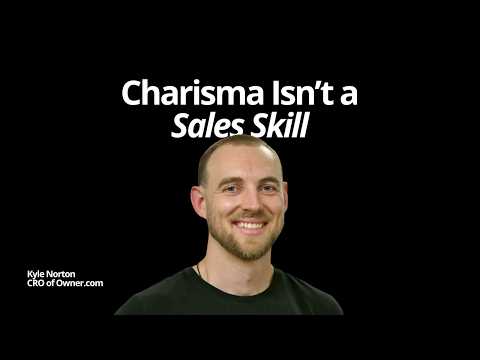
29:35 And this comes from Daniel Conaman who was the creator of behavioral economics. And one of the things he talked about is like heruristics and bias. And I one of his principles that we talk about a lot is the halo effect. So like being really good in one thing has this halo that makes us think somebody's good at all of these other things. And so if you come out of an interview like how was that person? It's like a yes or a no thing, but the strongest halo effect comes from charisma. And we think that charisma is really good in sales, but actually all the research shows that it's not extroverts who are the most successful. It's ambberverts. People who can both be comfortable talking and and you know, you need some comfort communicating, but can also like shut the hell up and listen and let somebody else talk and are like genuinely curious and like to ask questions and pull things and pull things apart. And so if you just do like this a bunch of interviews and you say like do you like them? Yes or no the the halo effect on a couple of their strengths just overpowers everything else. But if you scorecard, if you say, "Okay, you know, we hire for DNA skills and then like craft and then specific knowledge and then under DNA, there's a there's a bunch of there's a bunch of components.
30:48 some of that is communication like in skills, some of that is communication related, but I want to see are they resilient? Do they have a history of excellence? Are they coachable? Are they curious? Are they prepared? Are they organ like one of the things that we underrated until we did the analysis is are they organized because in a high velocity environment where you're managing like it could be as an AE like 60 80 ops in a month. You need to be able to know how to run your run your life. And so, people who are diligent with their calendar and like to time block and like checklist, we we like when we did this analysis of all our reps, we're like, man, like the best reps are all the operators. They're like sicko workers and they are they're operators. That was the most common trait. And then we pulled that back into the interview process. We're like, we're not really asking people how they organize or or keep themselves sorted.
31:43 And so the theme is like, okay, what actually ties to success? And are you questioning that? And do you have evidence of that? Okay, I'm almost I'm almost getting back to this case study thing. And so then what we what we came to understand is, you know, everybody in sales has always done case studies and mock calls. And once we started looking at those scores, we realized it was like not very correlated at all >> interesting >> to success. And so it doesn't mean we don't do case studies. Like you know, you said case studies are broken. People don't like this because it's >> I need I need the I need the thing clips. I've been learning from Harry. So yeah, >> people don't like this because it's it's too much nuance. But it's not that the case study is broken. It's it's it only tells you one thing. Like it tells you can they communicate? Can they think on their feet?
32:30 are they do they have some charisma? Can they can they engage you? Because that does matter in sales. But a part of our case study process is like we have them go and do it and then we give them some feedback. We're like, "Okay, great. Go do it again." And then people like, "Oh, okay." And then we have them do it again. And we like see can they can they implement this feedback? Are they curious about the feedback? Did they hear? And they're like, "Okay, but can you actually explain whatever that now is telling me something completely different from the case study. It's not about charisma and communication. It's about like do you lean in when coaching is offered? Are you excited? Like do they take out a notepad?" Like, "Oh man, like that's really interesting." And and so like why why do you say that or why do you guys do that? Okay. If I did it like this, that now all of a sudden is on our coachability score. It it it comes out of the case study, but it is like a very different thing. And by discreetly scoring people on these different things, then you reduce the halo effect of just hiring all the charismatic people and knowing it's like, okay, they were really outgoing and charismatic and and engaging. Like, I didn't really get much of a history of excellence. I didn't like they they actually didn't really improve from try one to try two. They didn't have any questions about the coaching we gave them. When we asked them like how do you think you did? They like didn't really have much. Like now you're separating these things into discrete components.
33:49 You get like much higher quality answers. >> Yeah. On the halo effect, you know, where we see this a lot in recruiting, we want the person from Stripe. >> We want the person from it's it's like companyled. >> Oh. So, because they were there, they they're good. >> It's like the assumption. And it's like paradoxically, and this is just me maybe pissed that I didn't get to join Stripe in like 2015 with a flood of inbound, but >> it's more so like the the the harder logos to sell actually make you better at selling.
34:18 >> Yeah. >> But then when you're presented, our brains don't go to logo, halo, good. You know, and that's just something that's when you were saying that, that's like what I was thinking a little bit. This is 100% one of them. >> And again, it's fit. Like if so being at Stripe doesn't mean, oh, this person won't be able to sell early stage deals because all of those people had to be awesome to get into that company. Yes.
34:42 >> Everybody wanted to be there. So they have like smart hardworking people that you know have have learned a lot of great stuff but that it's you know when you're 100% inbound or when like you're the best product by far you're going to learn different things like Shopify there hasn't been like awesome sales talent that's come out of Shopify when when you look at like the diaspora because the product's too good. the product was so good and it was so inbound heavy for so long that it's just like you didn't you're you're trying to get big biceps by lifting like 5 lb weights like you need to put yourself under under tension and and like I'm painting with a broad brush and there are great people who have come out of the company of of course like their strengths are going to be different they're going to be awesome in e-commerce like bringing in bringing in knowing what the future of e-commerce is and just like knowing what amazing looks like is going to make them like uniquely powerful there, but maybe dropping them into a heavily outbound environment, not in that in that industry like might not work as well. Yeah. And it's a a good segue into just like how to think through company selection too because paradoxically again we we we when you start off a search you want to go sell the easiest product.
36:00 >> Yeah. >> Like you start that way and like I I wrote an article on this. I was like it's a privilege to be an order taker. You don't say you want to be an order taker, but you just go where there's the product market fits the best and there's some sort of arbitrage, meaning like it's past product market fit, but there's runway on the equity >> and also, you know, you can make a lot of money when you're there and be successful as an ad, >> but when you >> like this guy joining Harvey early.
36:20 >> Yeah. Yeah. Exactly. Exactly. Exactly. And great example of this, there's a lot of these AI natives and we were just talking about this. It's like get to one of these owners of the world where it's like hey you're growing from like two 3xing year over year and if you don't get to those it like makes things a lot harder. I know we were talking about this barbelling strategy a little bit maybe tell us a little bit more of like barbelling of companies barbelling of reps really this is power law concept maybe how to think through in your own career and all that.
36:48 >> So let's start with the company piece. I I think you're seeing this in AI and we are in the midst of the SAS apocalypse or the Sassacre, whatever you want to call it, with these public pre-ai SAS companies just getting crushed and you're seeing it in the venture world as well. And it's probably gone too far and it's indiscriminate and it it takes more nuance, but certainly you're seeing a barbelling happening with companies and there's a flight to quality. Like there's never been more venture investment, bigger rounds, more money than ever. Is it even venture anymore when you're at doing it at a $380 billion valuation? Like it's that might be something else. But the there is so much money but if you have okay product market fit and your traction is like not Harvey Lora anthropicesque then people don't have the same interest and like you know Harry and and Jason and Rory talk about this a lot on 20VC like triple triple double double double isn't good enough anymore. You're like, "What? That's crazy." But we're actually sort of in that mold as owner. We are more triple triple double double plus than we are like a 10x year-over-year, but there's a durability in revenue and we've got a whole AI story and we think we can actually continue this at a much more sustainable rate. So, it's not just like one one or the other, but certainly the best companies are getting more money. They're swallowing up all of the best talent at a faster rate than ever.
38:27 And the power law is stronger than ever because the the outcomes of of venture are bigger than they've ever been. Like what if your venture outcome is like more than a trillion dollars at IPO if you're SpaceX? Like what like what does that even mean now, right? >> And so when it comes to company selection, yeah, I I think there's way more risk than ever being in a good not great company. There's a ton of risk being in a point solution that that can't be a platform because it's so easy to build a point solution. Point solutions can be built internally like we have in the last 60 days built multiple companies that you could have raised money like good money on 5 or 10 years ago just like not even technical people like non-technical people in cloud code building internal apps that we're using for all sorts of purposes. and so like there's that pressure and there's the pressure from incumbents building your building the feature that you have built. And so like good not great or or nice to have not need to have huge risk point solution not platform and then like a quality team not a plus quality team because the market is just so insanely competitive that I think like you know if you're a VP of sales today and you have a VP of sales opportunity at a company that's growing 60 70% year-over-year a 10 millionaire R or you could go be be a first-line manager at one of these like tier one hyper growers 100%. You got to just like swallow the pride and like go sign up at the at the best place because you know if you're great at it, you'll be a second line.
40:11 And now being second line at being second line at at like a worldclass company is way like is infinitely more valuable financially from a career perspective, from a learning perspective than it is being a VP of sales at a company that's like, you know, growing 60% year-over-year with no with no off-ramp in sight. >> That I agree with. And then we're having on Maggie Hoff from OpenAI in a couple months and she posted on this of like choose the company not the title. I kind of was chirping at her a little bit cuz to me in my group, my circles, we're we're trying to do that. Like everybody, all my friends are trying to join anthropic. They're trying to join. They can't get in.
40:47 >> Yeah. Yeah. Yeah. >> Do you see a lot of people, especially in the leadership space where they're like, "Hey, I'm only going VP of sales and we'll see what I get." And they have to take a hit on the company side because my friends, my friends are doing this now in leadership where they were like second line at a company and they take first line at anthropic or they were first line and they go back to IC for a little bit. That to me is the smarter route, but like I don't even It seems like it happens more often for you and Maggie to say that that's like a learning. How do you see that manifesting with like leadership hires?
41:16 I have given this advice and watched somebody like take the decent not great VP title sort of recently despite my advice in the other direction. so I do think you see it a bunch you know they go to a recruiter like hey what are you looking for? I want to be a VP like I'm a VP of sales. own a VP of sales role. It's like, okay, well, you were a VP of sales at like a good company, but but like not remarkable. So, you're not going to go get a VP of sales title at some place remarkable. And I think like you just have to optimize for the company quality because there is this flight to quality because picking right isn't like a, you know, a 5x over a couple years. It's like a 100x.
42:00 >> It starts to compound even more now. >> Yeah. And you know, not everybody's going to be able to get into anthropic or open like Yeah. of course. So, what can you actually do with this with this like insight? >> I think you want to really push on company quality and product traction and go be maniacal about your diligence. I was talking to a friend recently and who is an awesome background so good at what he does and you know just like picked the wrong company they didn't have the traction and I don't know how much I don't know how much diligencing he did but that's just like such a misuse of a couple years of of your career because it's hard to unwind these things and so you have to go talk to talk to customers talk to if you're senior talk to the board members talk to other people in the company.
42:54 Most importantly, talk to people who have left this company. Yeah. >> You have to go find the dirt. >> They're all LinkedIn sales nav. Just see past enter in past company equals blah blah blah. And like go reach out to these people and and you have to synthesize it all. You can't take the okay, maybe that person got >> fired or or whatever and is like not going to have awesome things to say. But you have to to like synthesize it all and really have an abundance mindset with it and know that like because saying no is hard. You're excited, you've been excited, the founders got you excited or else like the founder founders are amazing at sales or else they wouldn't be where they are. and so you have to like tone down all of your enthusiasm and make make like a very like a very objective decision. And if you hear a bunch of stuff that's like a yellow flag, as much as it sucks, like you got to turn it down and like keep keep your search going.
43:56 >> I feel like every founder is going to say, you said like don't join the point solution. I think is there any founder that's going to say, "Hey, we are a point solution. We're going to get acquired in a year. It's going to be a quick way for you." They're all going to probably be pitching the platform play or at least most will. How do you assess if if a if something's actually going to be more of a platform versus point solution?
44:14 >> This is a hard one. that's a very good question. I think you need to understand how quickly this thing can ladder up from because you need the sharp wedge. You need like some you can't build a platform out of the gates most of the time unless you're Sam Blonde at Monaco and you can like raise a bunch of money because you're Sam and like come out of the gates with this huge awesome thing. You have to get under the hood and understand the founders's vision and do a bunch of research on the market yourself and understand who else is playing there and where the where the stumbling blocks will be. Is there green field? Is everything is every deal going to be a competitive like battle to the death? I think this is where like talking to customers is probably really helpful and like how they evaluate and like buy it. It's funny too. We see this on Twitter a lot where a model will come out and say we now I remember when you were able to add PDFs to chat GPT and I was like oh Hebia and Rogo and Harvey are dead >> right because it's like well but no it's like the last mile the last 10% is a lot of the work >> because of all the just the data advantage you need to have in these specific verticals like in law in investment banking and all that. So, it's just a matter of like maybe not even taking those assumptions because then if I was to ask those customers, well, will you still use chat GBTN? I was like, no, no, I can't because we have, you know, certain legal obligations and it's like there's a lot at stake here. We need somebody that only focus on that. Then that would convince me that this isn't a maybe a point solution and is actually something that could have lasting power in your diligence process. It's like asking customers now, do you think you'll just switch off? And we see this sometimes with the codegen solutions. They're like changing tools now. It's like really easy. I mean that would give me pause but you go after more of the TAM. I'm going to chase the codegen market because everybody's in market and it's pretty big and it's like even if this does feel pointy solutiony and people are moving on and off it's like the right general direction maybe go after.
46:04 >> Yeah. You have to dig into the moes. What is the moat? Is it a data mode? Is it just the UX? >> That that's a big piece of it and you have to basically you know you have to ask the founder these questions. They'll have pretty good answers and then like you were saying like validate this with customers. Okay. So the founder say okay the company does X now but the founder says we're going to do Y and Zed and then you got to go to customers and be like hey what are you doing for Y and Zed would you use would you use this company for for those things like oh no like you know we we have to use this incumbent tool because of these reasons like I don't own that budget it's somebody else's and you start to unpack like okay so we don't really have much of a path path there and you know like is it wrong to go to a company that is a point solution and has like a very clear shot to get acquired and you know make a make a buck over a couple years.
46:56 No, that's awesome. Good for you. And that's a great that's a great situation. But often times and I would encourage people to go read Jason Lein's article about this, how there's no private equity offramp for many many of these companies anymore. Like where do you go? >> I used to work at Salonus. I was there from series C to D. We were we valued at 11 billion bucks when I got there. What's a company like that supposed to do? I even think of like Attentive in New York, which went from like 100 mil to 200 mil. They're about to It's the companies that were right about to go public before this. What actually happens to those companies now?
47:30 >> This is a better question for somebody else. >> I don't know. I I I I think like, you know, there's two paths. you get profitable and you just keep on your mission and you generate a bunch of cash and then the cash is very valuable. Like if you're a founder of one of these companies and it kicks out multi multiple millions of dollars or tens of millions of dollars a year to you and and the shareholders, that's a great outcome for the founders personally. Is that the outcome that the venture investors wanted? Not really, but you know, it's it could be worse.
48:07 >> They're they're now putting their bets in some of these, so they're they're hedging themselves. Yeah. I mean, >> yeah. but is that a great place to be as a as an employee? Like maybe not. Like what is your opportunity cost? And like what do you want to do? Do you want to nineto-five it and like have a good salary and feel like you are doing something you enjoy? If you like your boss, like awesome. Just like just go do that. I I'm I feel like sometimes I'm I like talk my own mindset too much. I want to build build something really big and special. I want to do things that are like rarely done and I want to build a sales organization that is unique in the world and unlocks people's careers and innovates on like what go to market means. But like that's me and I work a ton. I work all this time basically non-stop and I've made a lot of sacrifices for that. Like that's not for everybody and everybody has different life situations and and priorities. Like I feel lucky that I enjoy this work.
49:06 Like I I enjoy doing what I'm doing. but not everybody feels that same way. And so that there's there's you just have to be honest with yourself. And I think the the challenge here is that we got as a market we got convinced that we could have our cake and eat it too for a little while there. And that's really hard to shake off because of hydonic adaption. We just like whatever our situation is, we we adjust to that level. And like that's our expectation now. whether or not you like, you know, lost a limb in a car crash or you won the lottery, like those two people start at very different levels of happiness within like the the time of those events happening, but 12 months out their their actual happiness levels are almost the same again. They come back to their baseline level of happiness to what it does before because contentment and happiness and satisfaction isn't in isn't external. It is like it is an internal thing. And so you just have to be honest about like like what what is that for you? Because you want to optimize for the thing that like makes your life meaningful and is going to make you happy. And like my thing is I like building cool stuff and I get more fulfillment out of watching people's careers grow under me and seeing them become like incredible business people and salespeople and individuals and going on and like leaving my company and my team to go do like awesome things that gives me a lot of personal satisfaction like living a life of service having a purpose like a purpose purpose- driven identity as Michael Jerves talks about like that's what I'm that's what I'm trying to chase. pace, but like that's not for everybody.
50:50 >> Totally. There was like a tweet that went viral. It was like your career is either starting or ending at at at some point like right now. Meaning like either like oh my god it's a whole new paradigm and I'm back to working like 70 hour weeks like I would have when I was first which we weren't really doing at the end of the SAS era as much or you're saying this isn't for me. Let me just tie off my thought because to come back to like in the pre 2022 23 like SAS reset, >> we went through a 5 10 year period where you could not have to work your not have to work your tail off and make a bunch of money and and your company grew and there was like exits, but that was make believe. That was like zero interest rate environment. That's not the real world.
51:31 >> And where we're at now is very different. And so you just have to be honest. You have to be honest. It's like you rais a great point with career beginning or ending. Like if you want the big outcome, if you want to work at the awesome company and have a big financial windfall and the equity outcome and and have career acceleration, you got to be strapped the hell in right now. >> Totally. >> But you can't get that without working a ton. And and it's that's hard for people to hear and they This is where I get like in trouble sometimes online. People like like disagree with it. And it's not that it's not they're like I've done it.
52:04 I'm like successful and okay it's probabilities like this is just like the world is probabilistic and there's always exceptions but especially in today's world where things are accelerating more than ever and you know the barbelling is happening with companies the barbelling is happening with employees too the the employees who are smart capable high agency and have learned AI now are worth like 4x what they were before and so you're seeing you're seeing this like you can see this across any company the the best employees are worth way more than way more than ever and again this is thing Lin talks about a lot like the people who are cashing a check and like you know are phoned in in a little bit whether it's reps or middle managers or or leaders like those people are going to be under a lot of pressure moving forward >> yeah completely on the barbelling piece too you know where we see this too is in the venture game too I know you're some of these funds you either want to be like in this is it's going to be like an obvious statement it's like you're either in Andresa and Seoa and you're leading those rounds or you're kind of going to do what we're actually trying to do which is like raise some of these micro funds where we can come in as strategic adviserss the middle ground maybe your tier three VC that raised $200 million but needs to lead rounds against a Koan A6Z that is super super hard.
53:22 >> Yeah >> because they can just spend the money to buy the option to see how it goes. >> They can overpay because they have the follow on funds. So you don't have to your series A fund or your seed fund don't need to be awesome. You can just make the investment. You have the option so that you see what's happening inside that company. you can preempt the next round and then the winners you fuagra as as I think Rory says yeah >> on 20 VC like you just stuff money into them and and so yeah you it's hard to play it's hard to play that game as as a non like tier one VC that has multi-stage but there's there's the non- multi-stage funds that are doing well but it's again probabilities and this is not my area of expertise I'm a >> spectator super interested hearing you talk about a lot of this wrapping up AI and sales there's a lot of ways we can go about this. I actually want to start with your take of I talked to Jason Gellman, operating partner. You actually interviewed him.
54:18 >> I I saw him like two weeks ago. I spoke at a primary event here. >> Oh, sweet. Okay, cool. Well, I just interviewed him two weeks ago and we've been jamming about this topic. He actually said something similar to what you said of this $1 million growth marketer. I think you put it at 250. I think it's the same concept though is who is the person that can create leverage using these AI tools in order to create pipeline consolidation of tools, consolidation of roles. the value of that is going to be they're going to be getting paid a ton because the leverage that they're providing to a sales team. Can you elaborate a little bit on this and how have you seen this already starting to move in this direction? I think this originally came up in our pre-all chat where you know like does AI lead to the $250,000 BDR and you see this chatter a bunch online.
55:01 I actually don't think so because if you're the BDR that can generate all this pipeline, why would you do as a as a BDR? you're just going to be a GTME or a growth marketer. A bunch of these things are being done from a grassroots perspective today by just like very innovative salespeople, but I this this goes back to like centralized versus decentralized AI strategy. And so are you going to have so if you're decentralized you you want everybody in all the tools experimenting like all your reps all your managers >> like playing with their own custom gems and workflows and clay tables and they're all doing it themselves >> or are you going to have a centralized approach to AI and is that and and that is when you have a couple like highly capable very technical individuals building things that then you deploy to the team. We are a very centralized model. Our our IC's don't do much in the tools themselves. We do all the transformation, the research, the the pre-all work and then we push it into the experience for the rep. I believe that is where it will be much more valuable because like our applied AI lead is is multiple orders of magnitude more capable and and well researched and invested in things in all things AI versus the most sophisticated like sales I see. It's just it's just like not a comparison. and so the things he builds are at such a different production grade and are so much more sophisticated and nuanced and the quality bar is so much higher >> that I don't think you're really going to see the the rep like have that like crazy inflation of comp. There's certainly going to be inflation because it's just supply and demand. M if if what you get from a rep is much if the outputs are much higher then you're going to be willing to pay much more there's more competition in the market like I think we'll see upwards pressure especially for the best people where I think you'll see like a real takeoff in terms of of comp is in these like in these high leverage roles and and even like you know VPs of sales if you are an AI native VP of sales or CRO they are in such short supply right now people who can really actually think from first principles are in the tools and are building their own stuff. Everybody wants that.
57:32 >> Yeah, >> that person will see their their value take off pretty dramatically. I don't know if the run-of-the-mill will see will see the same sort of thing. >> One thing that I found interesting just the way you think through tooling is you think of it almost like a VC fund. You're like, "Hey, I want to bet on some of these." I mean, you mentioned data lane and I've heard like some other tools and some podcasts you've been on.
57:53 any that are hitting your radar right now that you think you're like, hey, I'm early adopter to something like this? >> Yeah. Well, Momentum, we were one of the first customers in the >> back to Salesforce. Yeah. >> Yeah. They got bought by Salesforce, which I'm really excited about. I think it's an awesome tie-in for both Momentum and Salesforce. Avara is one of the tools that gives us like crazy value. So, it's our AI sales simulator.
58:15 >> Okay. >> So, >> yeah. Yeah. >> Everything in enablement. >> Is that some similar hyperbound or a tool like that where a rep can kind of like get the marbles out of their mouth as they're ramping? Okay, >> hyperbound, but like orders of magnitude more sophisticated and like more depth. Hyperbound is a very broad platform. They're trying to do a whole bunch of stuff, but I find it thin. >> And we've we've in general chosen like a lot of depth in stuff. Like AI when it's easy and AI when you're just like throwing it out there, I I think gives you very little input. We've spent like tens and hundreds of hours tuning over 50 of our SIMs probably across all of these different roles. So when a new SDR starts, by the time they hit their phones, people have done anywhere between like 15 and 30 hours of simming. And so that's not just like sim a cold call. No, no, no. It's like sim the opening until you are just like dialed. And and what Avar does better is the coaching from the tool is actually quality. The coaching from all these other tools is like, oh, our AI coaches, it sucks, right?
59:23 >> The coaching from Avara because we have all of our context in there and we've tuned it very like closely and you have to invest in it. Like that's the thing that the best AI implementations have in common is like those companies have invested heavily in them to to make them work. so we have reps that come out of the gates and sounds like sound like they've been doing it for months because if you've done 30 hours of simming, which was the top rep from our last STR cohort, how many at bats like how long do you have to work in your role to get that many people on the phone to get 30 hours of reps? Like months months of learning in eight business days before before they get on the phone. So Avar is Avar is one of them.
60:08 trig is another one. Trig is like post, it's more post sales, like customer journey automation to know like, okay, what are the product triggers that mean success? How do we incentivize people to take those actions? What are the flows that we build? They're building a bunch of cool stuff that I'm probably shouldn't talk about externally, but like that trig is a really exciting one, especially people building like SMB, PLG, SLG motions. And then honestly, we're building a ton of stuff internally. One mind is the other one that I'm super bullish on.
60:41 >> What is one mind? >> It's customerf facing avatars that that can do whatever you want. They can sell. They can qualify. I think the qualification experience is interesting, but for us, the thing that is like transformational and so we're repurposing our one mind to go do this is actually sell a full deal. And so we can actually serve an entirely new customer base through this AI experience that like the economics aren't good enough to have a sales rep on it, but like somebody actually answering their questions and going back and forth. The tool is really good. You can go on to one mind's site and experience theirs and like ask it hard questions about how it's built and the technology behind it and and it can go anywhere. And then most of the other stuff actually like we've just built internally. We're building a lot of stuff internally right now.
61:26 >> What about for you personally? A lot of people when I asked this this at Granola and Whisper Flow right now. Is there anything outside of those? Cuz like I would I can't live without those now. So it's like what's the other like personal productivity thing that maybe you're using that come to mind? And maybe it's not anything outside of those two that you know. >> No, there's a bunch of stuff for me personally. >> Yeah, >> a lot of it is just cloud code and I'm and I'm I'm building a bunch of stuff in cloud code plus OpenClaw. So, I was heavily dependent on cloud code and that was like acting like my little AI chief of staff and I was building this like massive context database of all the things that were important to the company, important to me, what my team was working on. I've got a dossier for every single leader under me, like from their performance reviews and the the feedback from their peers and and it it reviews all of our one-on-one transcripts and pulls stuff in so I know what their priorities are, what do I have to follow up with them on. Now, I've moved a bunch of that infrastructure into OpenClaw, but it's still accessible in both places. So, I can like on the- go message through Telegram my it's called Kai K AI.
62:36 I can message Kai about like, you know, my my daily briefing or like updates on a project because it has everything. Notion, call transcripts. it can read it can read calendars. It's going to write what what I spent the last two days building with my VP of RevOps is a flow. So, it can just hoover in all of this stuff and write on behalf of my leaders their weekly update, their like maple update, and then they can review it, add things, tweak, and then I can get a version of this, myself to basically just reduce the number of hours people spend documenting.
63:11 that is like a really big thing for us. I just use Cloud for everything. So, the way that I learn a lot of this stuff outside of just being able to interview folks like you and you get to like Google it and like test a lot of this stuff is like Greg Eisenberg's been a great person on YouTube. What What else do you do? And also, you have kids. How do you even Do you even sleep, man? It's just like Yeah. So, like how do you find the time like what is the most optimized way to like is it Greg Eisenberg videos?
63:36 Is there another creator that comes to mind that helps speed up your learning curve with this? >> Yeah, Greg is awesome. Alex Finn is awesome. >> Okay. There's a guy, he's like an open, he's doing a bunch of open claw videos. >> Like OpenClaw is show I haven't even touched that. So it's like everybody's going nuts over this. >> It's pretty crazy. Like I'm I'm still early days in it. But yeah, it's it is it's everything you can get from all of these models just like way less constrained. A bunch of security risks that you have to like manage very carefully. Like mine's not on my my computer. It's it's hosted in a in a virtual machine. It's like on a server.
64:15 It's like sort of like locked in a bunch. But I'm assuming that the big model well open bought open a couple days ago >> and so they're going to build a bunch of this stuff. I'm sure Anthropic is doing a bunch of this stuff in co-work. Google has like so many interesting advantages being already the suite that like so many companies work off of and I use Gemini for a ton of stuff. Your question is like how do I find time for it?
64:43 >> A lot of it is I have a ton of AI workflows that help me, right? >> You know, like my podcast is down to like just a handful of hours a week. I record for 90 minutes. The prep is super simple because >> I have like a clay table that >> so people fill in my intake form and then and then it web hooks into my clay table and then it does a bunch of these flows that I've built with the help of Jordan Crawford who is an awesome learning resource that everybody should go follow. and then like producing the newsletter and producing the the follow-up materials. Like that's all these AI flows that I've like tweaked and tweaked and tweaked like performance reviews. We just went through performance reviews and so I built a performance review skill in cloud code and then I dumped in all of the information. I pointed it at every call transcript from my leaders over the last 6 months. It pulled a bunch of a bunch of stuff and I like to build these skills in like a question and answer format. So, for performance reviews, like review all of this stuff and give me the themes. Give me like five themes and let's let's narrow in on the most like the top two most important. And so, like the flow was back and forth. It it sort of gave me themes and I picked the ones I wanted to unpack and then I I told it to unpack them in certain ways. And then, I was like, "Okay, well, like, you know, you're missing actually what I've seen in some of these other meetings is is is A, B, and C. So like update it with this in mind. And so my >> because the performance reviews like I like to spend my time on them >> and if we're going to do them I want them to be good and that would have taken me like hours per person totally previously like hours per person >> and now it was I spent an hour building the skill and going back and forth and then maybe 30 minutes each and it it was really good. It wasn't like I didn't just like let AI give me a bunch of slop to like throw at my direct report. It was actually like really thoughtful good feedback and because it was this back and forth. It wasn't wasn't just like giving the job to AI.
66:45 It was a collaborative effort and so how do you learn about this stuff? Like how do I get a lot of stuff done? I got a lot of AI tools for a bunch of these things. Just cloud skills. I just like anything do I'm going to do a bunch. It's been amazing what Anthropics has been shipping and I'm trying to, you know, you motivated me now to use clog code a little bit more. But, you know, it's funny the way I feel about ending this interview right now is similar to how I feel about Liam where I now have him on quarterly. I could have done a Rogan style interview with him >> cuz we didn't even get through like half of the stuff I know. So, we'll have to get you on again next time I'm out in SF maybe later this year because there's like so many other points that I'd love to just jump in with you and >> at that point you'll you'll have a lot of other new tools that I'll be dying to learn. And so now I got some catching up to do.
67:27 >> Yeah. >> But Kyle, this was great, man. Like I said, most requested guest we've had so far. >> I love it. >> And I really enjoyed this. So >> yeah, this was a ton of fun, man. Appreciate the invite. >> Cool. Thanks, brother. Really appreciate you giving us a listen. Give us a subscribe, rating, review, follow on Spotify, Apple Podcast, and YouTube. Hope you enjoy it.
Summary
- The "barbelling" trend in companies and employees indicates a divide between high-performing firms and those struggling, with top talent becoming increasingly valuable.
- Employees who are skilled in AI are now worth significantly more, reflecting the demand for high agency individuals.
- Norton advocates for hiring RevOps and enablement roles earlier in the company lifecycle to build a solid foundation for growth.
- He critiques traditional hiring practices, particularly the reliance on case studies, suggesting that they do not correlate well with actual performance.
- The importance of transparency in hiring and team dynamics is emphasized, with a focus on assessing candidates' coachability and organizational skills.
- Norton discusses the necessity of investing in AI tools and infrastructure to enhance sales effectiveness and streamline operations.
- He shares insights on the importance of company selection, advising candidates to prioritize company quality over titles, especially in the current job market.
- The conversation touches on the need for a centralized versus decentralized approach to AI implementation in sales teams, advocating for a centralized model for greater efficiency.
Questions Answered
Why is it important to choose the right company over a high title?
Choosing to work at a world-class company, even in a lower position, can provide greater financial and career benefits than holding a high title at a lesser company. The current job market rewards employees with high agency and AI skills significantly more than before.
How does language impact sales leadership and training?
Using a consistent language in sales leadership is crucial for effective training and communication. Leaders should adhere to established frameworks rather than introducing new terminologies that could confuse the team.
How should companies evaluate the effectiveness of hiring metrics?
Companies should critically assess traditional hiring metrics like coachability scores against actual job performance. This involves retrospective analysis to ensure that hiring practices align with real-world outcomes.
What trends are emerging in leadership hiring?
There is a growing trend for leaders to prioritize company quality over job titles, often opting for roles in high-quality companies even if it means stepping down in title. This approach can lead to significant long-term career benefits.
How is AI changing the landscape of sales roles and compensation?
AI is shifting the dynamics of sales roles, potentially leading to higher compensation for those who can leverage AI tools effectively. However, the traditional role of BDRs may evolve as they transition into more strategic positions like growth marketers.